A modernist villa in the middle of a lush park

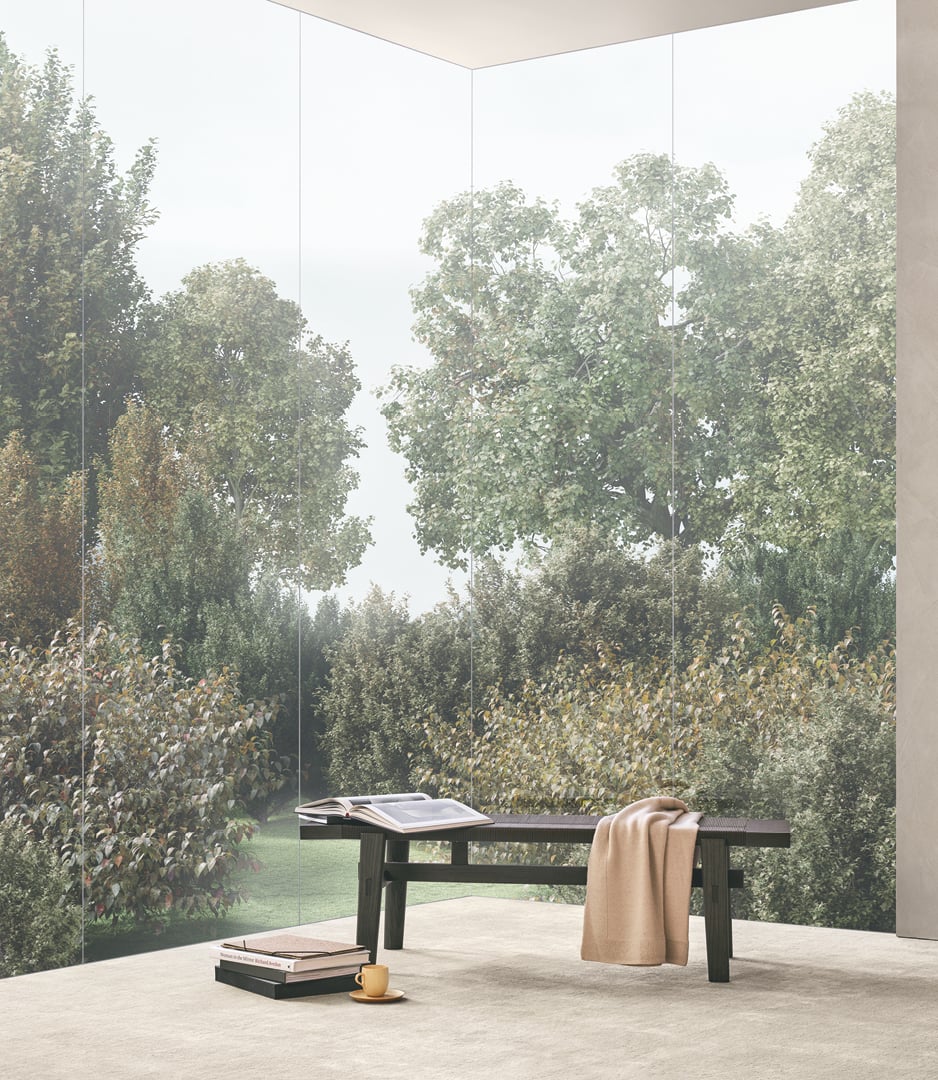
Modernist references and the centrality of the landscape. Open spaces dominated by light and natural materials such as stone, wood and glass. In this exclusive architecture surrounded by nature, contrasts are harmonised – pure lines with organic shapes, light with dark, elegance with simplicity.
The living room

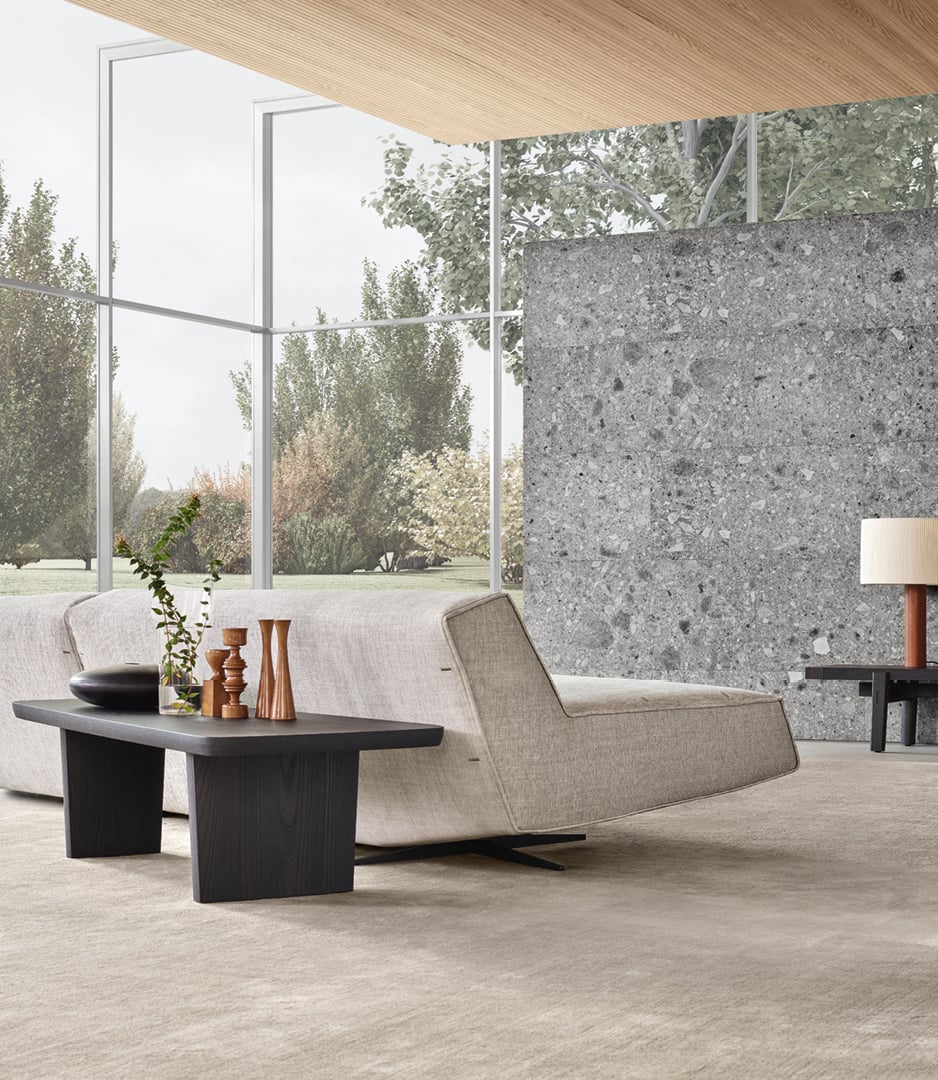
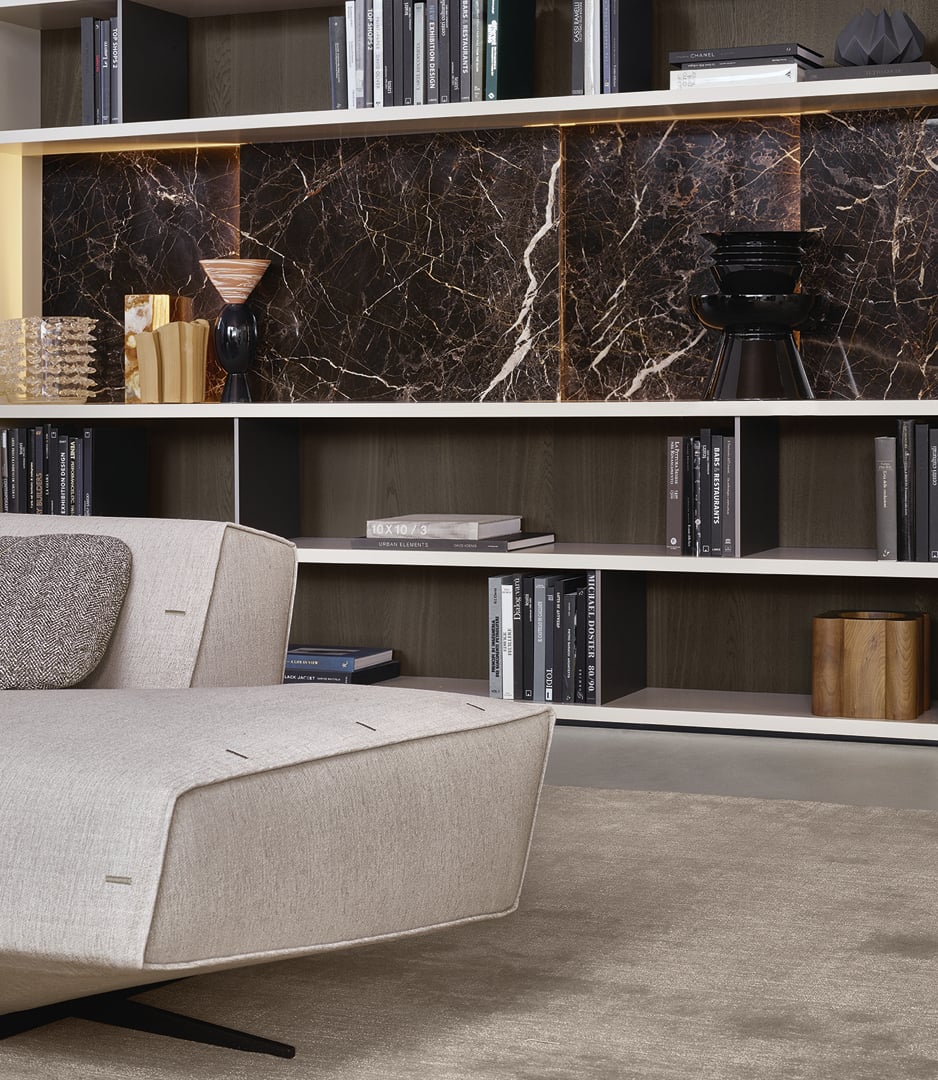
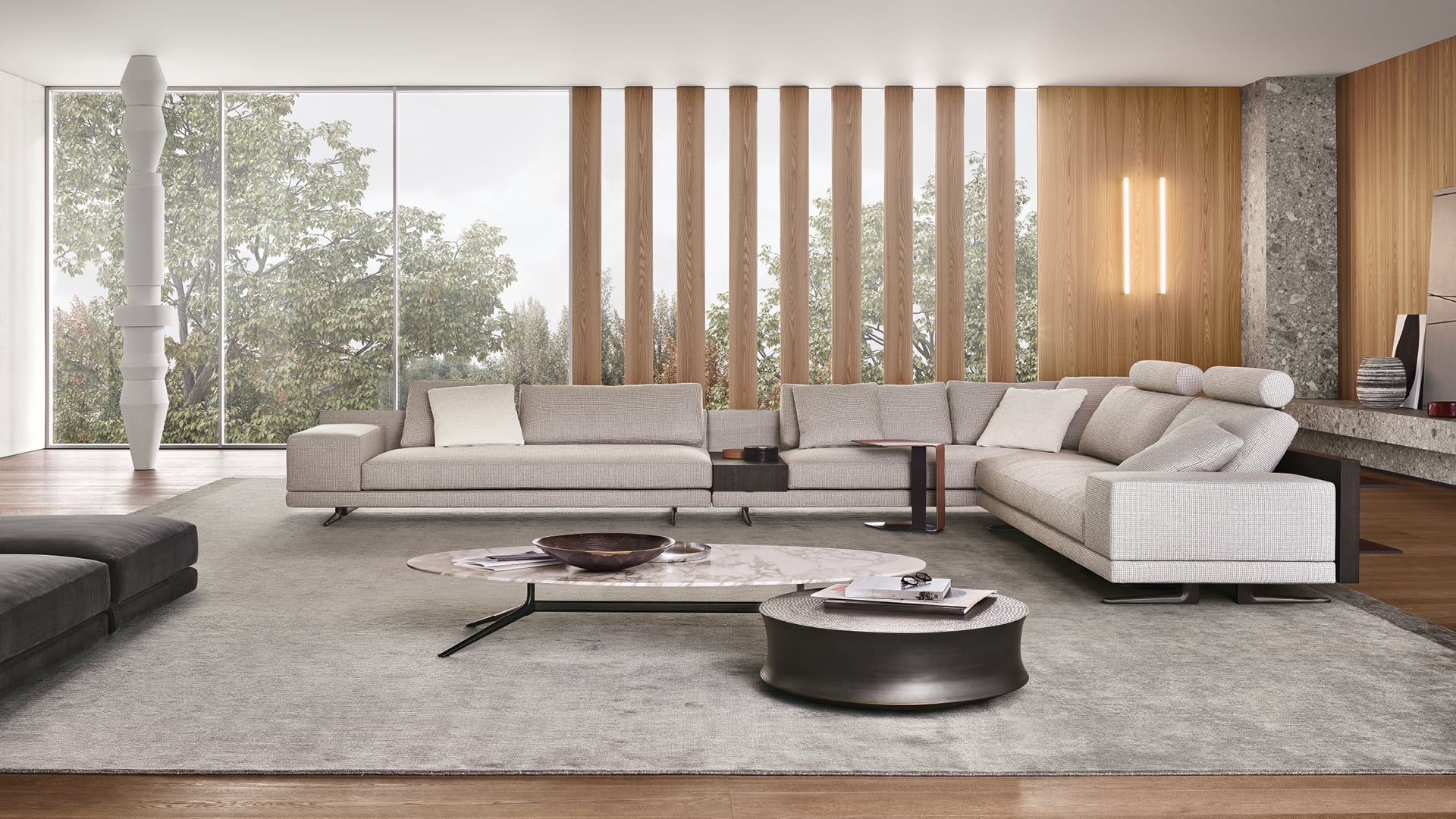
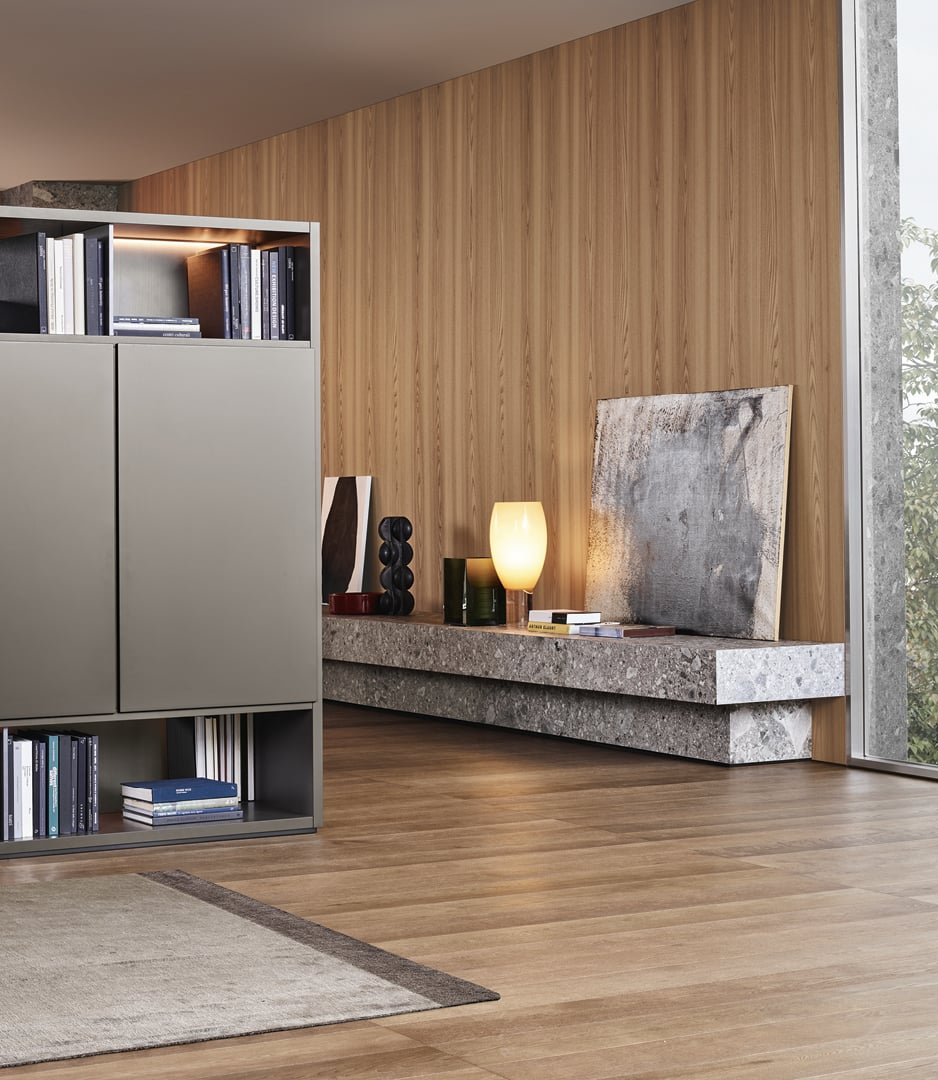
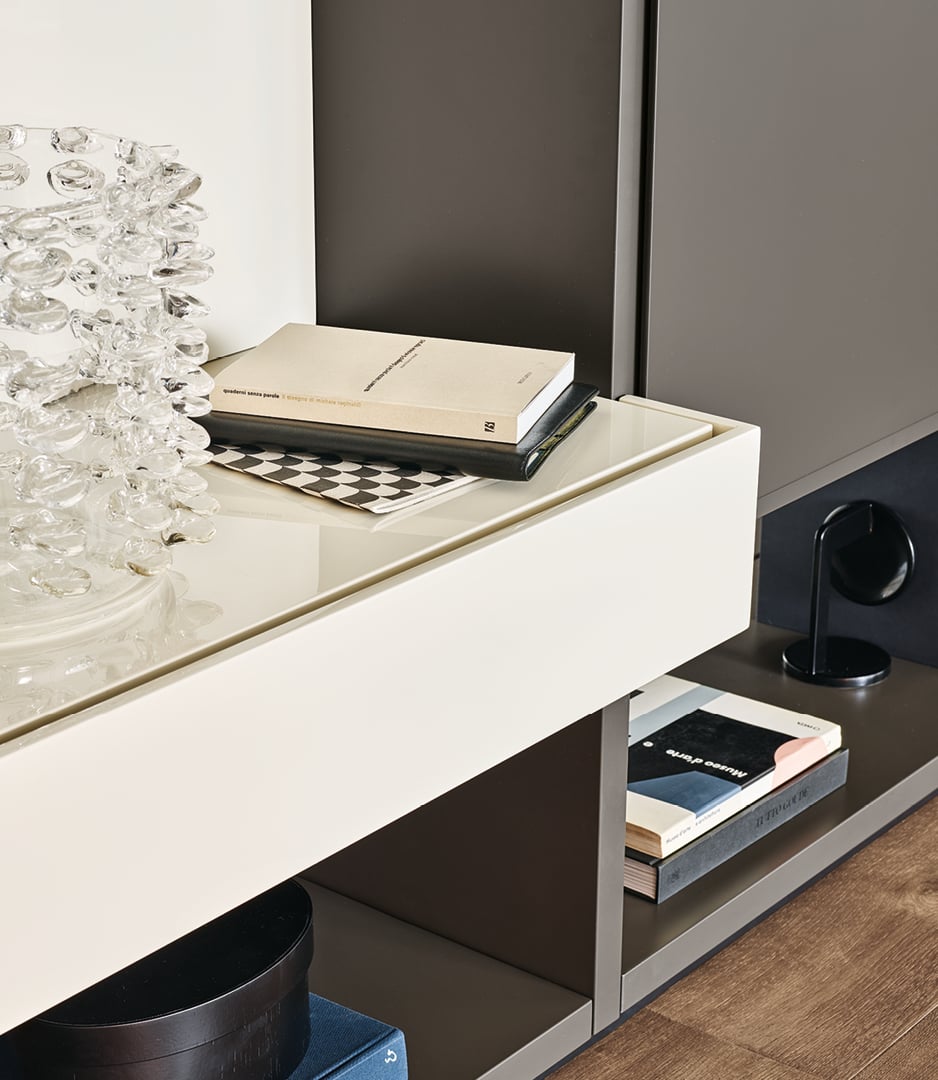
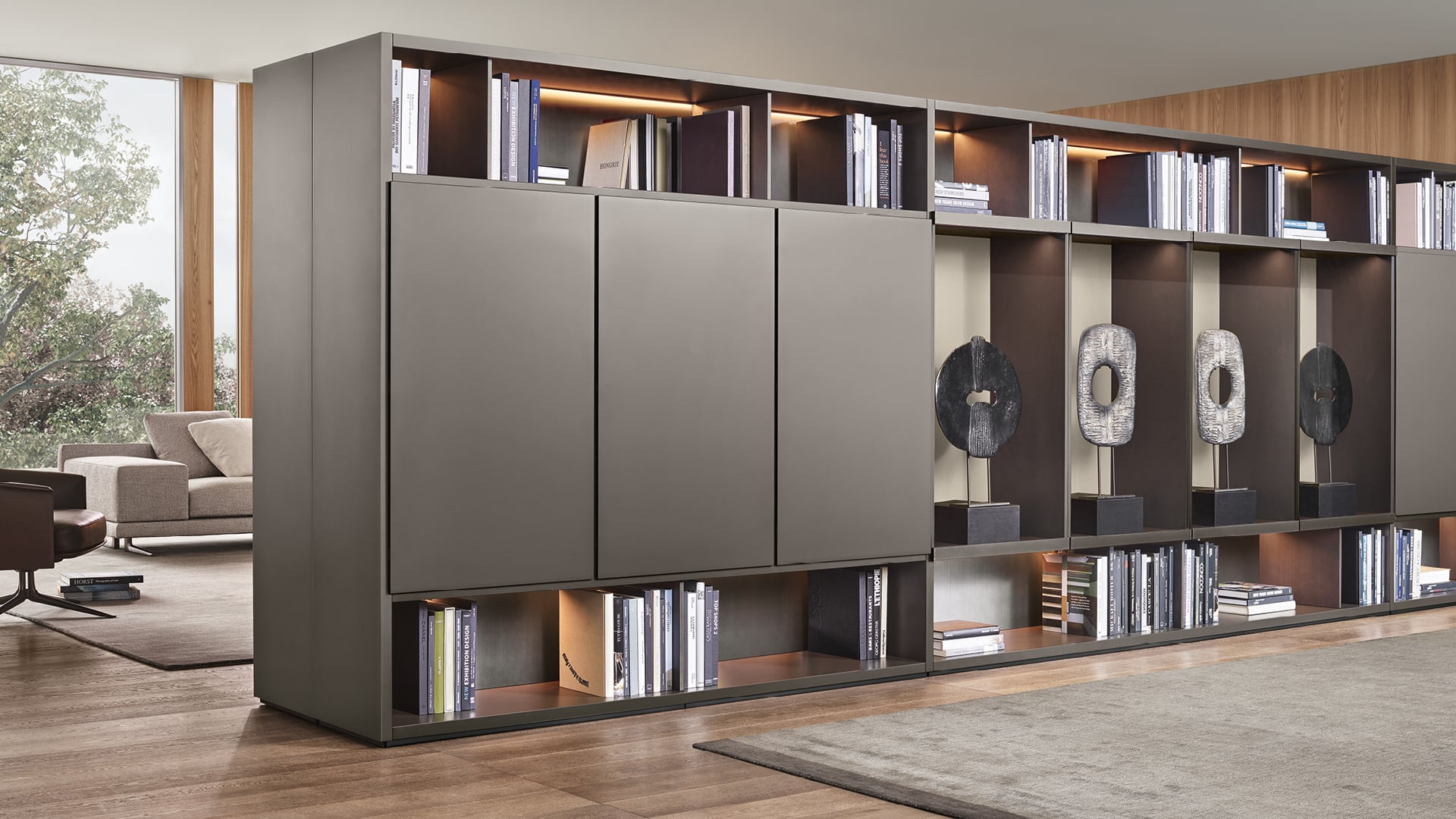
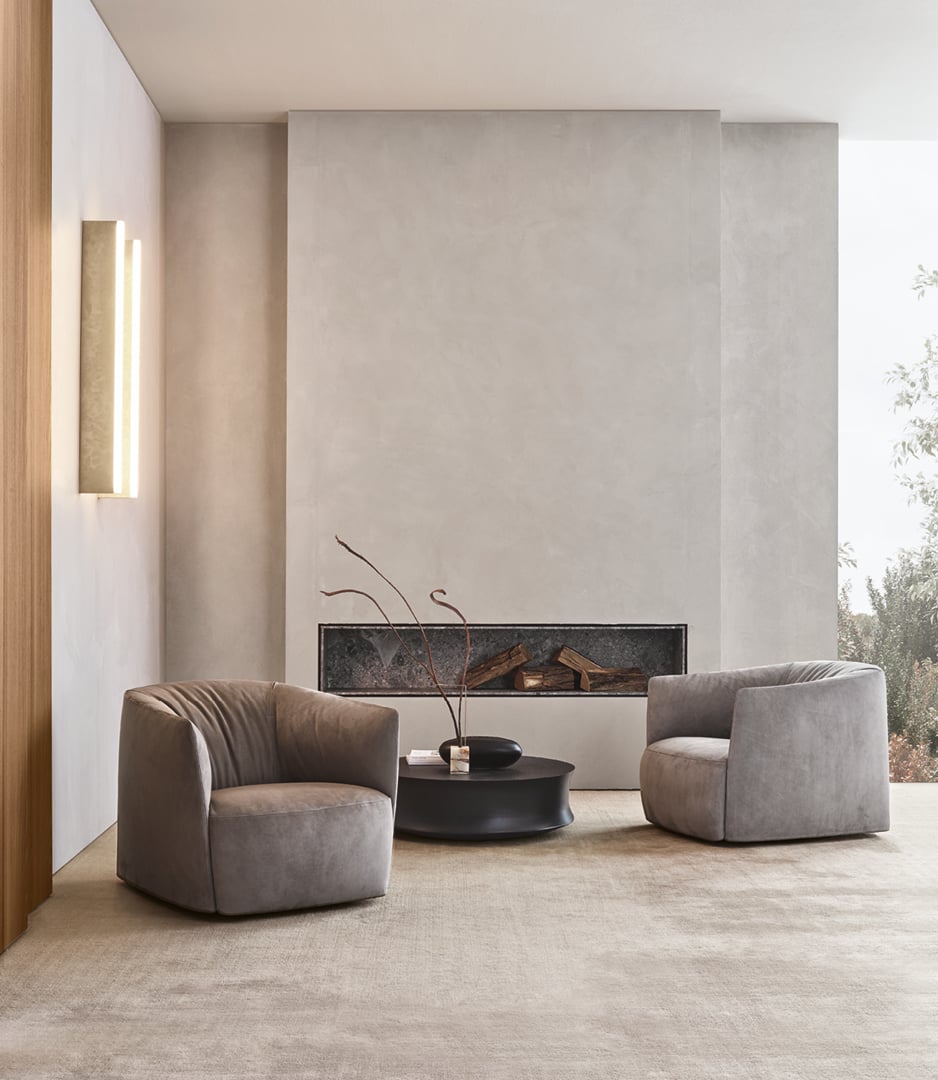
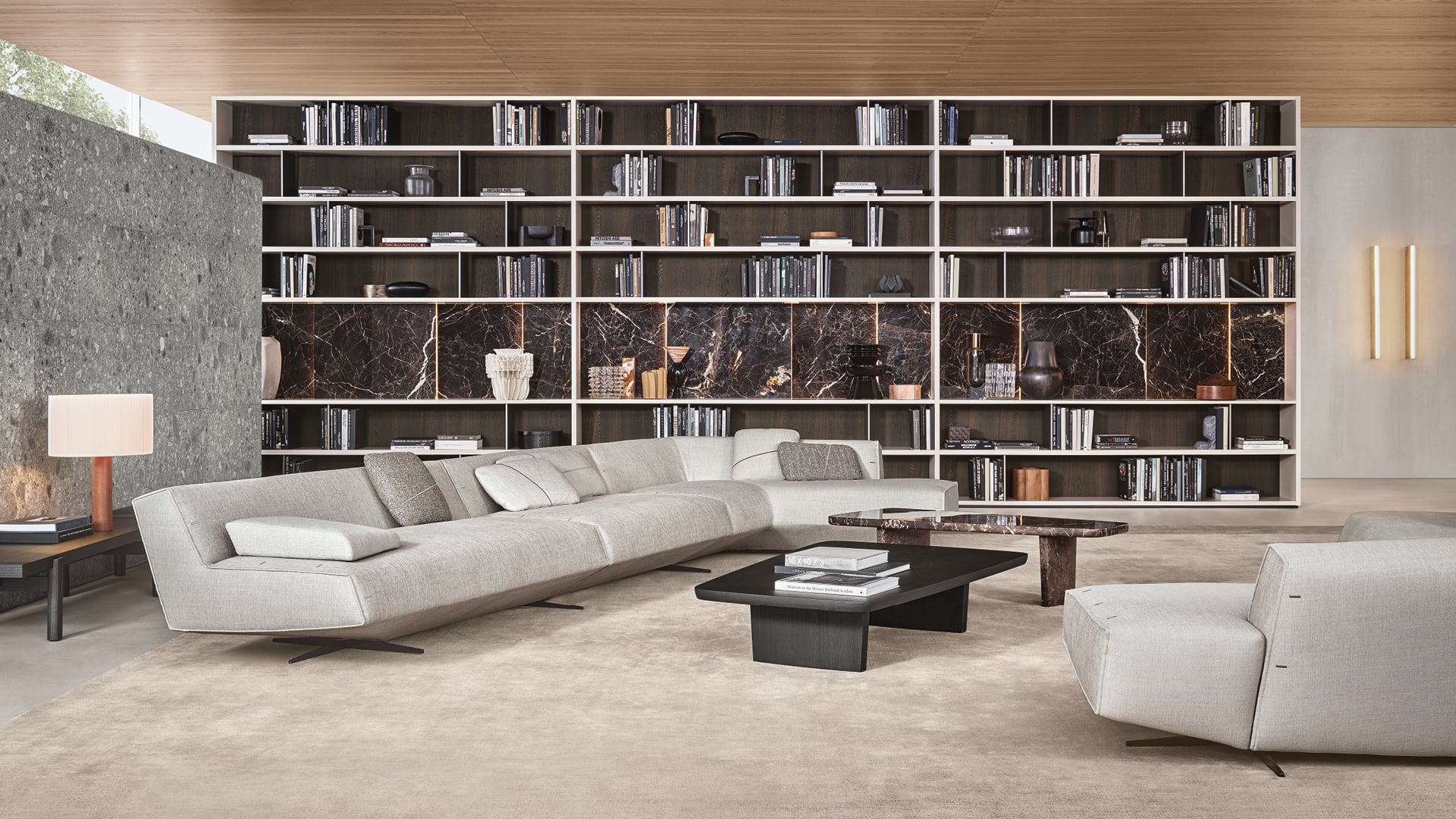
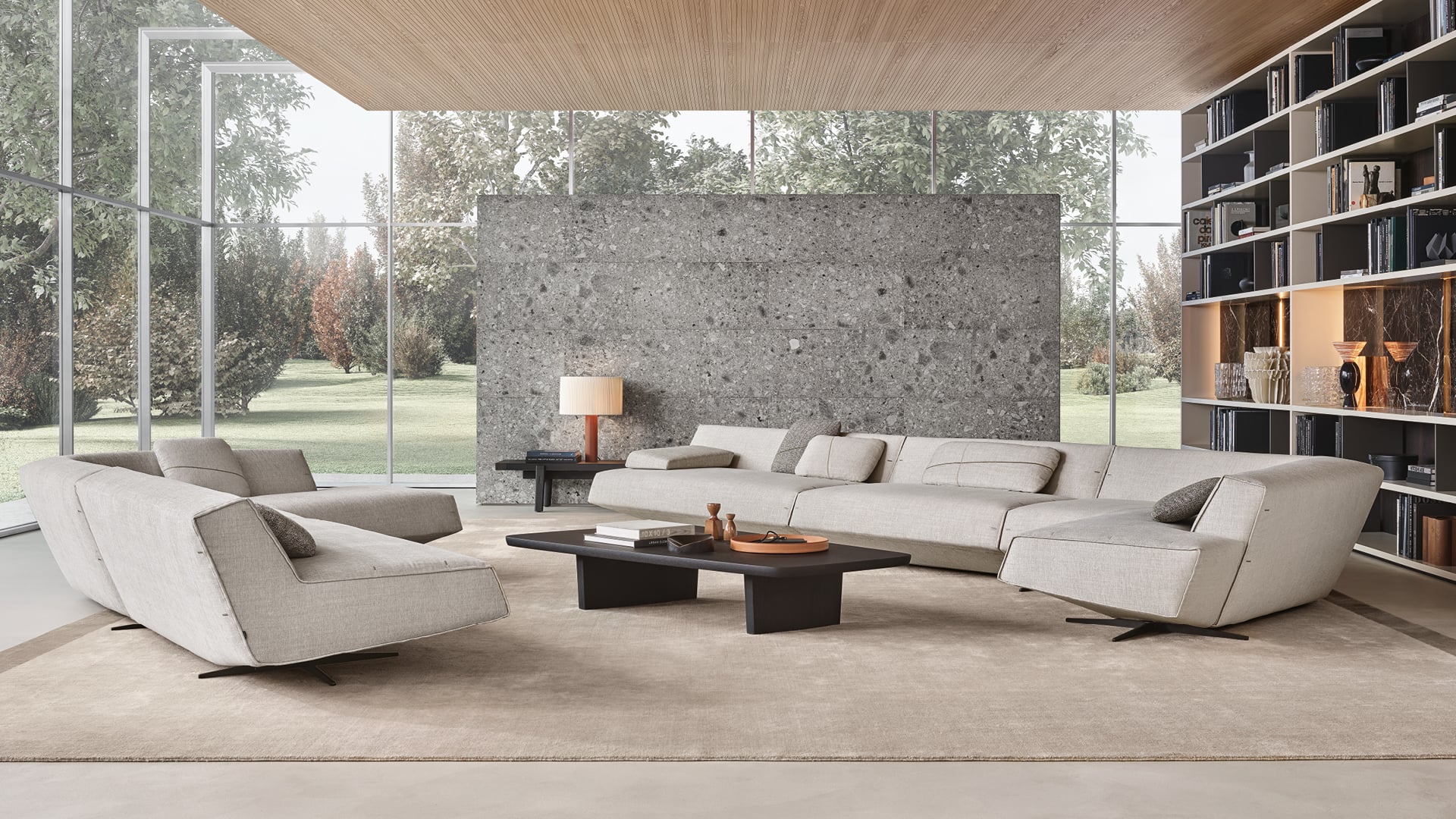
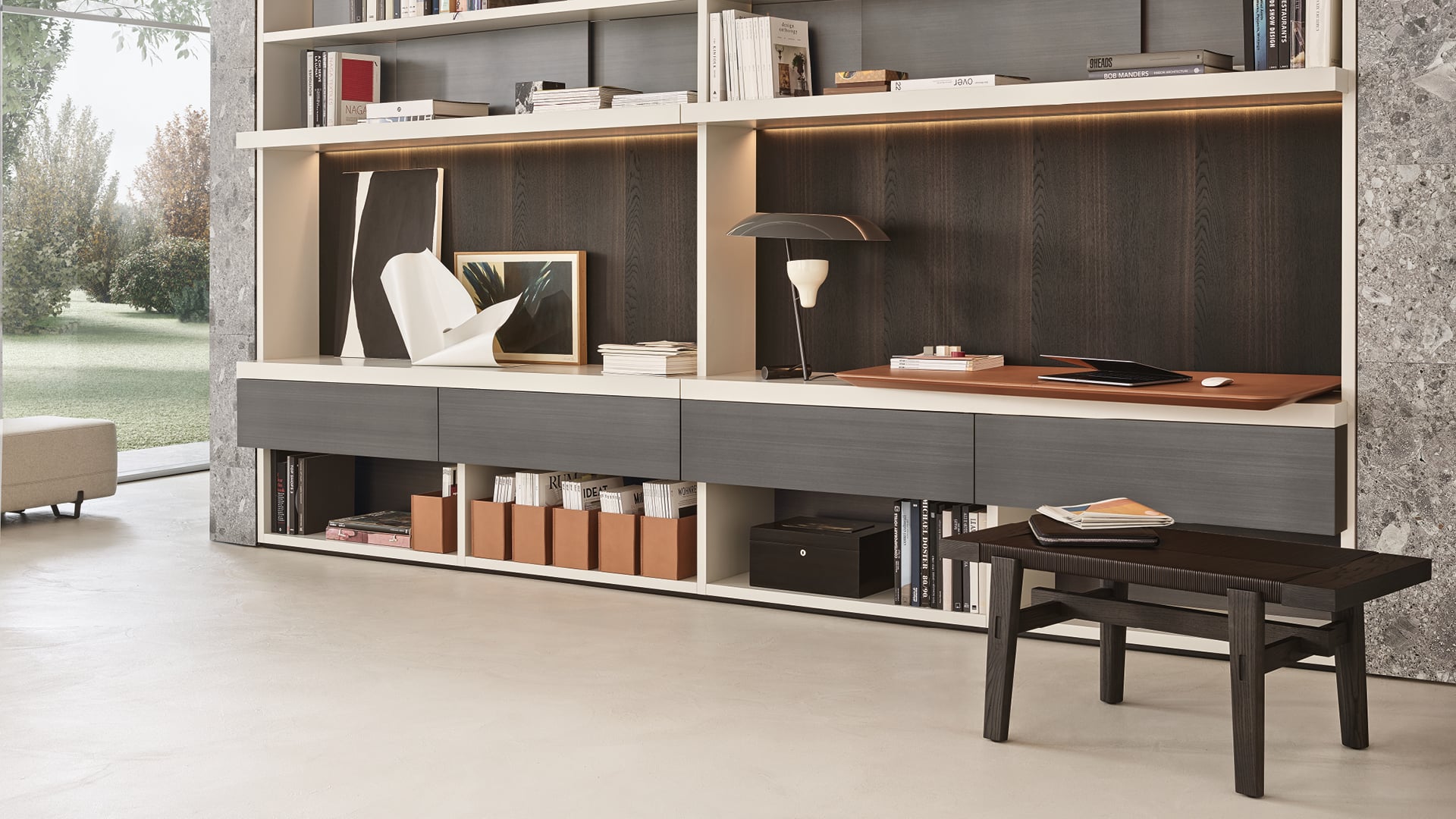
The interior design complements the architectural design. In the living room, the sofa combines oblique and orthogonal lines, sharp and rounded edges, creating a dynamic environment that invites relaxation and conversation. With its subtle lines and exquisite finishes, the living room system is designed as a bookcase that is both minimalist and opulent.
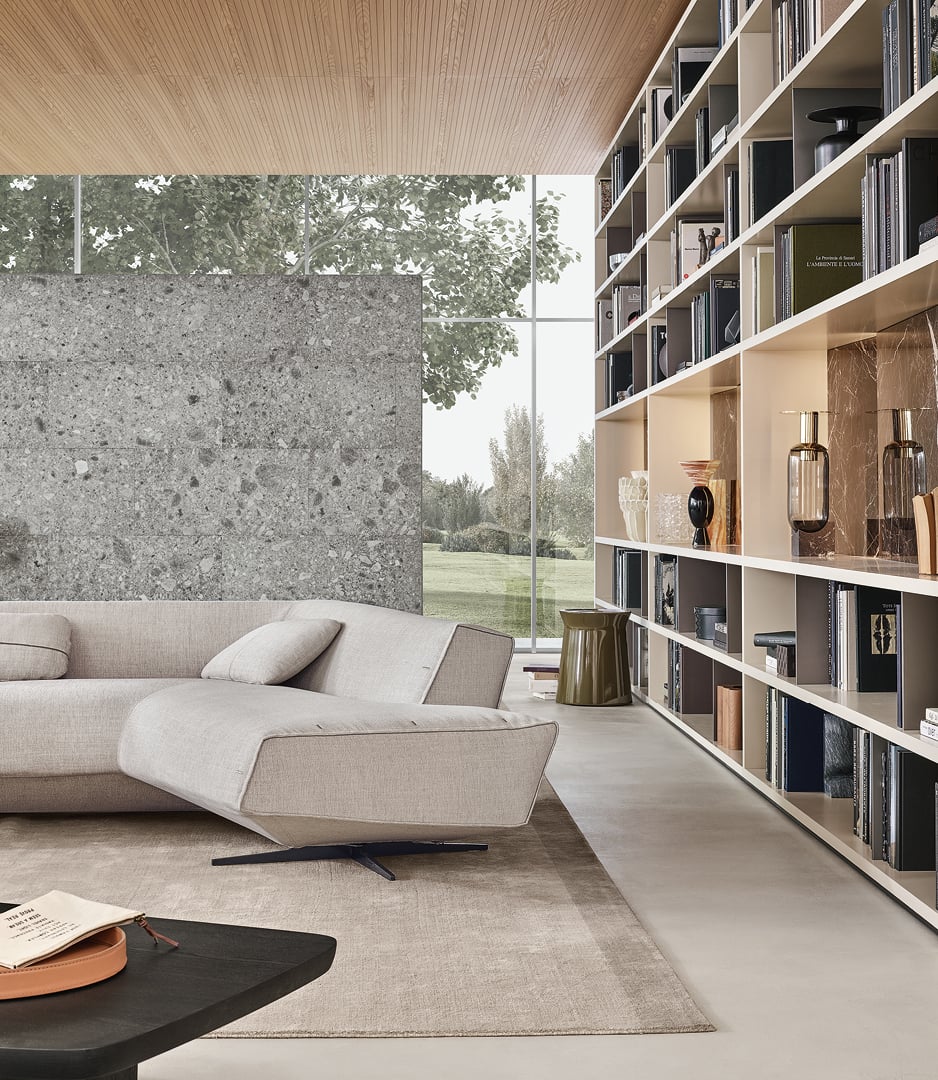
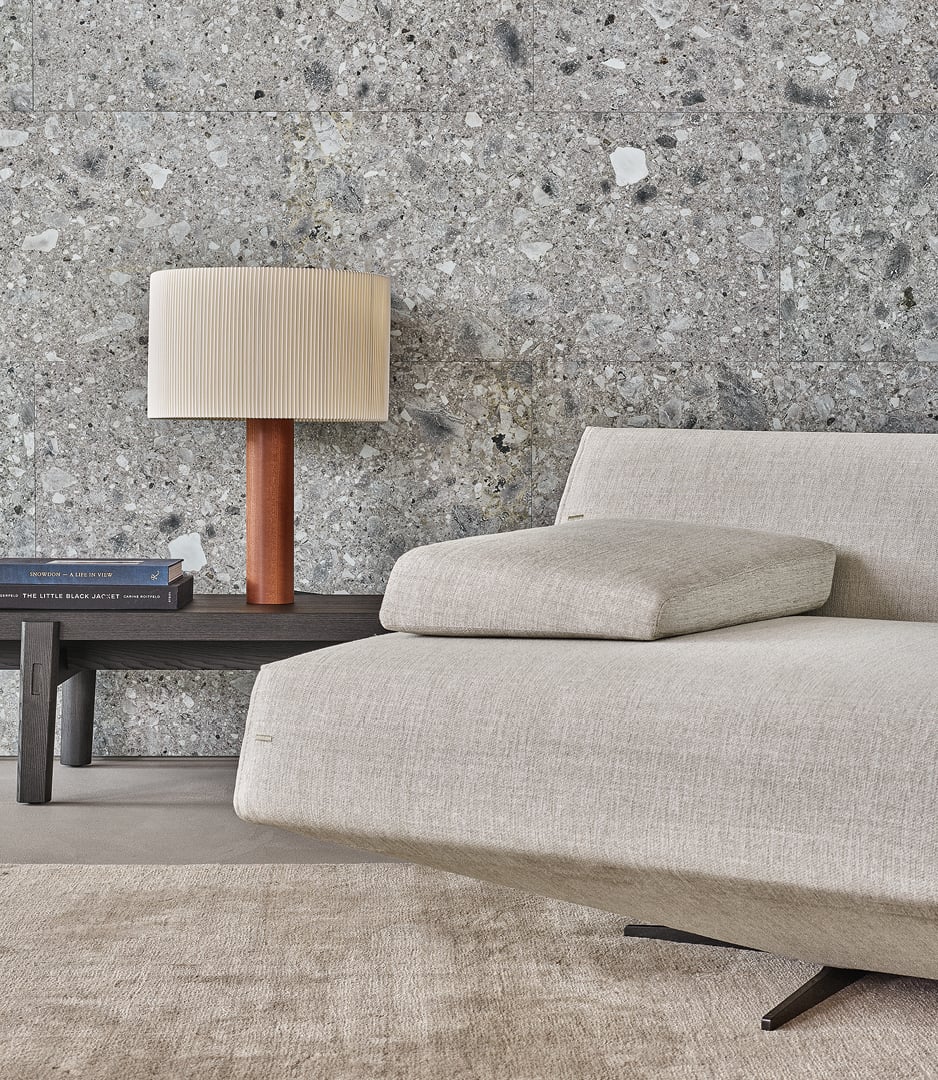
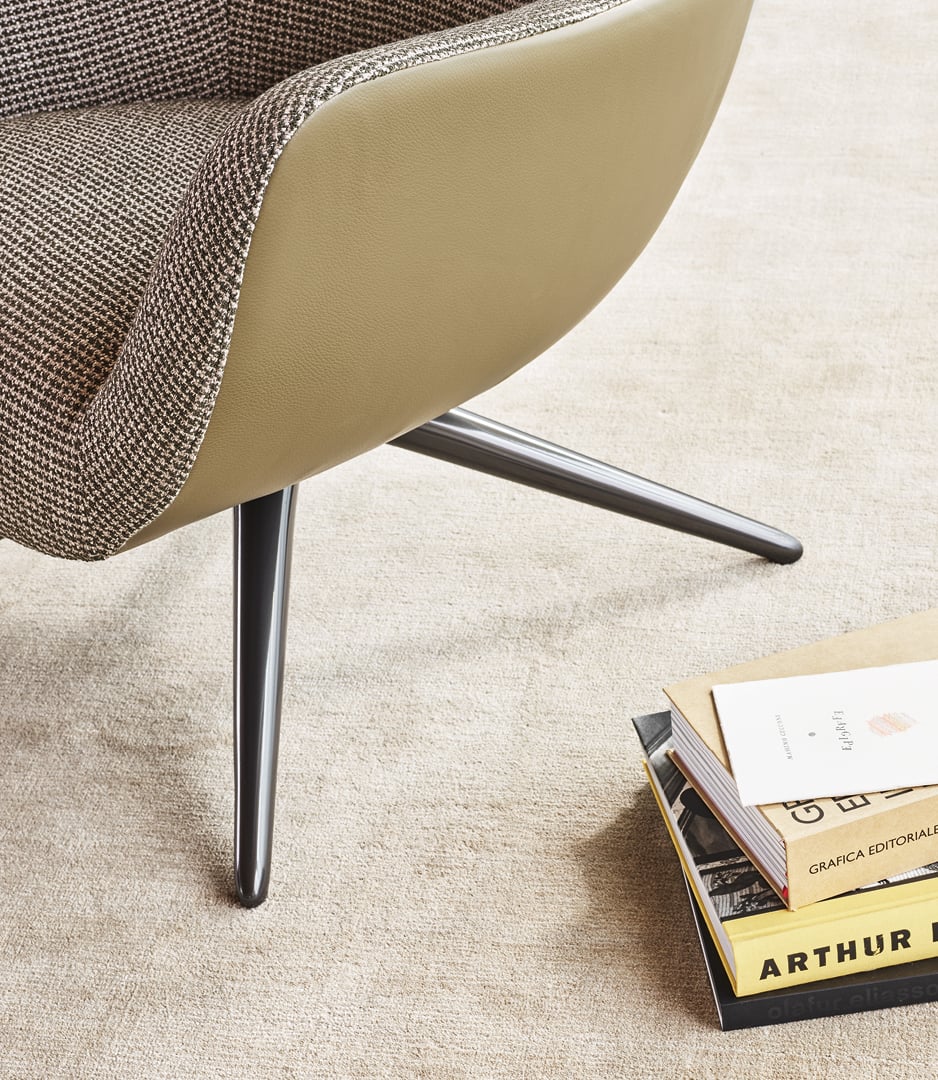
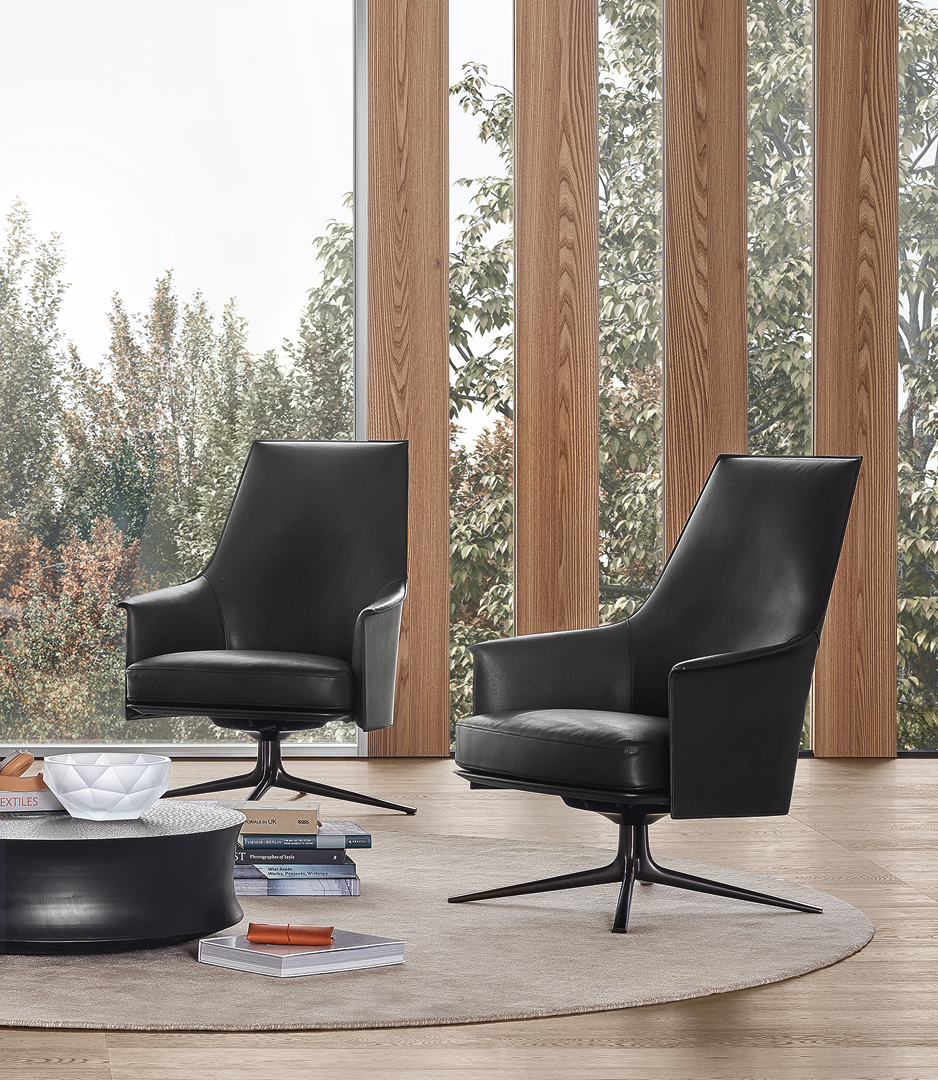
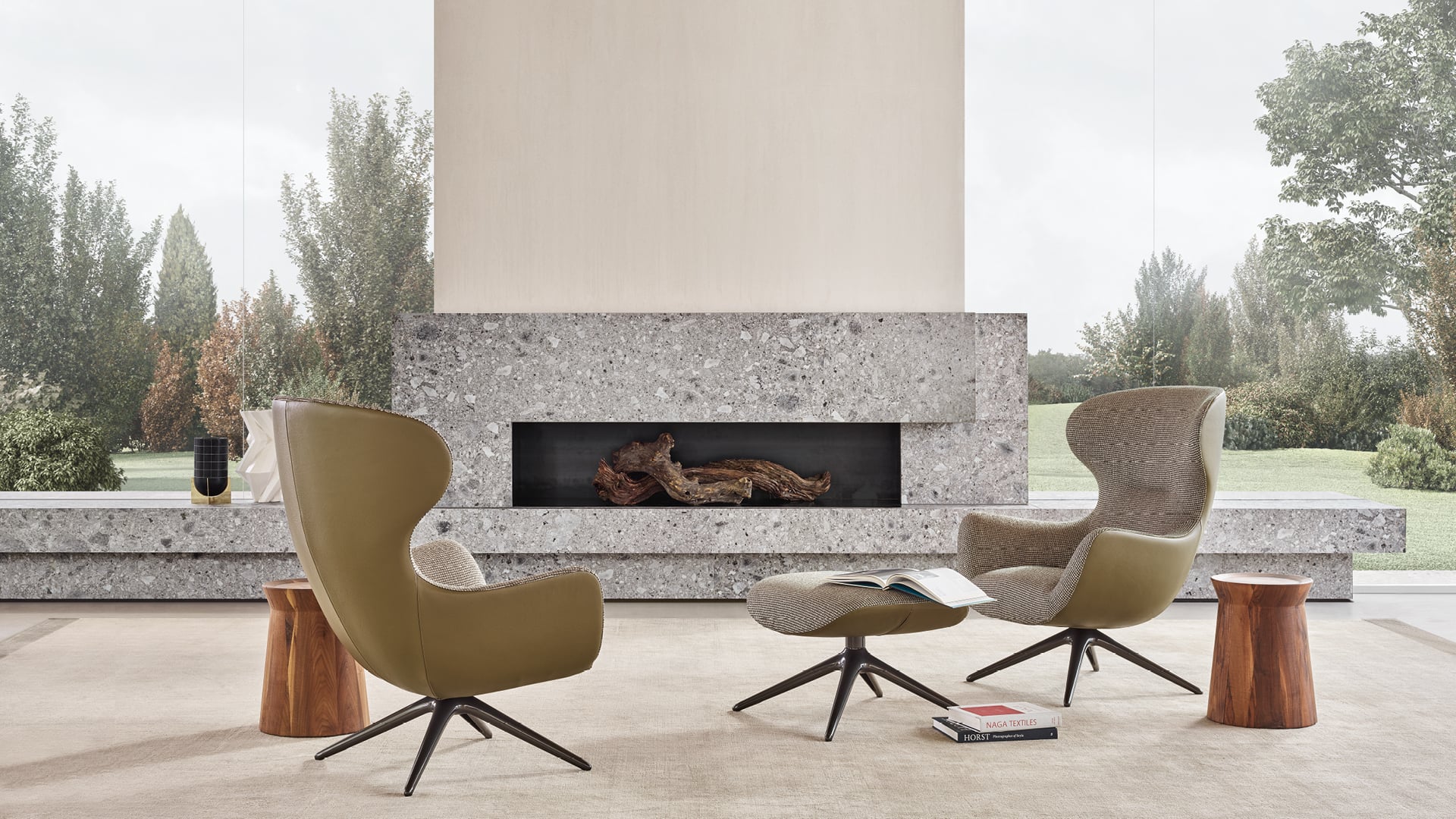
In the centre of the living room, two Sydney sofas positioned symmetrically define the seating area dedicated to socialising, while the two Mad Joker armchairs in front of the fireplace create a more private corner. The stone architectural elements, with their geometric and precise shapes, outline and frame the landscape.
The dining room

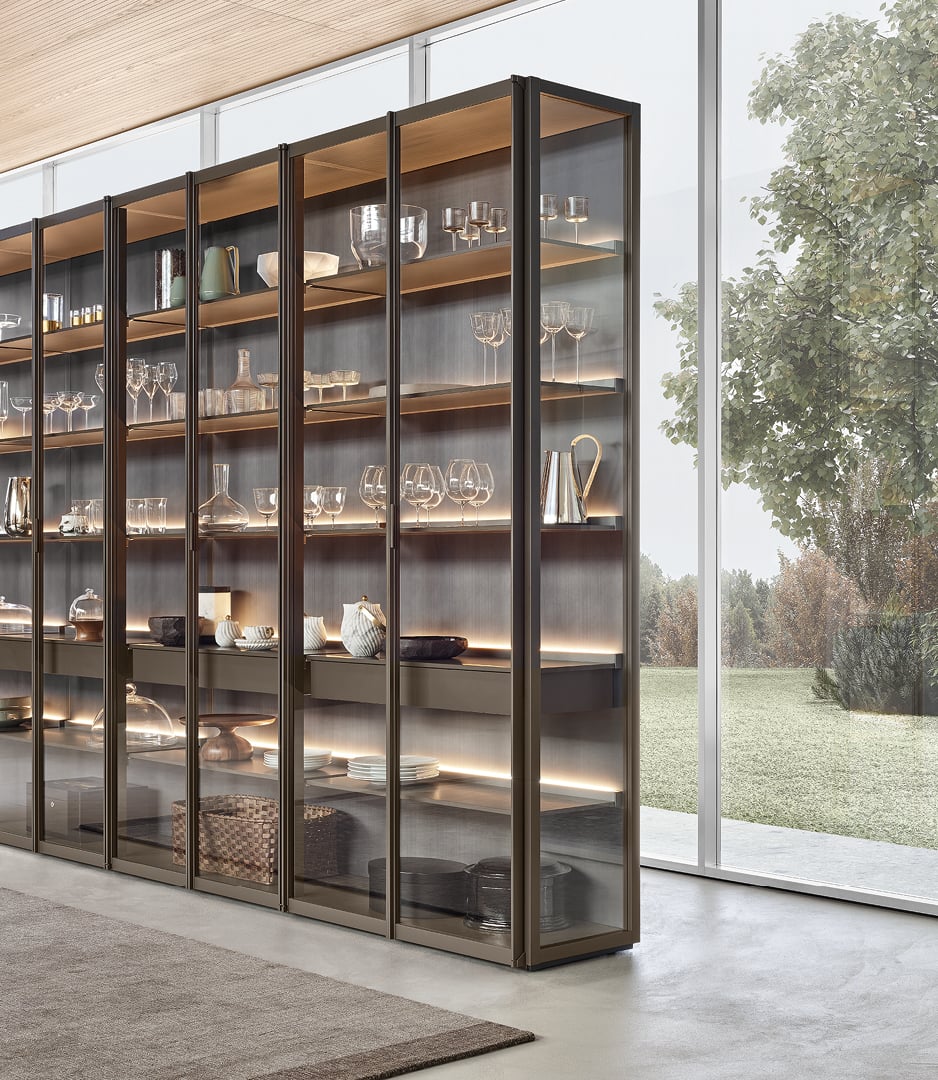
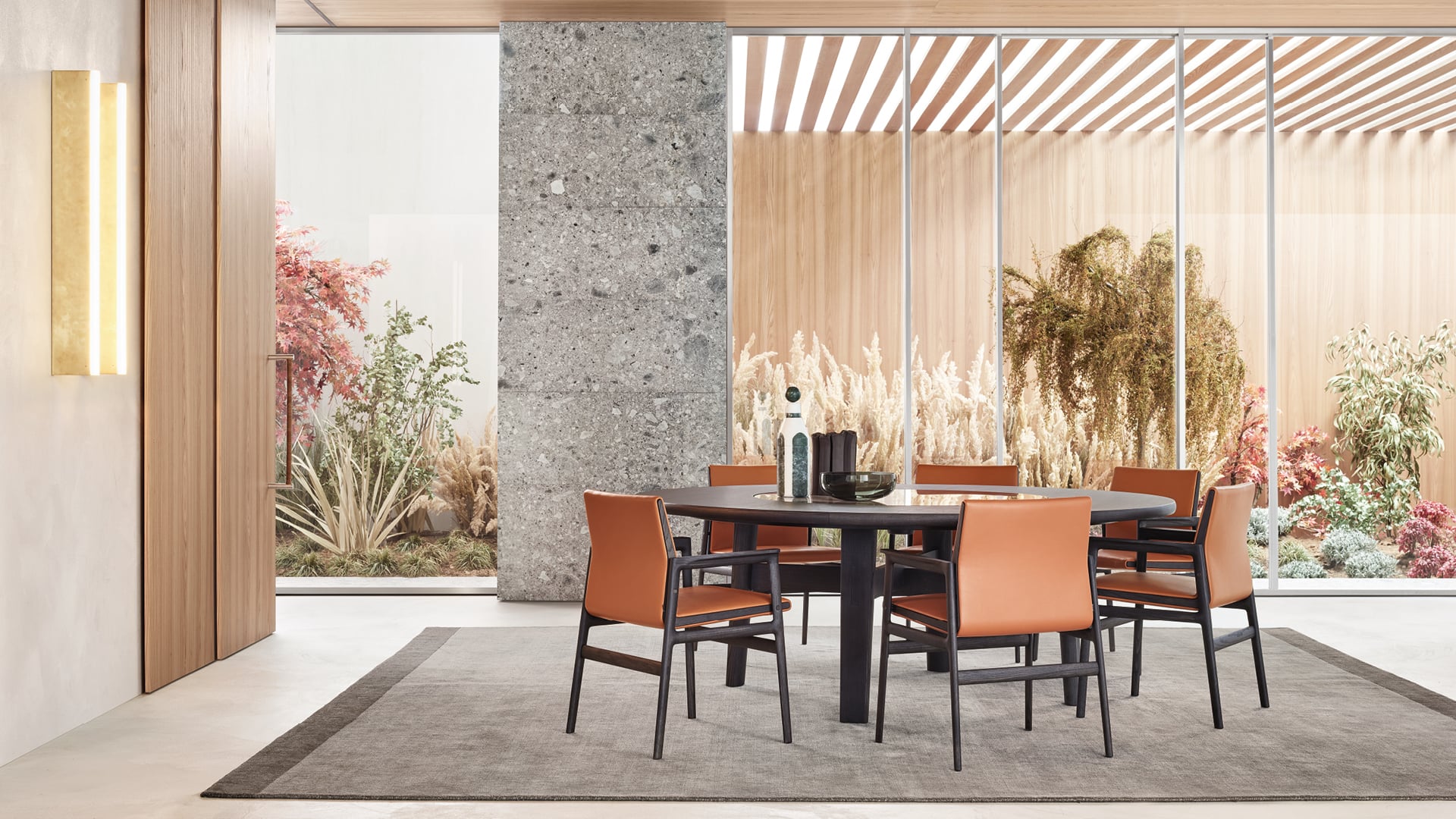
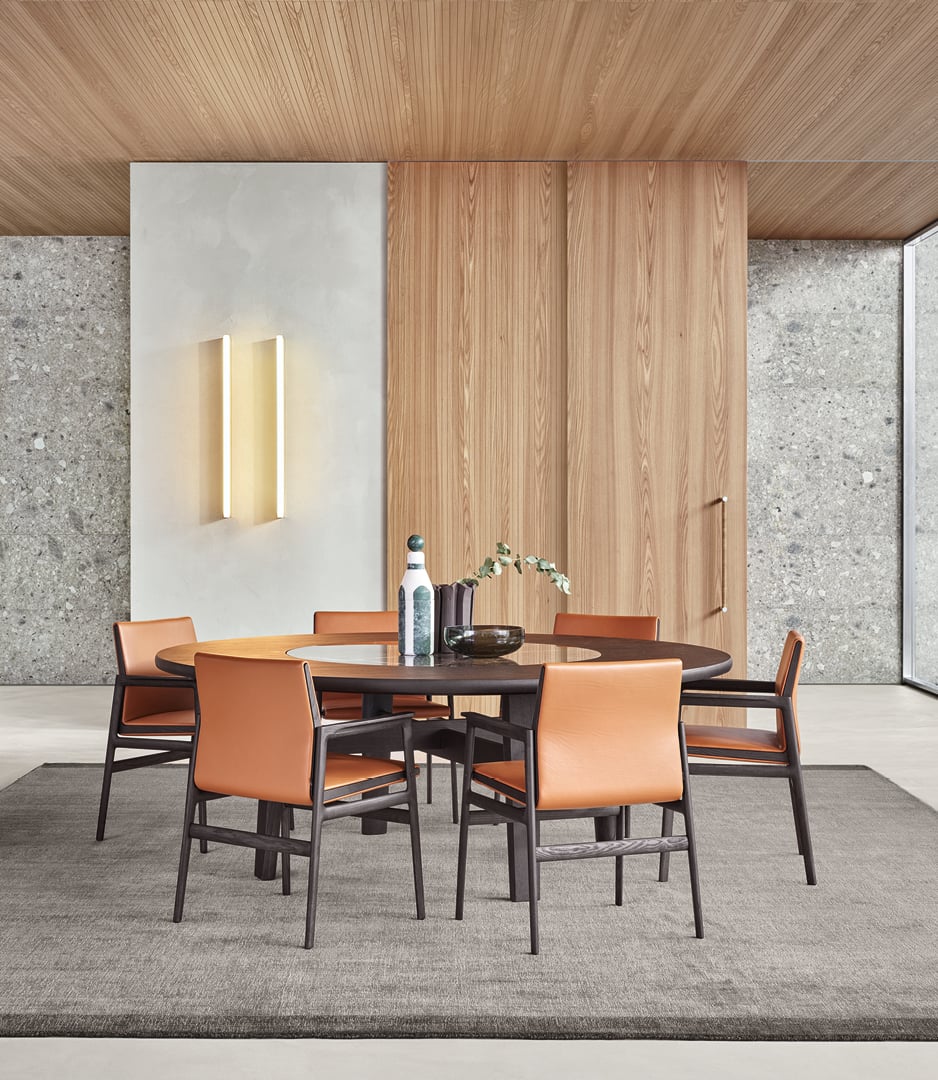
The dining area is inspired by timeless elegance. The living room system featuring glass doors reinterprets the classic sideboard in a contemporary way: it accompanies the round table with a central swivel element, the focal point of social moments. The colours become warm and the materials natural, to enhance the feeling of wellbeing.
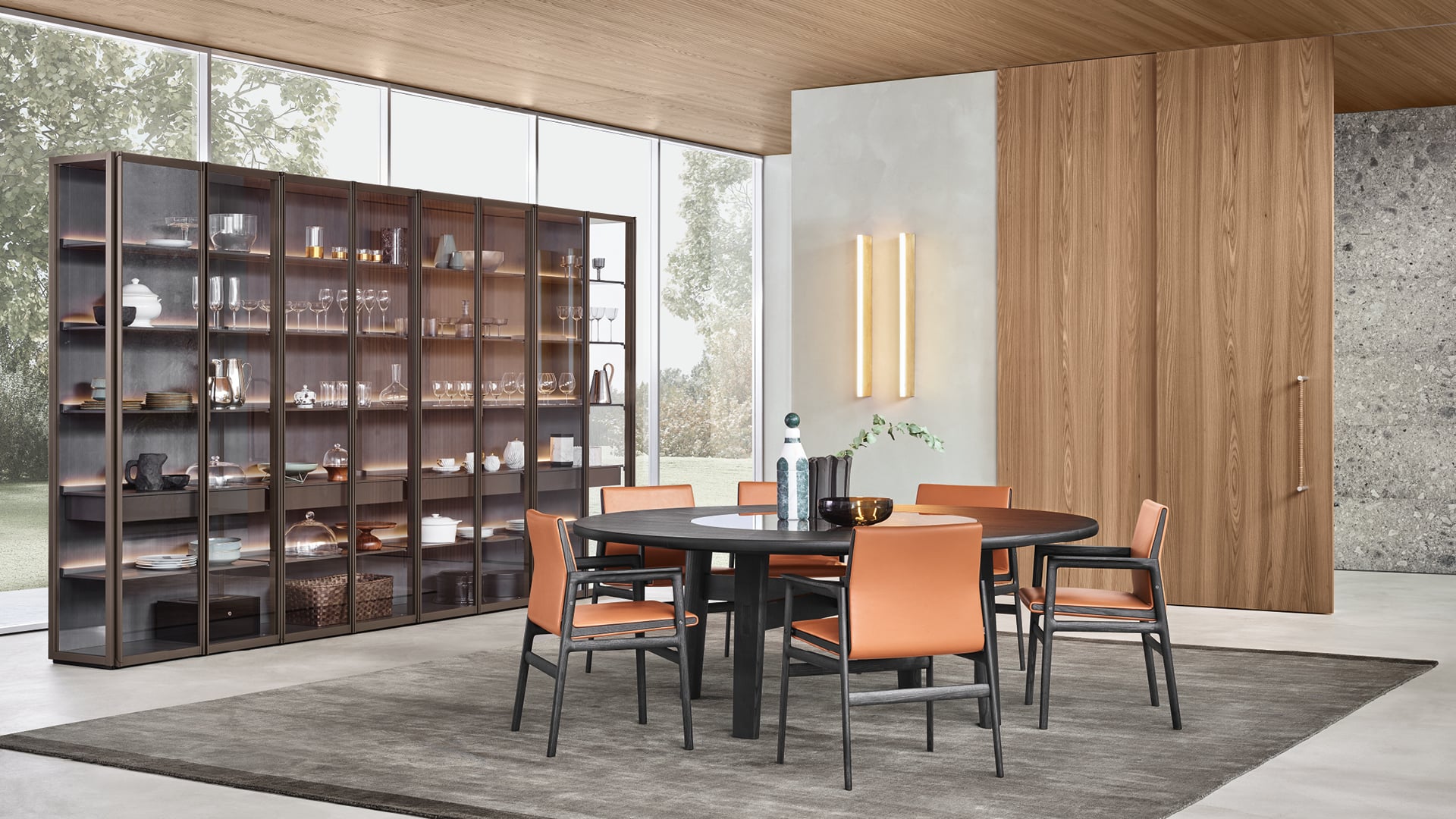
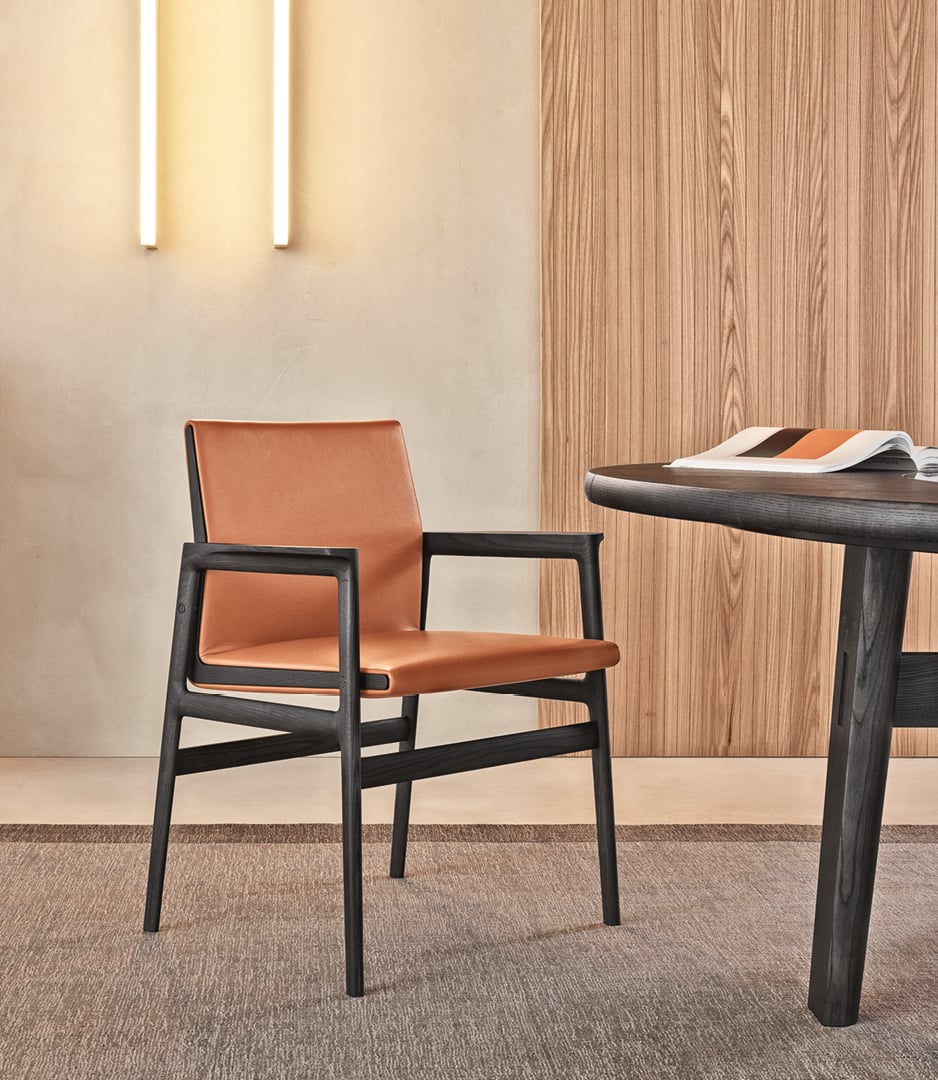
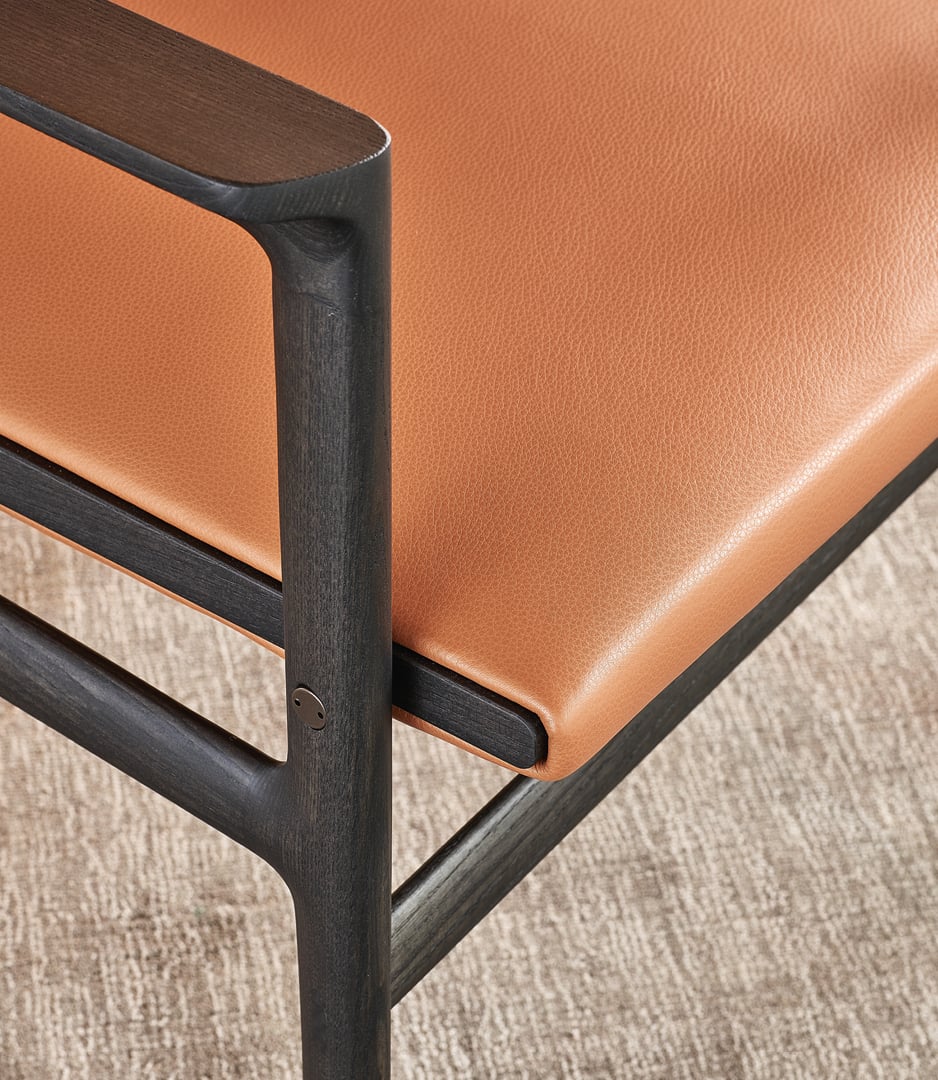
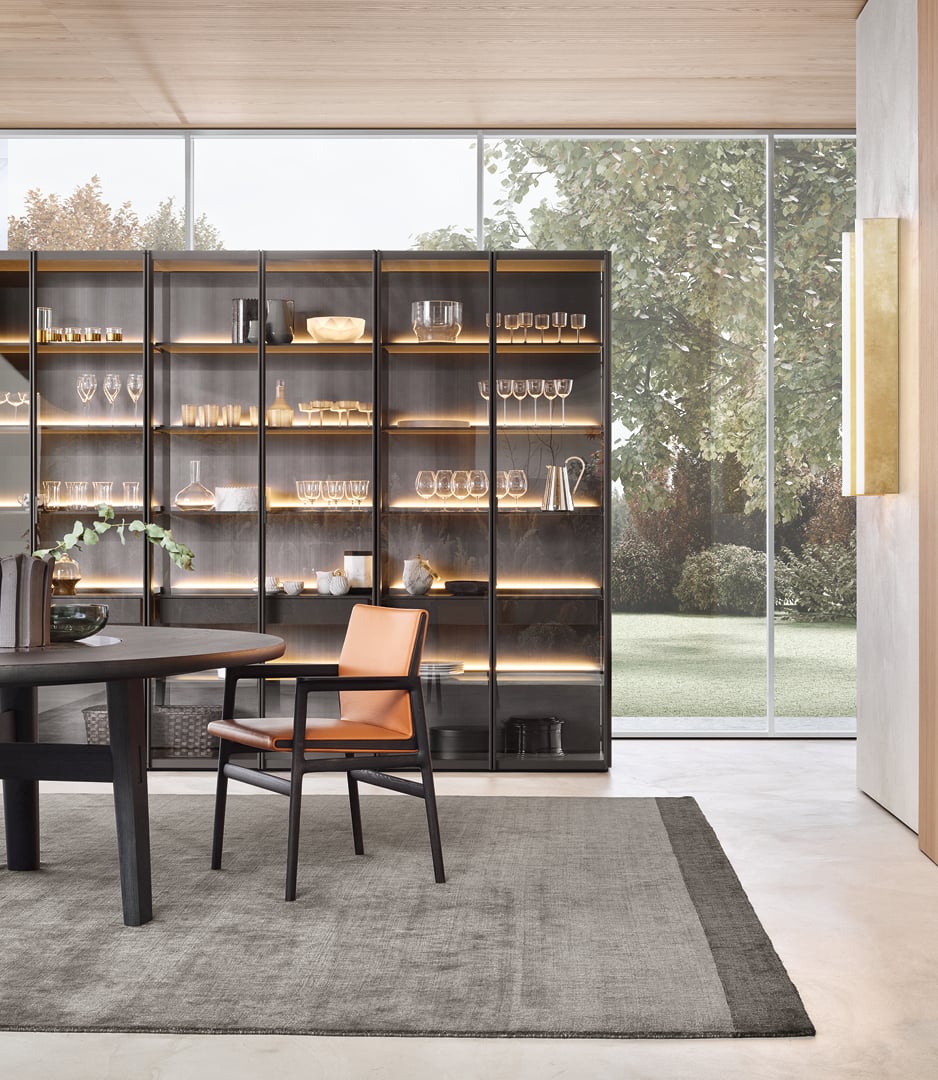
The Wall System is the same as in the living room, but here it is interpreted as a sideboard, with glass doors that allow a glimpse of the elegantly organised interior. The round table creates greater intimacy among diners, while the Ipanema chair, with its slender lines, provides both visual lightness and aesthetic refinement.
Michael Anastassiades


Michael Anastassiades is a cultured and refined designer who has made minimalism the stylistic code of his work. In his studio, which he founded in London in 1994, he creates objects of extraordinary beauty, with a special fondness for the world of lighting. He is widely recognized as one of the most interesting designers of these years, and some of his works have entered the permanent collections of museums such as the V&A in London and the MoMA in New York. The images taken at Michael Anastassiades’ home, in London, of-fer an intimate portrait of unexpected intensity. From Cyprus, his country of origin, to the memory of the meeting he had during college with the Scottish artist and sculptor Eduardo Paolozzi. And then the collection of stones gathered around the world, the artistic research, the designer work, to finish – almost by chance, an object forgotten distractedly on the bed – with an image that tells of an idea of beauty: minimalist, functional, perfect."

The kitchen

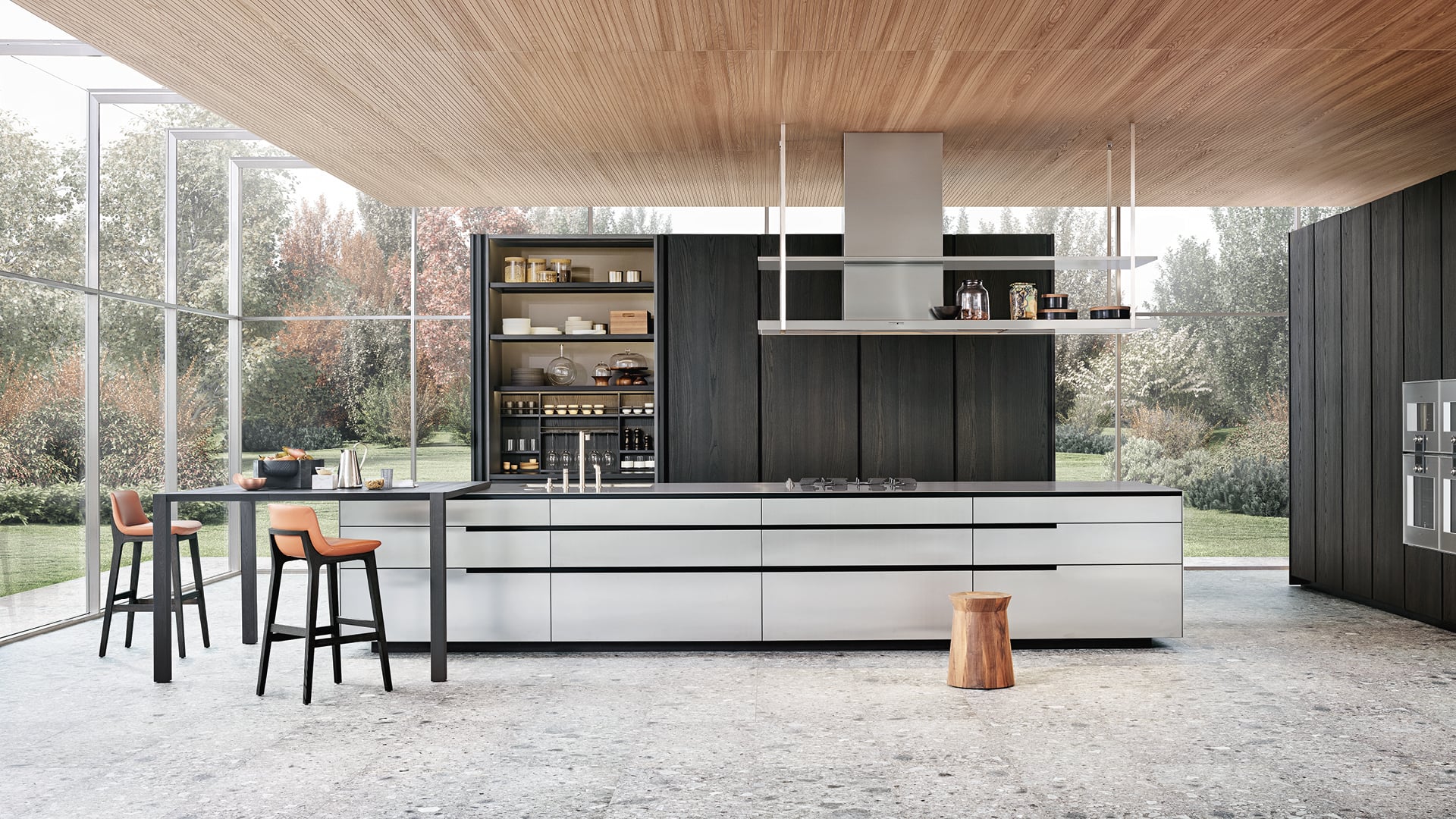
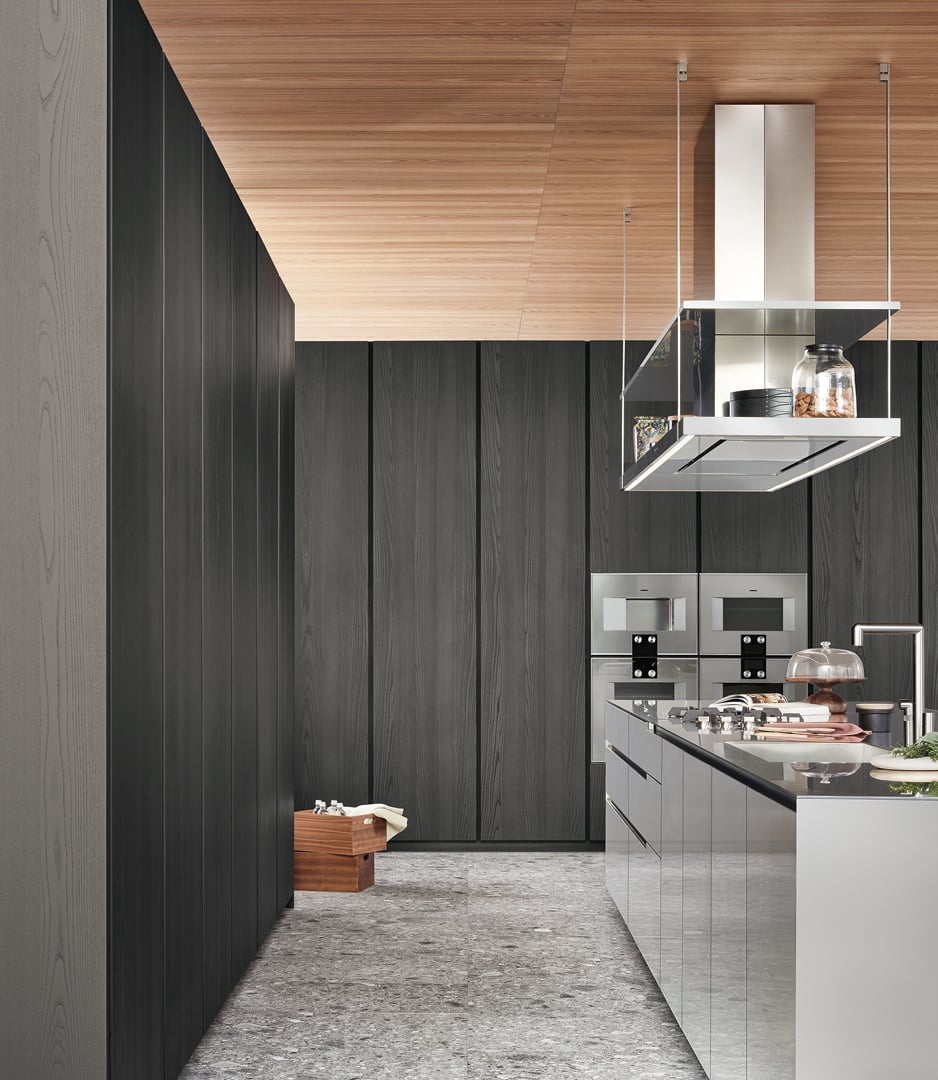
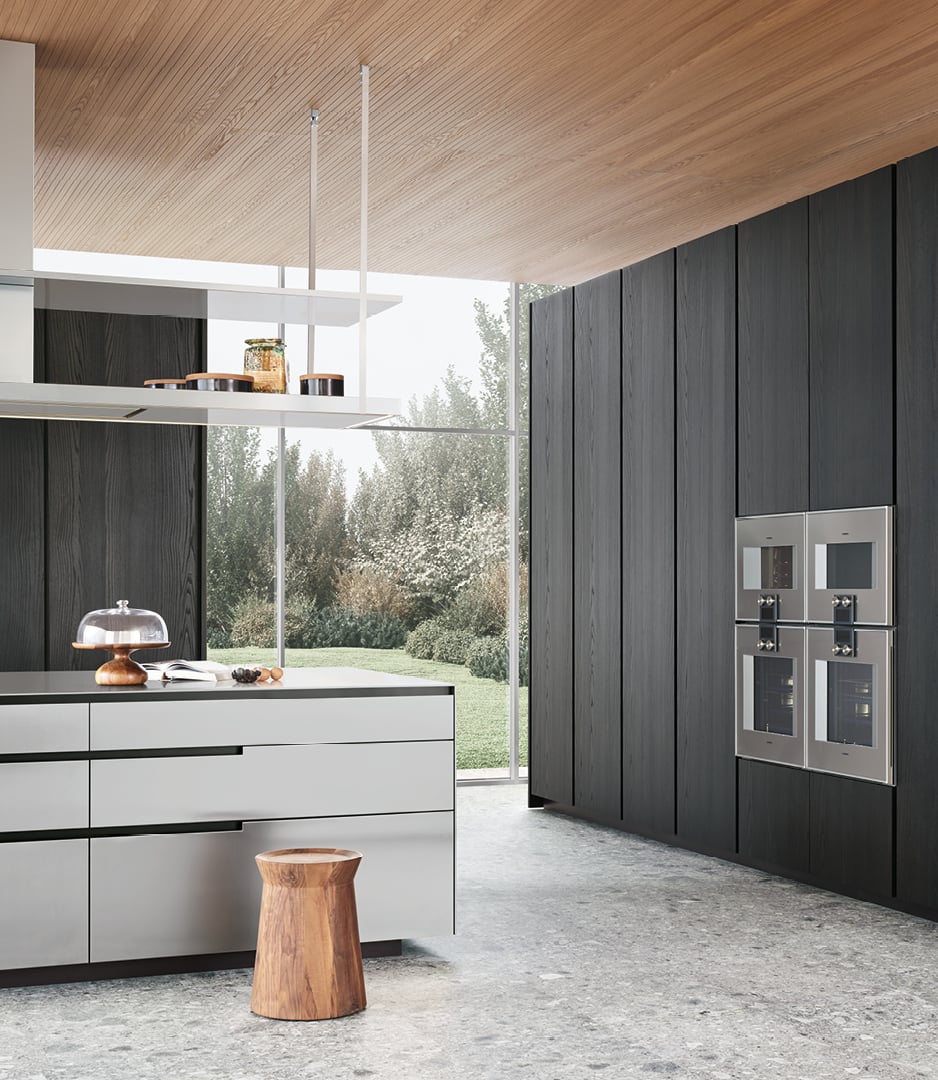
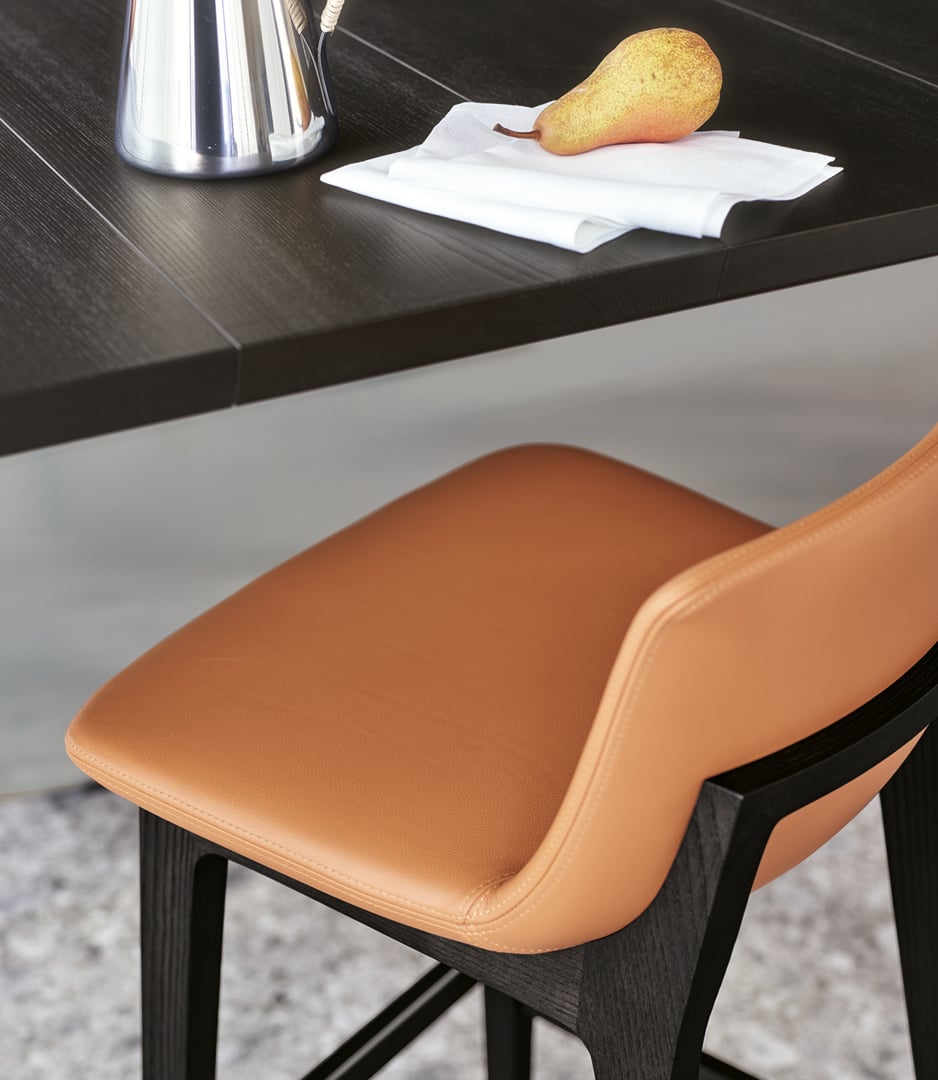
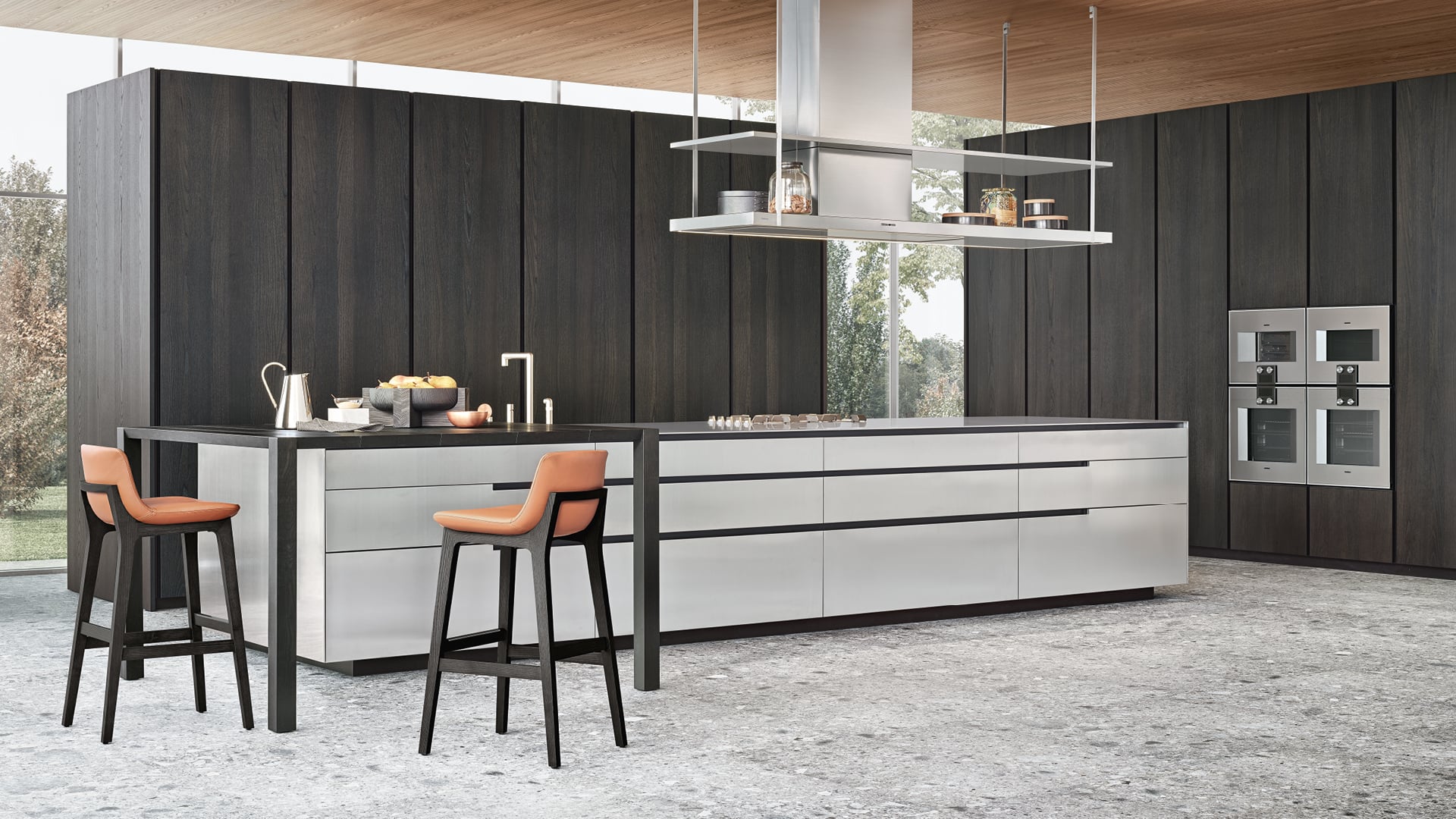
In the kitchen, the central steel island with its technical and professional appearance stands out among the perfectly equipped monolithic black elm columns, which also serve as an architectural backdrop. The finished surfaces of the snack counter and stools echo those of the dining area, continuing the theme in a more intimate and domestic setting.

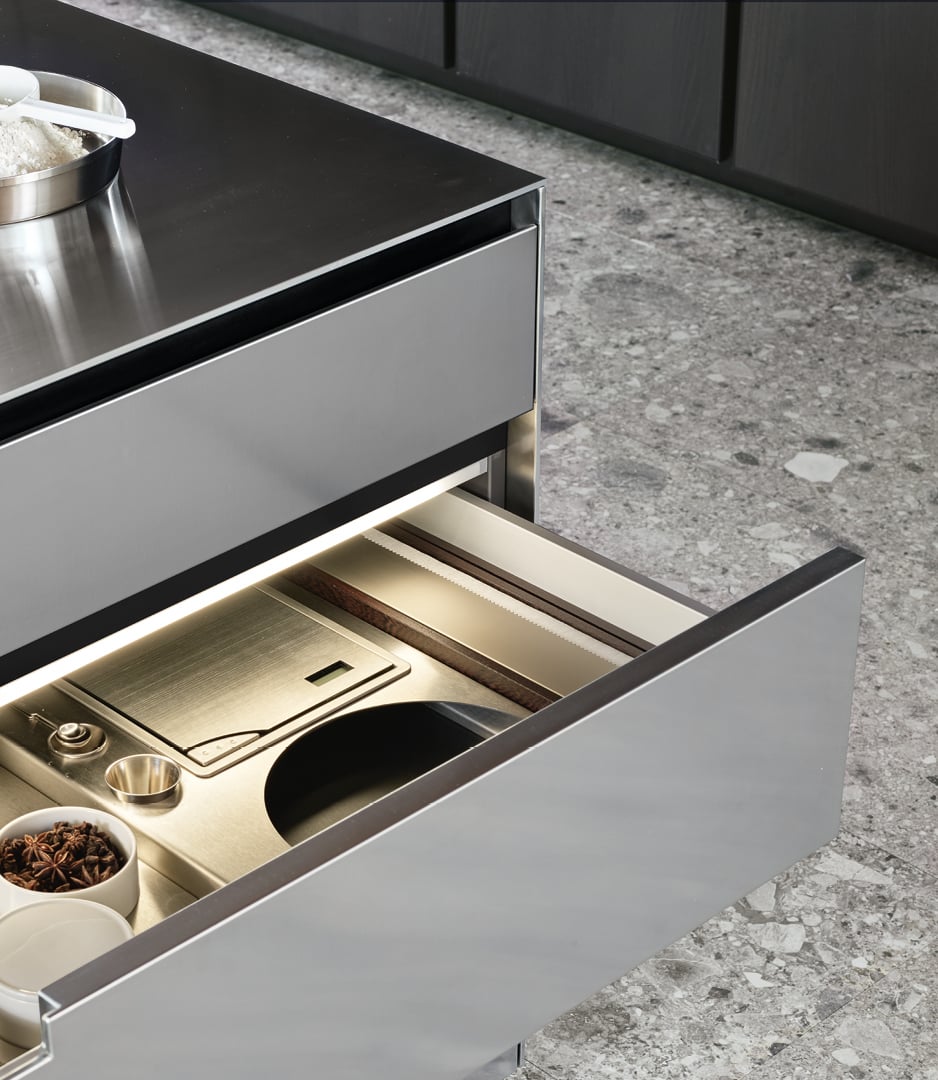
The Phoenix kitchen is characterised by the horizontal design of the recessed handle, which transforms a technical detail such as the handle, fundamental for improving the user experience in the kitchen, into an aesthetic detail. The design echoes the architecture, blending in perfect harmony, even in terms of finishes.

The second living room

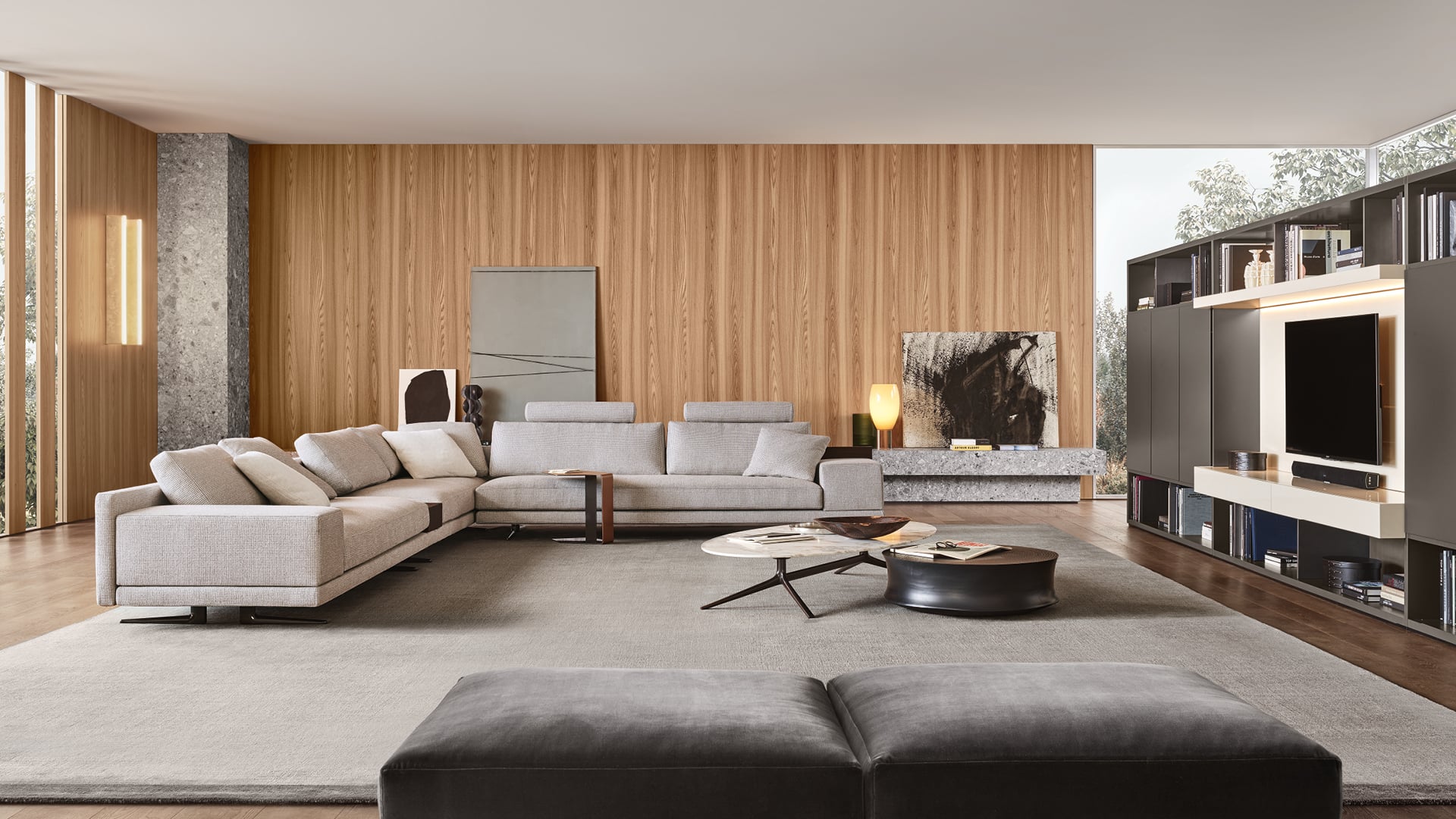
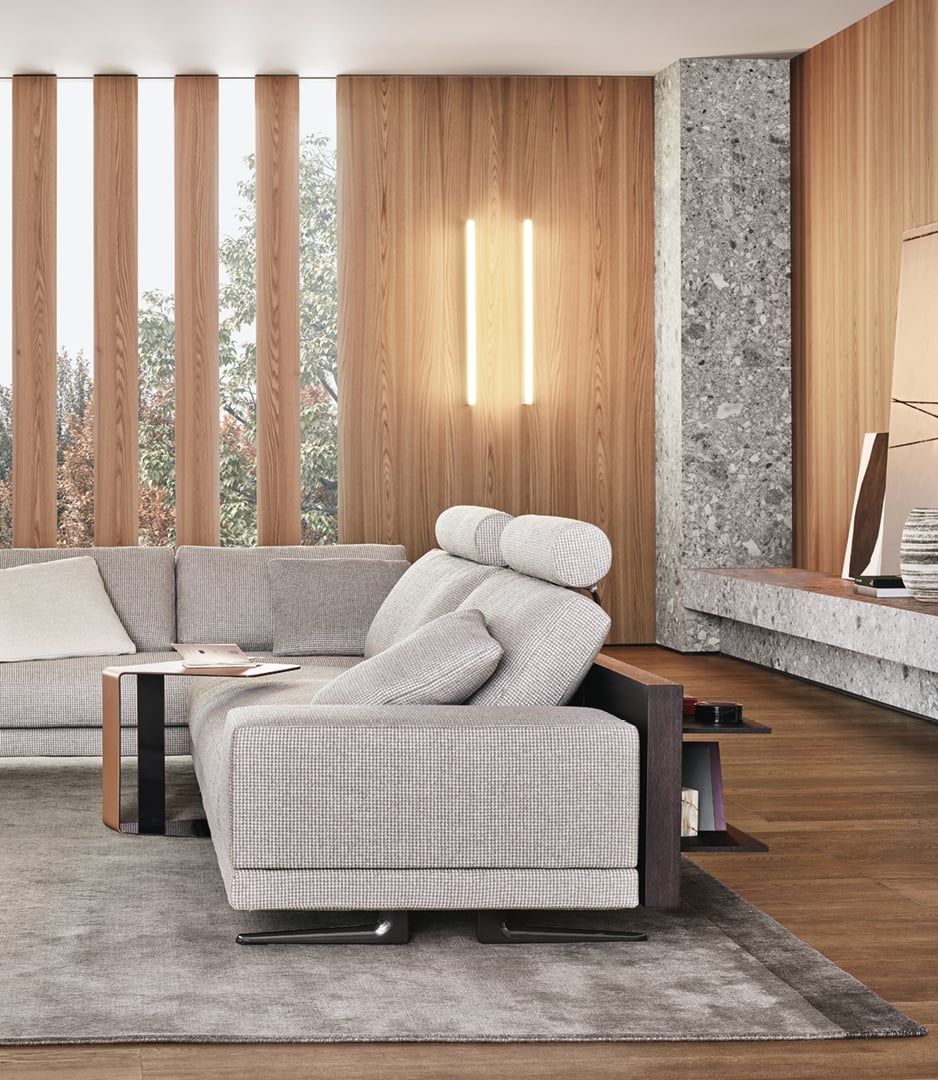
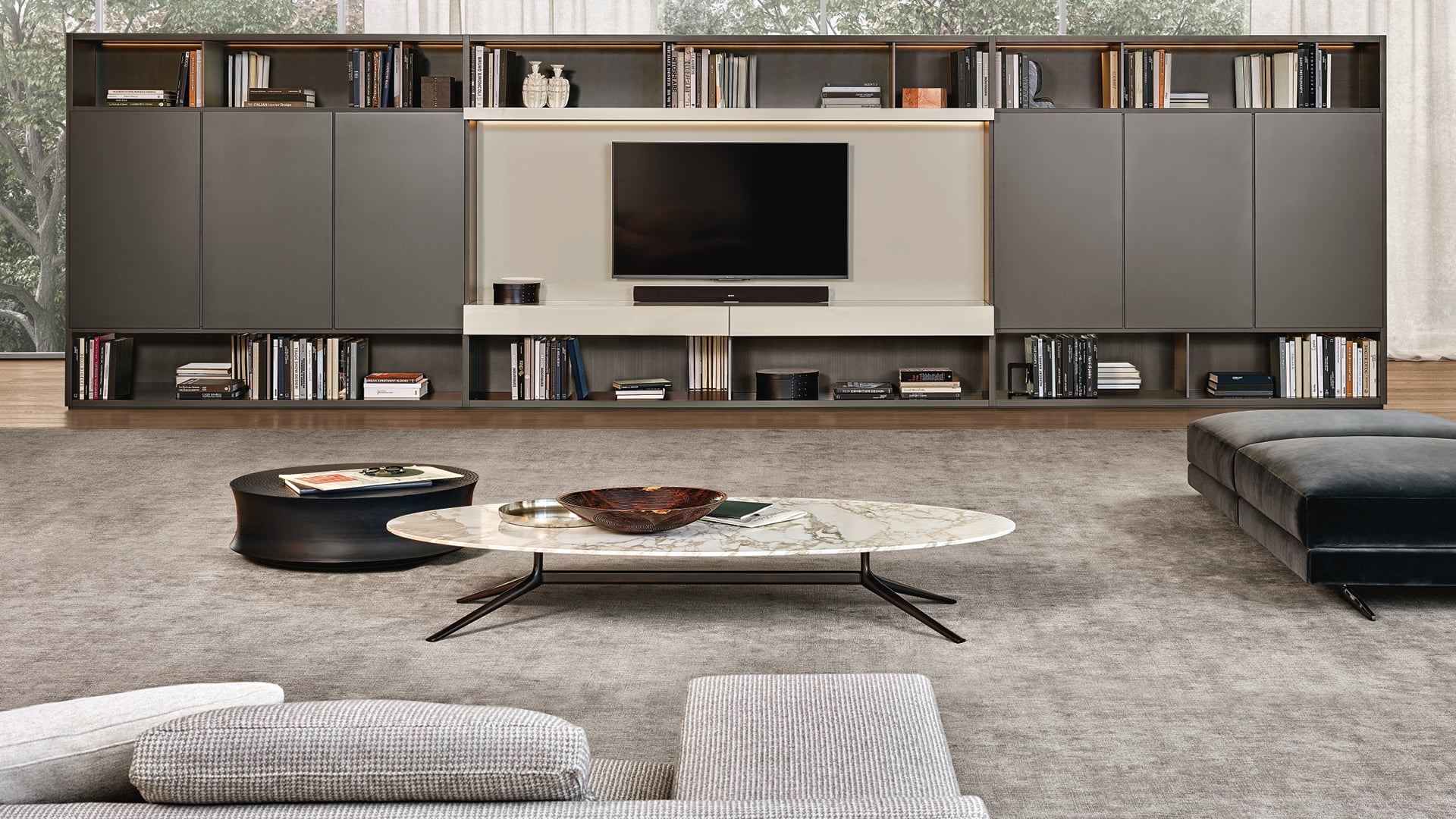
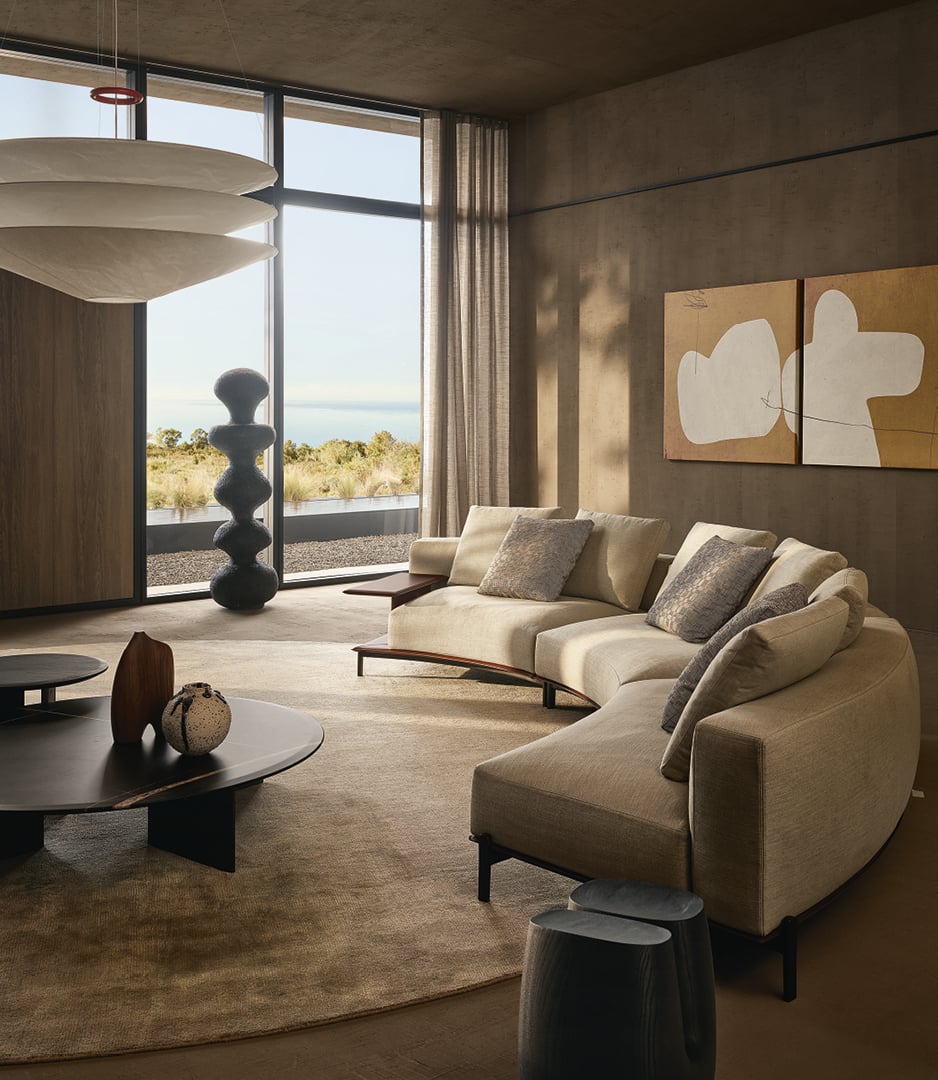
A private lounge for moments of relaxation. Here, the stone elements give way to wood panelling, creating a more intimate and warm atmosphere. The sofa is distinguished by its deep seats and accessories such as headrests and coffee table, which enhance its practicality. The more traditional L-shaped configuration is designed to provide an optimal view of the screen, which is incorporated into the wall-mounted system.

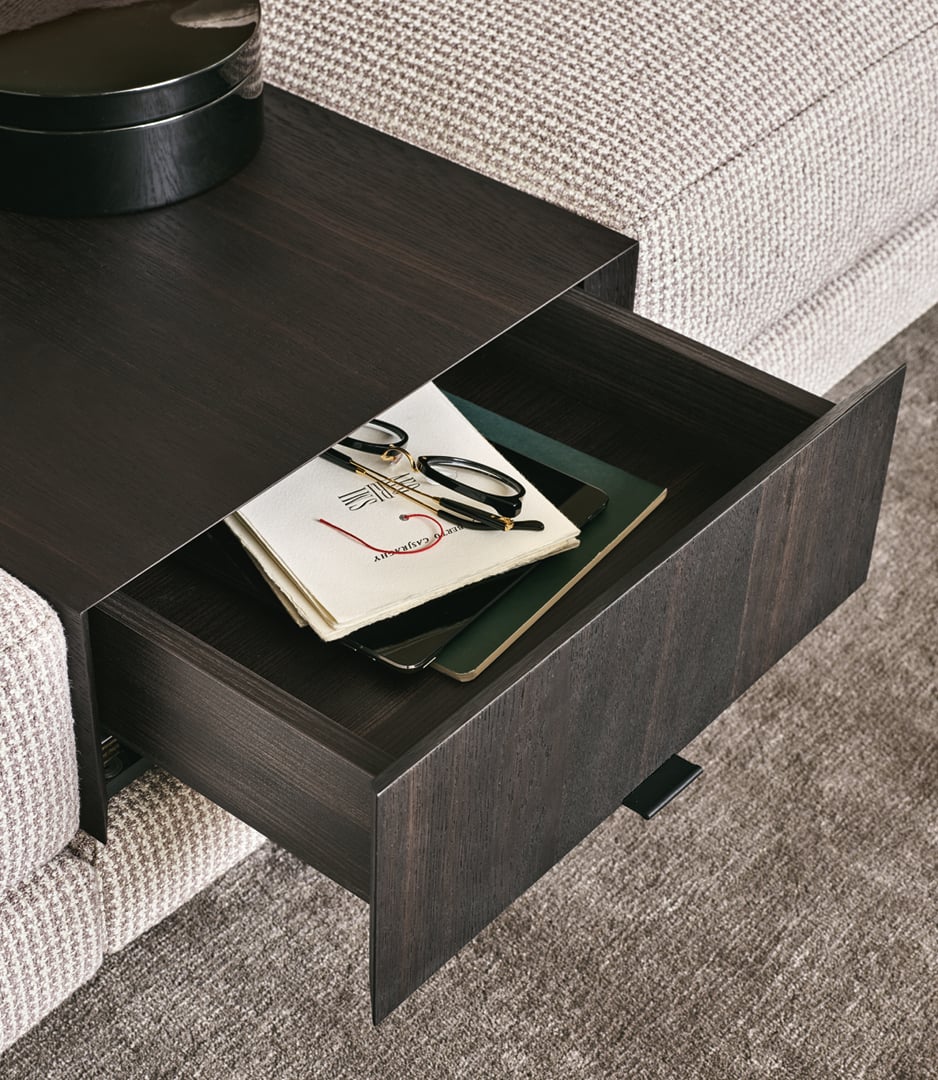
In keeping with the villa’s aesthetic, the Mondrian sofa is characterised by its minimalist design and a graphic, modern look that makes a strong architectural statement. The configuration focuses on maximum comfort: the seat depth is generous, and the elements are interspersed with wooden tables and drawers. The Day System extends to the rear, with shelves for books and works of art.

Texture

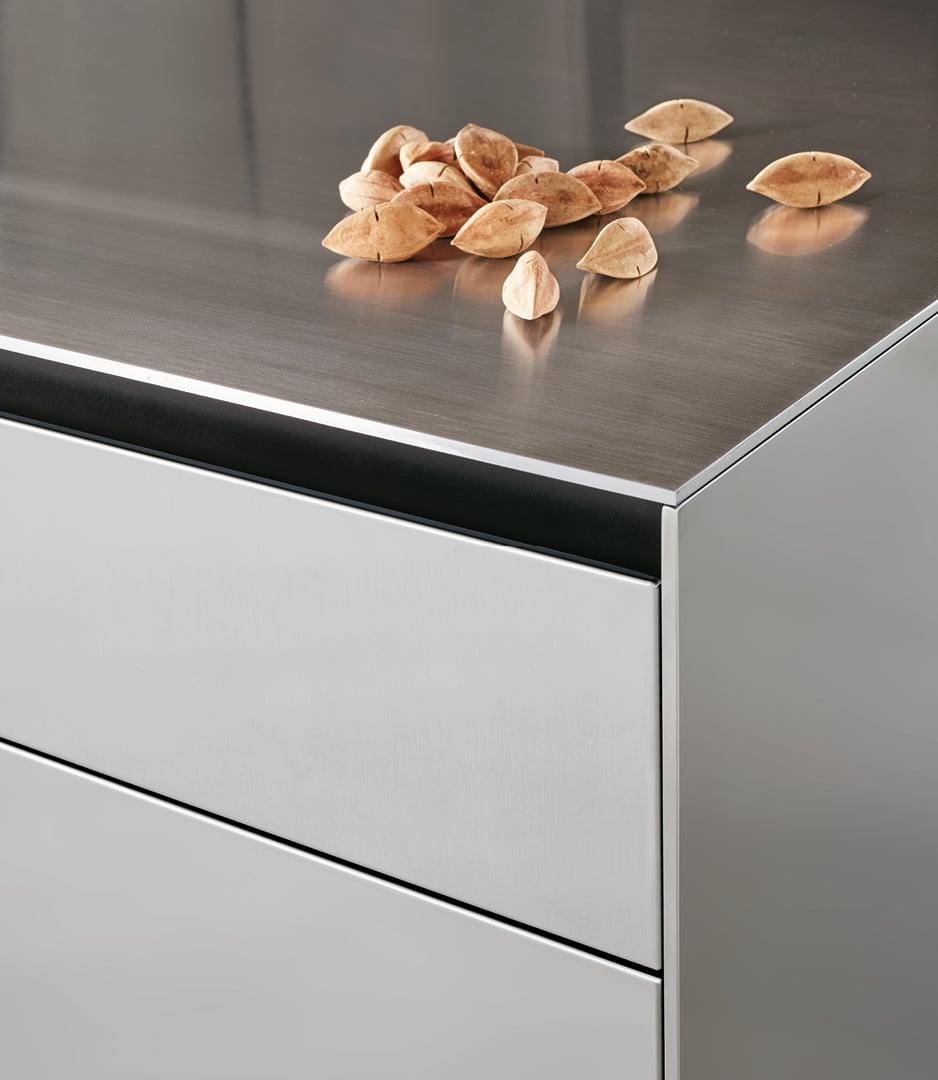
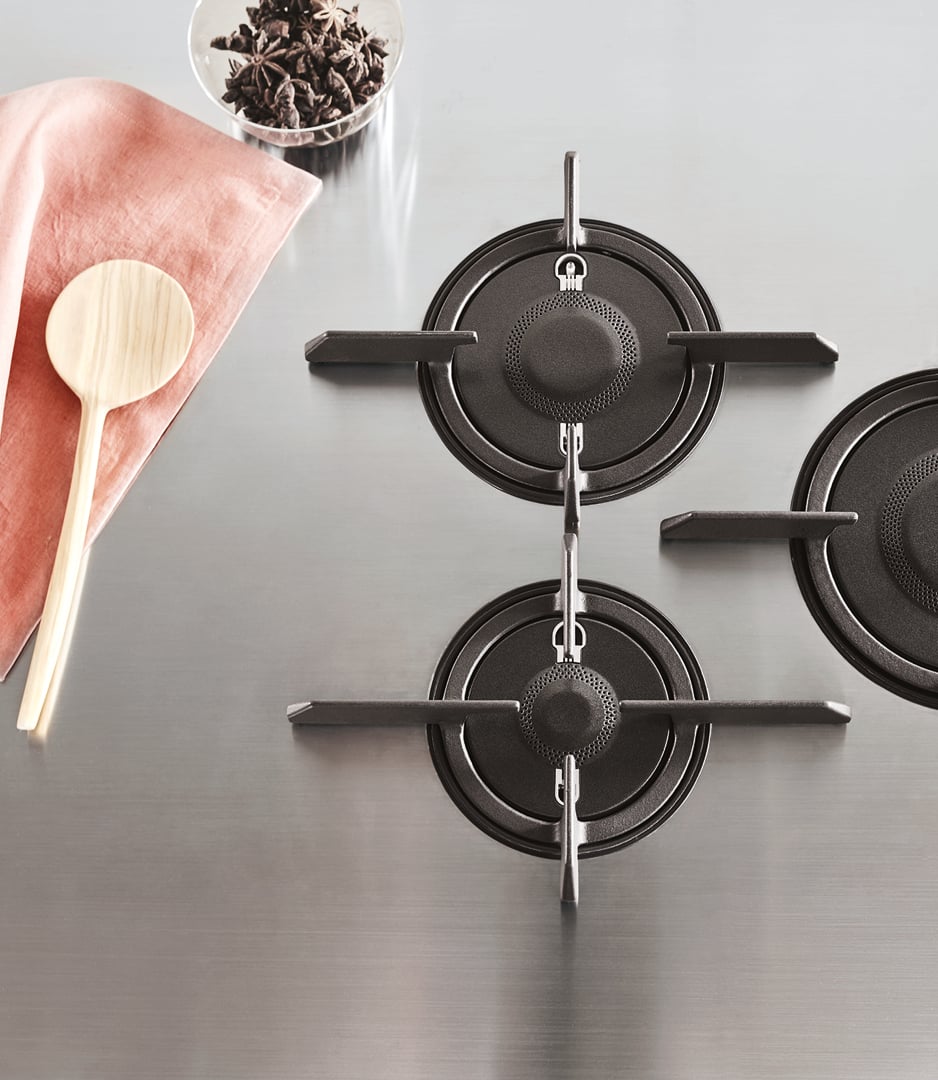
Haw-lin Services is a creative studio founded in Berlin by de-signers Nathan Cowen and Jacob Klein. It is the evolution of a project launched in 2008, an online mood board to collect and share images and inspirations coming from their daily research of designers. Haw-lin.com is still today one of the most interesting and visually innovative image sites, an un-paralleled source of inspiration for anyone involved in crea-tivity. Haw-lin’s style is also reflected in the original works of Nathan and Jacob, who in Texture explored food photography avoiding clichés and drawing inspiration from the visual cul-ture of very distant worlds. In these images, common ingredi-ents are photographed on the surfaces of Poliform kitchens in a minimalistic, pure, and abstract way. The macro effect and the theatrical lighting suggest an unusual point of view on the kitchen, giving us the emotion of seeing something common and familiar in a different and extraordinary light."


The Wardrobe

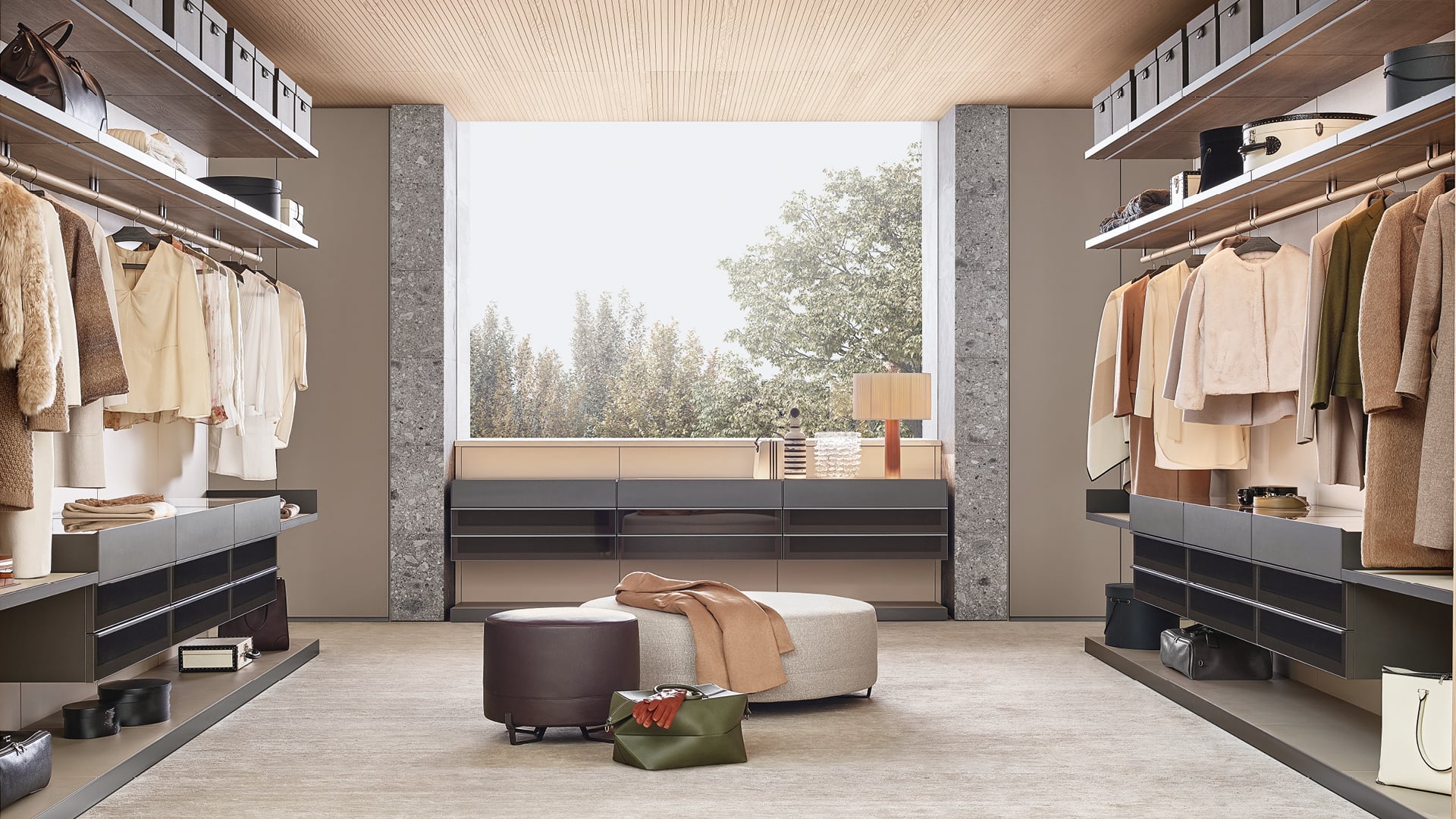
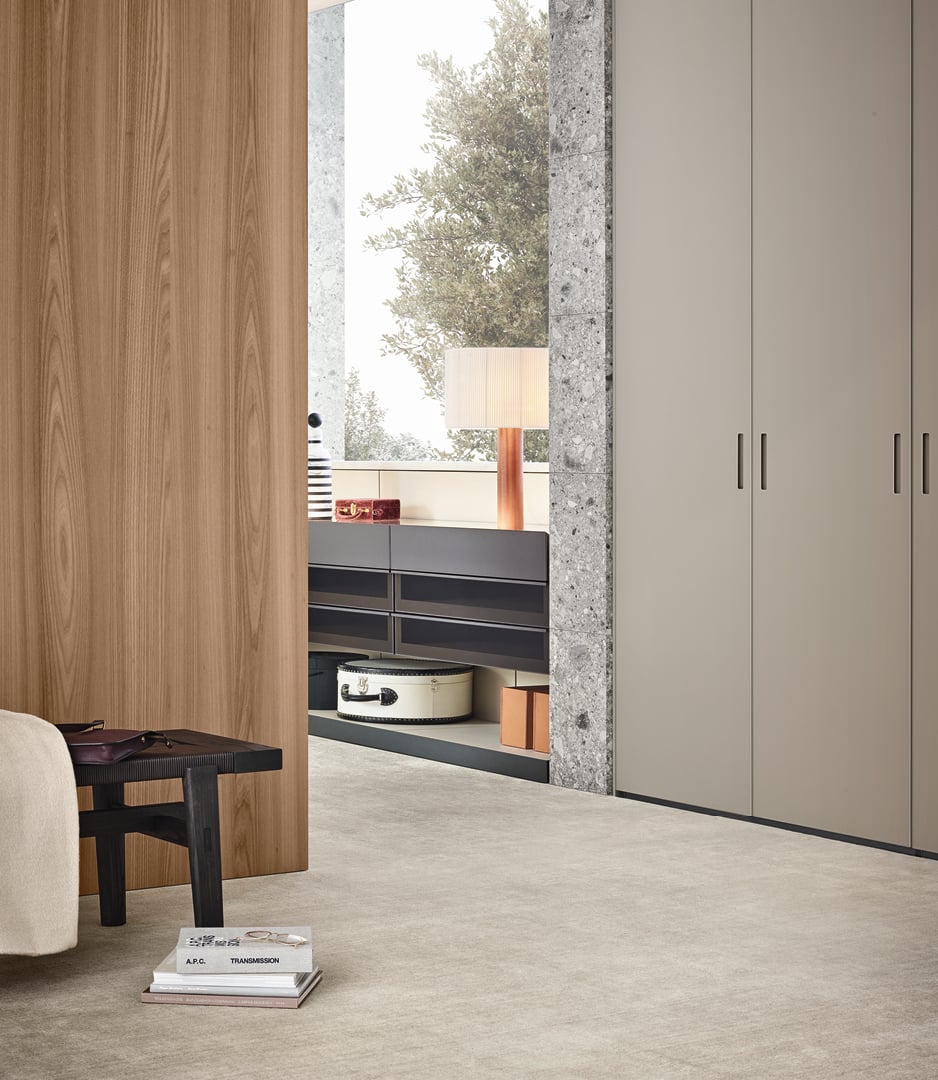
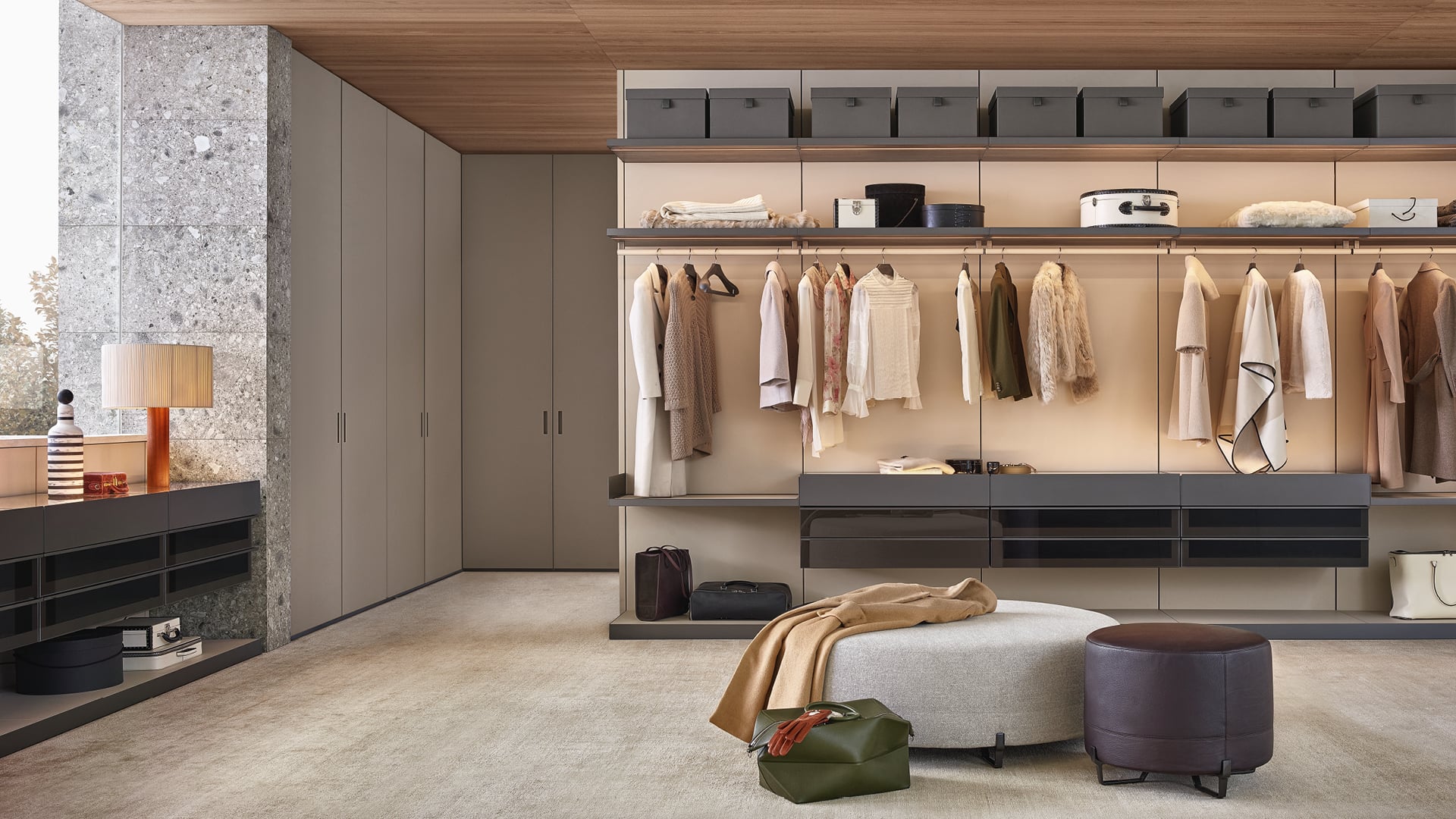
The cloakroom area is spacious and well-equipped. The closed wardrobe area coexists with a large, perfectly organised walk-in wardrobe, where two footstools make the space more cosy, almost like a living room where you can pamper yourself rather than a functional space.

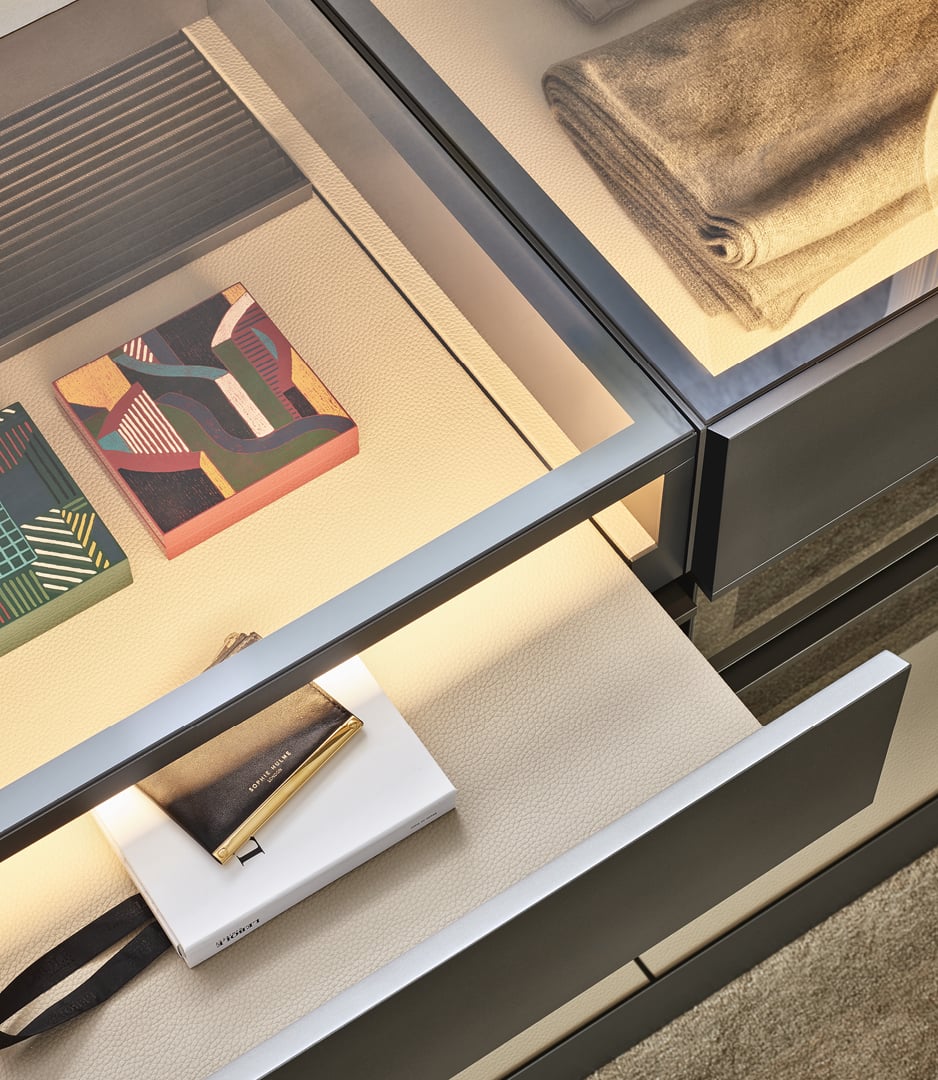
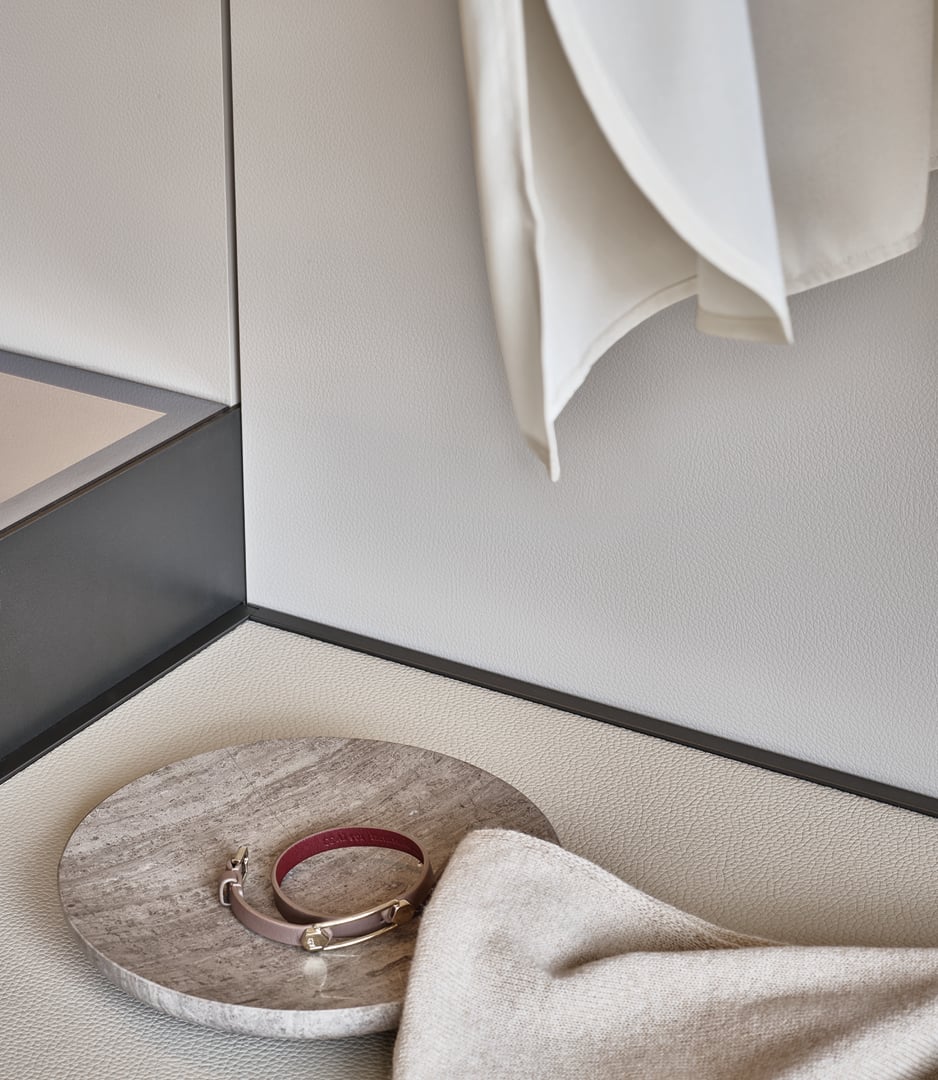
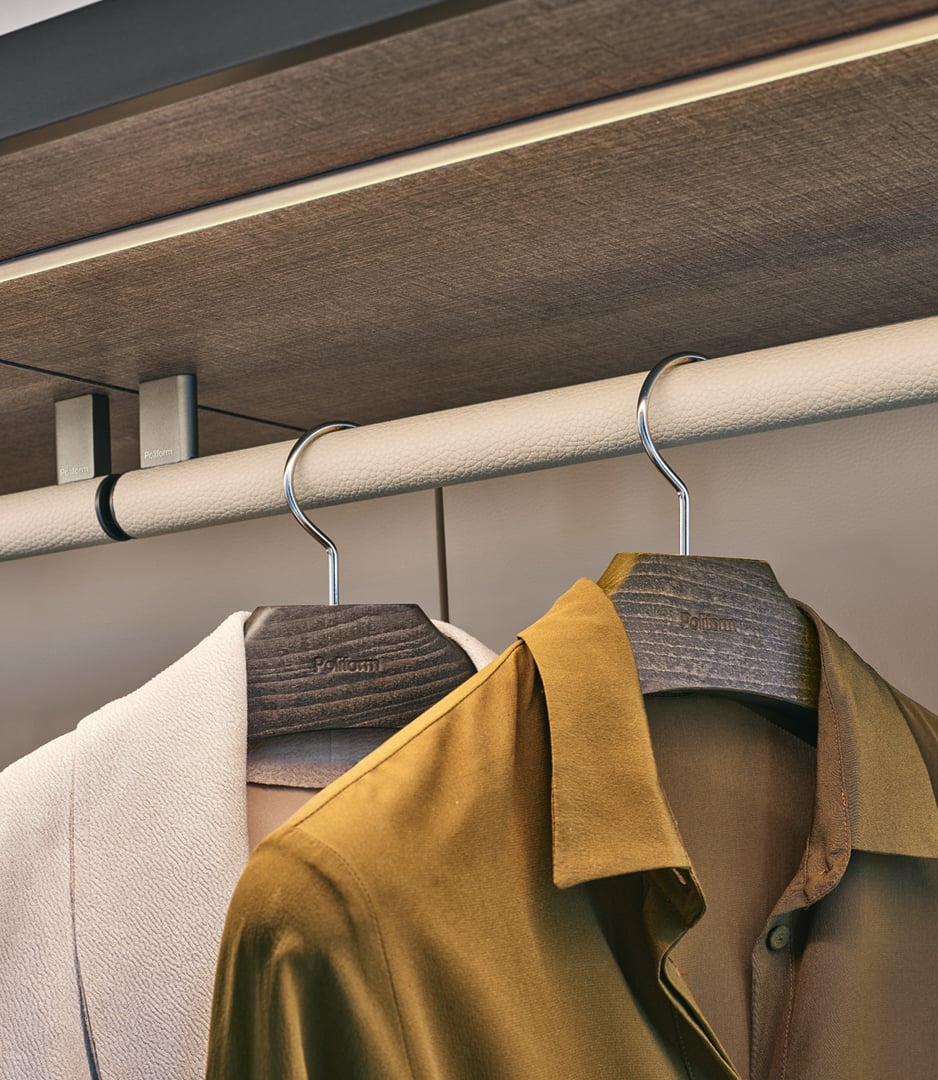
While the classic Senzafine was chosen for the wardrobe area, the walk-in wardrobe is Ubik, which combines boiserie panelling and a rack system. Sophisticated and lightweight, it combines flexibility and functionality. High-quality finishes such as faux leather are used down to the smallest details, such as the clothes rail and the bottom of the drawers.

The master bedroom

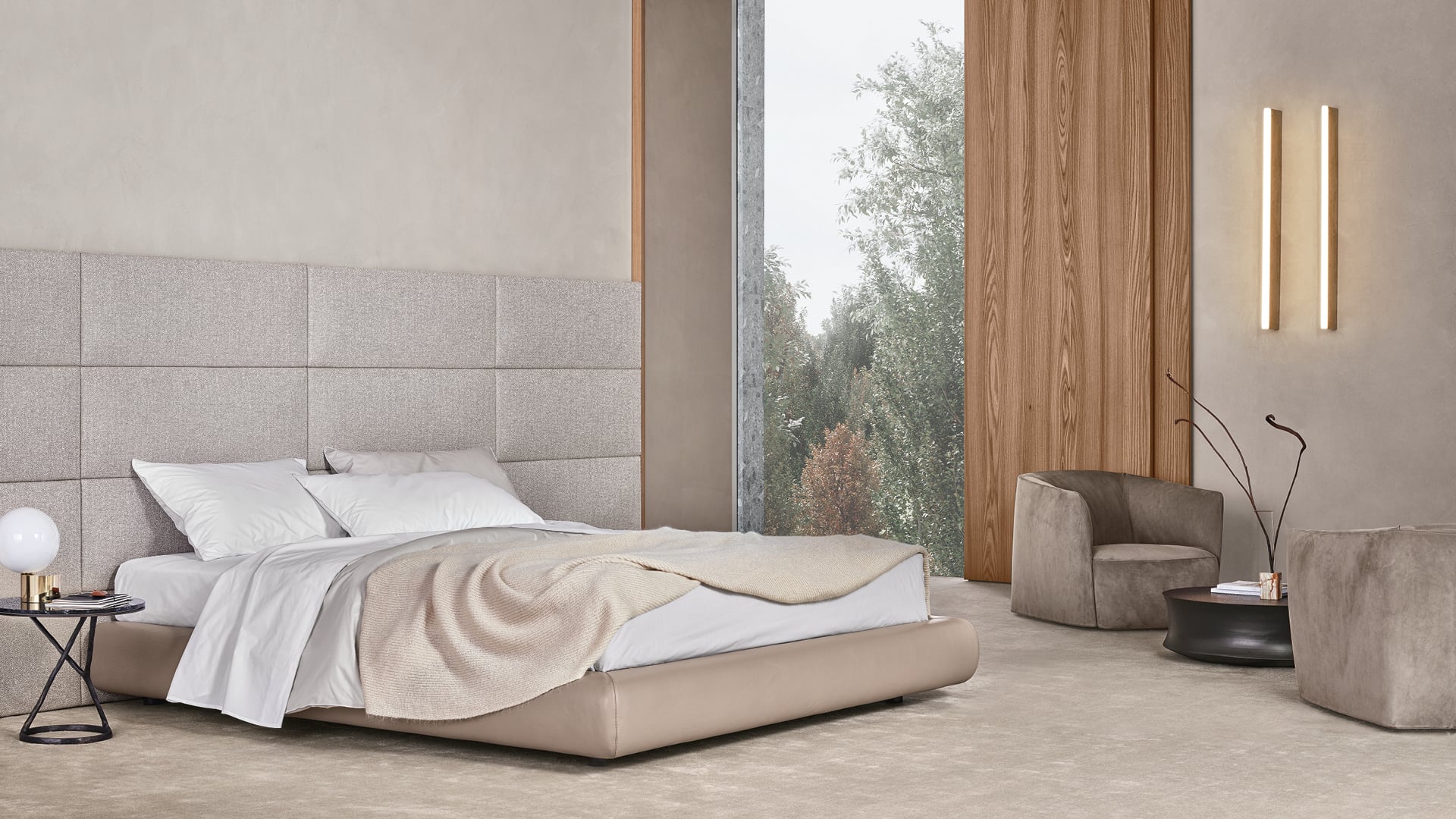
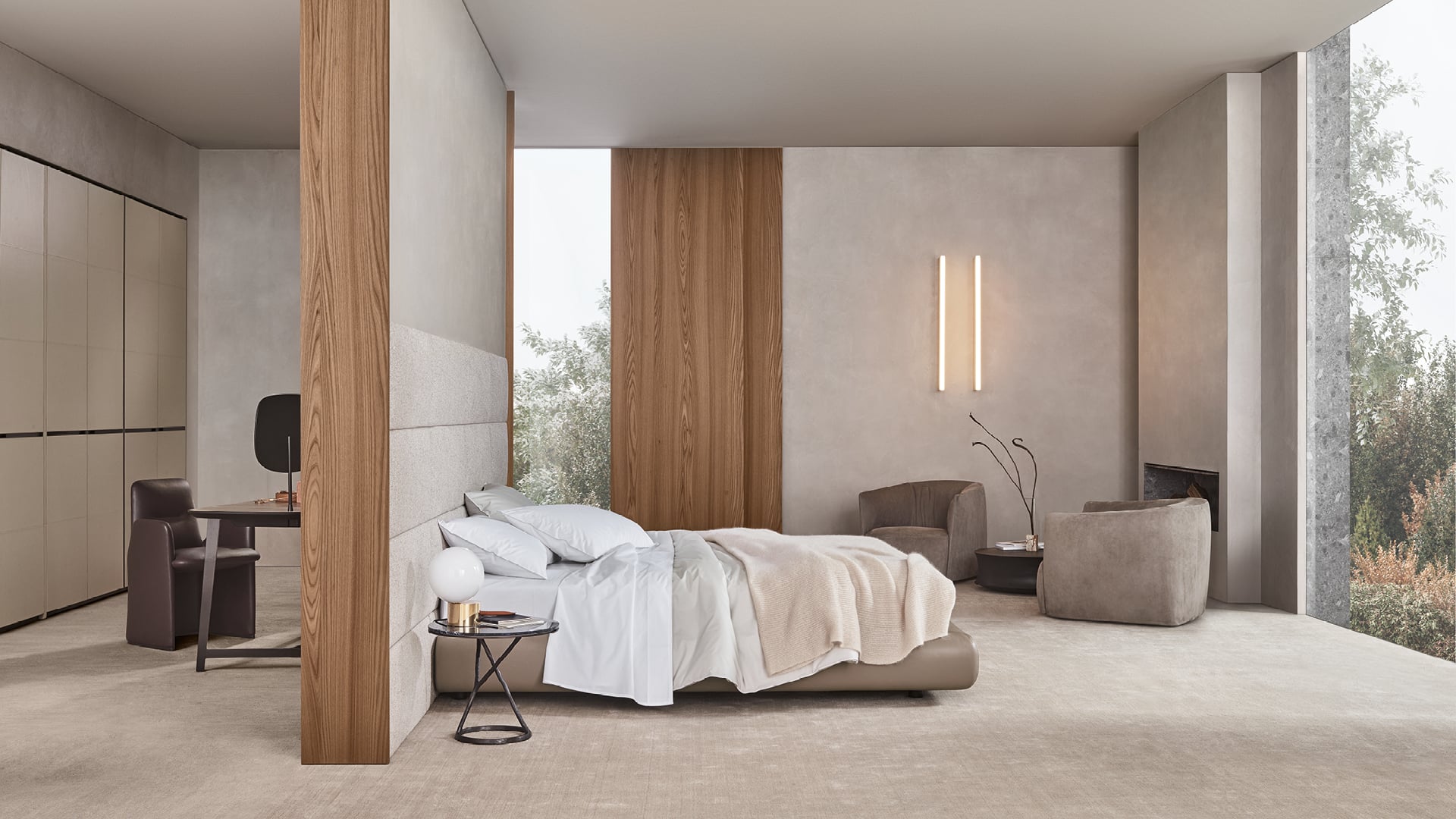
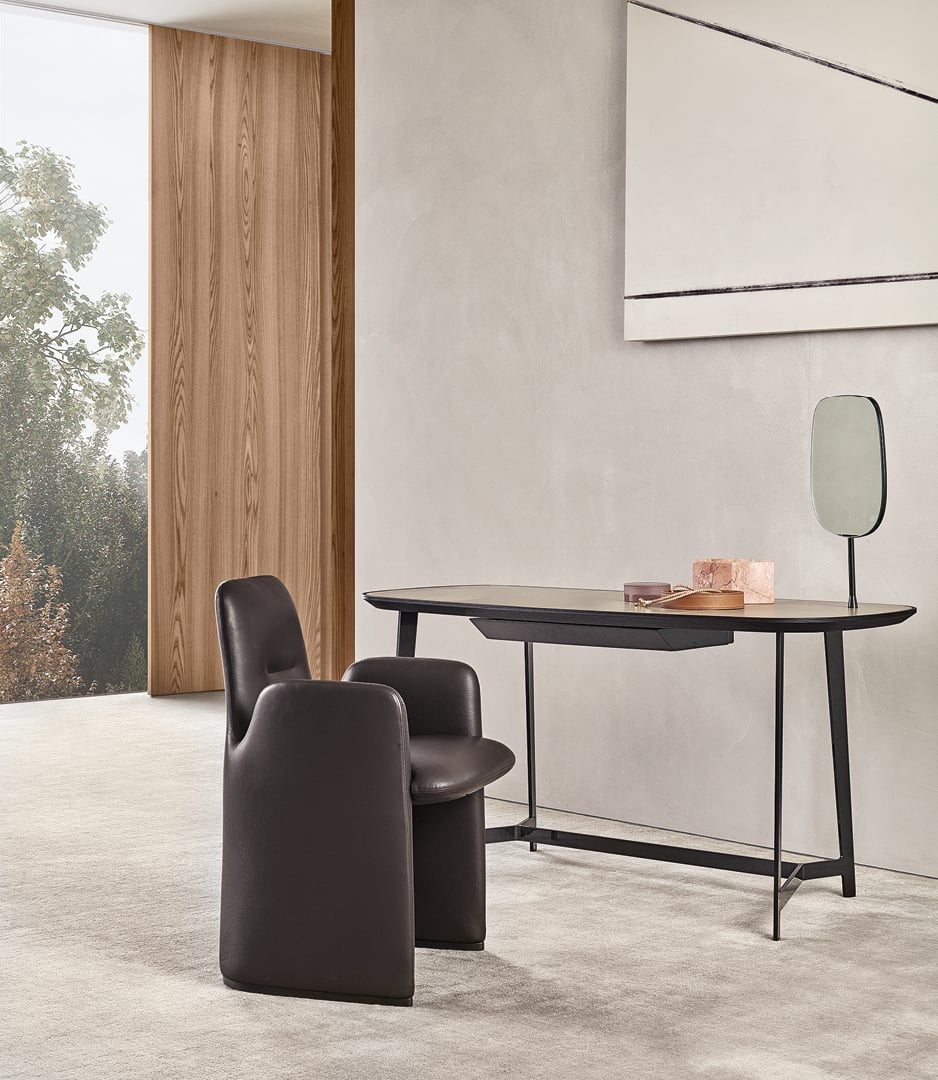
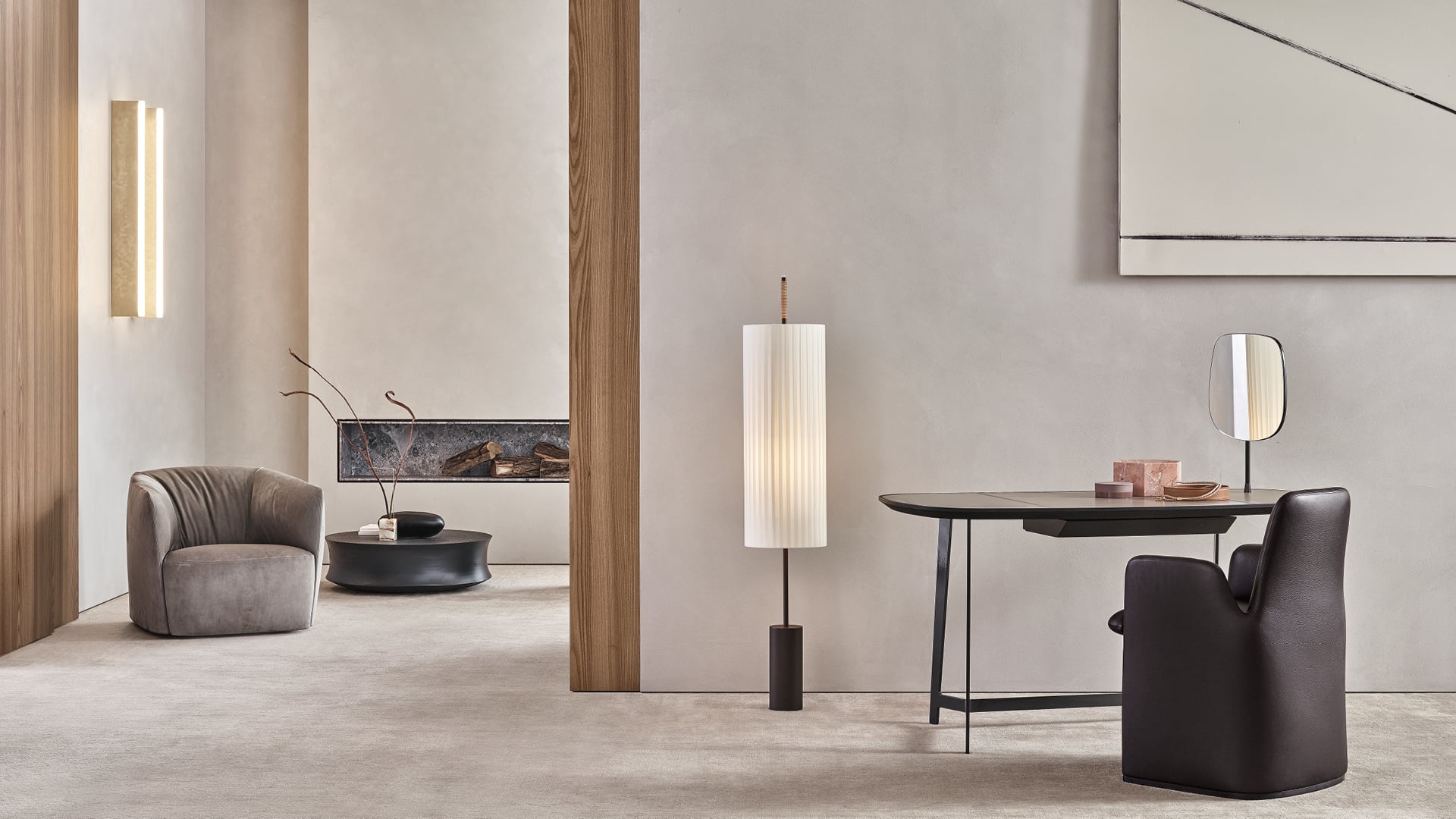
The bedroom is designed as a multifunctional space, to be enjoyed both during the day and at night. Alongside the bed, there is a relaxation area with an armchair and coffee table, while an architectural element separates a closed wardrobe area, where the desk with mirror has been repurposed as a vanity unit.

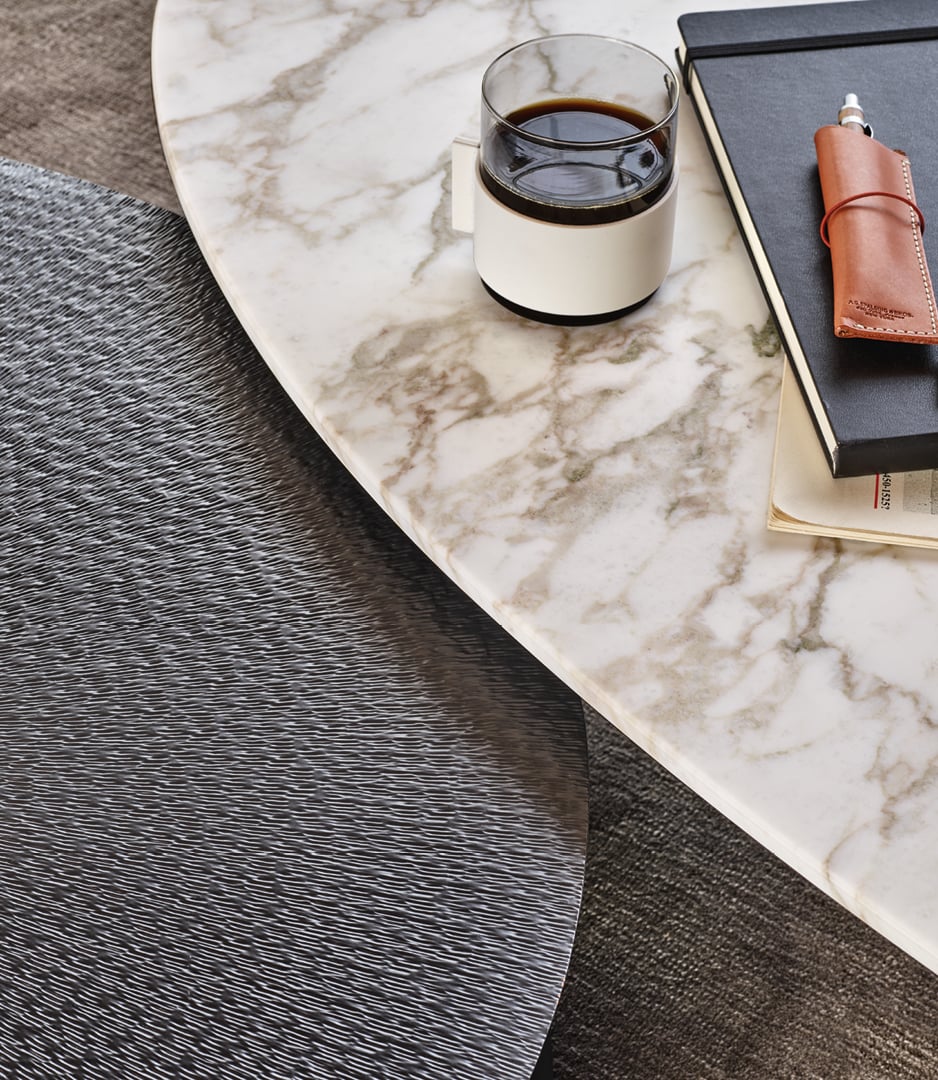
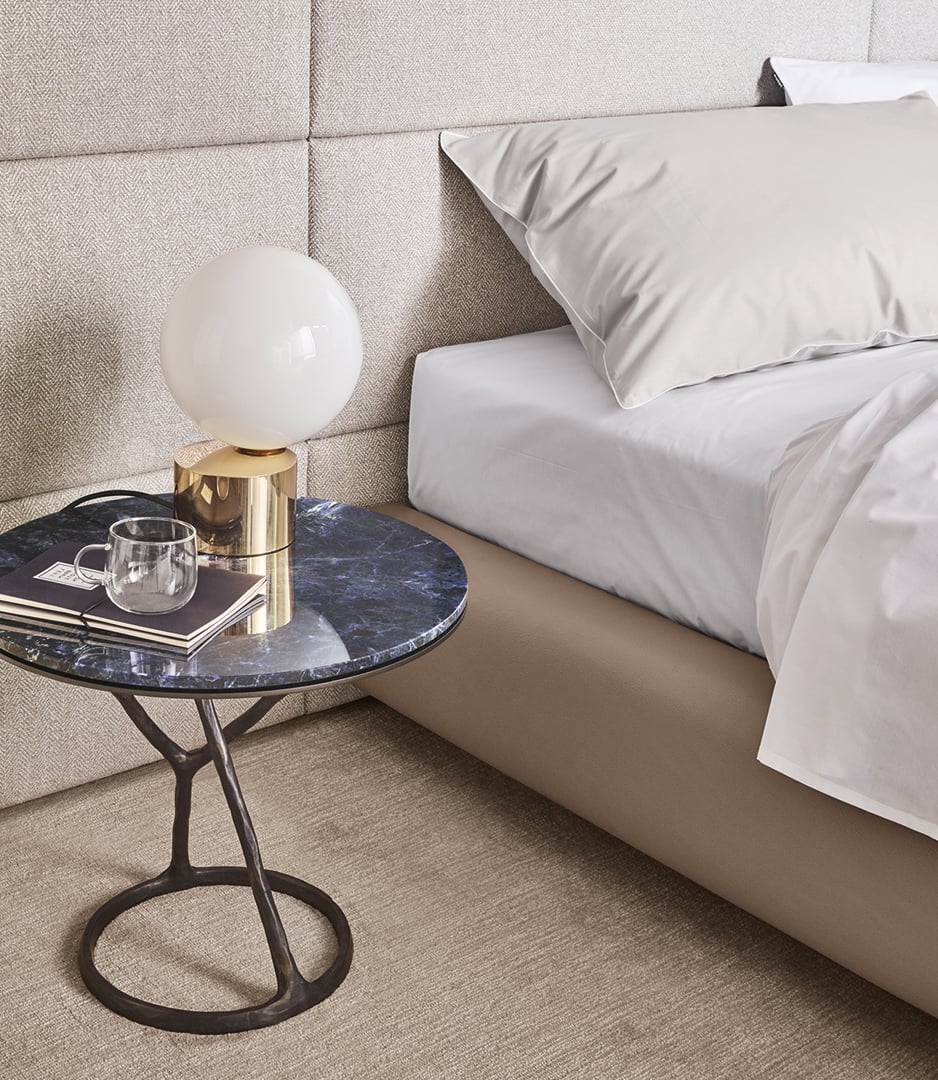
In the Dream bed, the padded and upholstered panels serve as both a headboard and wall panelling, enhancing the textile finishes, which are also found on the floor in this room. The bedside table is replaced by the Ilda coffee table, with a brass casting frame and lapis lazuli top – a precious item like a work of art.

STYLEBOOKS ARCHIVE

Iconic skyline

Nordic Spirit

Hidden gardens

Life in the city

Calming retreat

Harmony in details

ERNEST

SAINT-GERMAIN

Sofa