Our warranty is valid for 2 years from the date of purchase and covers all manufacturing defects. The warranty period enters into force from the date printed on your receipt or sales slip. You may be asked to present proof of purchase when requesting service. The warranty is non-transferable and is valid only for the original purchaser. It covers repair or replacement of unusable or defective parts free of charge during the warranty period after inspection and acceptance by Poliform or its agent. Natural variations in the colour of the wood, changes in colour under ambient or artificial light, slight variations in dimensions owing to high humidity or dry conditions and the grain of wood, knots or other natural characteristics of wood products are not covered by the warranty.
The warranty excludes damage resulting from careless or incorrect furniture installation, potential damage from accidents such as that resulting from a fall, impact, natural disaster, fire and, in any case, all defects that cannot be attributed to defects in the manufacture of the product. Moreover, the warranty is not valid in the event that our products are disassembled, modified or repaired by anyone other than authorised Poliform personnel. Damage due to poor upkeep or improper use of the product are not considered defects of manufacture. You will find useful recommendations in the instruction booklet regarding the use and care of your product. If you have any doubts or require further information, consult the Poliform reseller where your product was purchased. For any situation not expressly covered by this warranty legal provisions in force shall apply.
The carcasses of the cabinets are composed of wood water-repellent particles panels V100, thickness 18 mm, coated with non-scratch melamine resins, easy to clean, with minimum emission of formaldehyde EPF-S E0,5 (in accordance with the limits set out by the us regulation TSCA and CARBN PHASE 2).
For the other elements we use particle board panels in class EPF-S E0,5 or particle board panels in class E1, anyhow fully aligned with the limits set by conforming to eu standards EN120 and EN-717-2 with respect to formaldehyde release. With respect to varnish, Poliform exclusively use polyurethane coatings free of heavy metals and volatile organic compounds (VOC) belonging to the various classes within table A1 of the italian ministerial decree of 12 july 1990 and/or classes I and II within table d of the italian ministerial decree of 12 july 1990.
Subcortical tree trunk sections nearest the darker innermost annual rings, also known as duramen. Heartwood is considered to be high-quality, genuine natural wood in contrast to wood panels made from wood particles or multilaminates.
Panel composed of wood particles with a thin layer of solid wood, called a peeling, about 7mm thick.
Wood-based panels made from wood particles (shavings, wood chips, etc.) The wood particles are held together with hardening synthetic resin and then heat pressurised. Particle board panels use an assortment of less costly wood which is generally the by product of other processes: this is why this type of product is of interest from an ecological standpoint.
A panel composed of wood particles and covered with a cellulose base material (paper), sheets of polymer (pvc veneer, abs, etc.) or melamine resins.
A hardening synthetic resin obtained from polycondensation of formaldehyde. It is a colorless, odorless resin that is resistant to water, chemicals, abrasion and heat and which has particular transparency under light
(Acrylonitrile butadiene styrene) a synthetic thermosetting plastic resin with good resistance to acids. It repels dust and cannot warp. For these reasons, abs is used in the manufacture of edges and sheets for surface coating.
Panels of polyesterized chipboard lacquered on both sides with polyurethane polymer-based paint having a high molecular weight. The panels have the characteristics of being dimensionally stable and water resistant.
Common glass is composed almost exclusively of silica, the same substance as quartz. In its purest state, glass is transparent, relatively hard, almost inert from a chemical and biological standpoint and presents a very smooth surface. Glass is available in a wide range of finishes and colors for interior decoration. It is possible to circumvent its intrinsic fragility by using chemical treatments (adding other minerals to the compound) or physical processes, such as tempering.
Glass submitted to the tempering process which consists in the brusque cool down during the manufacturing. The slab obtained has huge internal tensions and is characterized by hardness and high fragility. In case of breakdown the tempered glass splits up in non cutting plinters.
A silvery, highly ductile metal. Its chief properties are resistance to corrosion, tensile strength and its light weight. These properties are ideal for manufacturing durable yet lightweight frame components. Raw aluminum can be worked using several different processing techniques such as fusion, forging or pressing.
Marble is a metamorphic rock composed mostly of calcium carbonate (caco3). Marble results from the metamorphism of sedimentary rock, a process that causes complete recrystalization of calcium carbonate. Marble’s color depends on the presence of mineral impurities (clay, silt, sand, iron oxides, flint nodules) present in grains or layers inside the original sedimentary rock. White marble is the result of the metamorphism of calcite rock containing no impurities.
Quartz agglomerate is a material that is produced in the form of slabs measuring 304×140 cm using Bretonstone® System Technology and a special vacuum vibro-compression process. The slabs are achieved by mixing siliceous sand or pure quartz (95%) with a polyester structural resin (5%) and coloured pigments stablised using uv rays.
AISI 304 (reference name used across the world). This is an austenic stainless steel containing between 18% and 20 % chromium and between 8% and 10 % nickel, a composition which gives the material improved resistance to corrosion and superior workability.
Dupont Corian® is a solid, non-porous, homogeneous surfacing material composed of ± 1/3 acrylic resin (also known as polymethyl methacrylate ) and ± 2/3 natural minerals. The main mineral is aluminium trihydrate (ath) derived from bauxite, an ore from which aluminium is produced.
Dupont Corian® is an inert and nontoxic material. Under normal temperature conditions, it does not emit gases. When burned, it releases mainly carbon oxides and the smoke generated is optically light and does not contain toxic halogenated gases.
Dupont Corian® can be thermoformed in wooden or metal moulds at controlled temperatures in order to create various 2d and 3d design objects. Embossing effects can also be created using the bas relief technique.
Dupont Corian® is manufactured in compliance with strict standards in order to limit waste and energy consumption at all stages of the production process. Both the material itself and the adhesives and sealants used to install it are green guard indoor airquality certified as producing low VOC emissions.
The high pressure laminates are composed of layers of cellulose fibres (normally paper) soaked in thermohardening resin, joined through a process that consist in the combined action of heat and high pressure and that implies the polycondensation of the thermohardening resin. The material obtained is homogeneous, not porous and can be covered with the required finishing.
Generally more than 60% of HPL is composed of paper and the remaining 30-40% is represented by polymerized synthetic thermohardening resin: phenolic resin for the heart of the panel and aminoplast resine for the decorative surface. These belong to the group of the thermohardening resins that interact in irreversible manner through chemical ties that are formed during the process of polymerization. The high presure gives life to a steady and non reactive material, which characteristics are completely different from those of the initial components.
The hpl is supplied in panels of various dimensions, thickness and with different finishings.
It is an innovative material produced through high pressure thermo-lamination.
The external surface involves the use of nanotechnology and its decor is obtained through new generation resins.
This laminate has an extremely matt surface, it is anti-fingerprint, soft touch.
Poliform recommends that you do not dispose of your product in the outdoors. Because of our manufacturing technology and the routine use of recyclable materials, discarded Poliform products can be re-used in the manufacturing process. For this reason, drop off your Poliform product at the waste disposal centres within your municipality.
To facilitate the collection, reuse, recovery and recycling of packaging, we inform you that the packaging is composed as follows: PAP20 carton, PS 06 polystyrene, FOR 50 wooden boxes, Profiles in Systempack PELD 04.
The following instructions, broken down by material, provide the best recommendations for preserving your Poliform kitchen for years to come. Use only recommended cleaning products and avoid harsh or abrasive detergents: proper care will enable you to enjoy Poliform quality for many years.
Doors. o clean the laminated items we recommend the use of alcohol or liquid detergents diluited in water. Dry with a soft cloth afterwards. In case of particularly resistant stains, if products containing diluents or acetone are used, make sure they do not come into contact with the door edges, because these products can cause deformations or temporary softening of the edges themselves. Unsafe products: do not use abrasive powders, because the granules will penetrate the porosity of the laminated surface. Do not usually use products containing chlorine, such as ammonium or acetone or excessively aggressive for the laminated surface but only in case of particularly resistant stains, and however they have not to be poured directly on the surface but on a cloth and absolutely not on the edges of the doors.
Work tops. Use a soft cloth and liquid detergents, or water and alcohol diluted in equal parts. The laminate tops are extremely practical as they are humidity, alcohol, grease and oil resistant. Laminate tops resist heat up to 180°, but please avoid lying hot pans on this surface, especially those containing oil, liquids or coffee pots: in these cases a protection under the pans must always be used. Dry the surface: do not leave water after cleaning.
Unsafe products: do not use abrasive powders, because the granules will penetrate the porosity of the laminated surface. Do not use products containing chlorine, such as ammonium or acetone or excessively aggressive for the laminated surfaces. Only in case of particularly resistant stains they can be used, they should not be poured directly on the surface but on a cloth and absolutely not on doors edges.
Wooden doors. Wooden doors are protected with a special varnish, whose function is to repel grease and dirt. In addition this varnish prevents the natural yellowing of the wood and makes it water-repellent. For these reasons the paint should not be scratched or put in contact with objects of high temperature which may create bubbling and detach it. To clean the doors simply use common detergents for cleaning glass. For more persistent stains, you can use alcohol diluted with water. Afterwards dry with a soft cloth.
Wooden tops. Clean the top with glass detergents or alcohol diluted in water. Wooden tops resist heat up to 120°, avoid direct contact between the top surface and the hot part. The wood often can show grain and colour differences: these are the features of the material, which underwrite its natural origin and represent the most aesthetic value.
Doors in solid canaletto walnut – Thermo treated solid oak – Black ash – Doors in Fossil Oak. The doors are covered by a special coating that protects the wood from grease and dirt. In addition, the same coating prevents the natural yellowing of wood and makes it waterproof. For these reasons, the coating must not be lined, scratched or come into contact with high temperatures, since they could create bubbles that, when burst, remove the coating. Use common glass cleaning products to clean these doors. In case of hard to remove spots, use alcohol diluted with water. Dry with a soft cloth.
Unsafe products: do not use abrasive products that may line or corrode wood surface; do not use products containing chlorine, acetone or diluents that damage the surface. Wax or furniture polish is not necessary and might even damage the coating if used, because of the special protection treatment already existing on the wood.
Doors. To clean the doors, use everyday products. Do not spray the surface to avoid any rings. Use detergents on a soft cloth, clean and rinse. With vivid finishing and light colours, easy cleaning is not sufficient. Use the magic melamine sponge softly, after washing it in warm water and squeezing it. Unsafe products: never use abrasive products, bleach or coloured substances or acids; do not use abrasive sponges that may polish the surface.
Embossed lacquer doors – Glossy lacquer doors – Metal lacquer doors.The lacquer doors require particularly careful maintenance to avoid scratching the surface. Products used for glass or alcohol diluted with plenty of water are sufficient for cleaning. Dry immediately after washing with a soft and non-abrasive cloth. The cloth used for cleaning may remain slightly colored at the beginning. This is due to the presence of paint particles that during drying float to the surface: once eliminated, they do not come back.
Unsafe products: never use abrasive powders because they could scratch the door. Never use products that are excessively aggressive for the lacquer surface such as ammonium and acetone. Avoid furniture wax.
Steel scotch brite doors. Rinse with water and dry with a clean cloth. Only use detergents for sinks and tops for more specific cleaning. If after some time the steel worktop shows a matt look, you can clean it with “Bianco di Spagna” (calcium carbonate in powder).
The doors should be cleaned following the same direction as the glazing. Pay attention not to store open detergent bottles or other chemical products bottles under the counter worktop; their fumes can corrode the worktop. Do not leave rusted objects on the stainless worktop.
Unsafe products: do not use abrasive or powdery products that may scratch the surface; do not use steel wool cleaning pads and products that are excessively aggressive on the surface, products such as those containing chlorine, hydrochloric acid, and bleach.
Steel tops. Rinse with water and dry with a clean cloth. Only use detergents for sinks and tops for more specific cleaning. If after some time the steel top shows a matt look, you can clean it with “Bianco di Spagna” (calcium carbonate in powder).
The tops should be cleaned following the same direction as the glazing. Pay attention not to store open detergent bottles or other chemical products bottles under the counter top; their fumes can corrode the top. Don’t leave rusted objects on the stainless worktop.
Unsafe products: do not use abrasive or powdery products that may scratch the surface; do not use steel wool cleaning pads and products that are excessively aggressive on the surface, products such as those containing chlorine, hydrochloric acid, and bleach.
Steelmatt Blanco tops. The same care as any other steel top is necessary. Do not leave rusted objects on the worktop and avoid direct contact with hot pots. Do not cut or mince directly on the top and do not drag sharp objects.
For cleaning, always follow the direction of the satin finish. Do not use scotch brite wool cleaning pads, use only the smooth side of sponges. Remove regularly dirt and limestone residue with liquid detergents and microfibre cloths or non-scratch sponges
The worktop in DuPont Corian® is extremely hygienic since it is non porous. Although liquids cannot penetrate corian, it is best to wipe up spills as they occur. Just use a damp cloth and a mild cream abrasive cleanser or a common household degreaser (E.G. Jif, bar keepers friend). Always clean using a circular motion.
For stains caused by liquids such as vinegar, coffee, tea, lemon juice, dyes, ketchup, red wine or vegetal oils first, try the easy methods, then progress with an abrasive plastic scouring pad and a detergent or an ammonia based hard-surface cleaner. Only with a really persistent stain as lily pollen, or saffron, or with a light scratch, should you need to resort to an abrasive plastic scouring pad and rub over the stain with some bleach. Rinse several times with warm water and dry with a soft cloth. Always restore the overall luster afterwards, using a damp cloth and a mild cream abrasive cleaner and blend the scrubbed area into the entire surface by rubbing in a circular motion.
Always use a heat protection pad, trivet (with rubber feet) or protective sink mat for hot cookware, or leave cookware to cool on the hob first. Never put hot pans, particularly cast iron, directly on a corian top. Such heat can damage any surface. Always use the correct size pan on the burner and place it centrally. An overhanging pan scorches surrounding surfaces.
Never cut or chop on the corian work surface dark, heavily pigmented colours will show scratches, dust and ordinary wear and tear more readily than lighter, textured colours. Accidental spills of strong chemicals (E.G. Paint stripper, brush cleaners, metal cleaners, oven cleaners, cleaners containing methylenechloride, acid drain cleaners, acetone-based nail varnish removers etc.) Should be flushed promptly with plenty of soapy water to avoid damaging worktops. Corian is inherently “renewable” because it is solid and homogeneous all the way through. Most damage, including severe impact, heat or chemical damage, can usually be repaired on site to restore the original, smooth, hygienic solid surface integrity.
Clean with lukewarm water and neutral soap using a cloth or sponge. Marble is a material that must be cleaned with extreme care: being porous it can absorb liquids resulting in stains. Poliform surfaces are treated with a special anti-stain and anti-oil product; but it is fondamental to clean immediately the “fresh stains” of coloured liquids and to avoid the use of acid liquid detergents. For the preservation of the surfaces it is recommended to execute the treatment with liquid or water-repellent wax for marble every 2 months. In case of particularly dirty surfaces use proof oil, a natural treatment for marbles recommended by Poliform.
Absolutely avoid abrasive or aggressive products: acidic detergents, bleach or steel wool. All our worktops are delivered with manual of use, maintenance and care.
The agglomerates of quartz are materials of high compactness and low asorbent power: they resist to acids, they do not absorb liquids, odors, and alimentary fats. They are simply to clean and guarantee the hygiene, they resist to a great number of daily use stains and daily domestic incidents like scratches and small hits. For the ordinary cleaning it is recommended to use neutral detergents and water, but it is fondamental to clean up the “fresh stains” immediately. In case of particularly dirty surfaces it is possible to use also aggressiv detergents containing acids like viakal and aiax bagno or orange clean, which is a natural detergent recommended by Poliform. Although the material can resist to high temperatures it is appropriated to protect it by using hot pads to avoid the direct contact with the burned pots or tableware.
All our worktops are delivered with ten year guarantee and with manual for use, maintenance and care.
For everyday cleaning, use water with neutral soap and a sponge or a cloth.
For detergent-resistant or long-time uncleaned stains, use a specific product, for example: cream detergents with abrasive particles.
Use vinegar diluted in abundant water or glass cleaning products. Warning: in case the glass is mounted in an aluminum frame, avoid alcohol or ammonia, which may damage the frame.
We recommend to use a soft cloth with lukewarm water for the cleaning of handles and other metal accessories, lacquered or oxidized. The use of abrasive sponges and/or aggressive cleaners containing alcohol or aggressive chemical agents could cause with the time deterioration of the visible surfaces and consequently detachment of the varnish or of the metal oxidation. The prolonged permanence of chemical agents on the surface like for istance: tomato juice, lemon juice, vinegar, salt or water and cleaners could start with the time a chemical reaction damaging the superficial quality of the items.
For a correct sliding of the parts in movement (drawers, hinges of the doors, extractors, etc.) Periodically remove the dust on the drawer slides and on the hinges with a soft and dry cloth. Lubricate with any product widely available on the market. Avoid any kind of abrasive cleaning product
Poliform recommends that you do not dispose of your product in the outdoors. Because of our manufacturing techology and the routine use of recyclable materials, discarded Poliform products can be re-used in the manufacturing process. For this reason, drop off your Poliform product at the waste disposal centres within your community
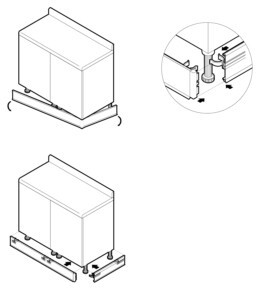
To remove them it is enough to starting from an end corner.
Lateral plinth. In case of lateral corners with lateral plinths, the corner junction is simply screwed to the frontal plinth.
Plinth re-hooking. Re-place the plinth making sure that they are well fixed to the feet.
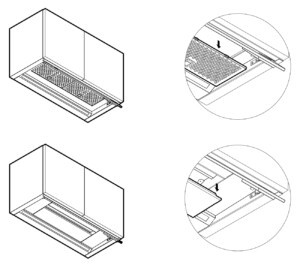
The filters of the recirculating hoods have to be cleaned periodically. In order to release them open the stopper pulling the lever in the middle of every filter.
You can wash the filters in the dishwasher using a standard program.
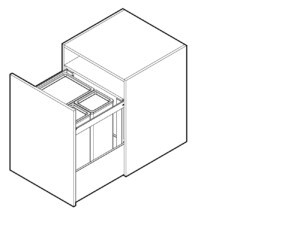
Make sure the adjustment blocks on the lid are in the minimum excursion position.
Open the extractor and make sure the lid castors are resting against the aluminium sides of the bin. If the distance between the adjustment block and the lid is 10mm, this means that when the extractor is in the closed position, the lid sits over the bin bags correctly. If you hear slight scratching sounds during the opening or closing of the extractor, raise the lid by adjusting the screws on the two adjustment blocks.
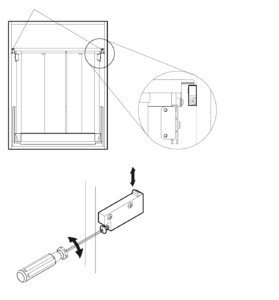
For vertical adjustment, act on the screw in the lower part inside the plastic block. For the horizontal adjustment act on the 4 screws indicated.
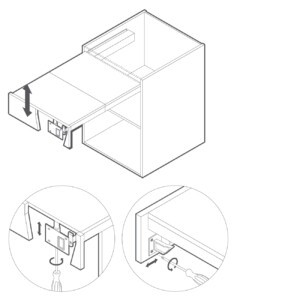
Adjustment limit: +/- 1.5mm
Caution: both sides need to be adjusted
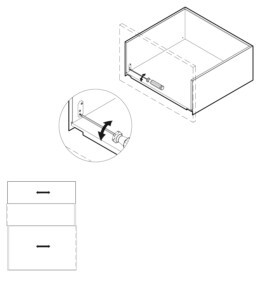
Adjustment limit: +/- 2mm
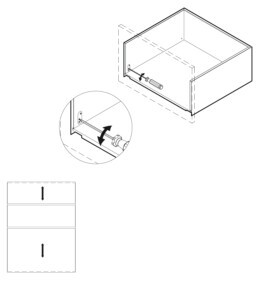
Adjustment limit:
Back panel k: +1.5mm/-0.5mm
Back panel k: +1.5mm/-0.5mm
Back panel c: +1.5mm/-1.5mm
Back panel f: +1.5mm/-1.5mm
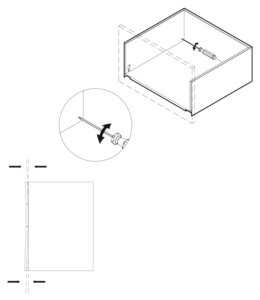
Attention: The adjustments must be done on the external side of the structure
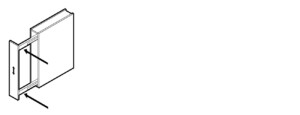
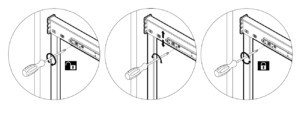
Attention: the adjustments must be done on the inner side of the structure
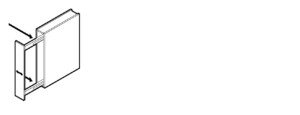
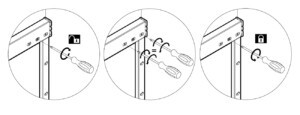
Attention: the adjustments must be done on the inner side of the structure
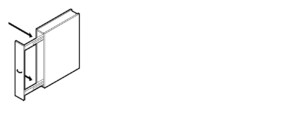
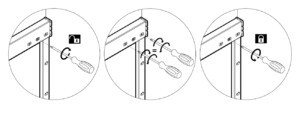
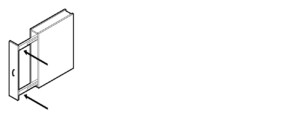
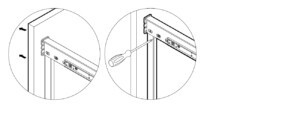
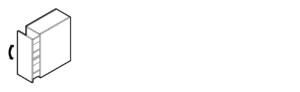
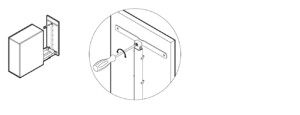
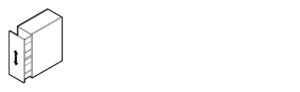
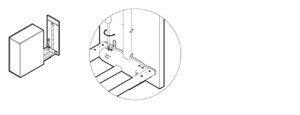
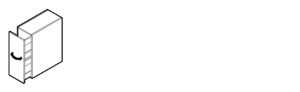
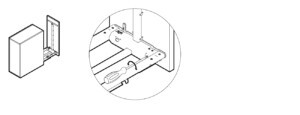
Remove the Poliform plate from the hinges inside of the unit (base/ tall/ wall unit). With a crewdriver it is possible to adjust the door in the 3 directions.
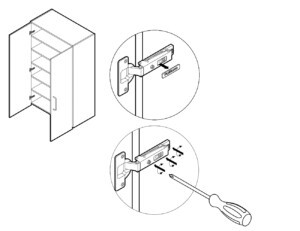
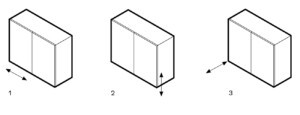
Remove the covering plate Following the procedure described below, the door can be adjusted in three directions.
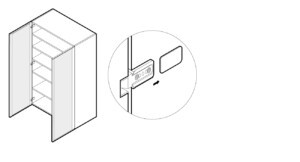
Adjustment
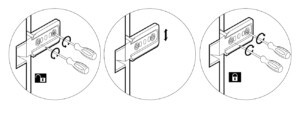
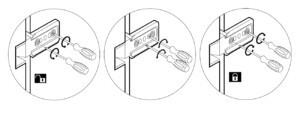
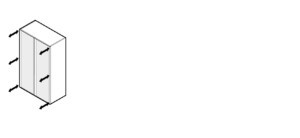
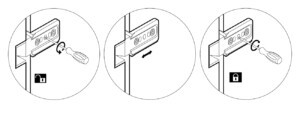
Remove the covering plate Following the procedure described below, the door can be adjusted in three directions.
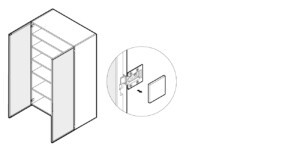
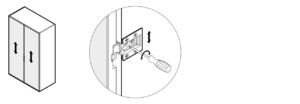
Adjustment -1.5 mm / +1.5 mm
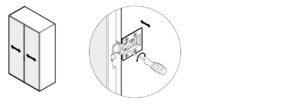
Adjustment 0 mm / +1.5 mm
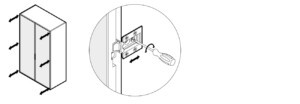
Adjustment -1.5 mm / +1.5 mm
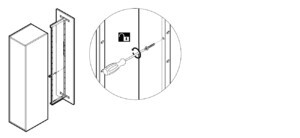
Disengage the block before making the adjustments
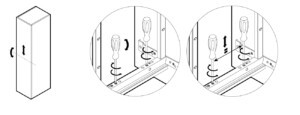
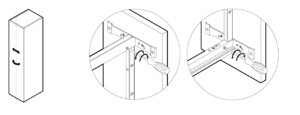
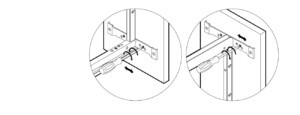
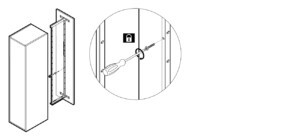
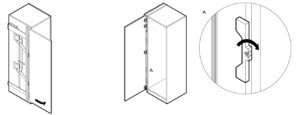
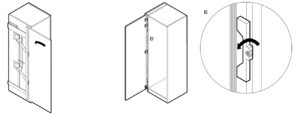
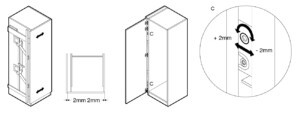
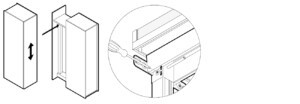
Adjust the planarity of the door
Bring the door closer toward the bottom (D)
Detach the door from the top (B)
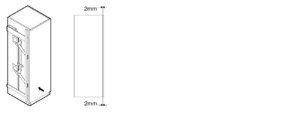
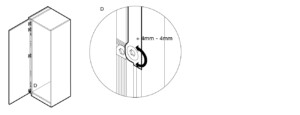
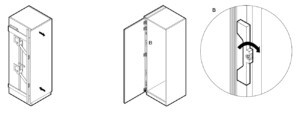
Adjust the door height
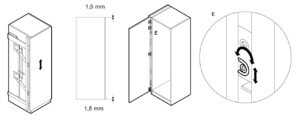
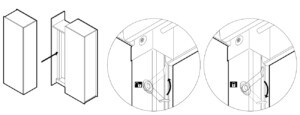
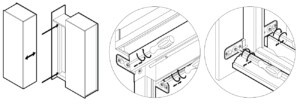
Adjust the screws in the same rotation direction
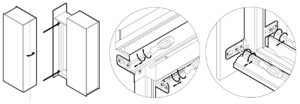
Adjust the screws in the opposite direction of rotation
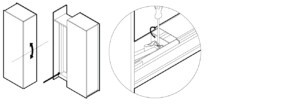
After the adjustment re-hook the door and check its evenness, otherwise repeat the operation
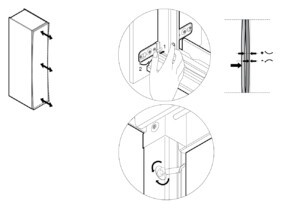
90° Opening stop
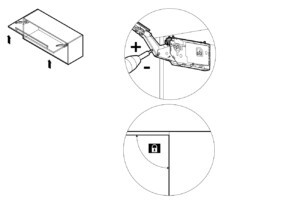
To adjust the door when falling act in this way.
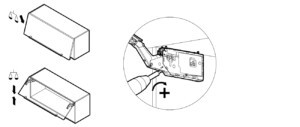
To adjust the door when falling act in this way.
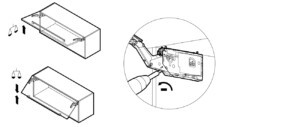
To adjust the frontal door act in this way.
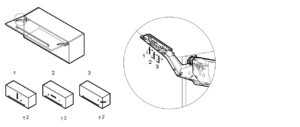
To adjust the door when falling act in this way.
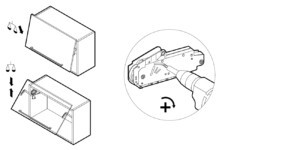
To adjust the doors when rising act in this way.
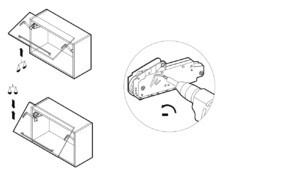
To adjust the frontal door act in this way.
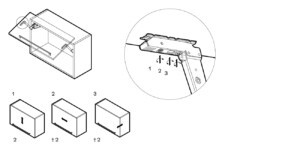
To remove them it is enough to starting from an end corner.
Lateral plinth. In case of lateral corners with lateral plinths, the corner junction is simply screwed to the frontal plinth.
Plinth re-hooking. Re-place the plinth making sure that they are well fixed to the feet.
The filters of the recirculating hoods have to be cleaned periodically. In order to release them open the stopper pulling the lever in the middle of every filter.
You can wash the filters in the dishwasher using a standard program.
Make sure the adjustment blocks on the lid are in the minimum excursion position.
Open the extractor and make sure the lid castors are resting against the aluminium sides of the bin. If the distance between the adjustment block and the lid is 10mm, this means that when the extractor is in the closed position, the lid sits over the bin bags correctly. If you hear slight scratching sounds during the opening or closing of the extractor, raise the lid by adjusting the screws on the two adjustment blocks.
For vertical adjustment, act on the screw in the lower part inside the plastic block. For the horizontal adjustment act on the 4 screws indicated.
Adjustment limit: +/- 1.5mm
Caution: both sides need to be adjusted
Adjustment limit: +/- 2mm
Adjustment limit:
Back panel k: +1.5mm/-0.5mm
Back panel k: +1.5mm/-0.5mm
Back panel c: +1.5mm/-1.5mm
Back panel f: +1.5mm/-1.5mm
Attention: The adjustments must be done on the external side of the structure
Attention: the adjustments must be done on the inner side of the structure
Attention: the adjustments must be done on the inner side of the structure
Remove the Poliform plate from the hinges inside of the unit (base/ tall/ wall unit). With a crewdriver it is possible to adjust the door in the 3 directions.
Remove the covering plate Following the procedure described below, the door can be adjusted in three directions.
Adjustment
Remove the covering plate Following the procedure described below, the door can be adjusted in three directions.
Adjustment -1.5 mm / +1.5 mm
Adjustment 0 mm / +1.5 mm
Adjustment -1.5 mm / +1.5 mm
Disengage the block before making the adjustments
Adjust the planarity of the door
Bring the door closer toward the bottom (D)
Detach the door from the top (B)
Adjust the door height
Adjust the screws in the same rotation direction
Adjust the screws in the opposite direction of rotation
After the adjustment re-hook the door and check its evenness, otherwise repeat the operation
90° Opening stop
To adjust the door when falling act in this way.
To adjust the door when falling act in this way.
To adjust the frontal door act in this way.
To adjust the door when falling act in this way.
To adjust the doors when rising act in this way.
To adjust the frontal door act in this way.
Material: melamine-faced particles panels V100
Thickness: 18 mm
Finishing: light grey melamine called “perla” and dark grey melamine called lavagna
Frontal edge: ABS th.1mm in perla or lavagna
Sides edge: h.0.5 mm in perla or lavagna
Features: the bottom and sides of the sink base unit with leaf doors are clad with embossed aluminium to protect against water infiltration over time. In units for refrigerators, the bottom is made from 18mm thick phenolic birch plywood for added protection against water infiltration. The front panel is also clad with embossed aluminium.
Material: melamine-faced medium-density fibreboard.
Thickness: 8 mm
Finishing: melamine-faced in perla or lavagna
Material: aluminium
Thickness: 11,5 mm
Height: 70/100/120mm.
Max length: 3800 mm
Finishing: anodized aluminium, aluminium with brushed steel, embossed lacquered or metallic lacquered finish.
Features: special hooks allow easy removal to facilitate cleaning.
Material: black ABS
Diameter: 34 mm at centre – 70 mm at bottom
Height: 70/100/120 mm
Features: quick insert. Adjustment + 20 mm and – 5 mm
Hinge: in metal with quick-connect and three-way adjustment
Opening/closure: soft-close system with 110° opening. Corner rack units and plate rack units with 180° opening. The hinge has been tested for 80,000 opening/closing cycles.
Handles: applied metal handles or integrated metal and wooden handles.
Features: door levelling in vertical and in depth by the hinges.
Material: melamine-faced particle board
Thickness: 18 mm
Finishing: melamine-faced in perla or lavagna.
Frontal edge: ABS th.1 mm in perla or lavagna.
Sides edge: melamine th.0.5 Mm in perla or lavagna.
Support: metal
Features: the shelf includes an anti-tip mechanism
Material: melamine-faced particle board.
Thickness: 16 mm
Finishing: melamine-faced in lavagna.
Material: aluminium / painted steel
Thickness: 13 mm
Finishing: anodized aluminium / painted brown
Runners: the metal slides are manufactured by blum and made specifically for the legrabox type. They feature a Blumotion soft-close system and a safety catch to prevent drawers from accidentally falling off their slides. Each pair of slides has a capacity of up to 40kg and is tested for 100,000 opening/closing cycles. Certain types of pull-out baskets have slides with a capacity of 70kg per pair, tested for 80,000 opening/closing cycles. The slides are total extraction. The drawer and pull-out basket front can be adjusted in three directions. A black mat is inserted in the drawers and pull-out baskets.
Materia: metal
Features: these can be adjusted in height and depth directly from the inside of the unit. They are tested for a capacity of 125kg per pair.
Material: aluminium
Features: aluminum bars supplied with specific hardware with anti-tilt function.