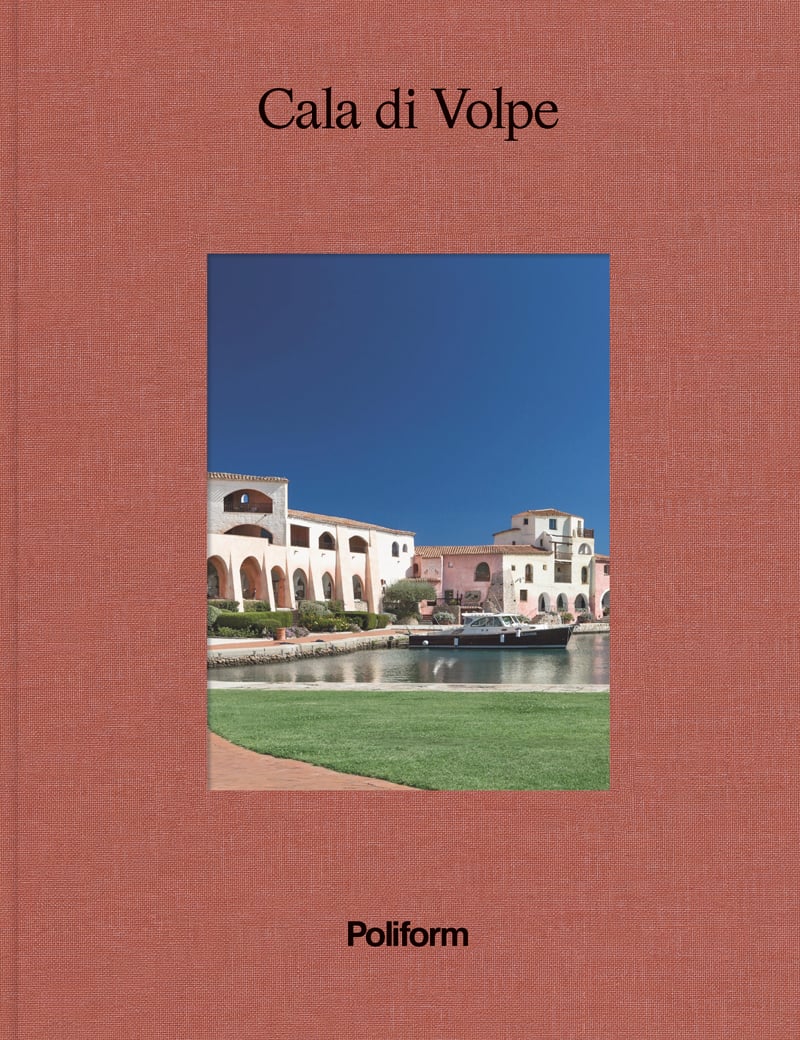
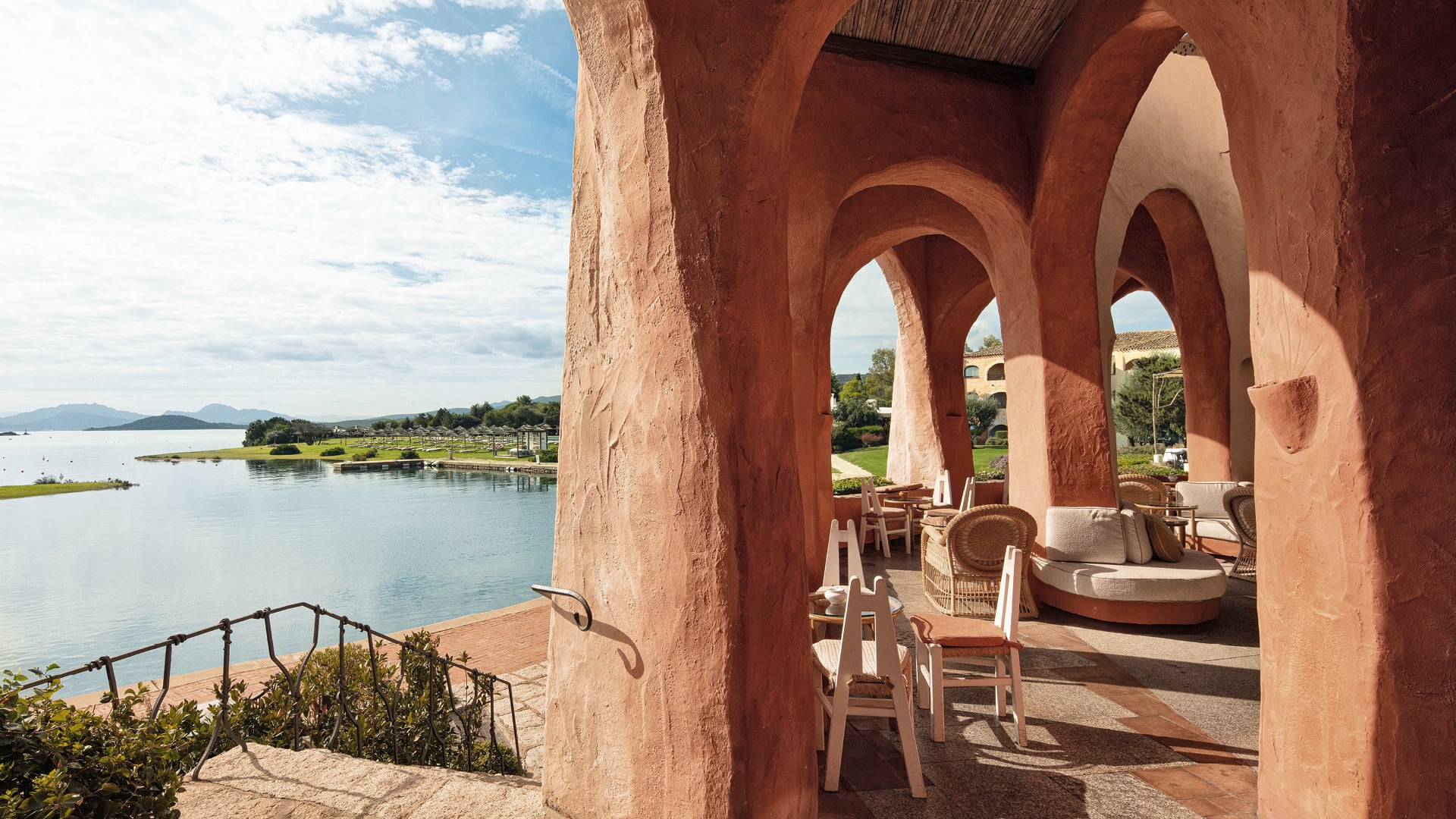
칼라 디 볼페만은 사르데냐에서 럭셔리 관광지로 가장 잘 알려진 곳 중 하나입니다. 만의 중심에는 코스타 스메랄다에 있는 같은 이름의 호텔이 있으며, 이 지역의 전형적인 스타일로 지어진 최초의 호텔 중 하나입니다.
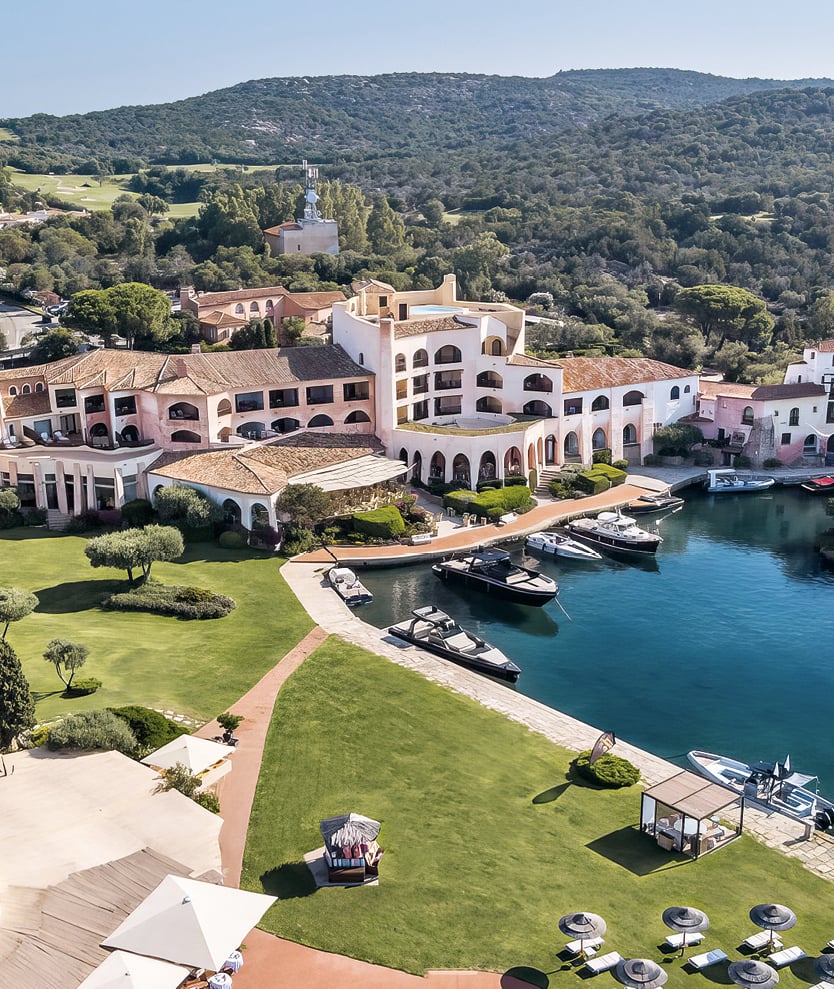
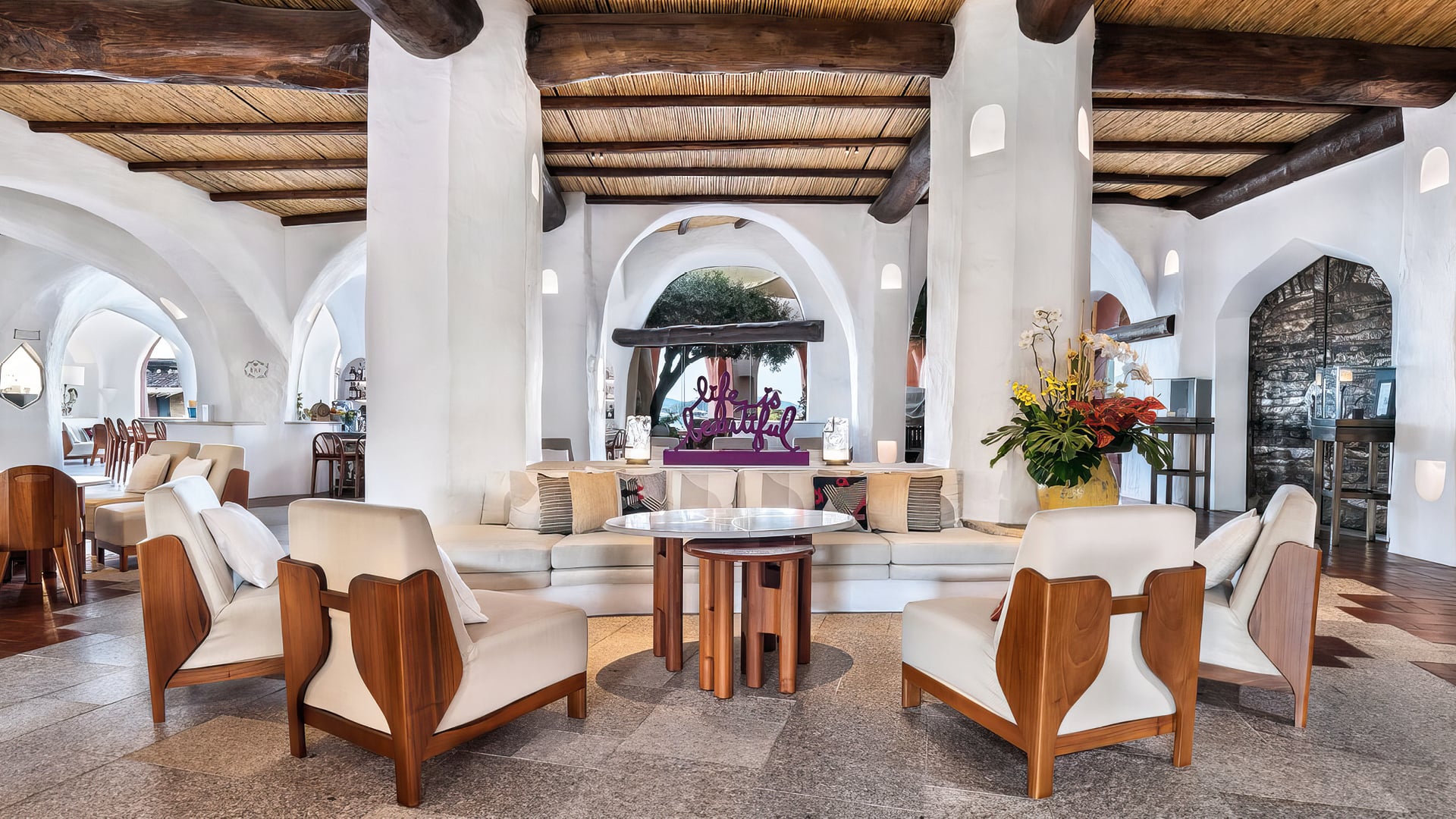
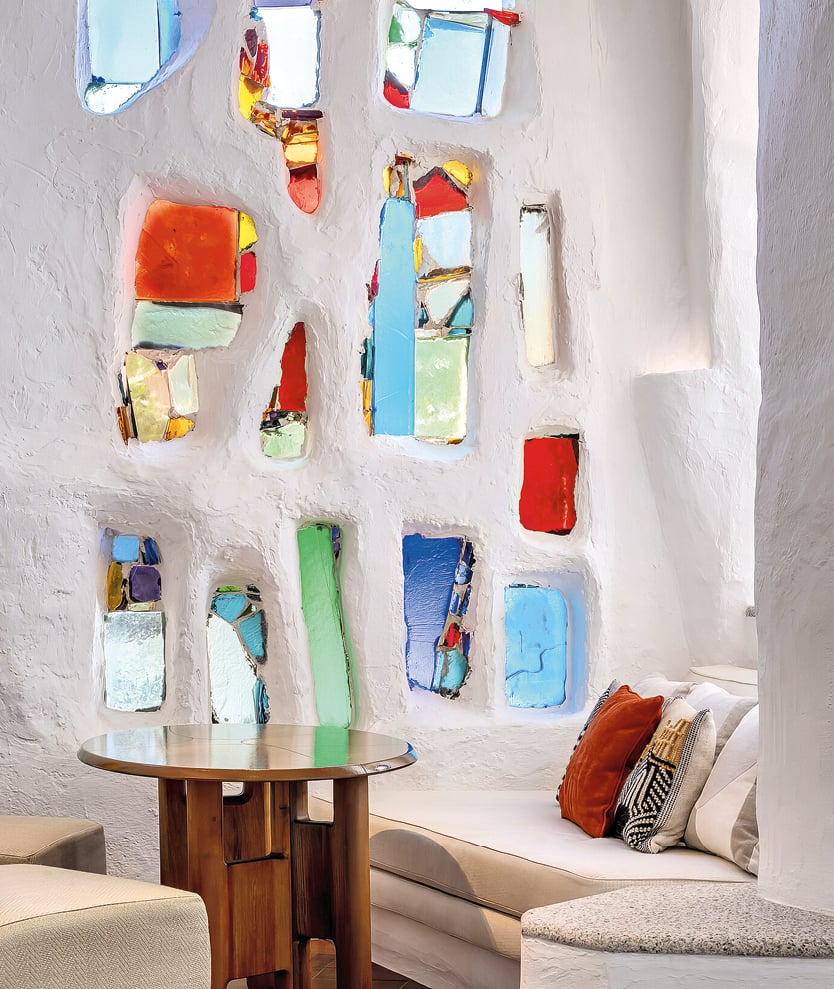
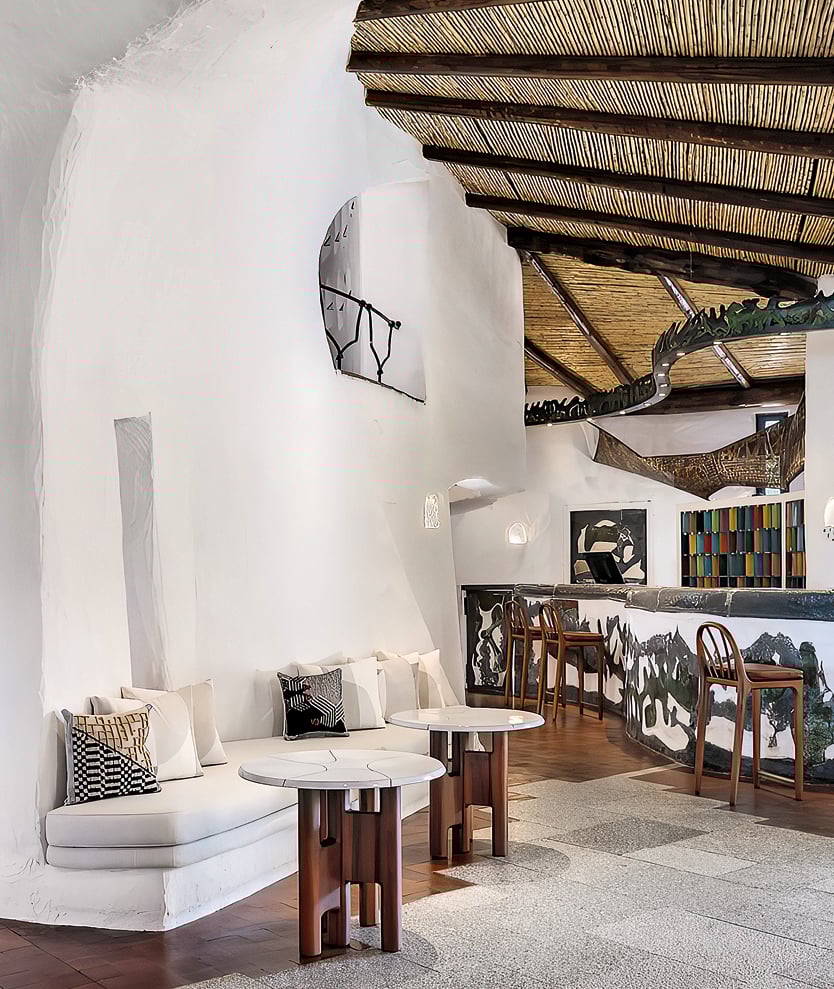
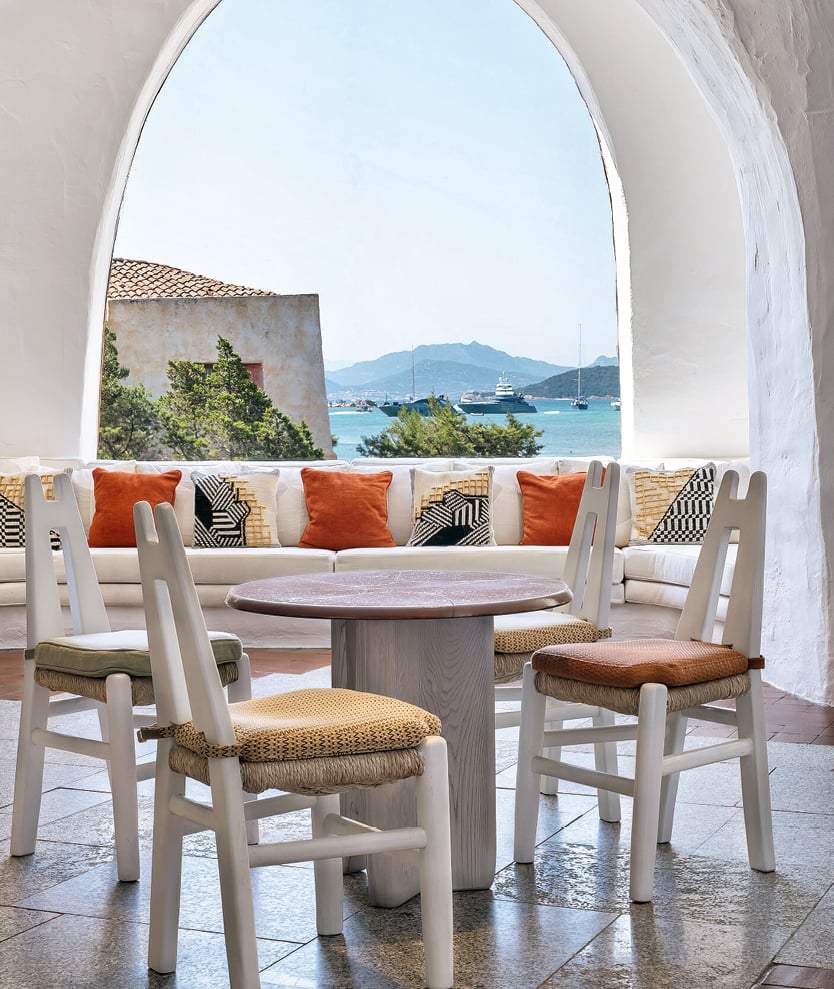
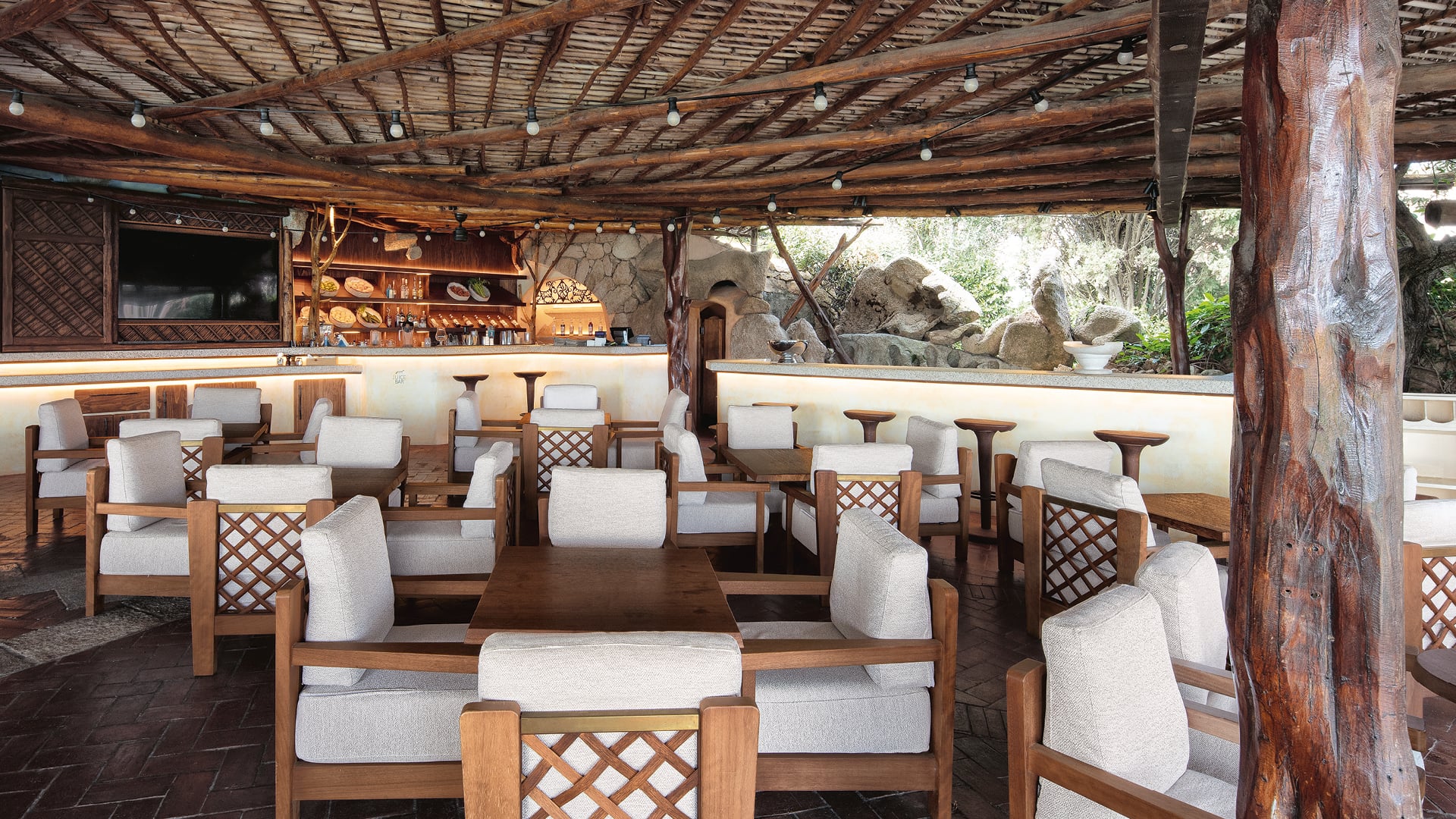
프랑스 건축가 자크 쿠엘레의 걸작인 칼라 디 볼페 호텔은 1960년대에 지어진 코스타 스메랄다의 첫 번째 호텔입니다. 지중해 스타일의 전형이자 신중하고 세련된 럭셔리의 아이콘인 이 호텔은 최근 파리의 스튜디오 무아나르 베테일에 의해 리노베이션을 마쳤습니다.
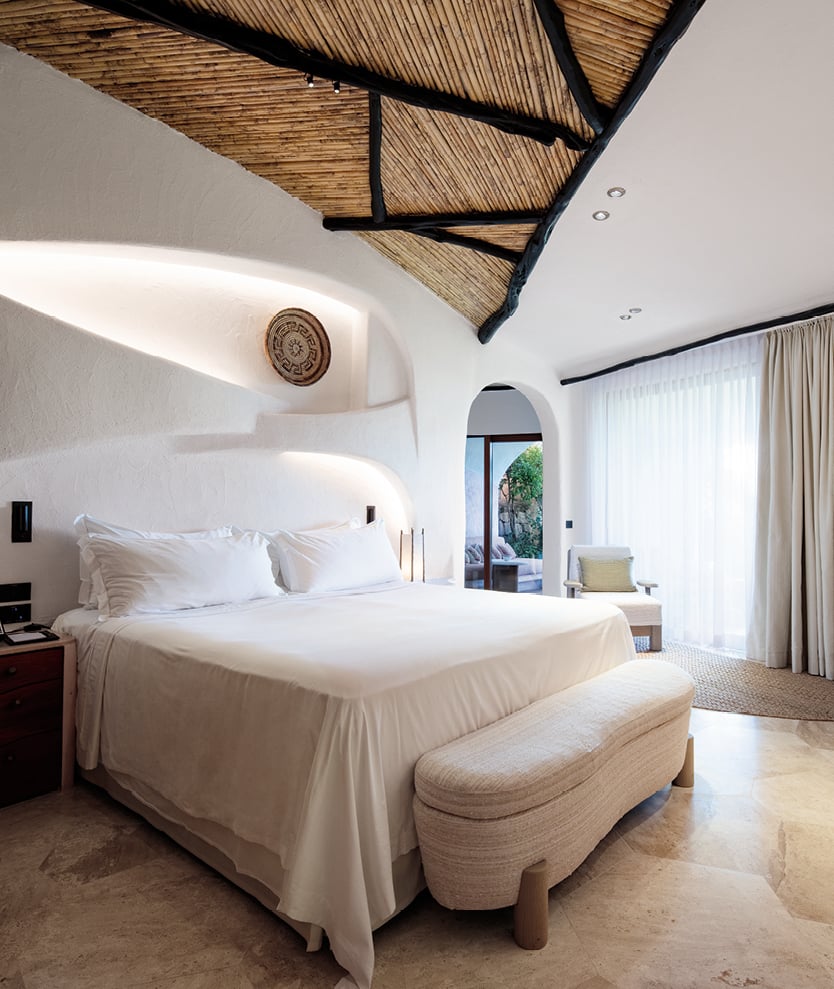
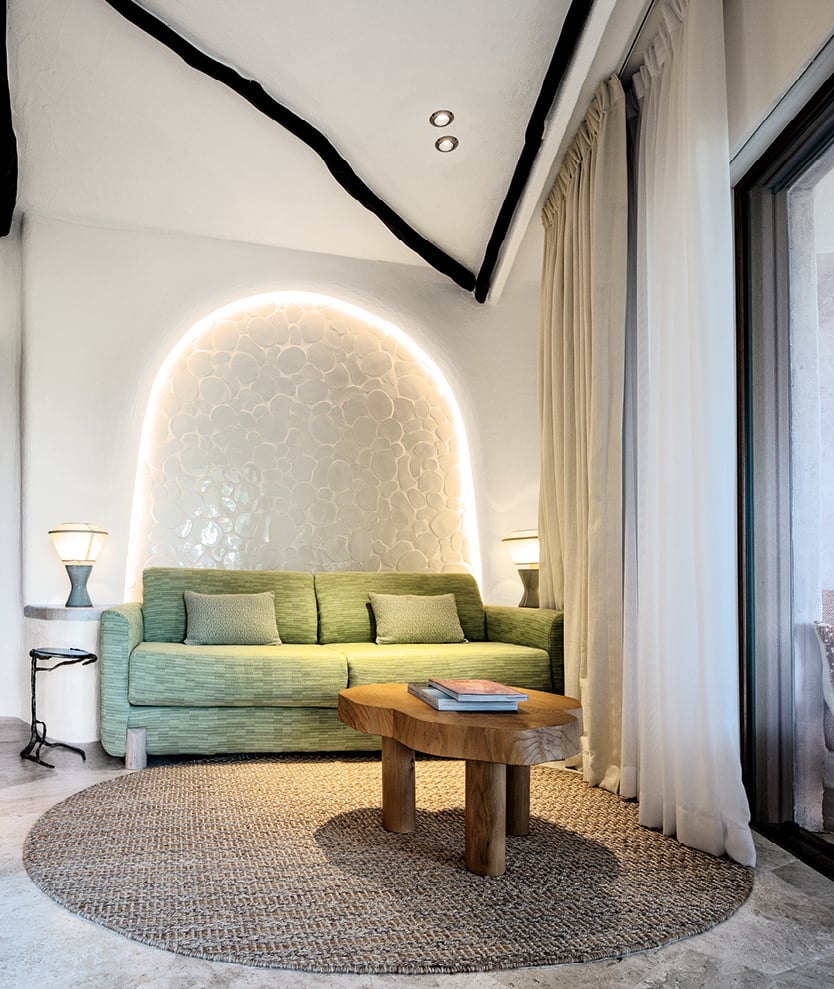
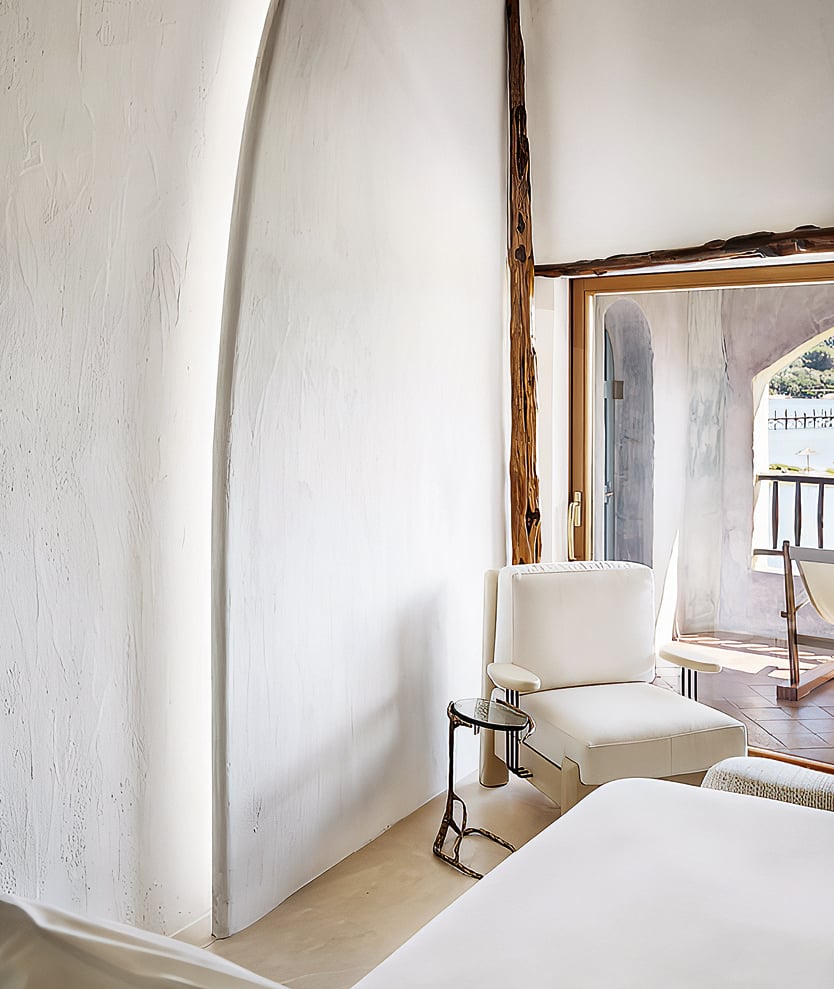
1960년대 호텔을 현대적이고 국제적인 호텔로 탈바꿈시키기 위해 브루노 모이나르와 클레어 베테일은 혁신적이면서도 뛰어난 창시자의 독창적인 정신에 충실한 프로젝트를 개발하여 최고 수준의 편안함을 선사합니다.
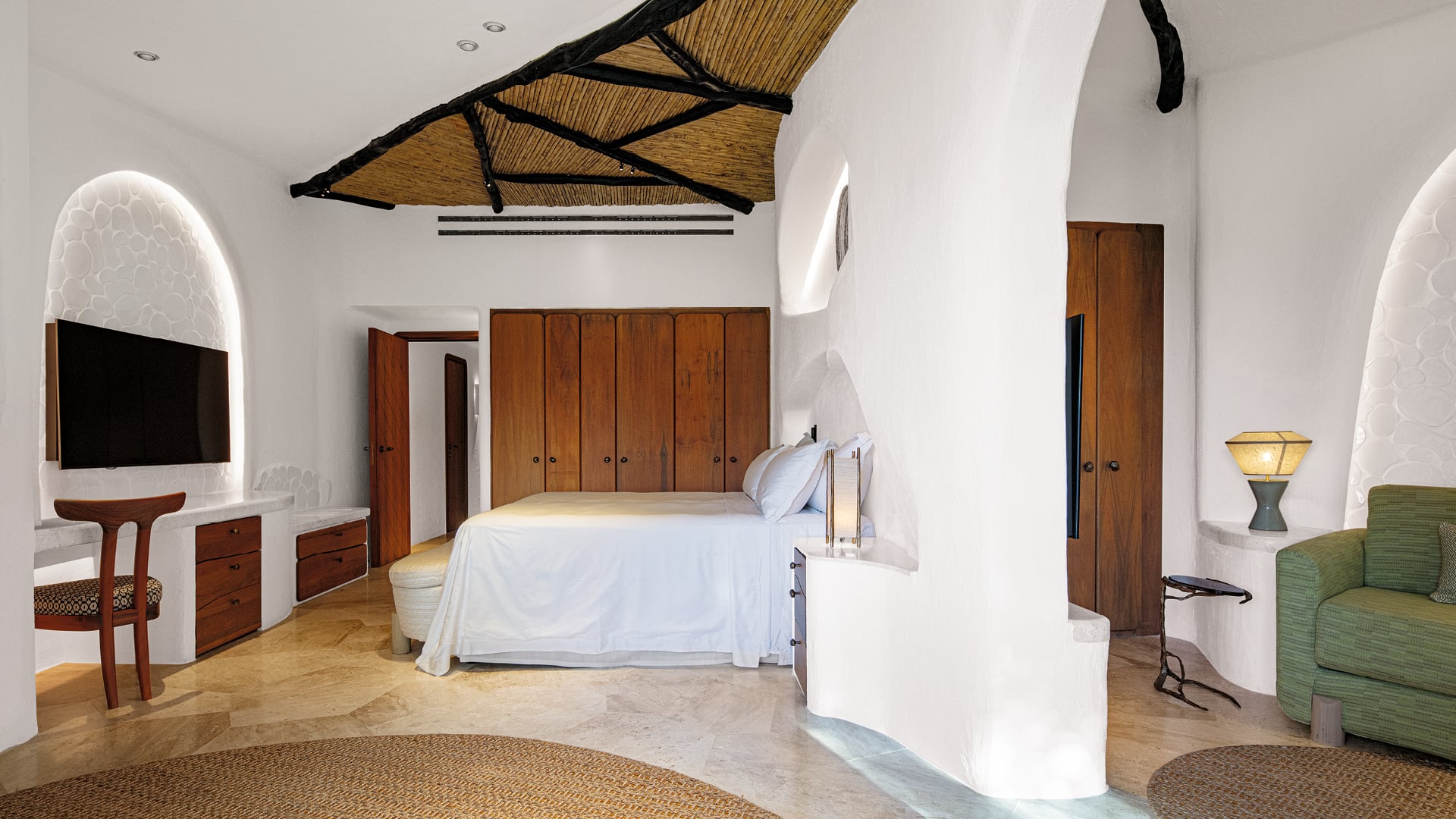
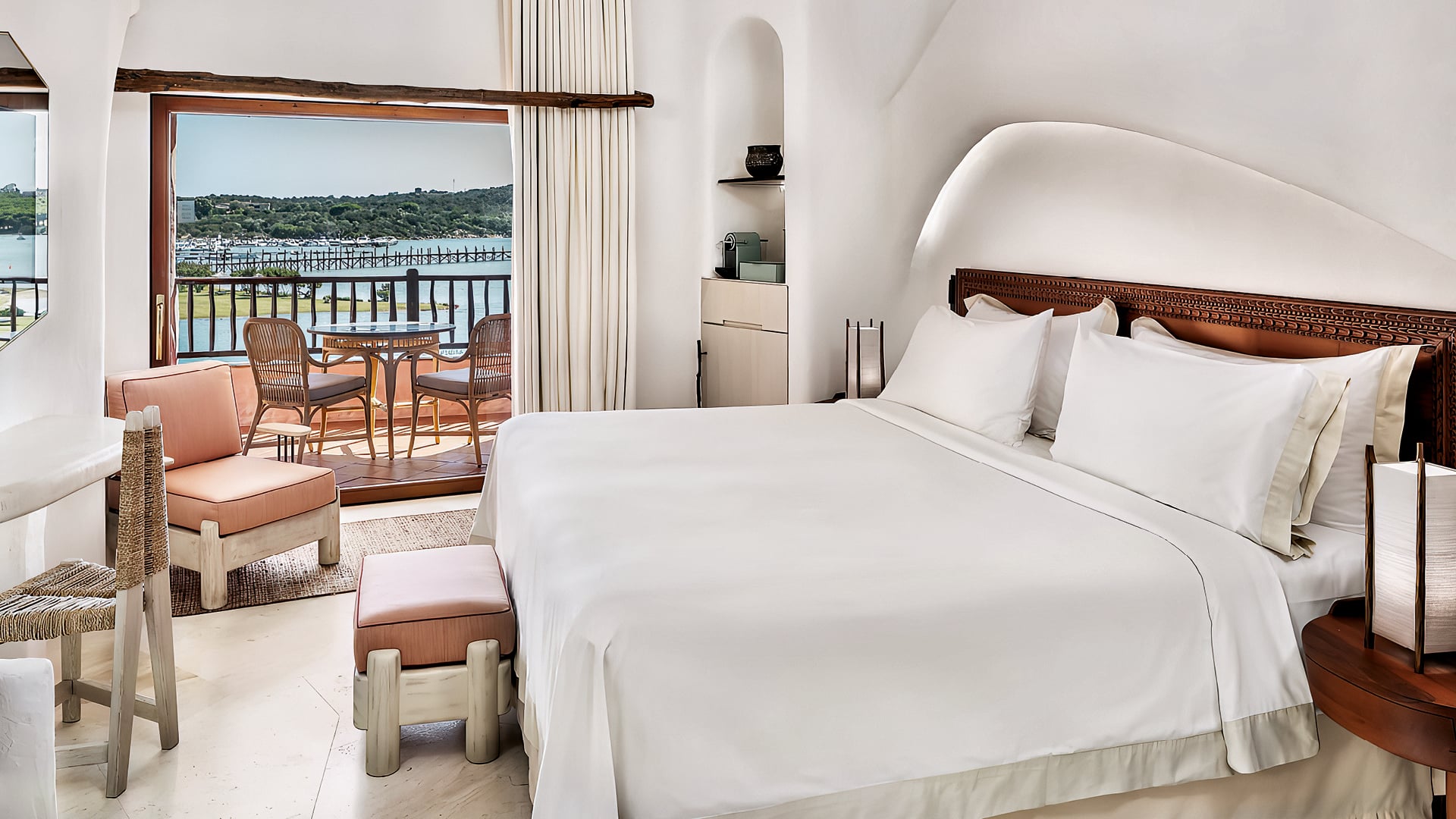
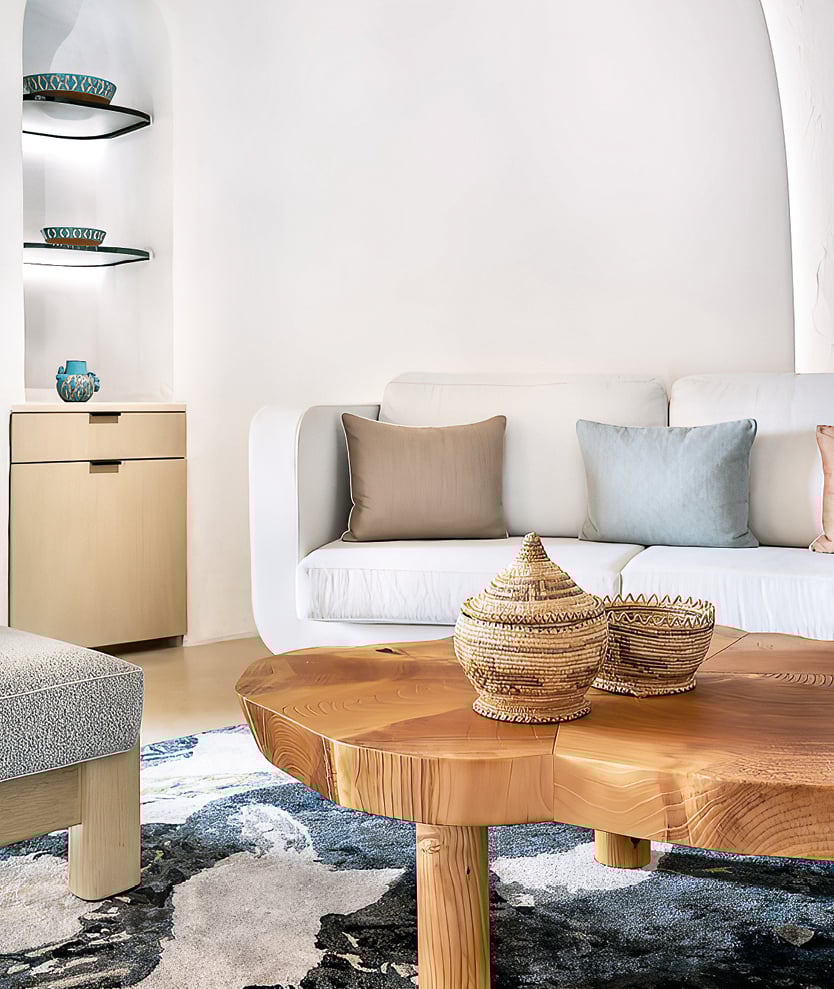
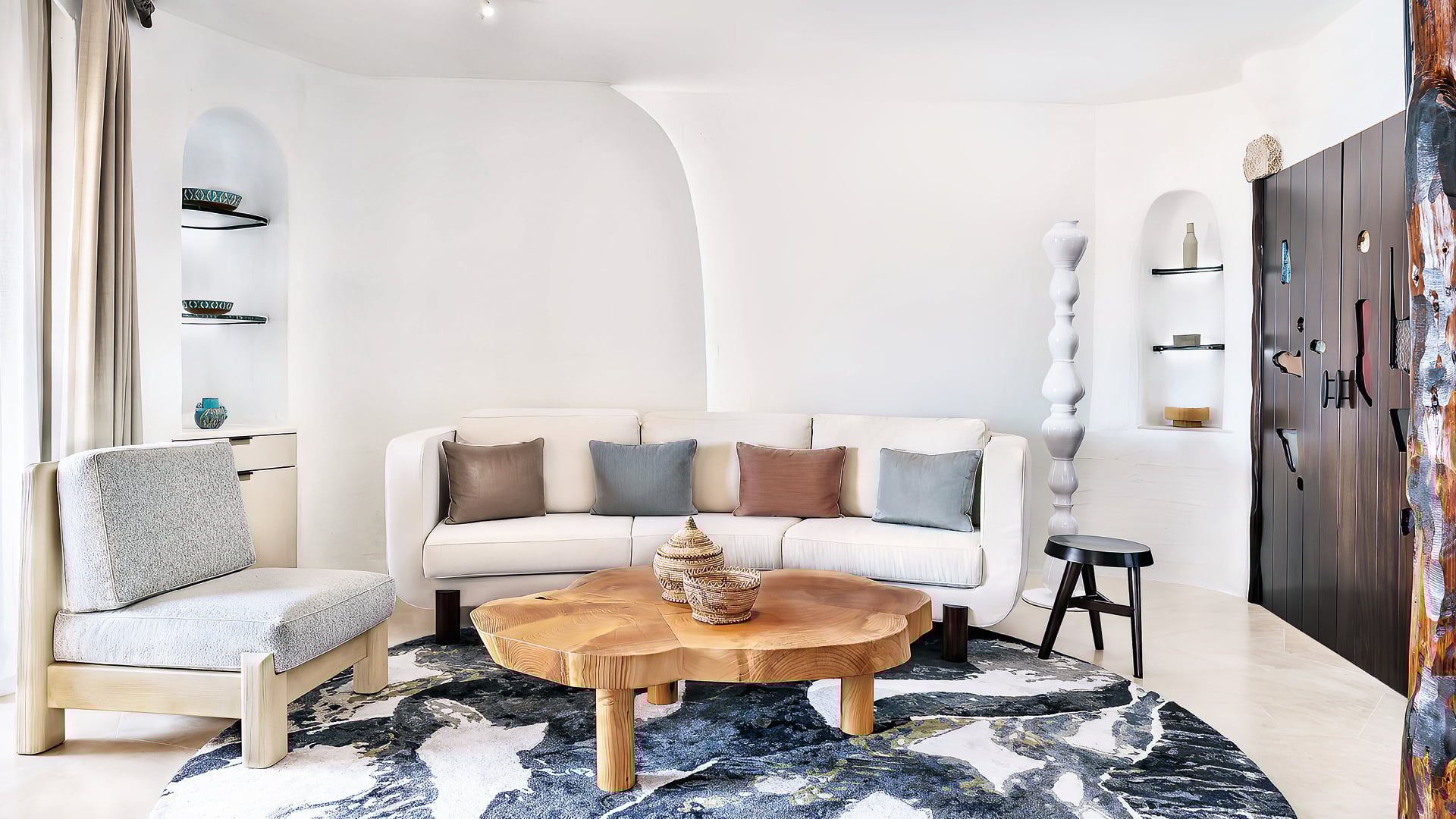
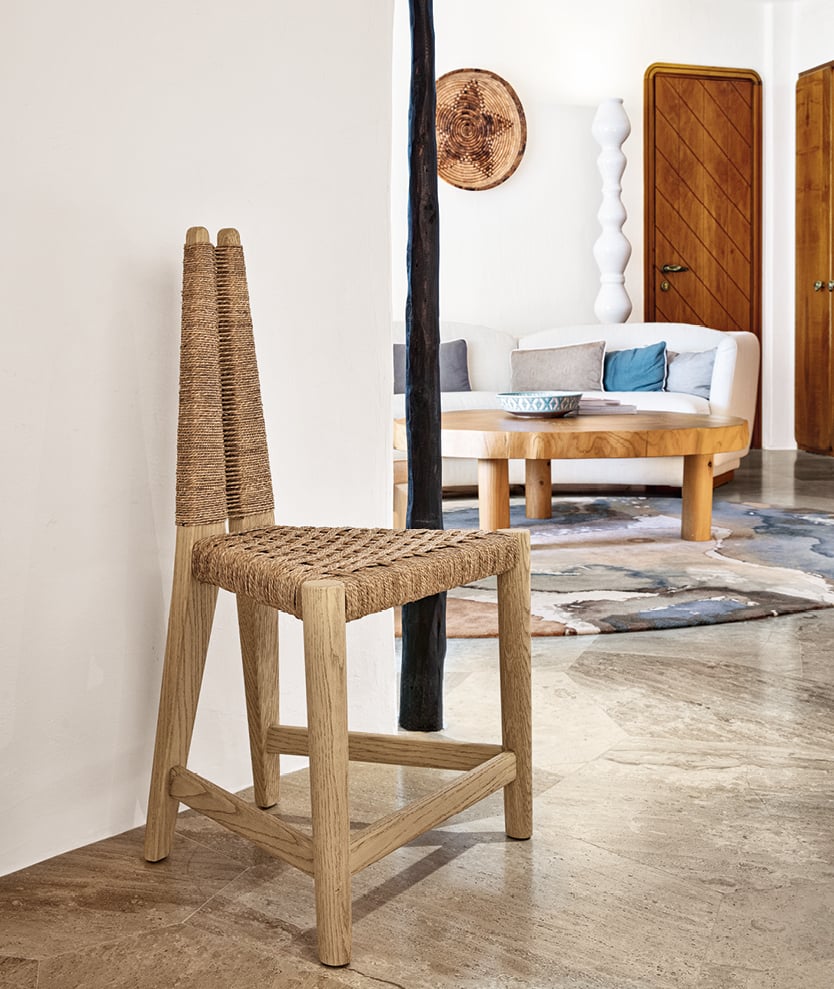
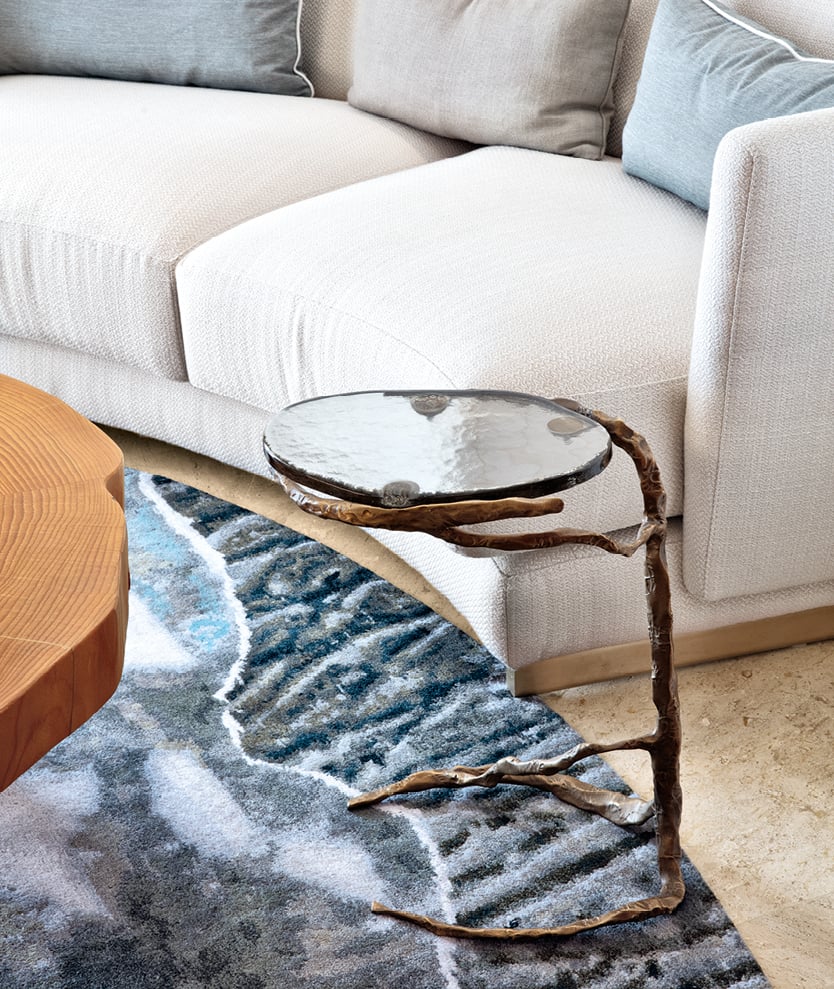
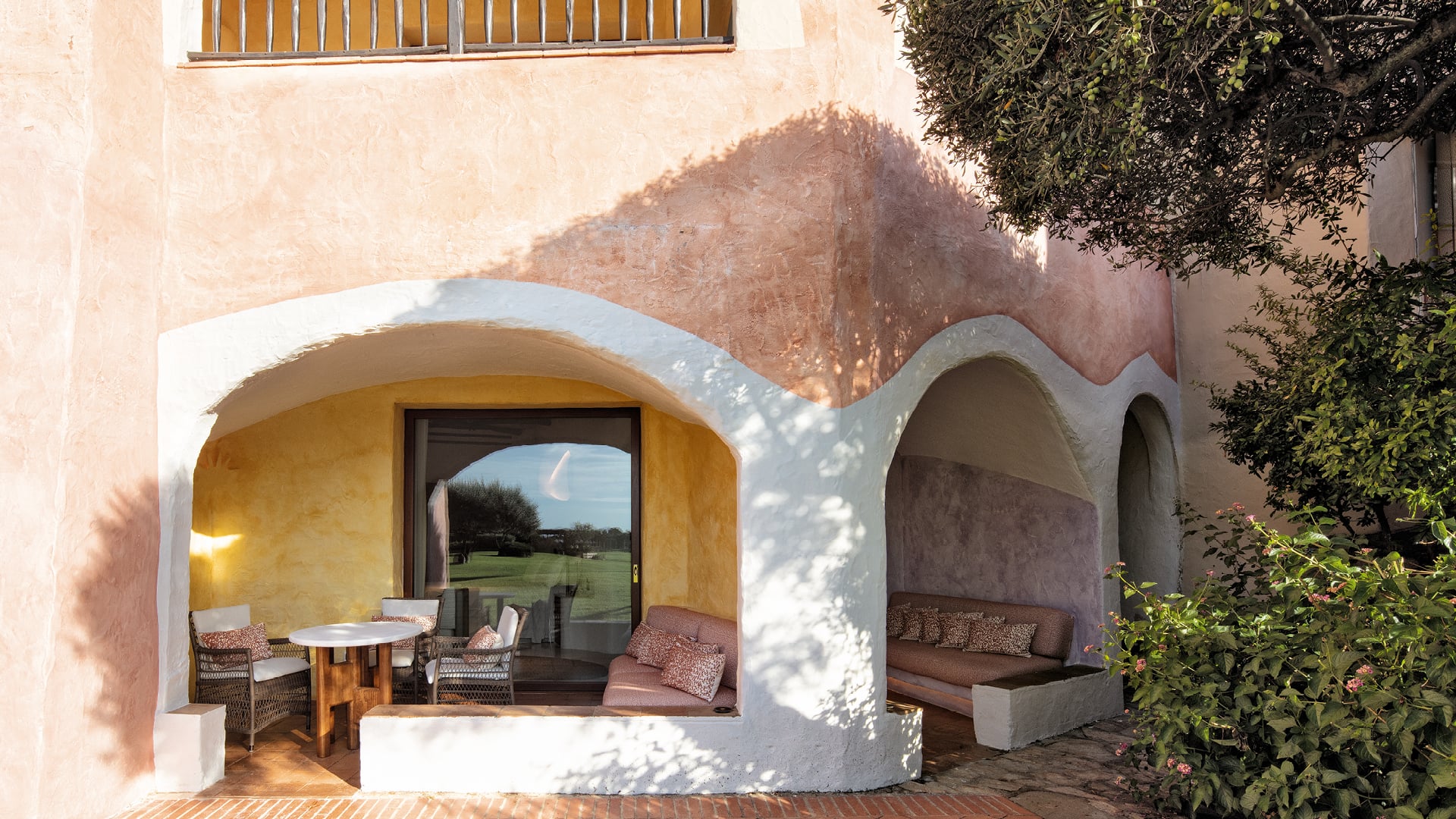
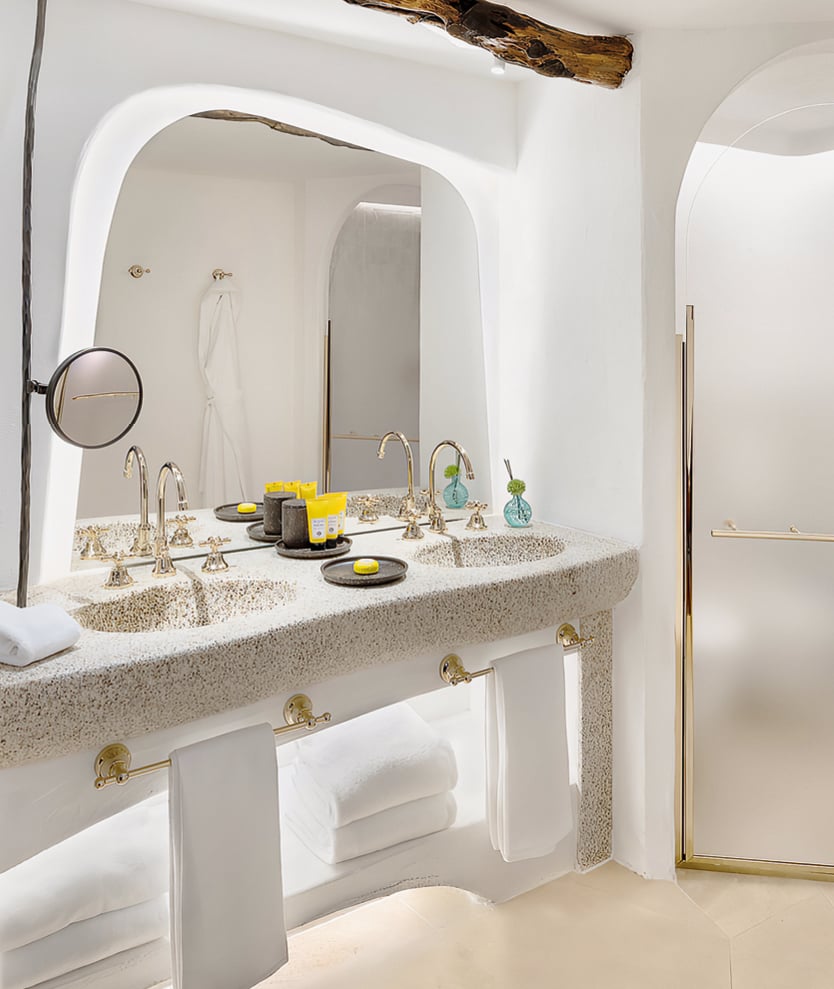
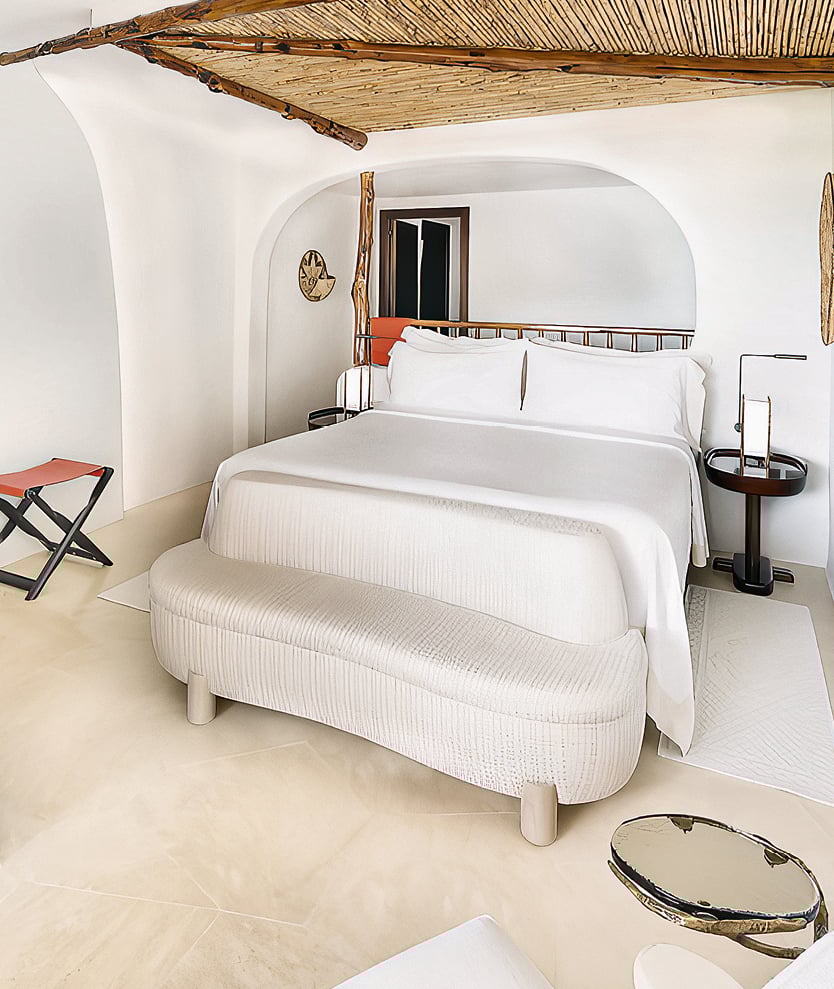
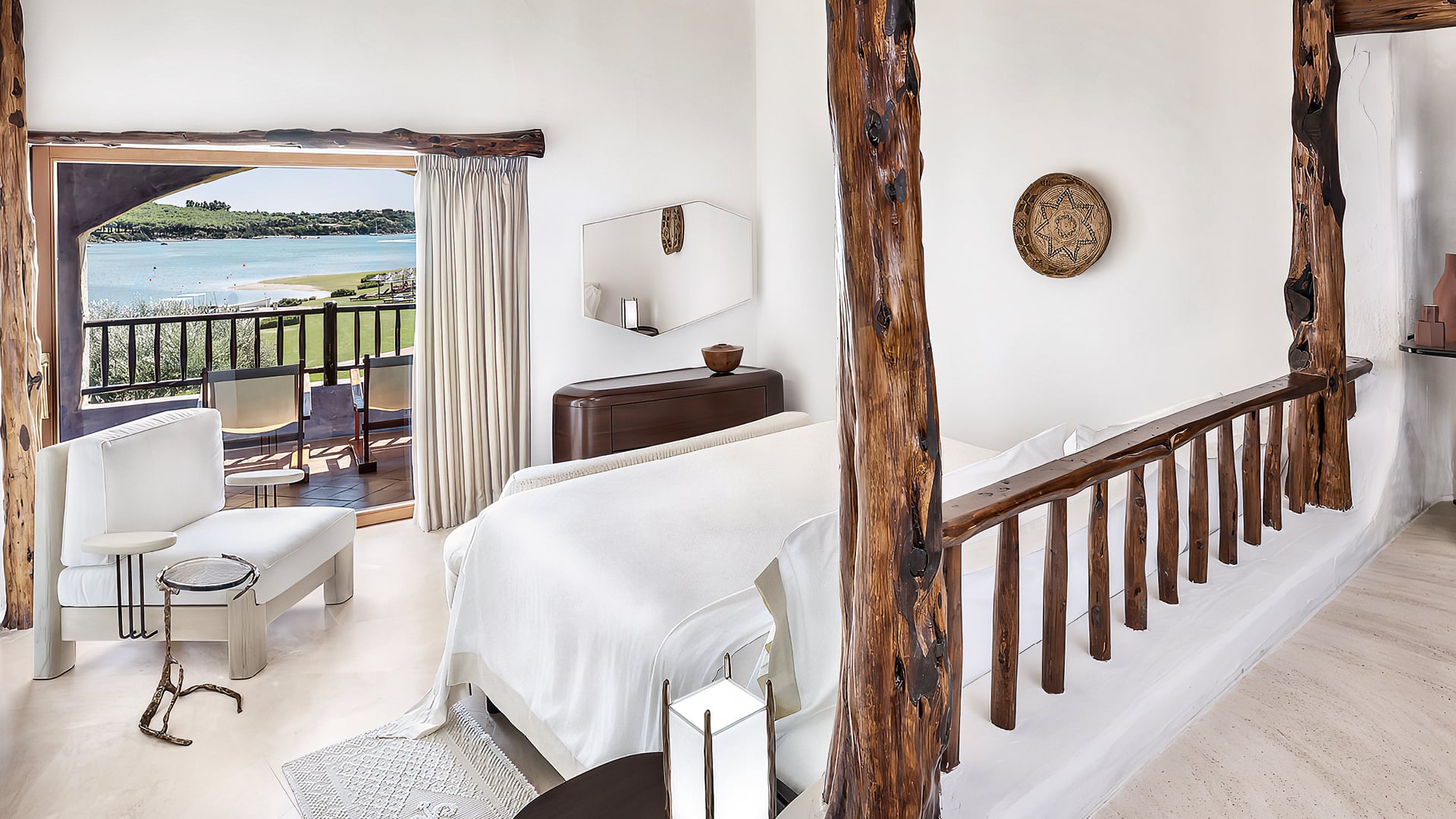
Poliform Contract는 객실과 Suite의 고정식 및 이동식 가구 공급 외에도 테이블과 서랍 유닛의 베이스, 손잡이, 청동 커튼봉을 건축가의 도면에 따라 디자인하고 3D 프린팅 기술을 사용하여 제작한 독특한 작품으로 제작했습니다.
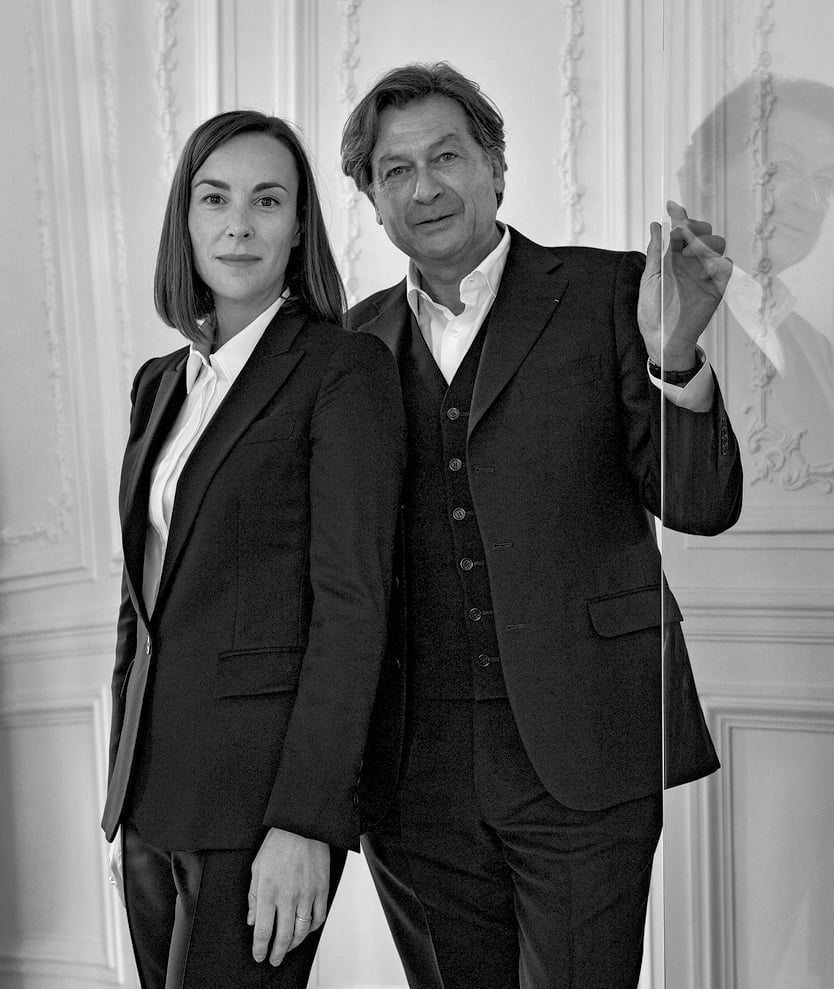
Bruno Moinard founded his architectural studio 4BI in 1996. Twelve years later, Claire Bétaille joined him and was named associate in 2012. Today, they run together Moinard Bétaille Studio, an interior design agency based in Paris.
Over the years, they have designed over 400 Cartier boutiques around the world, fitted out the Château Latour cellars for Kering, and renovated the Marc Veuve Clicquot hotel for LVMH. Their partnership has resulted in the creation of innumerous private residencies, luxury restaurants and boutiques, and many of the world’s most famous hotels, including the renovation of Cala di Volpe: the legendary hotel by French “sculptor of houses”, Jacques Couëlle.
Far from a simple makeover, Cala di Volpe’s renovation has succeeded in embracing the original concept of its creator, staying true to his radical vision whilst adapting it to fit contemporary society.
You recently renovated Hotel Cala di Volpe, a masterpiece along Sardinia’s Costa Smeralda. Had you heard of this hotel before?
Yes, it’s a legendary hotel for us as French architects. Jacques Couëlle represents a certain interpretation of simplicity in life – and I say interpretation because he wasn’t simple, even at the time. Actually, he was quite sophisticated, even back then.
What was your approach to the renovation?
When Bruno and I went there for the first time, we were quite shocked; the hotel was actually very damaged by time, and no longer portrayed the ideas of comfort and luxury. Things hadn’t been changed since the Sixties – it felt almost like an old lady sleeping, living in the myth of the past. There was nothing which expressed any sort of magic. Our approach was to change everything without changing anything: a concept that reflects a quote from a famous Italian novel, The Leopard by Giuseppe Tomasi di Lampedusa. This is a concept we practice regularly: we pay enormous respect to existing buildings, to their spirit and their soul, and we treated Cala di Volpe the same way. Our work was almost surgical: in some areas, we touched nearly nothing, whilst in others we performed a sort of invisible revolution. We didn’t behave as if we were in a museum: we believed that everything could benefit from a second look and deserved to reborn. But we also created, as if past and present were part of a whole story.
Did you consider the guests when renovating Cala di Volpe?
Yes. This hotel is unusual in that it has welcomed families from three generations; people have been staying in the same bedroom every year for 20, even 30 years. We were renovating their holiday home – not just a hotel room, but something much more personal.
How did you transform a hotel from the 1960s into a contemporary hotel?
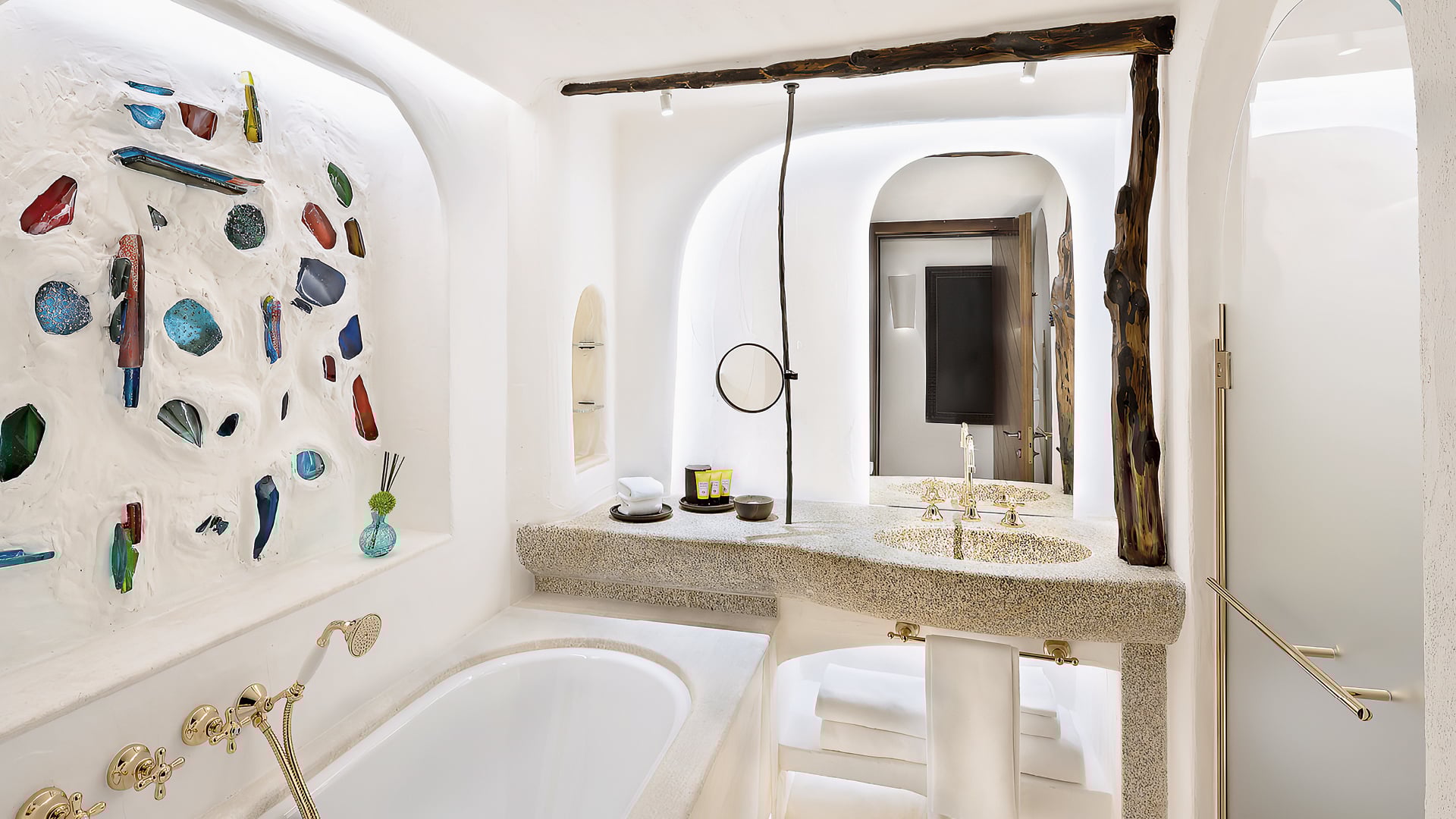
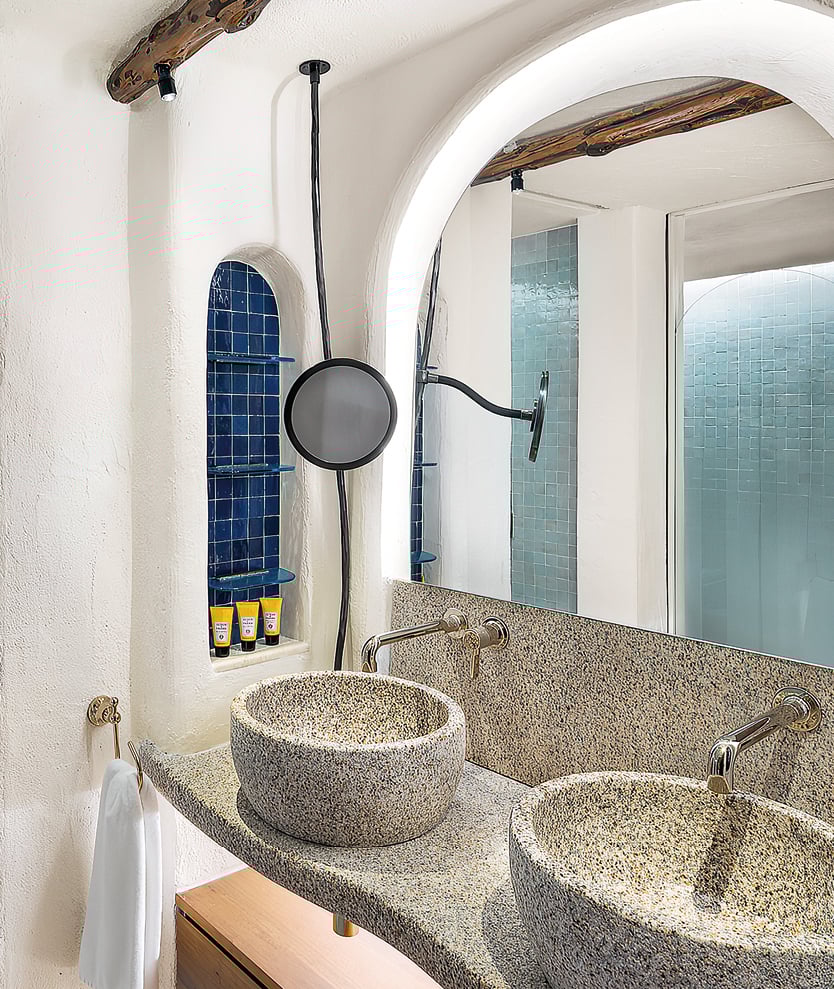
We made quite a few changes. Primarily, there are technical differences: now we are able to provide guests with air conditioning and any other creature comforts, both in the bedroom and in the bathroom. We integrated a lot of technology; the principle was that it had to be invisible – fully invisible – and this is something we can do today thanks to the progress made in that field. We also worked on adapting our proposal to fit those who are much more familiar with diversity and extreme luxury: in the Sixties, people didn’t travel as much as they do now.
What was the concept behind the hotel rooms?
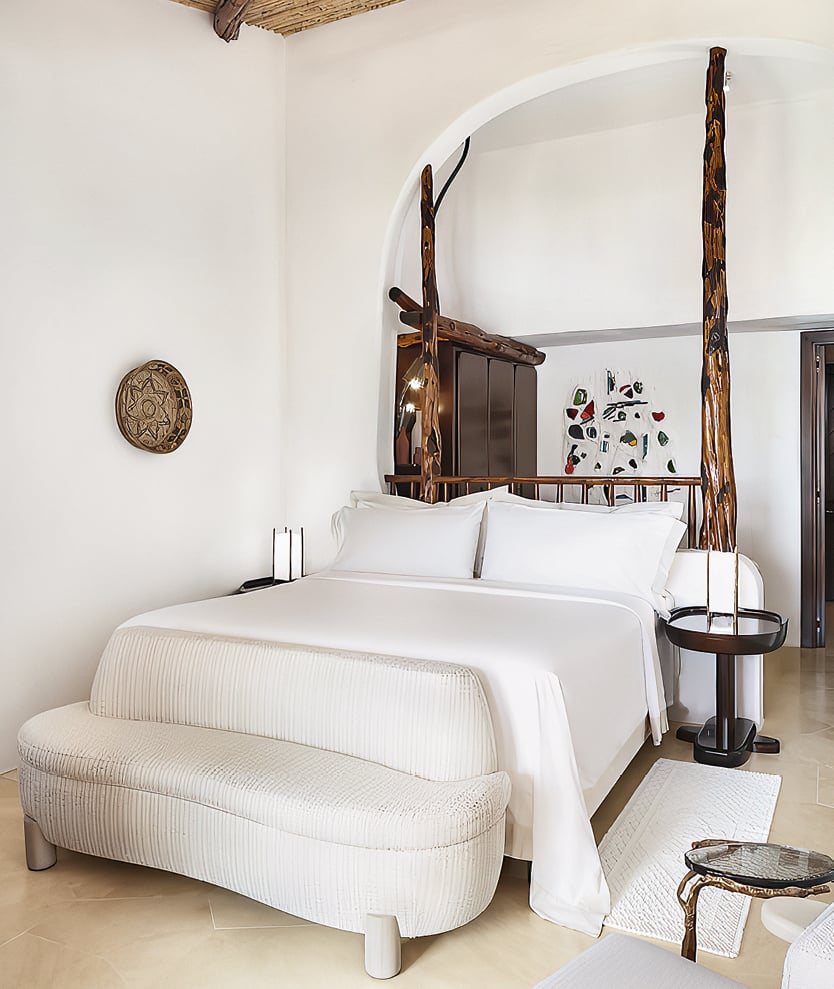
Every detail was reconsidered, from the positioning of the bed to the size of the wardrobe, from the lighting to the bathroom. In Cala di Volpe, people stay outside all day, and it’s extremely important that the dream continues within the hotel. We made sure that the technology was invisible. The lighting is very smooth and soft, so that people can better enjoy their time spent in beautiful surroundings.
What about the furniture?
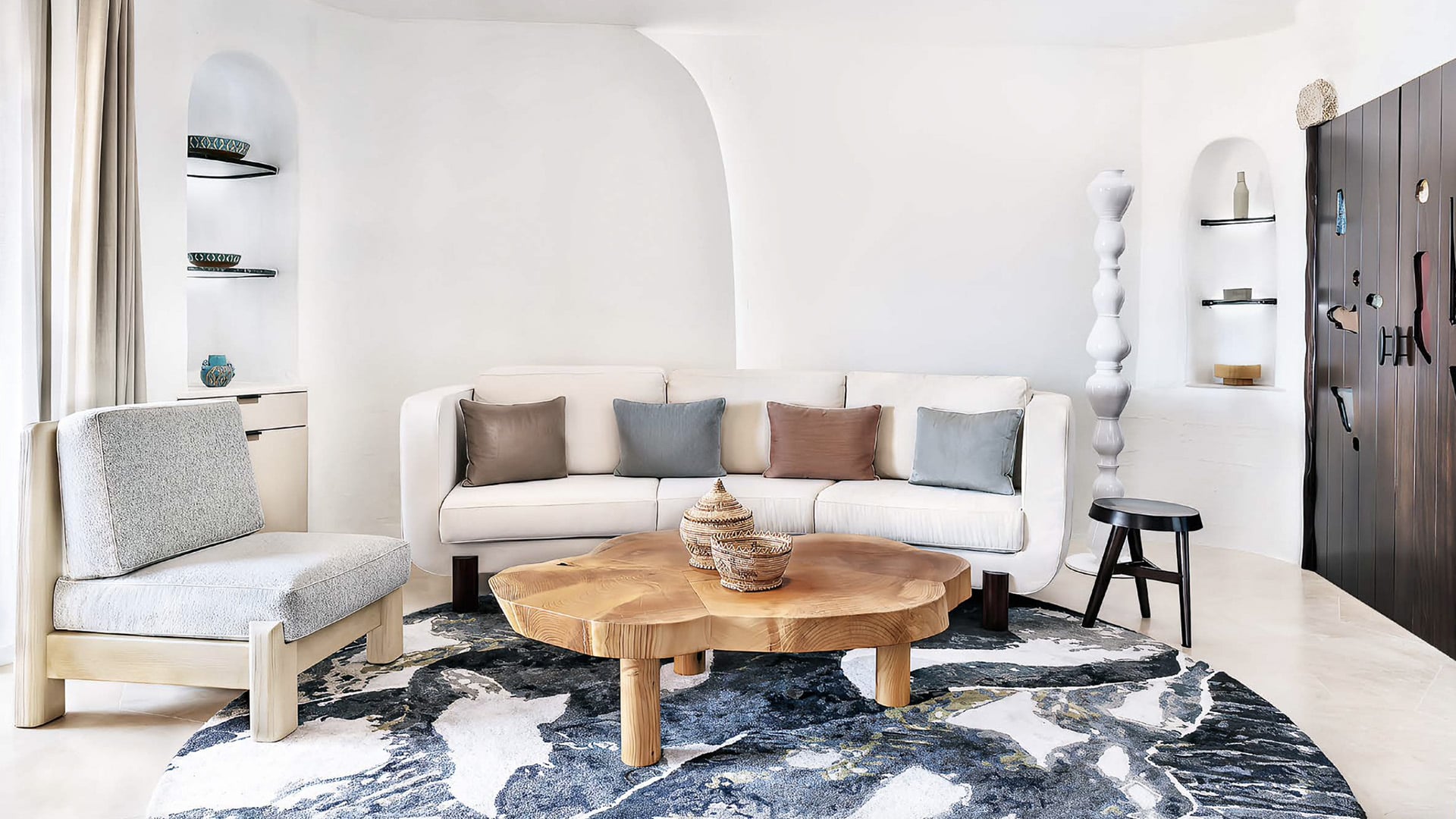
We design bespoke furniture for every hotel we work on. This renders our work whole, a complete approximation of our vision. For Cala di Volpe, we imagined the furniture to somehow be both elementary and one-of-a-kind works of art, like the coffee table with a bronze stand and a top in poured glass, resembling a private pool.
What was Poliform’s contribution to the overall project?
We want to mention something that may sound insignificant, but which was very important for us. We had a vision of seaweed: a vegetable element emerging from the sea and becoming a solid element, like a rock. So we made some sketches and, hand-in-hand with Poliform, we developed bronze elements that represent seaweed; not flat, not twisted, but with an interesting shape. With this, we created metal legs for the coffee tables and chest of drawers, table lamps, curtain stands and handles. We actually moulded the handles on our own hands, so they are very comfortable to the touch. This kind of creation seemed obvious to us, because Jacques Couëlle too used to work a lot with iron and metal sculptures. We simply created a modern interpretation of this. Poliform was able to integrate our vision with technology and make it happen. All bronze elements are 3D printed: they look handmade, but are also high-quality in terms of performance.
A lot of your designs are related to luxury. How do you express this idea and what is luxury today?
Yes, it’s true, a lot of our designs are related to luxury. We just completed the first ever Cartier flagship store in Paris, in Rue de la Paix. It’s not exactly comparable, but somehow there are some parallels: luxury today is mainly about comfort and making things invisible for guests. We believe that people are able to feel, even without any architectural or design knowledge, that their surroundings are treating them well. Even if people can’t consciously pinpoint it, at the end of a stay, they feel well-treated. In Cala di Volpe, comfort stems from the invisible: the softness of the lighting, the attenuated sound in the corridor, the gentle angles of almost every element. All your senses tell you that you are welcomed, and that you feel good. We believe that this, in itself, is luxury.