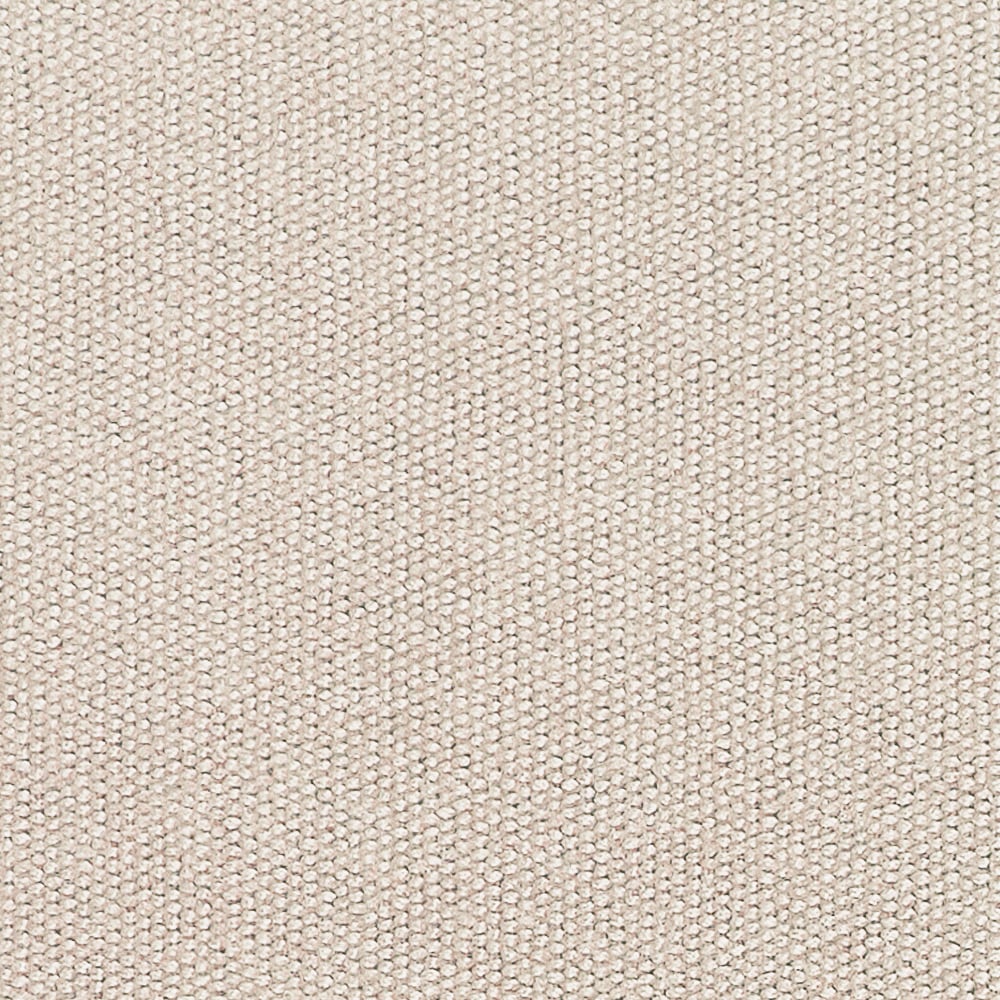
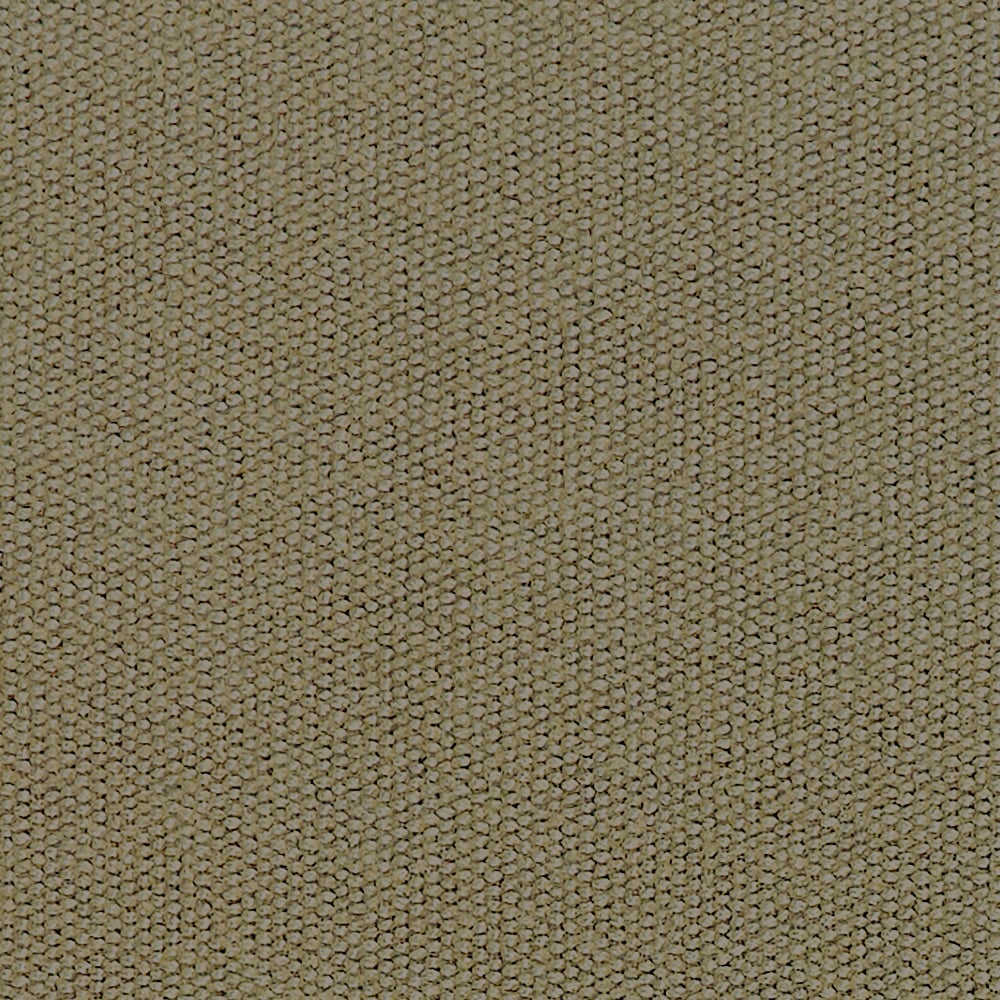
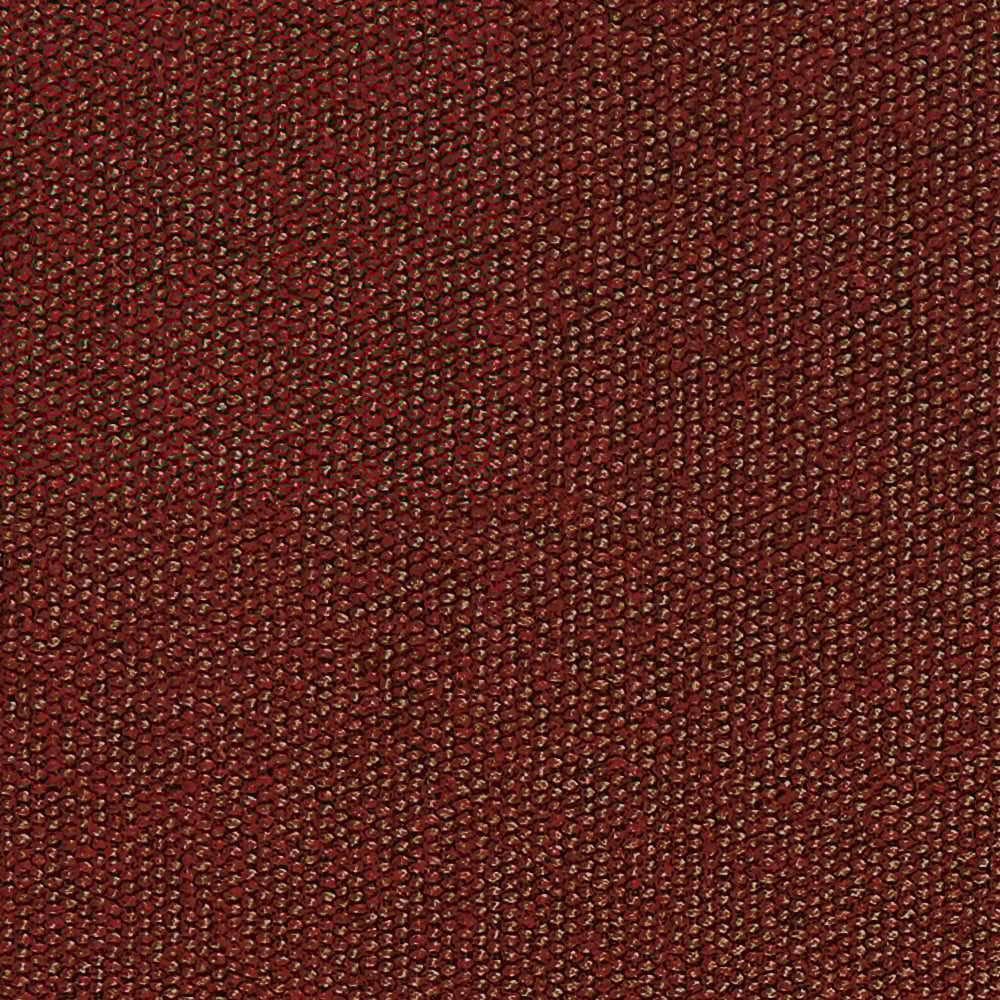
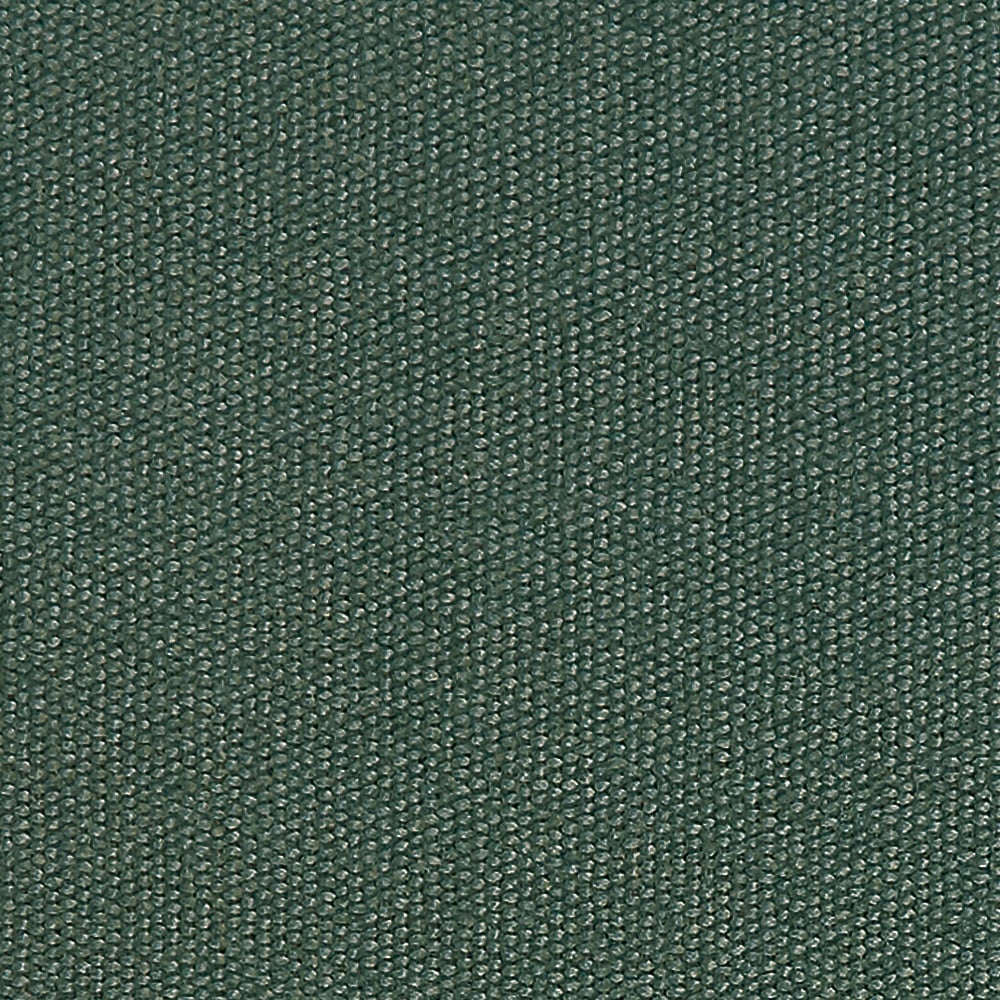
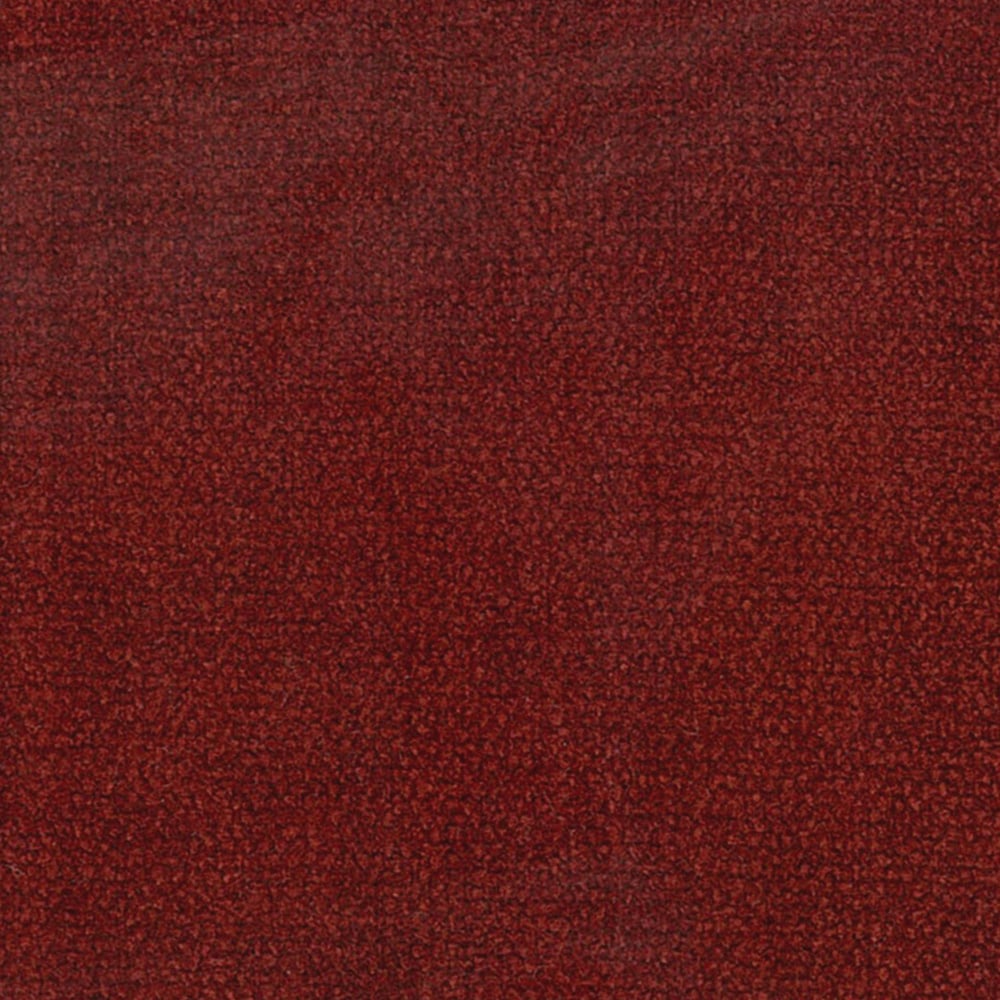
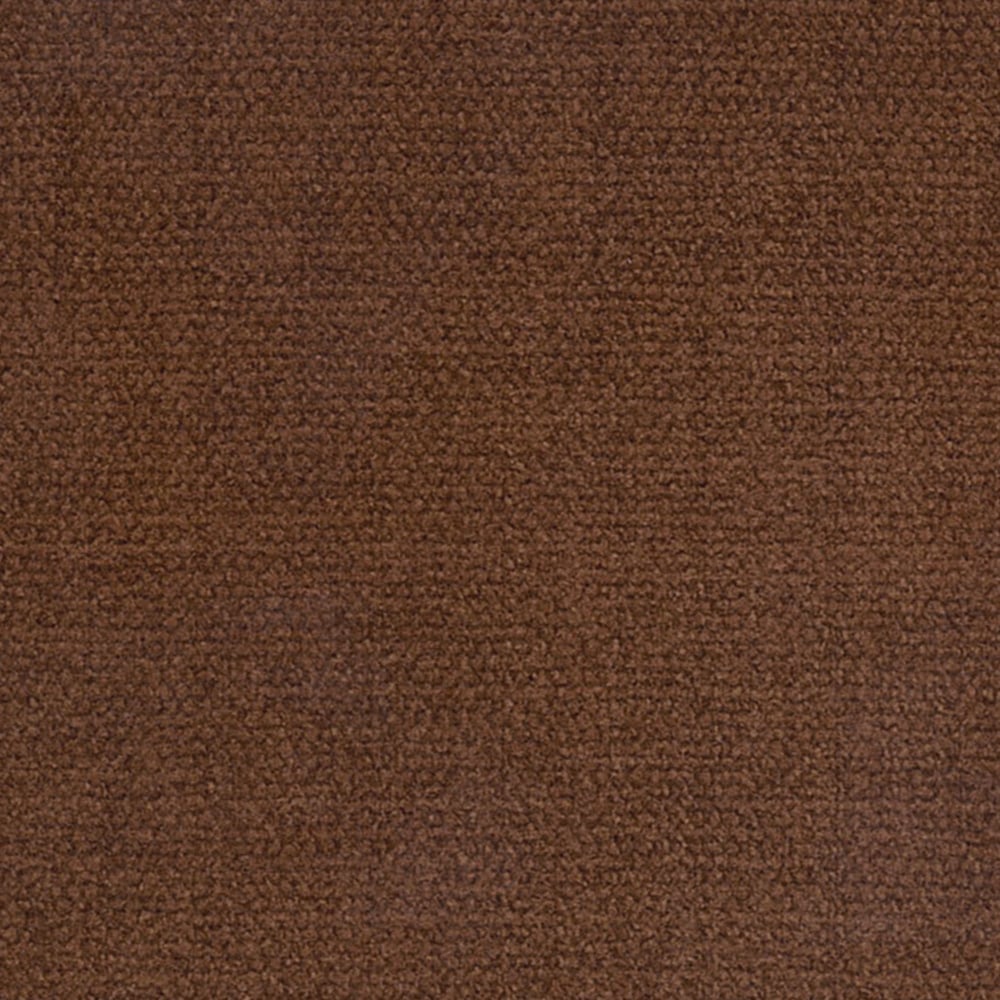
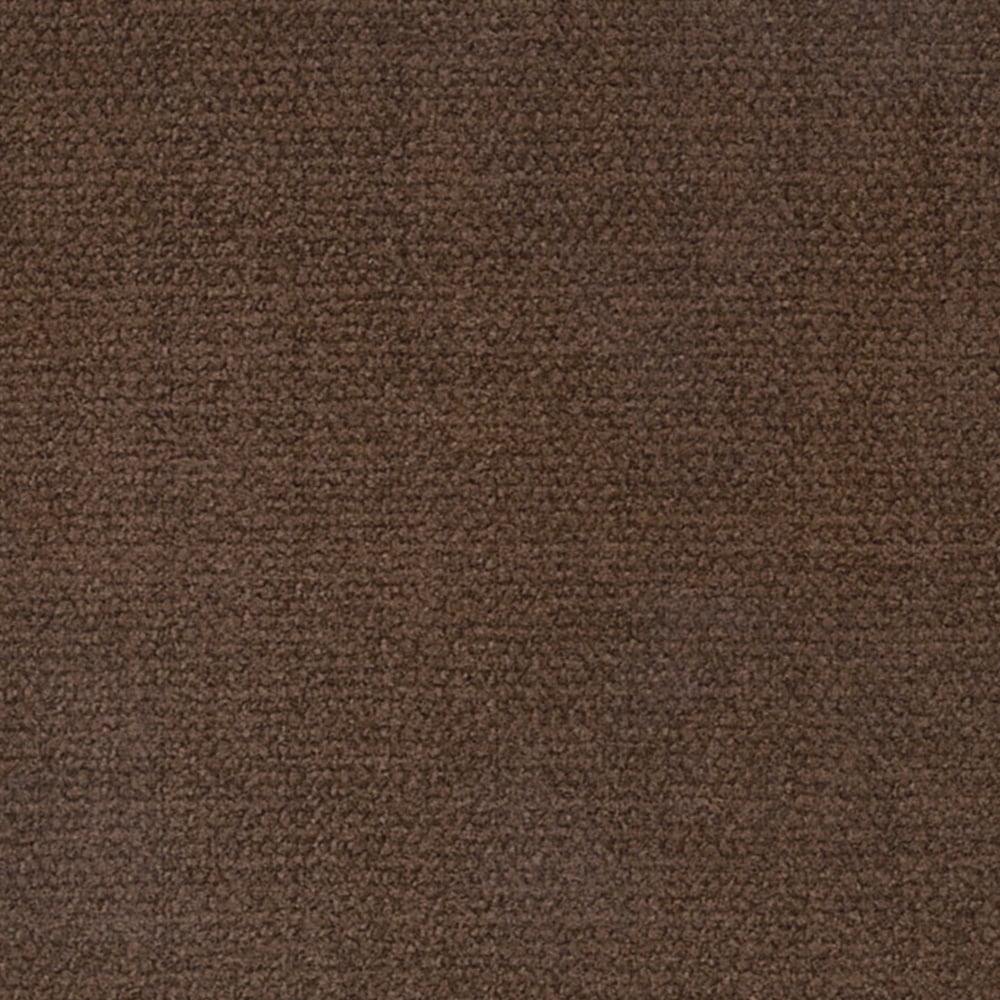
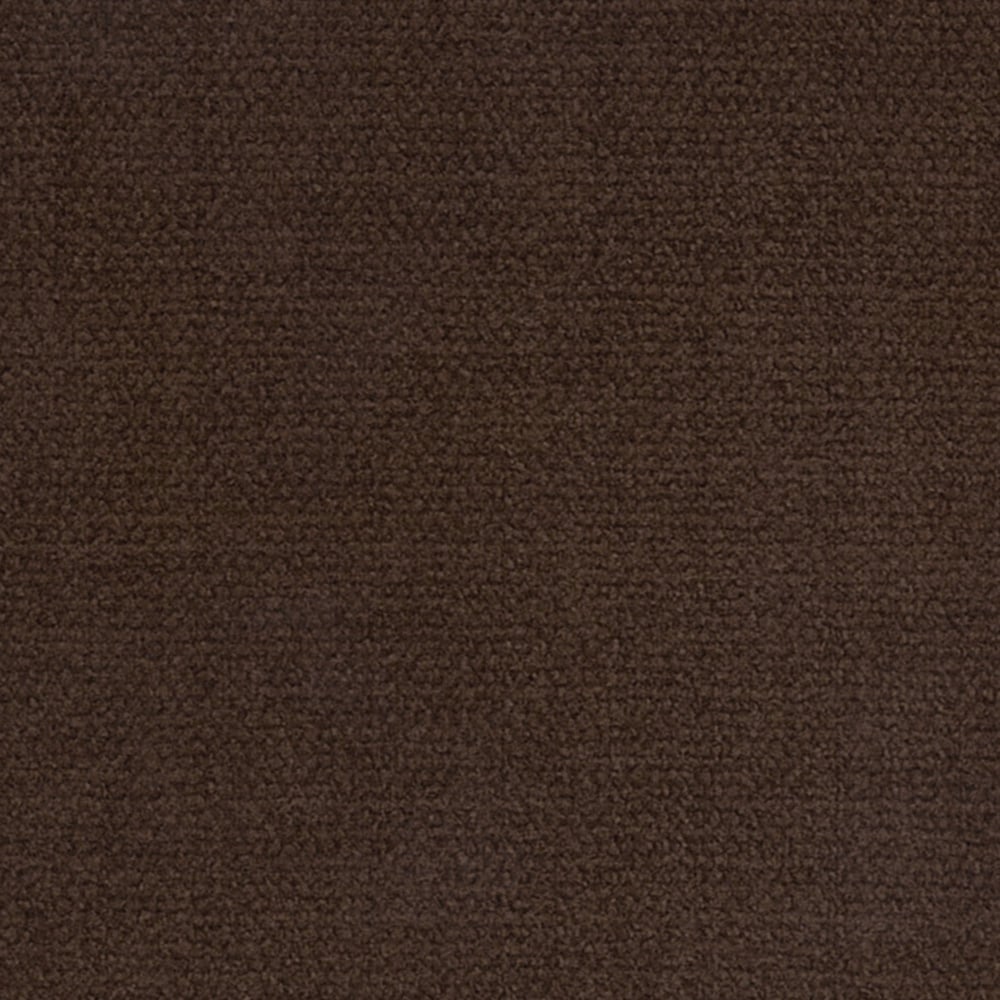
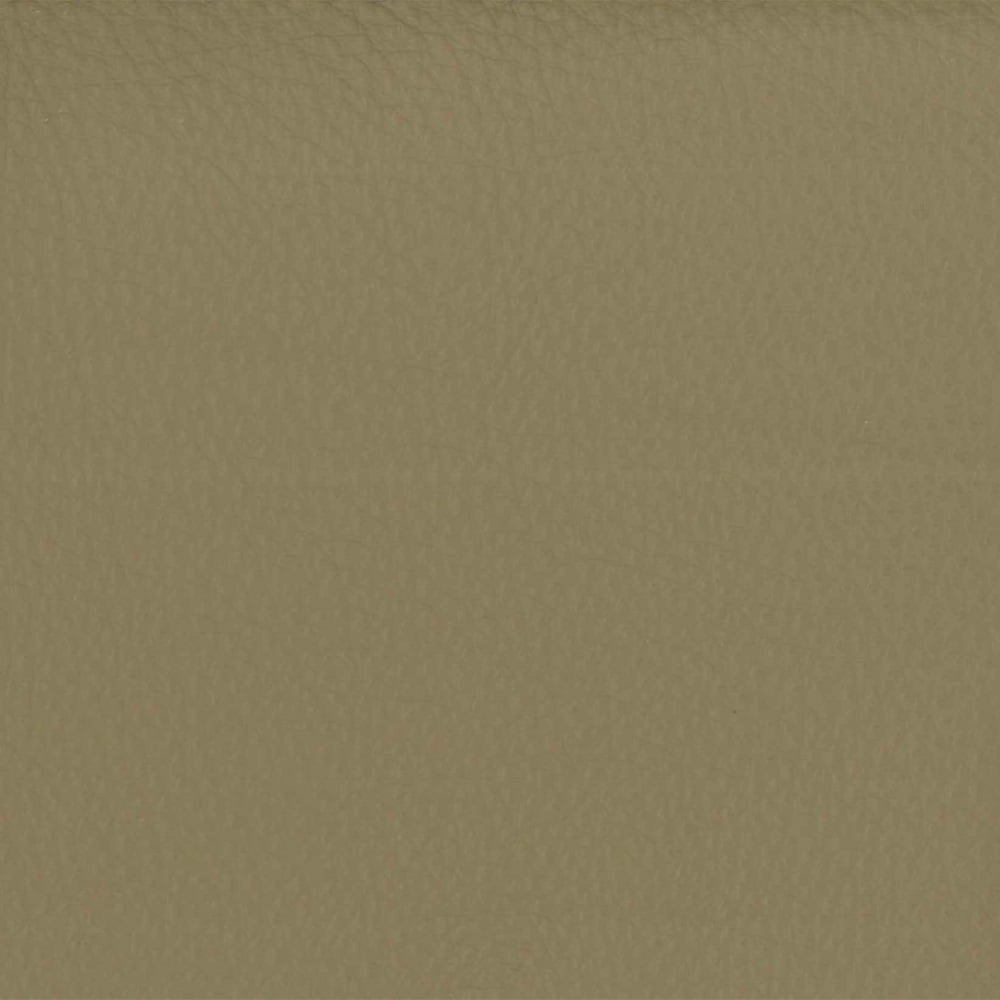
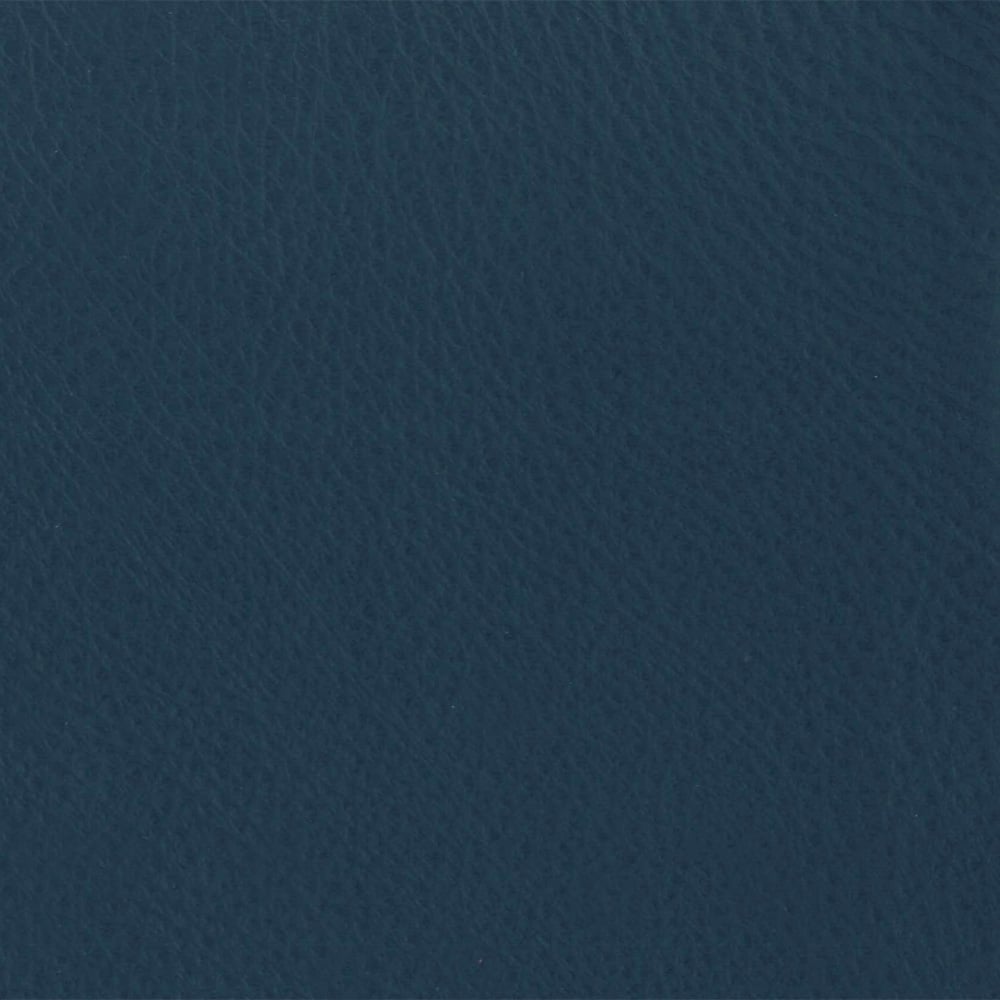
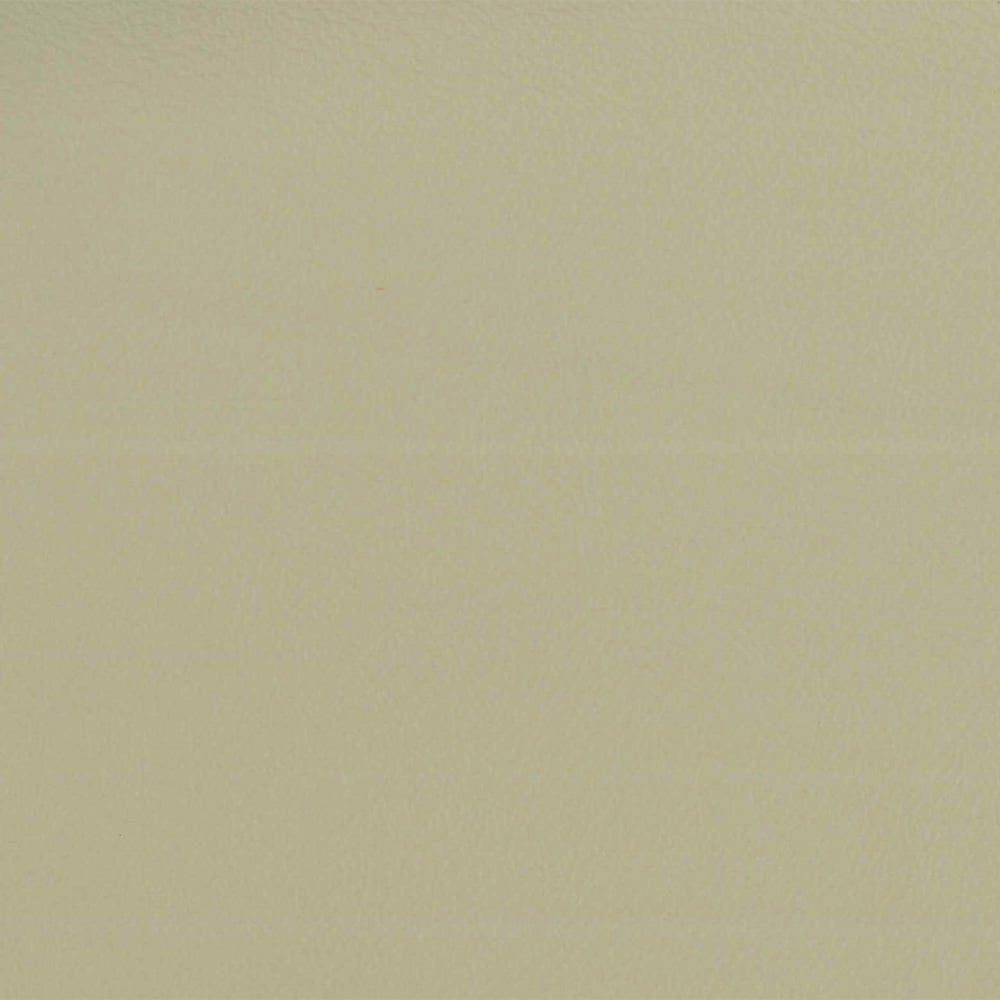
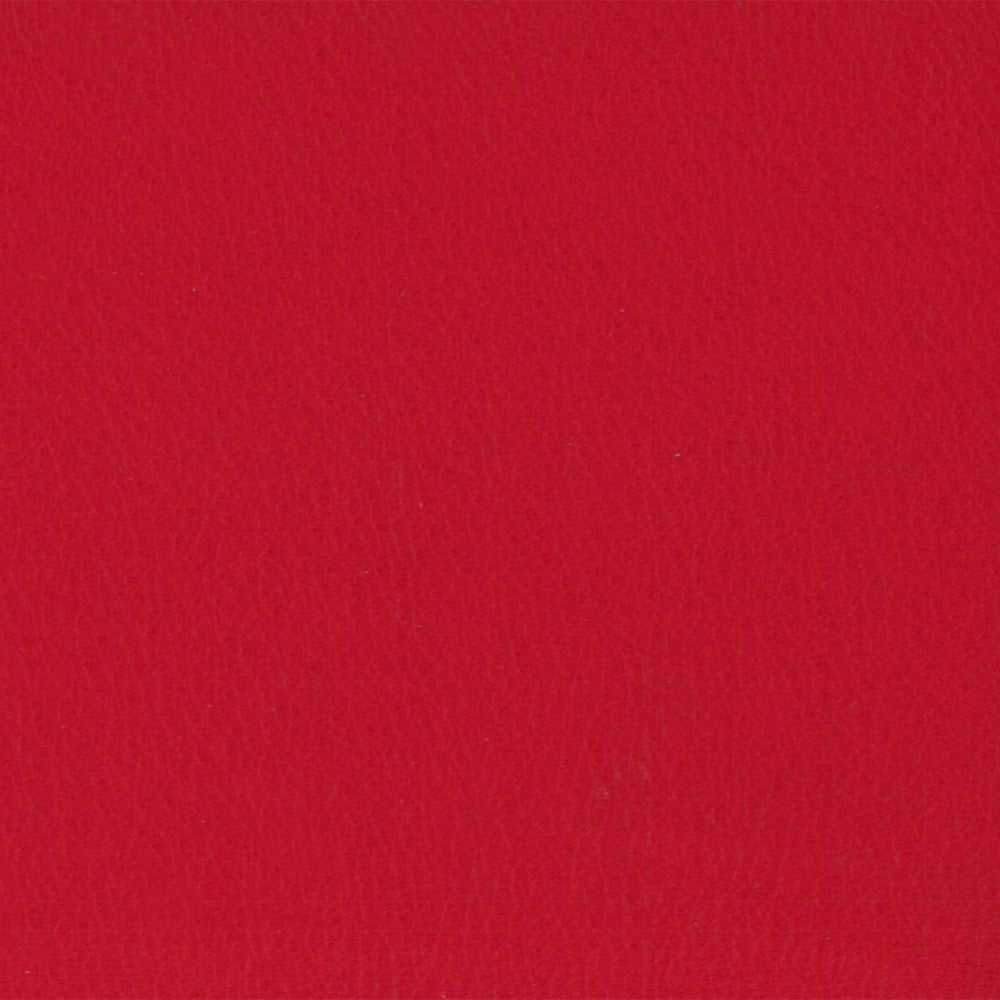
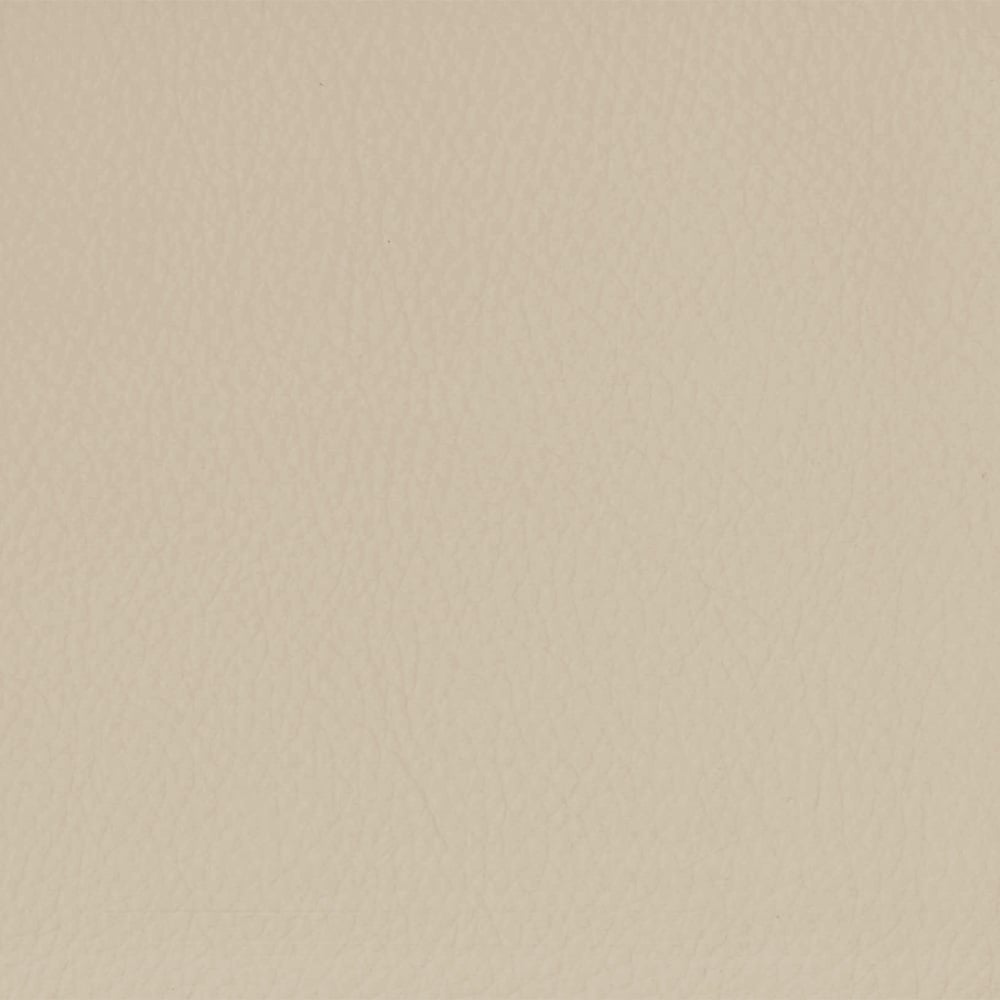
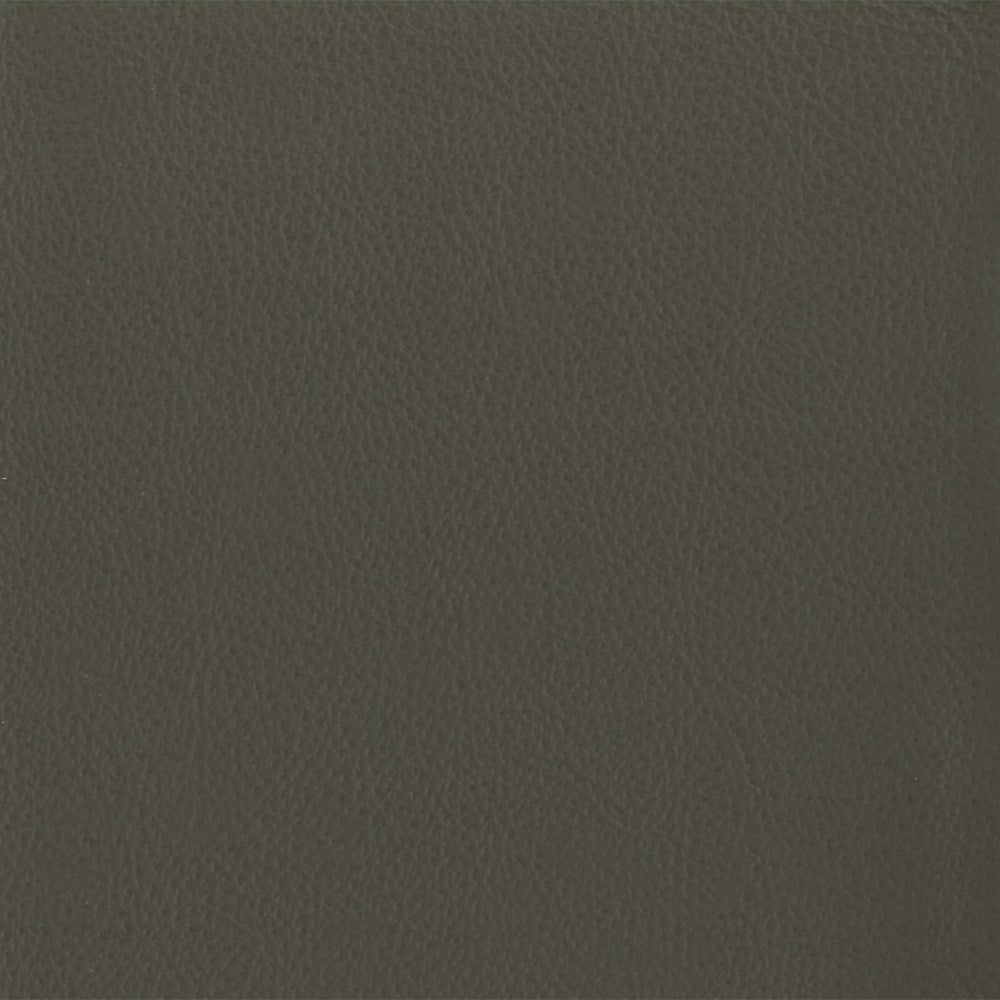
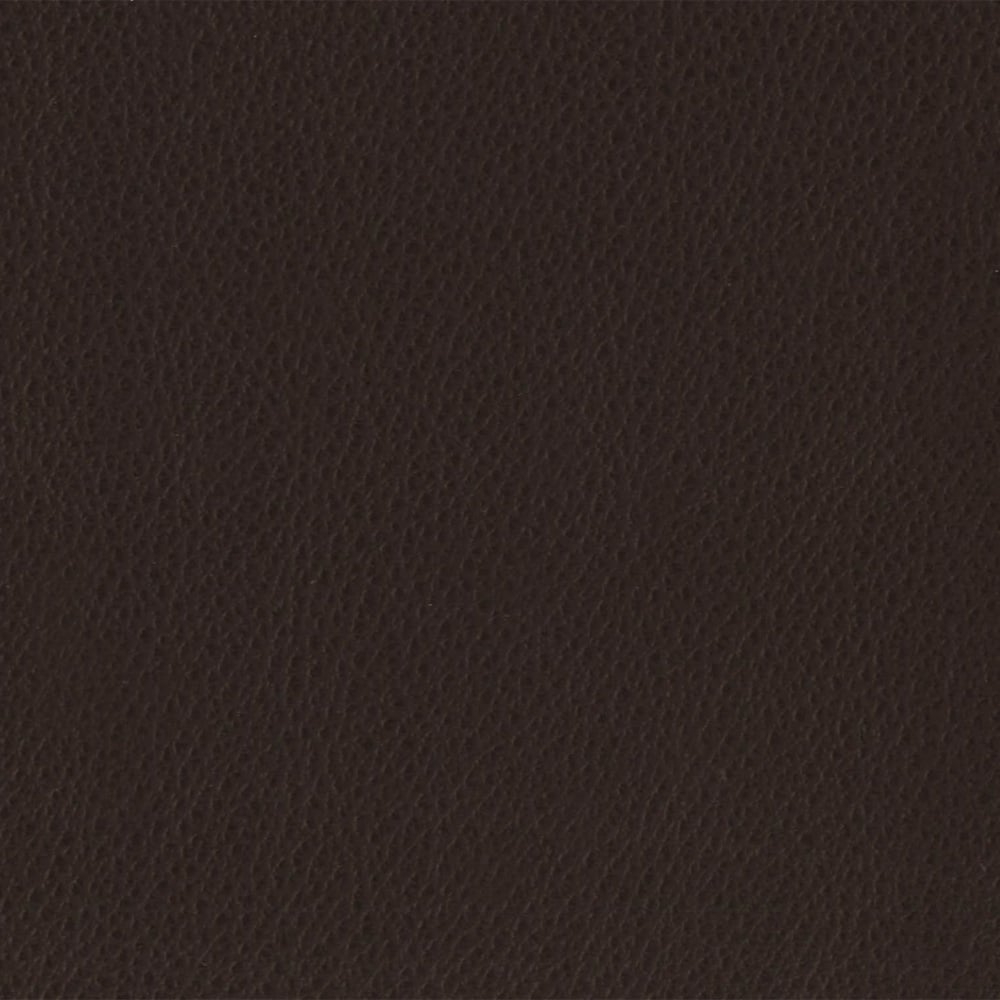
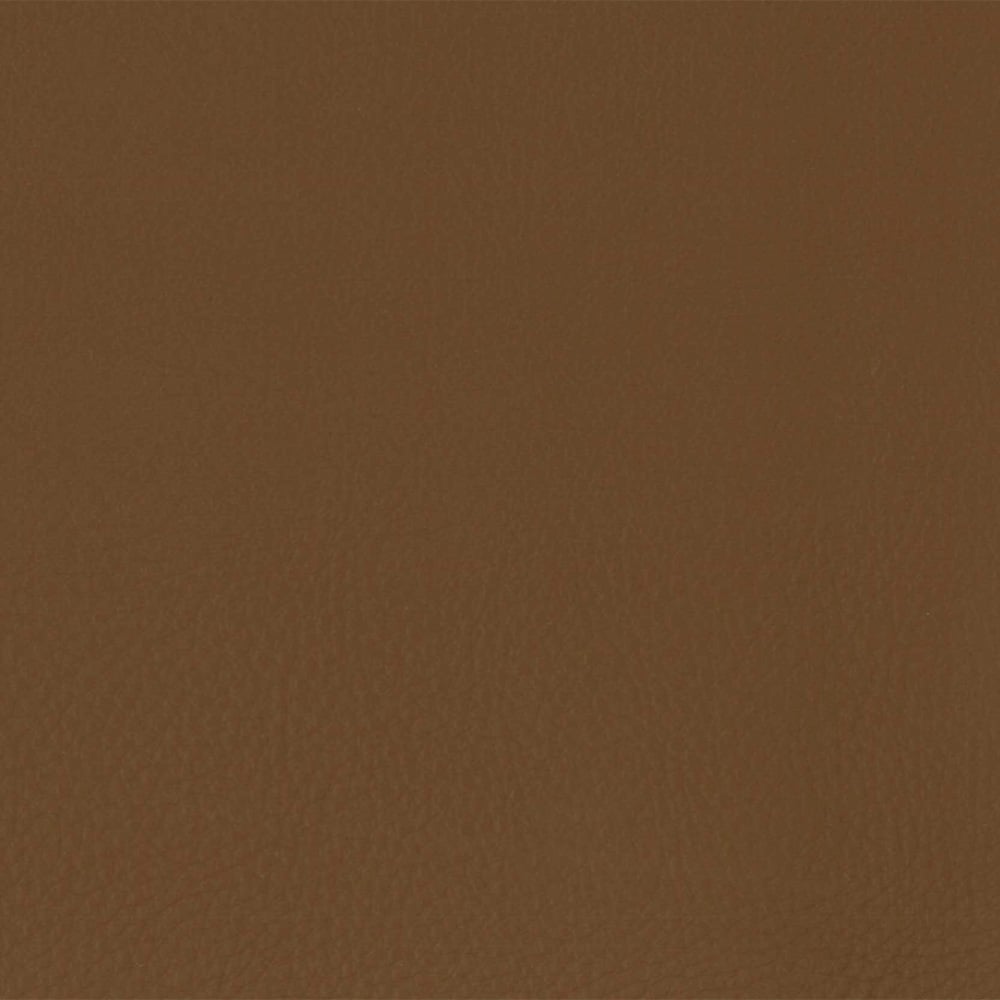
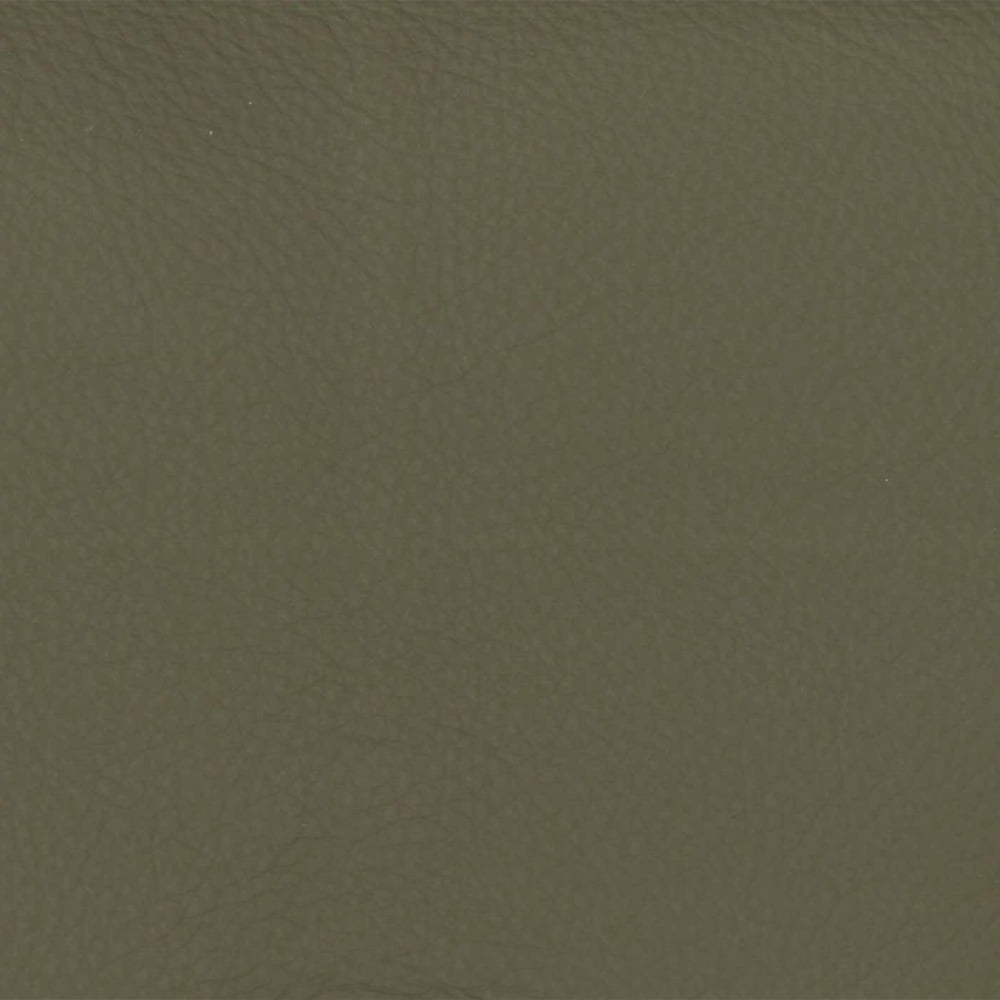
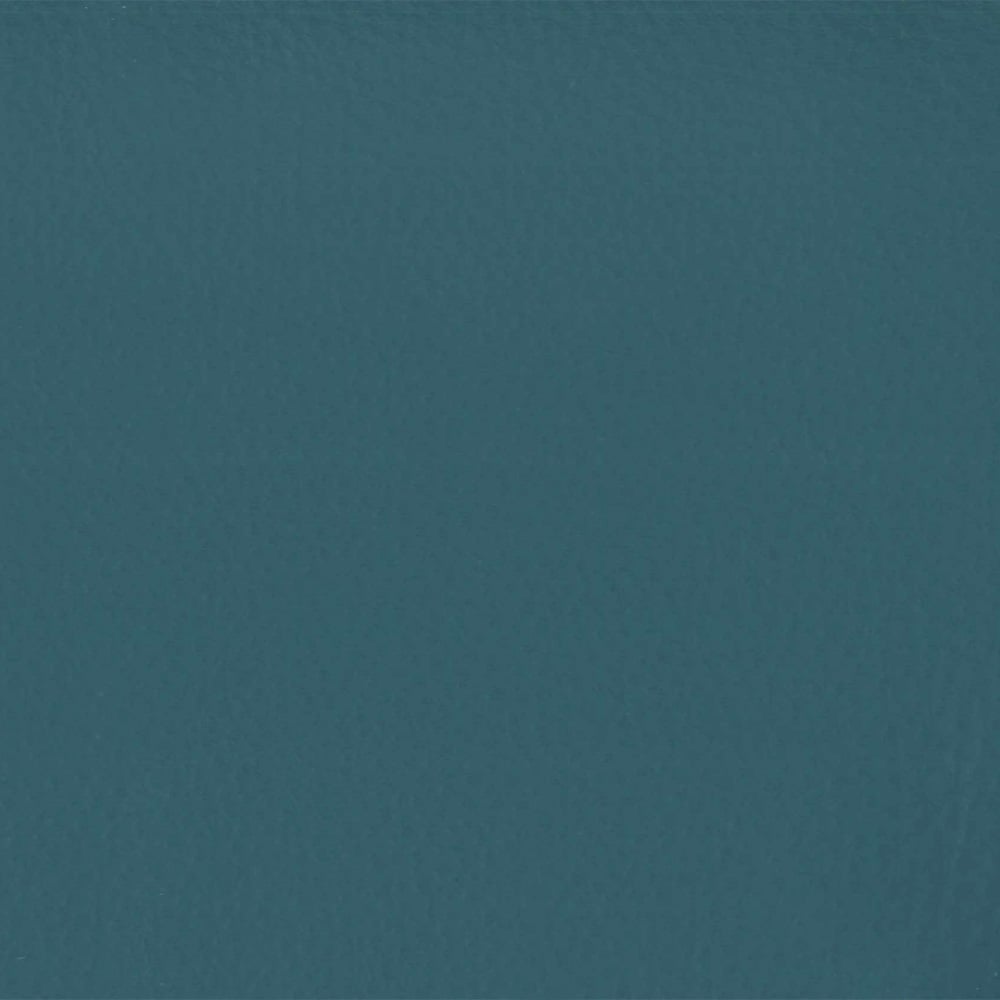
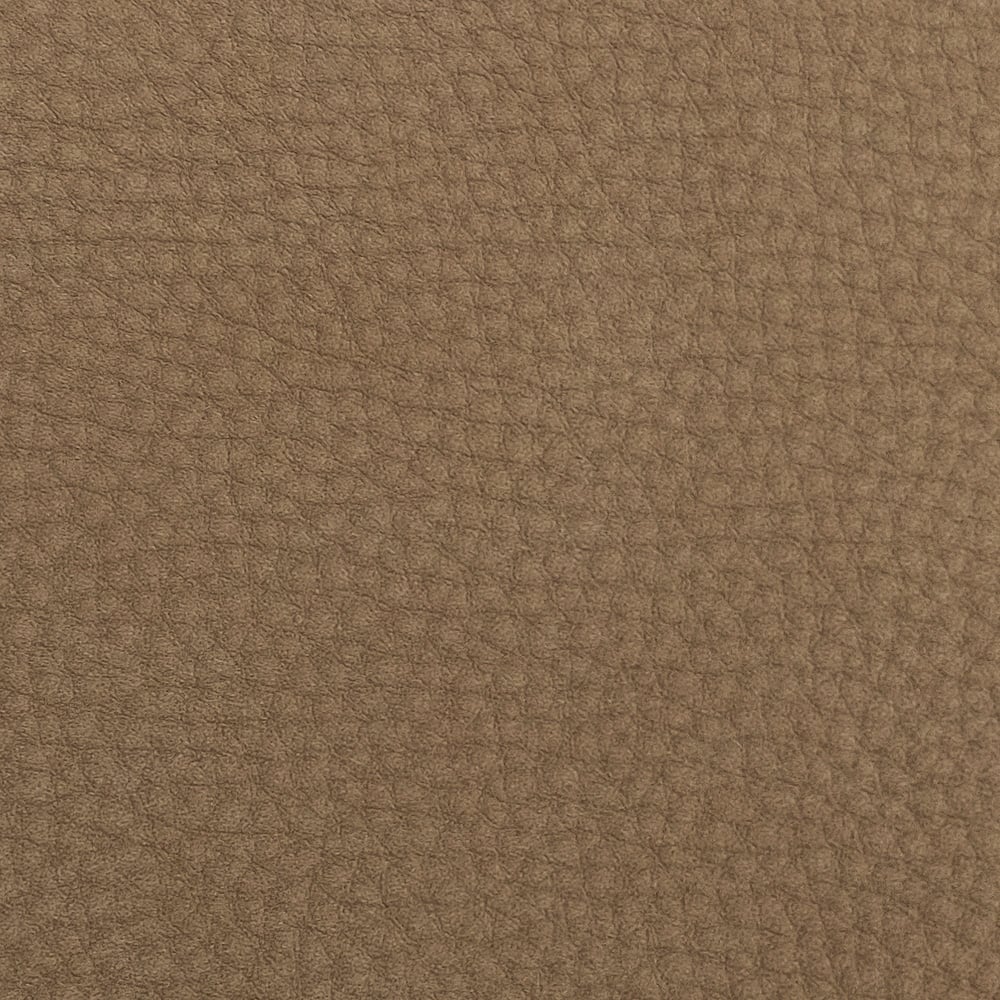
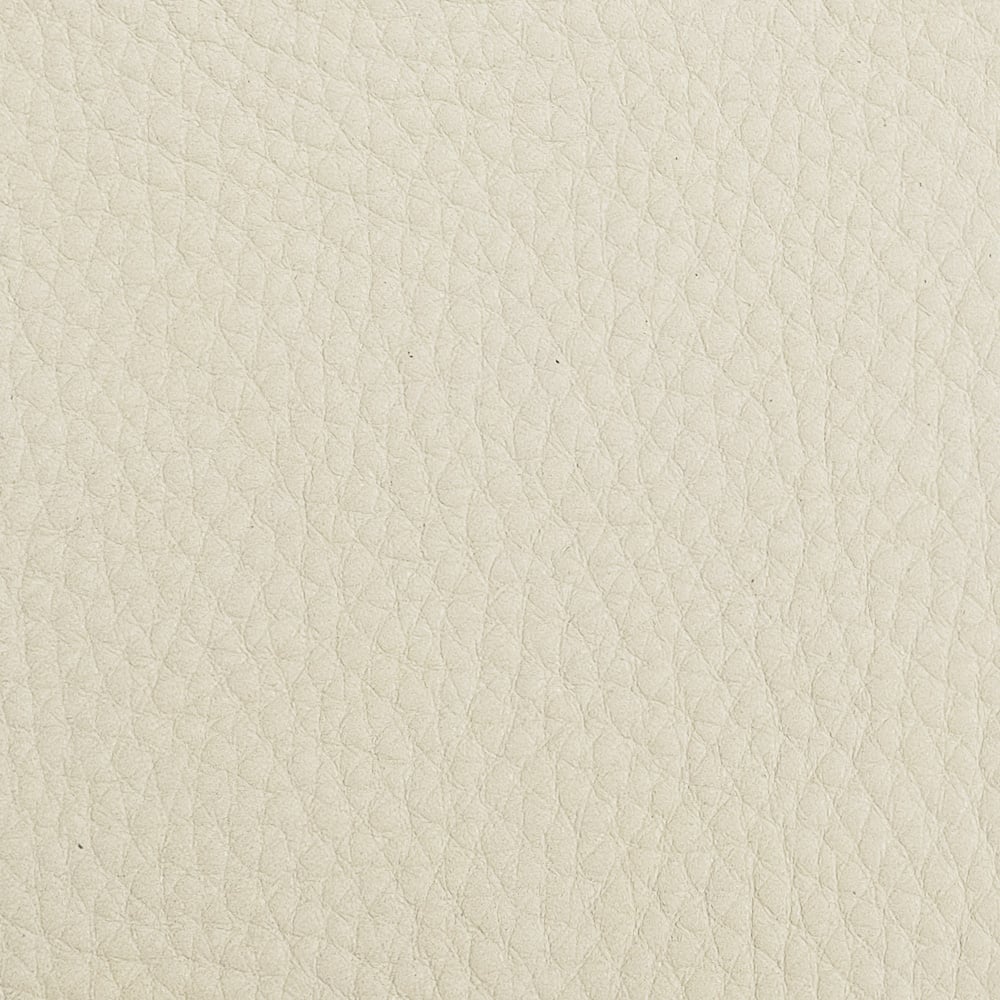
-
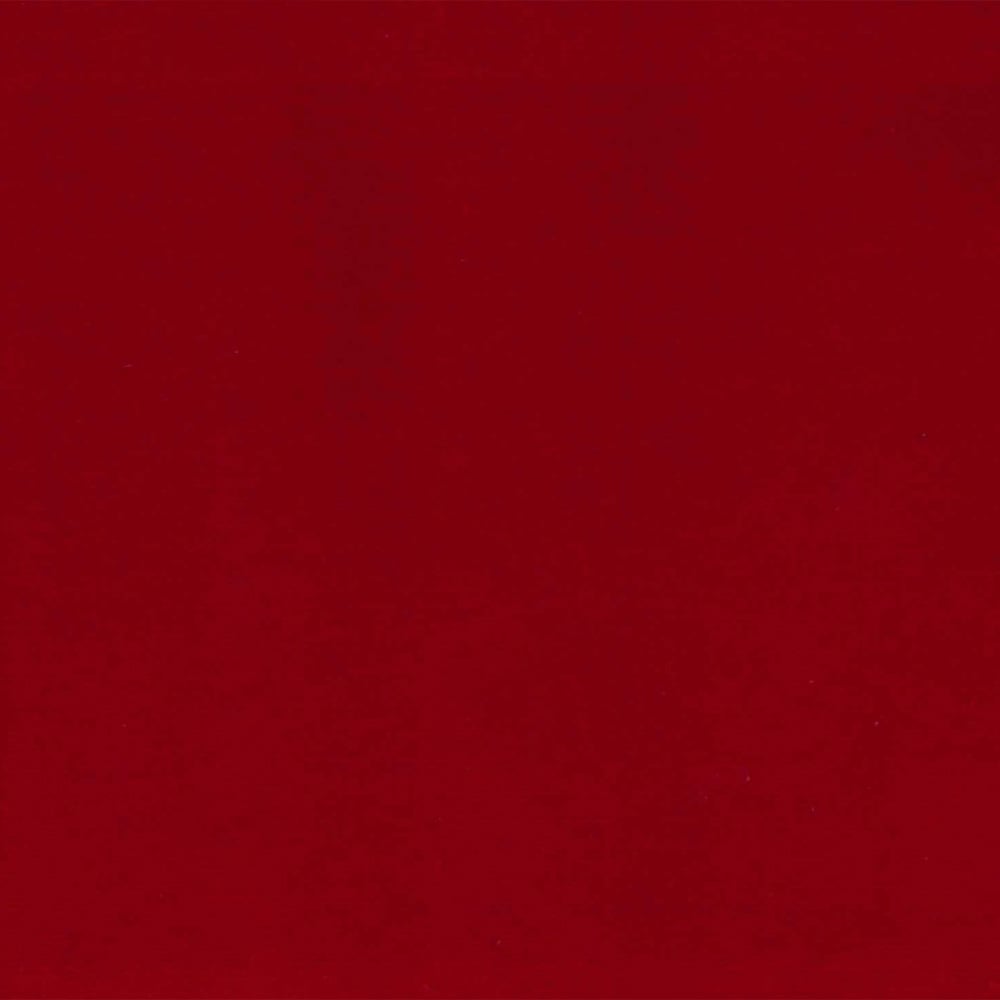
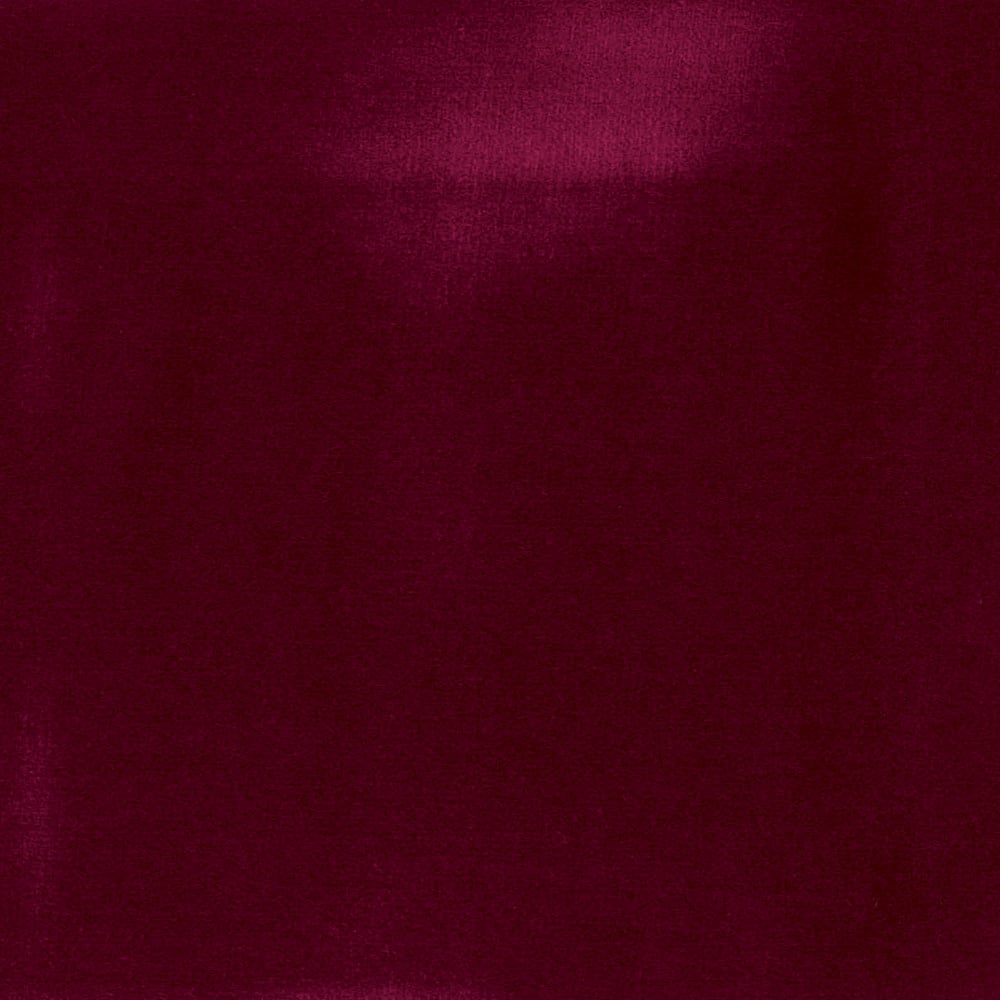
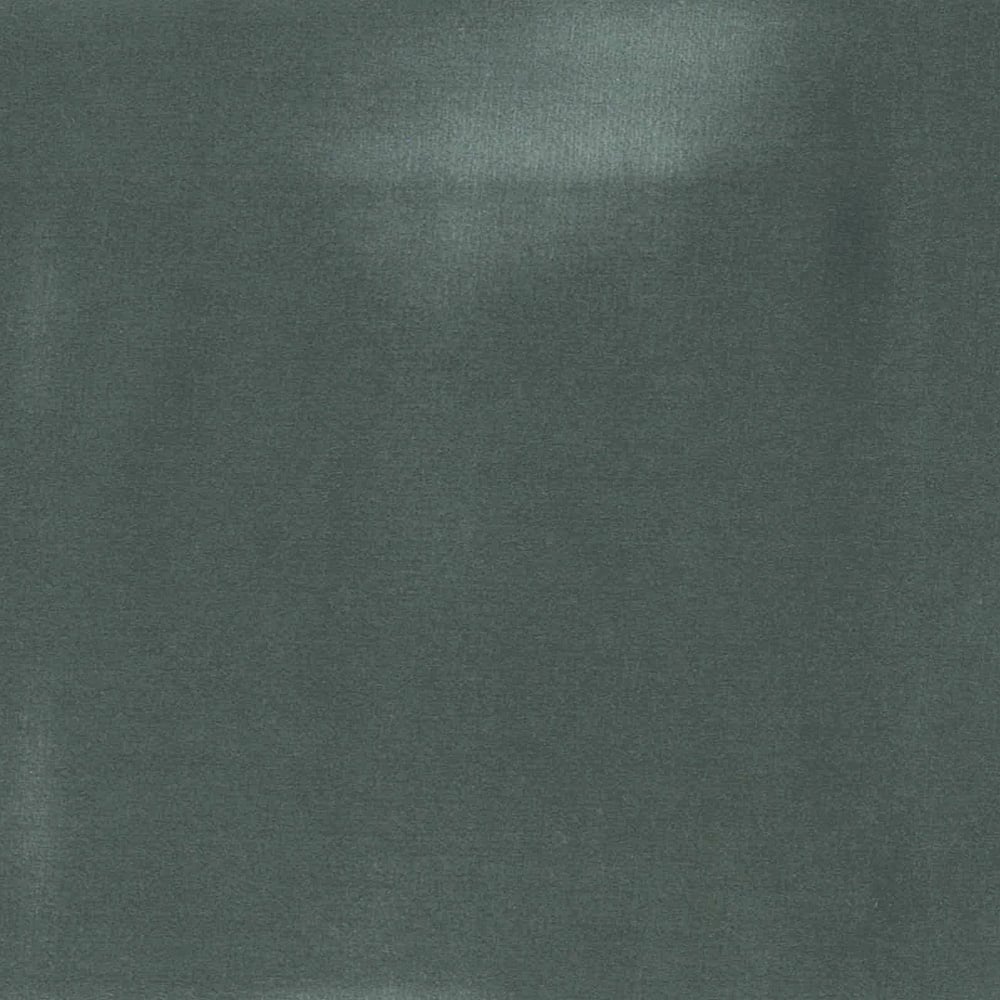
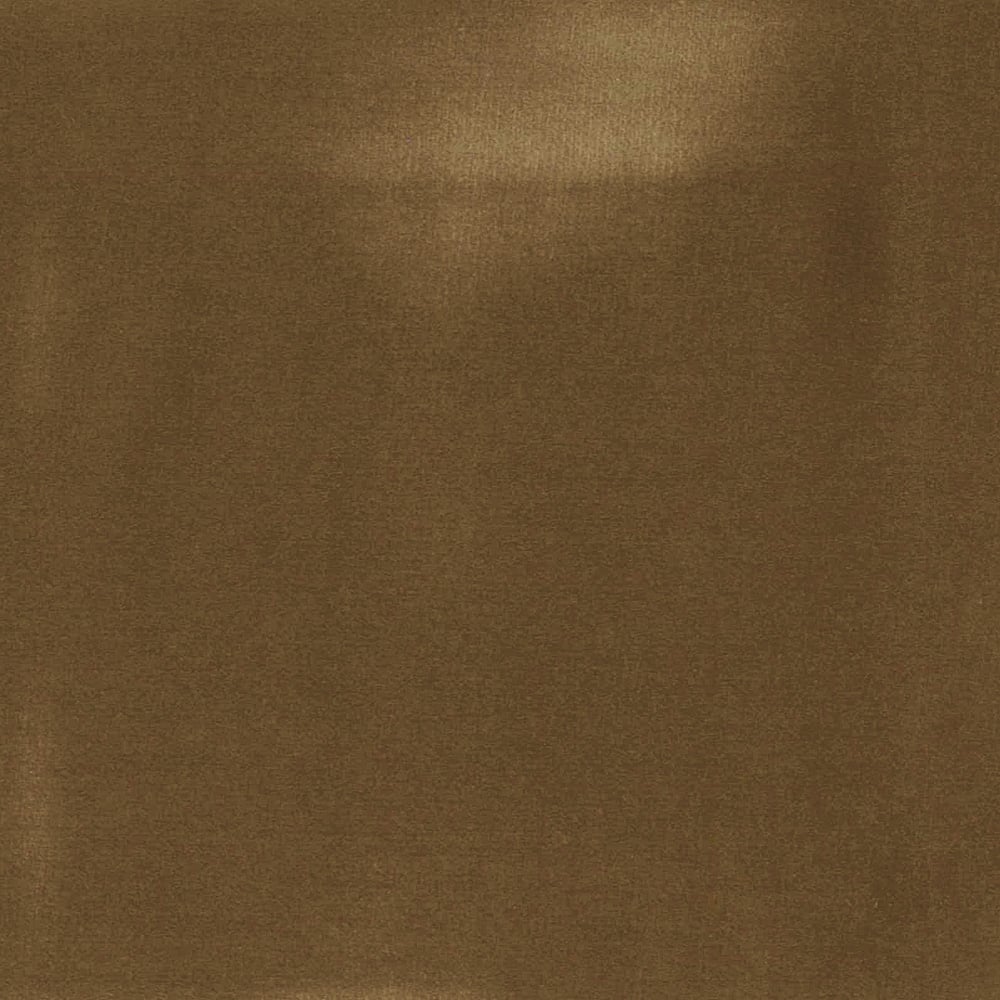
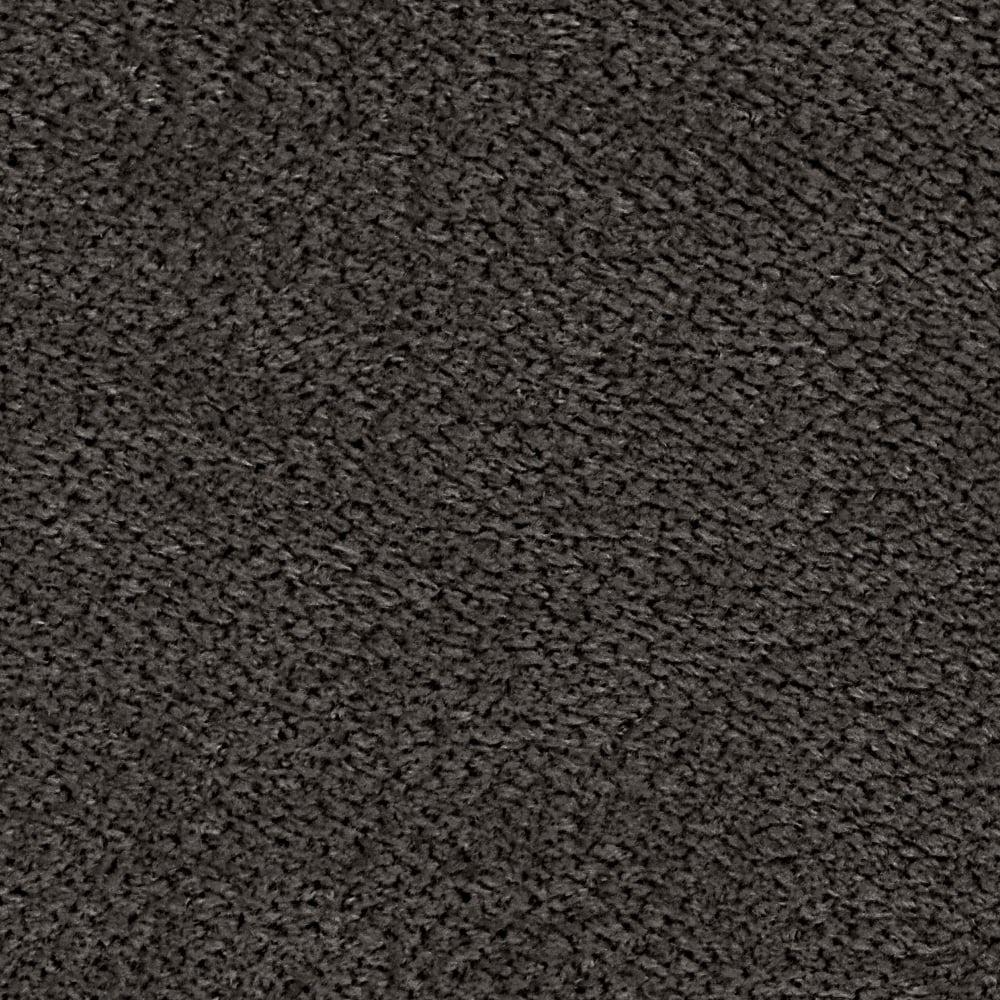
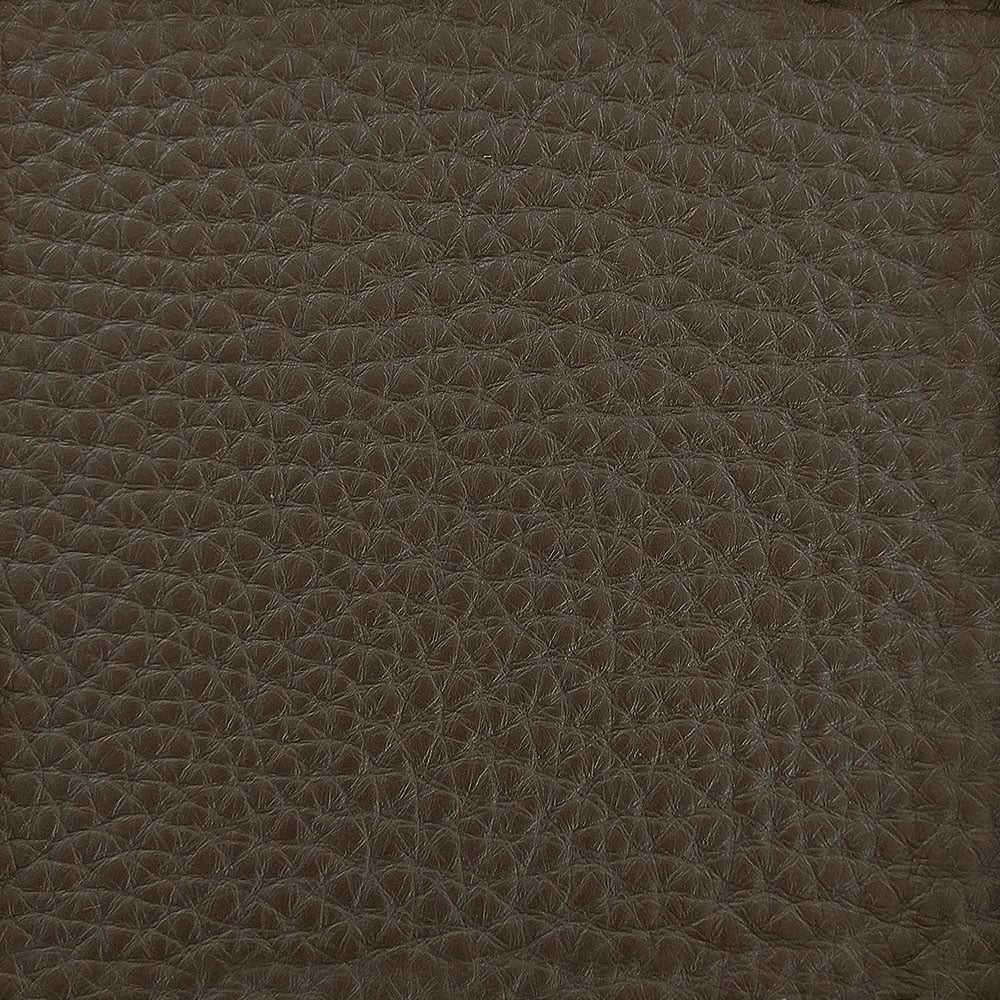
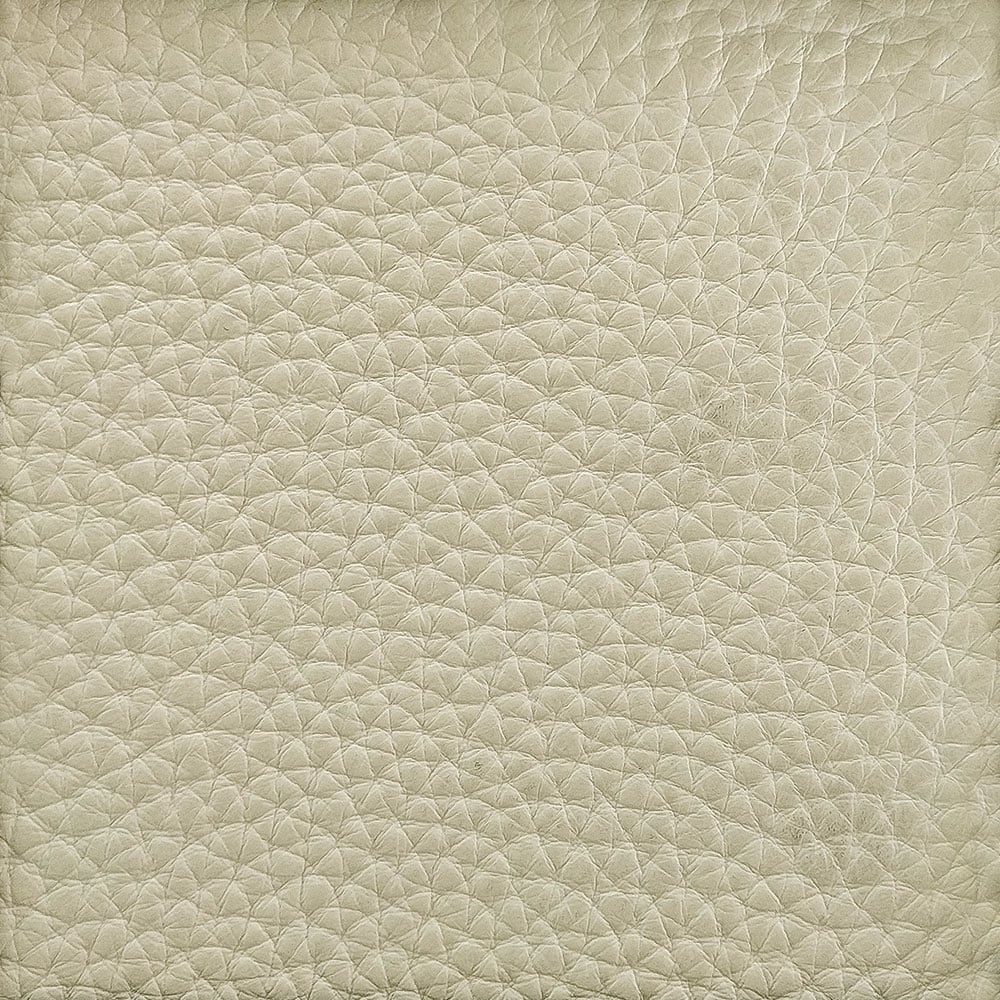
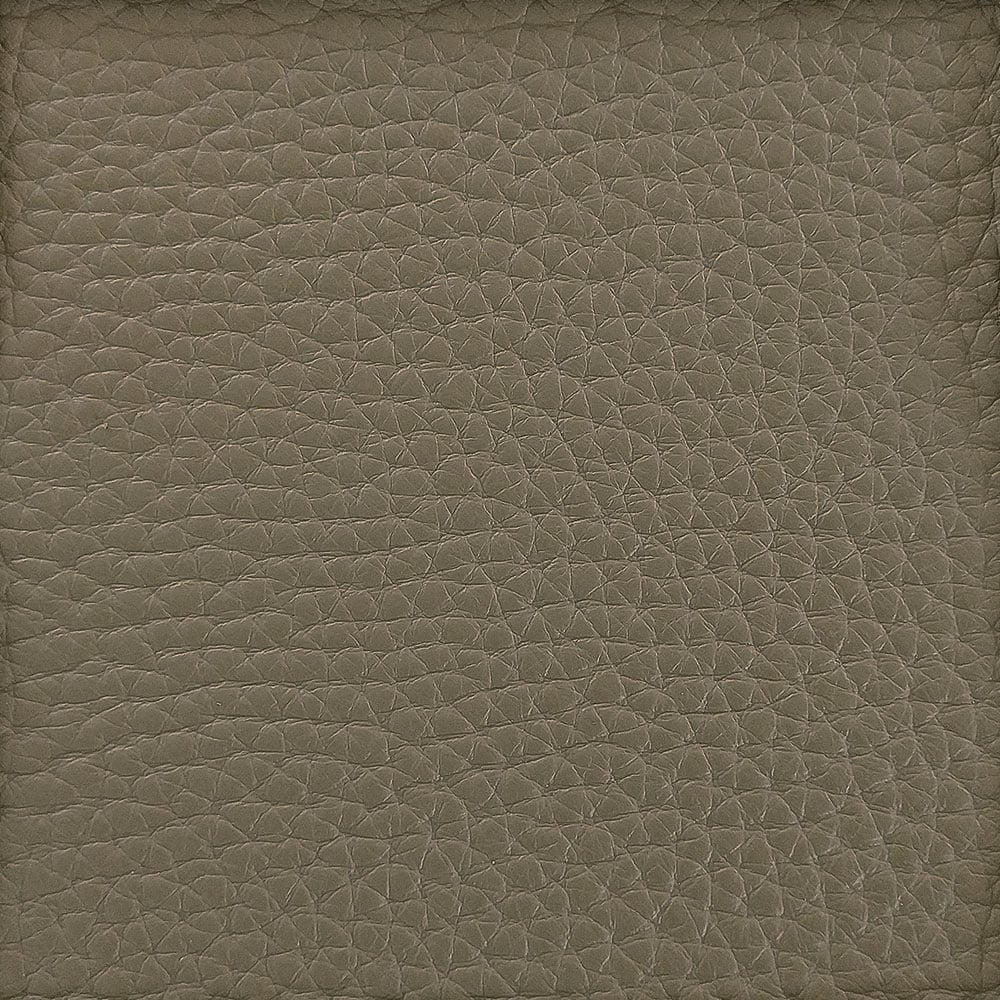
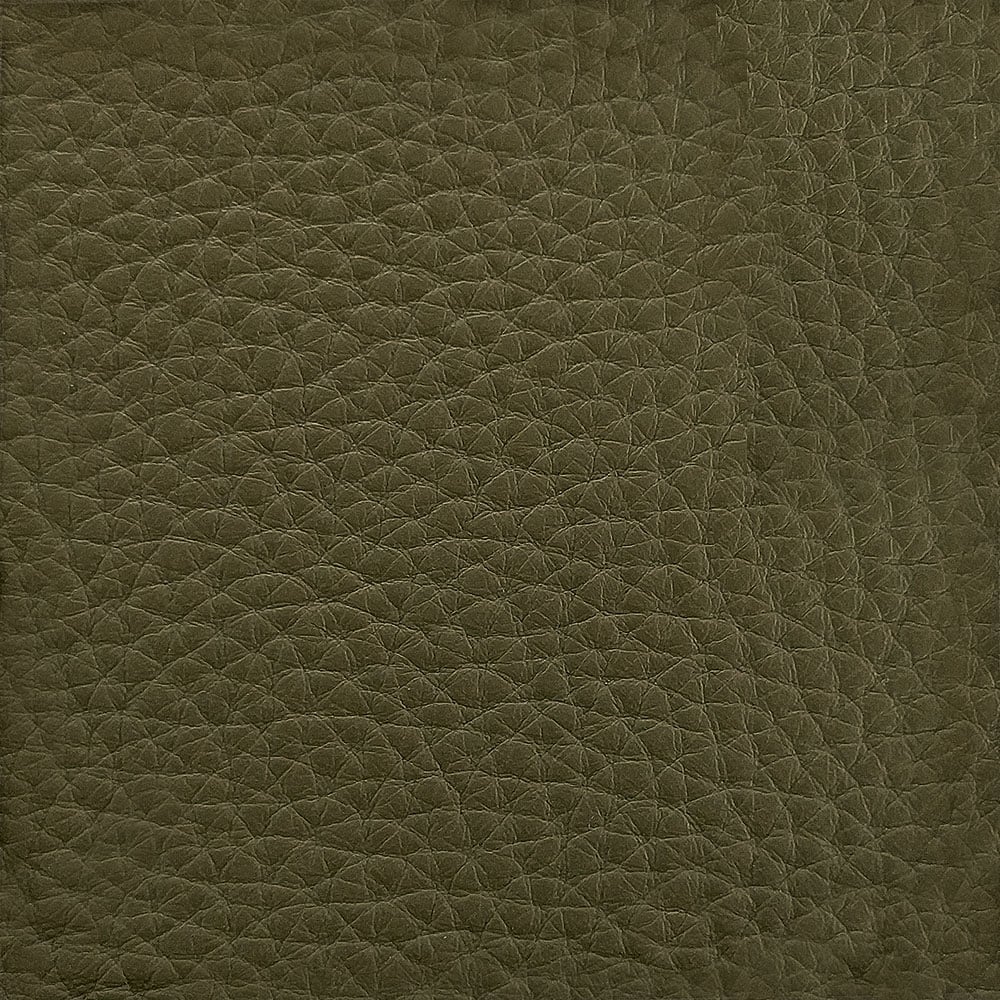
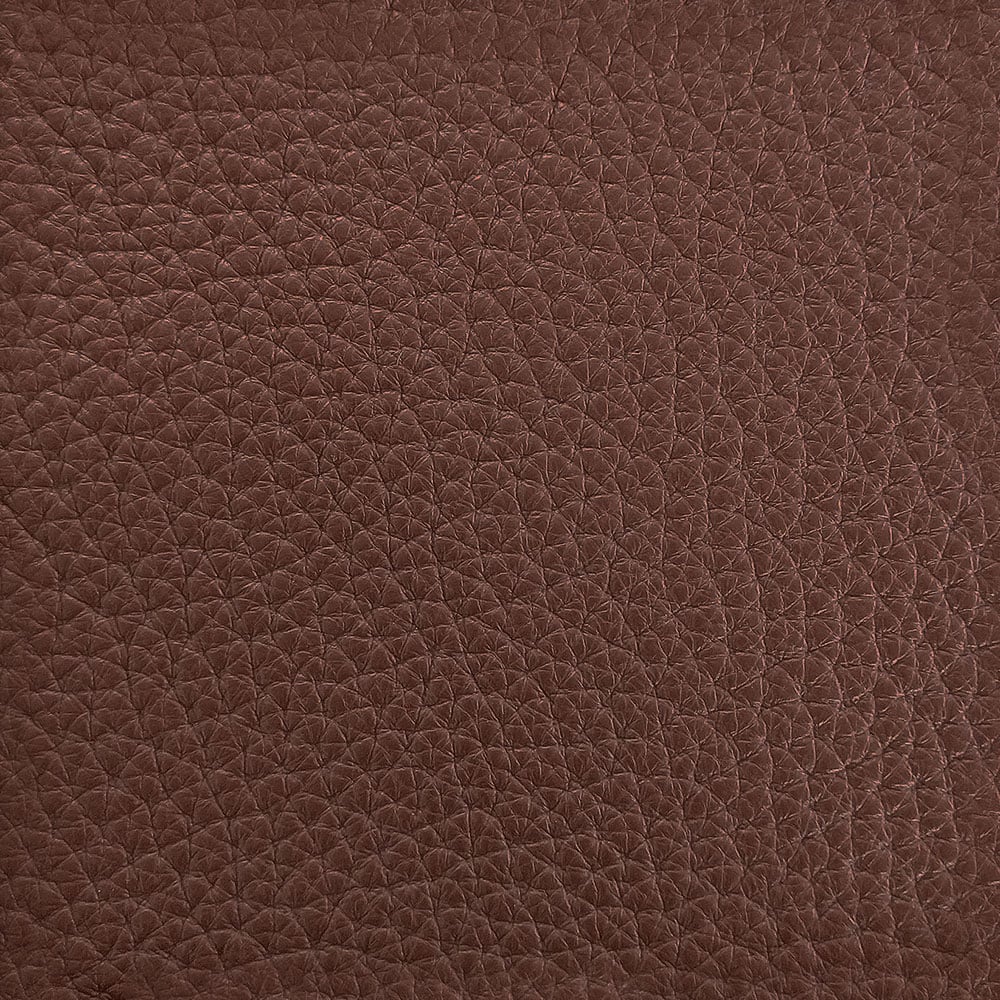
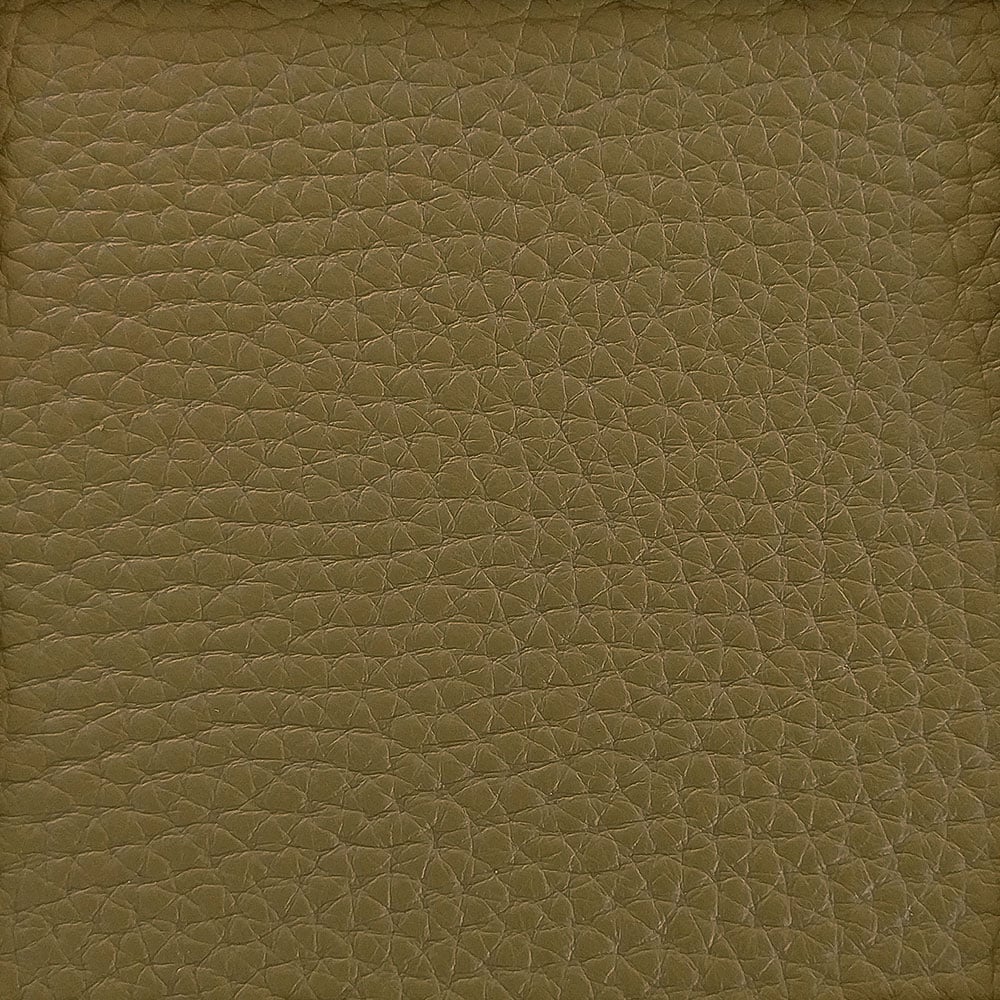
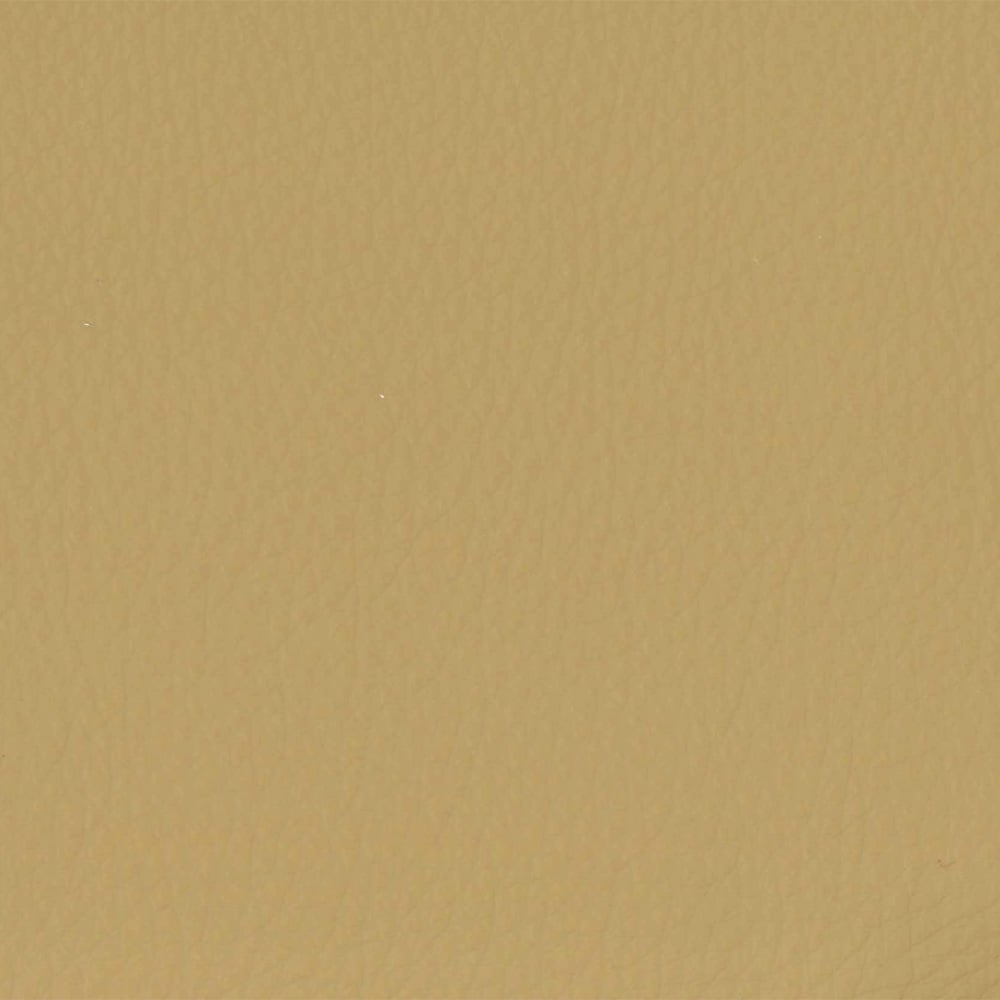
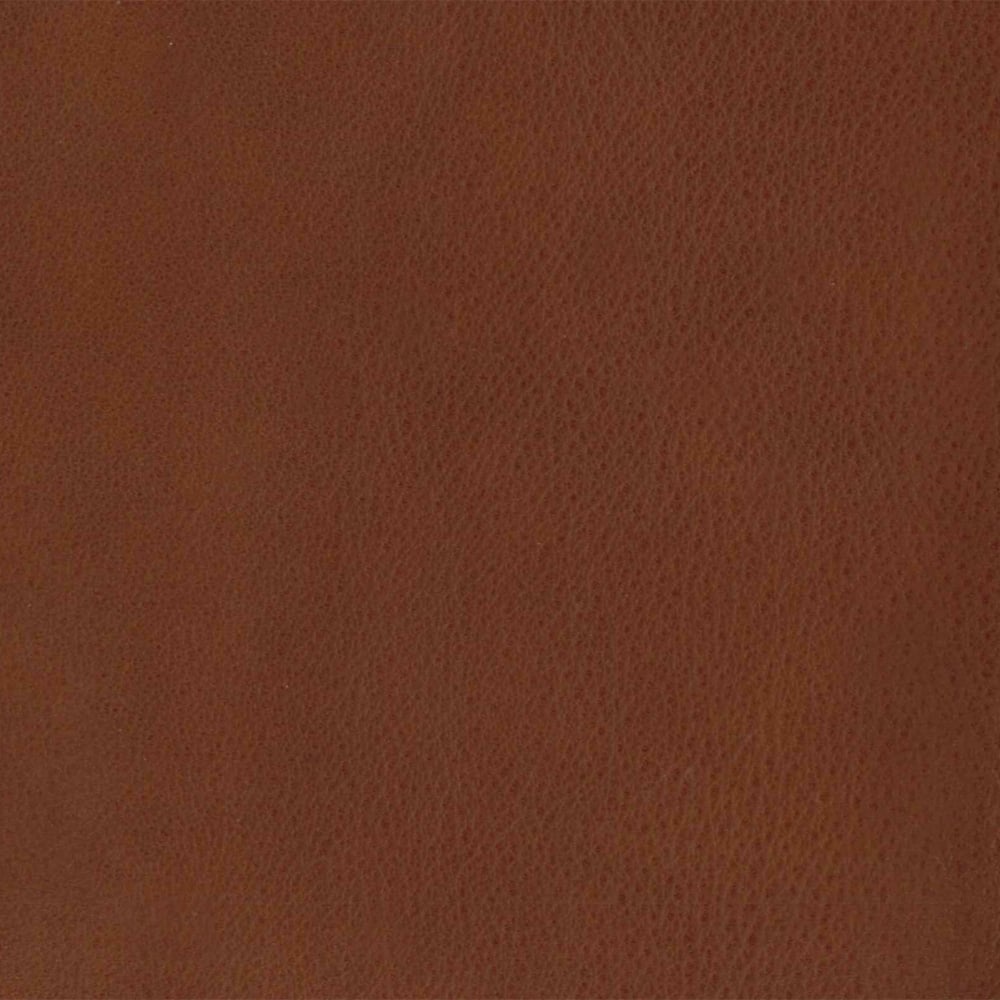
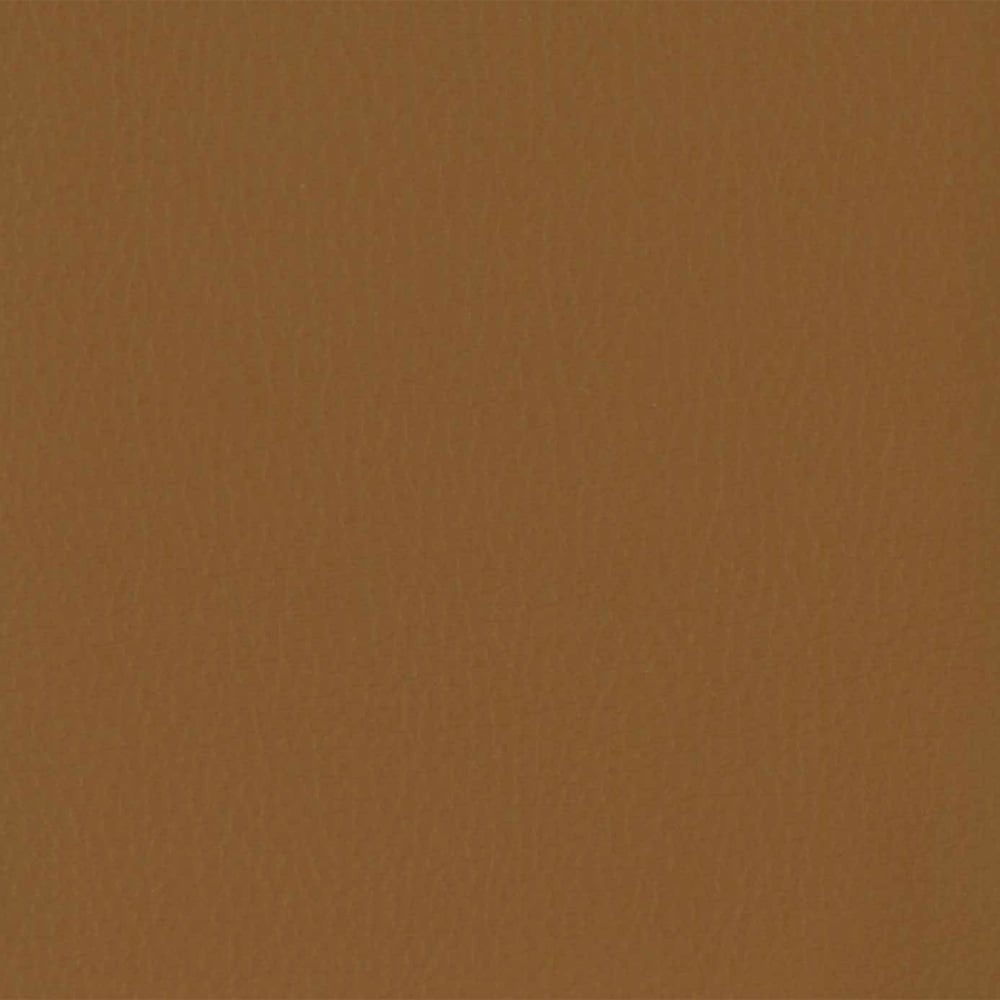
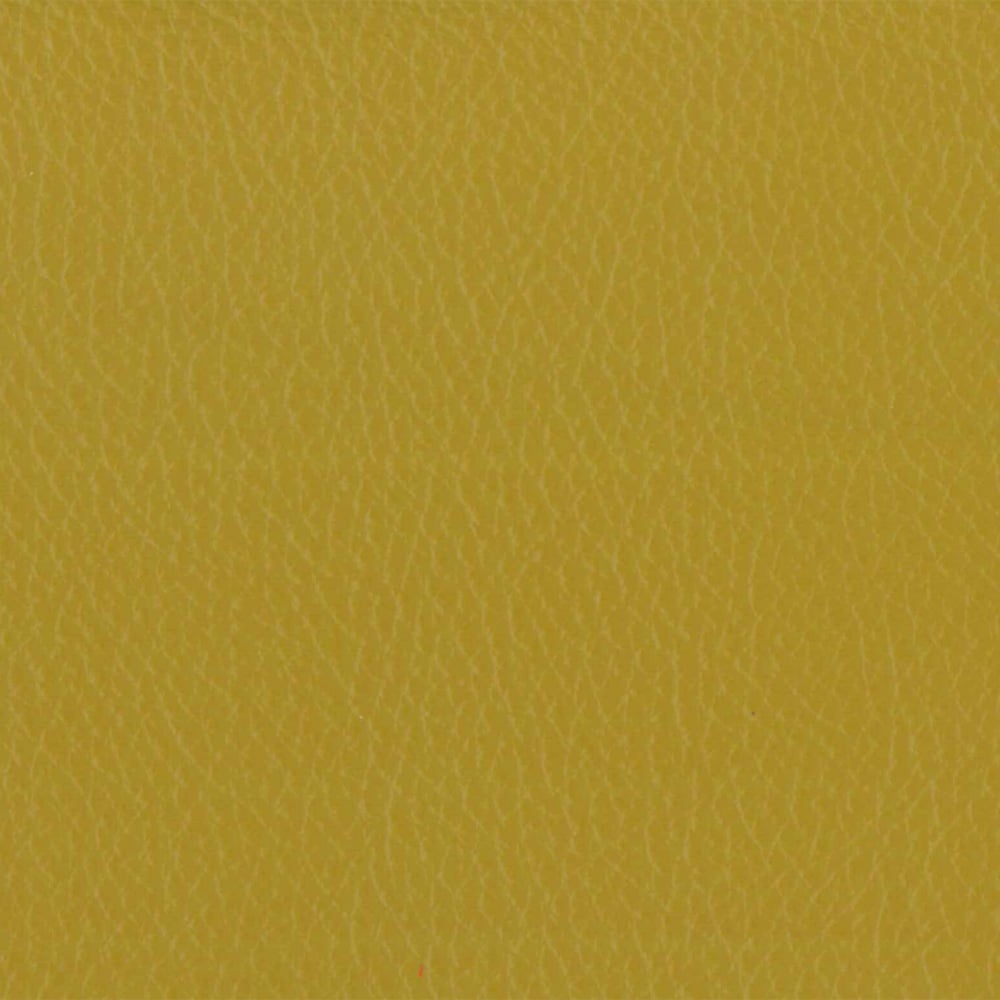
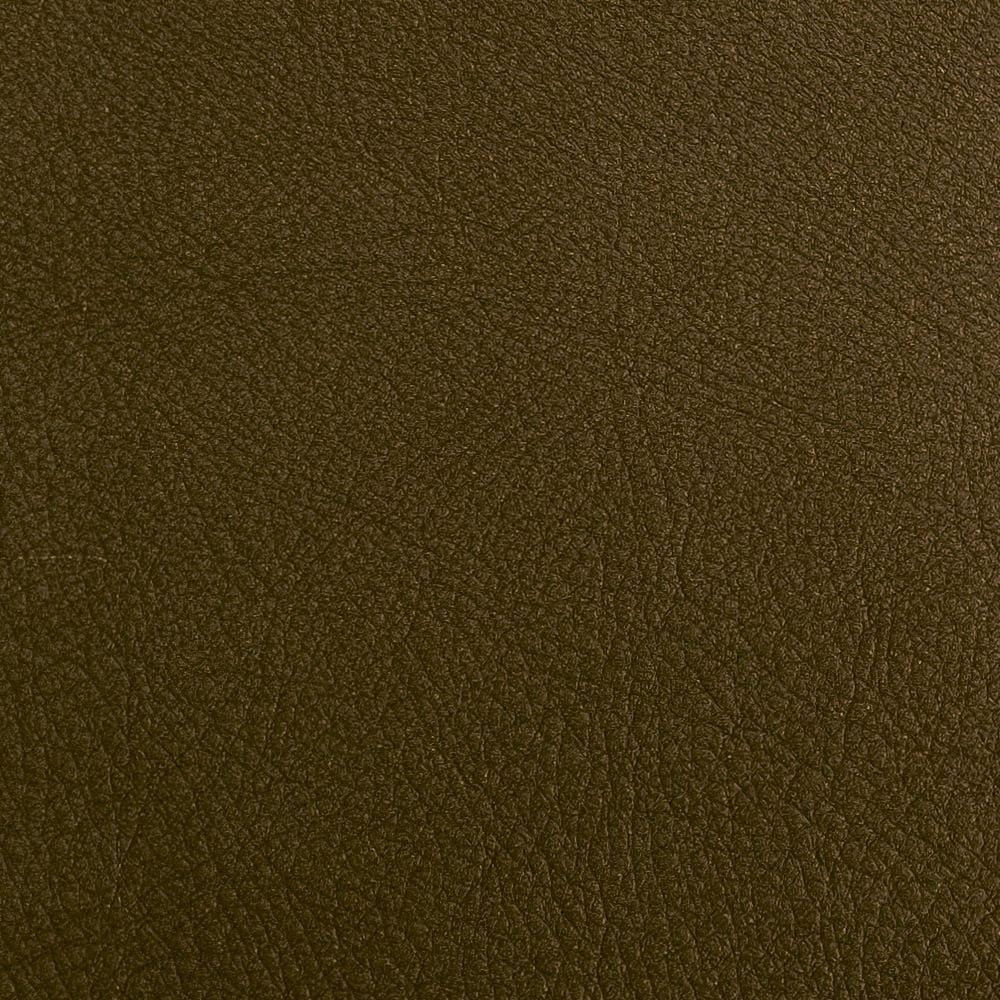
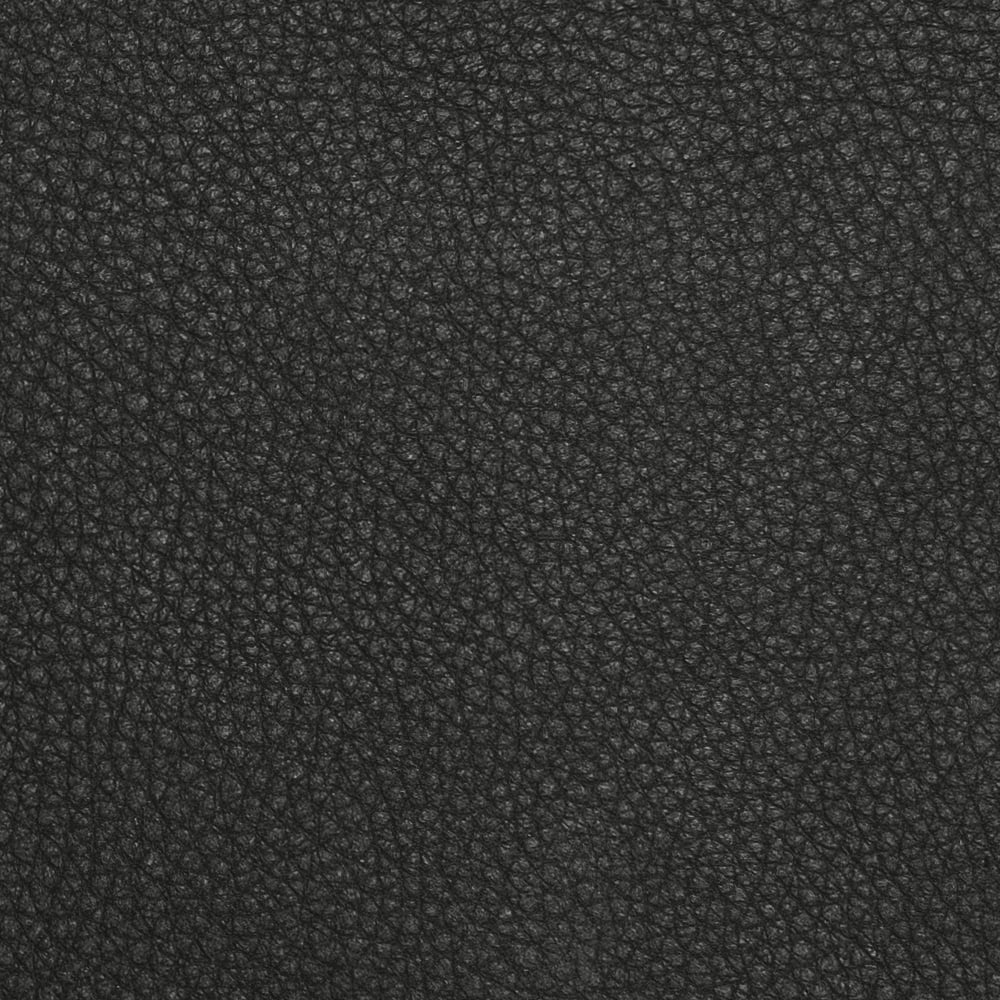
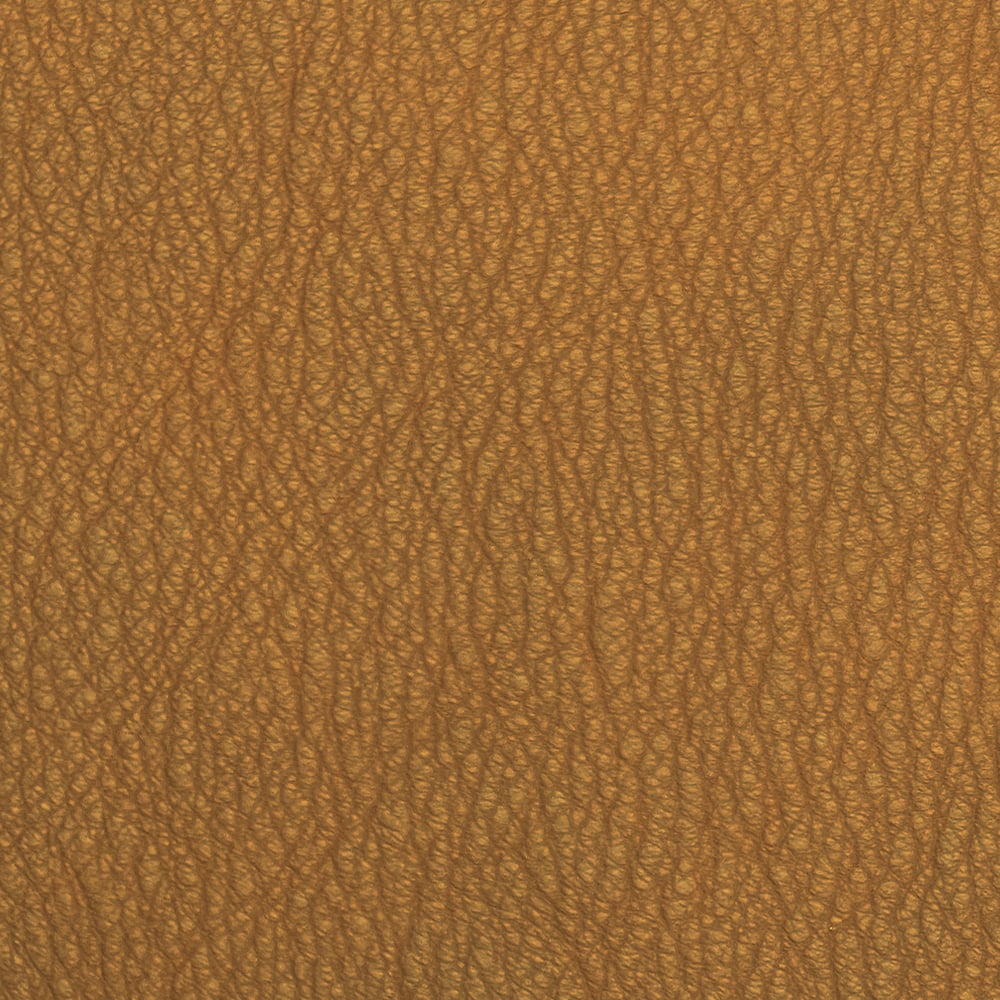
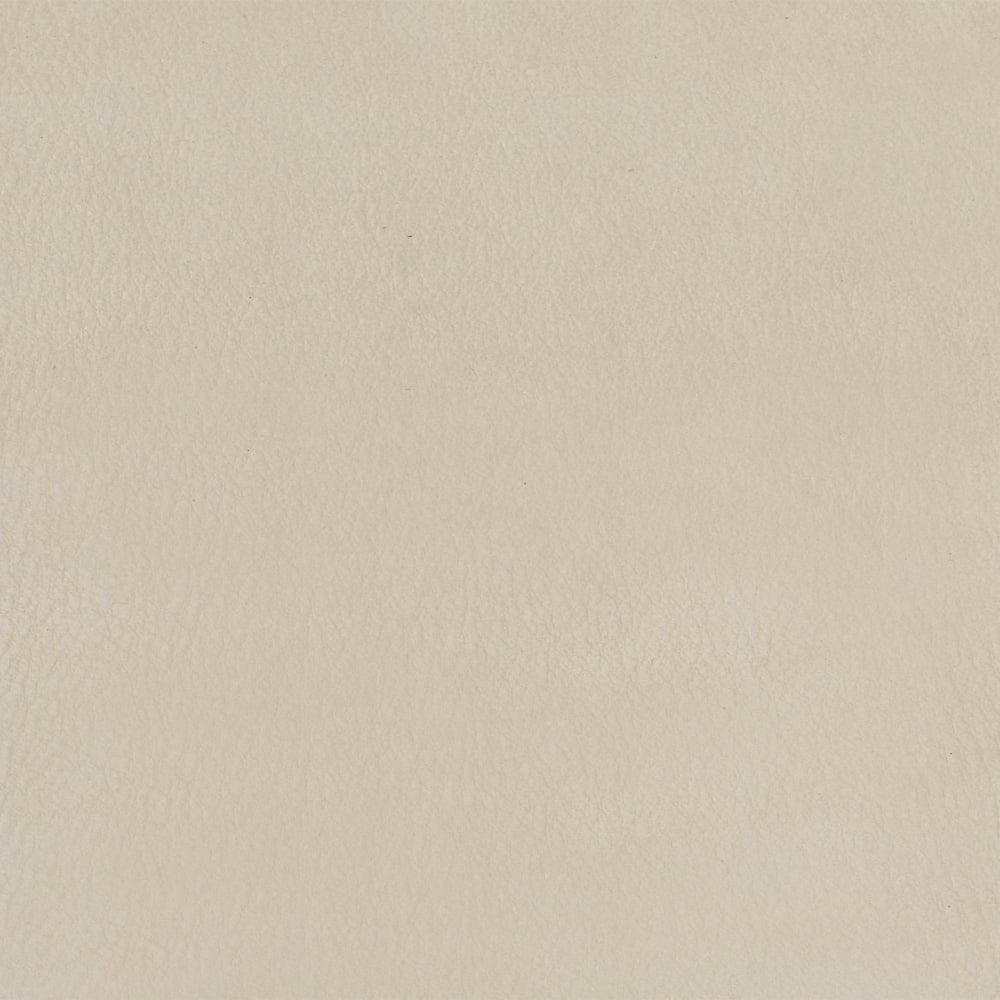
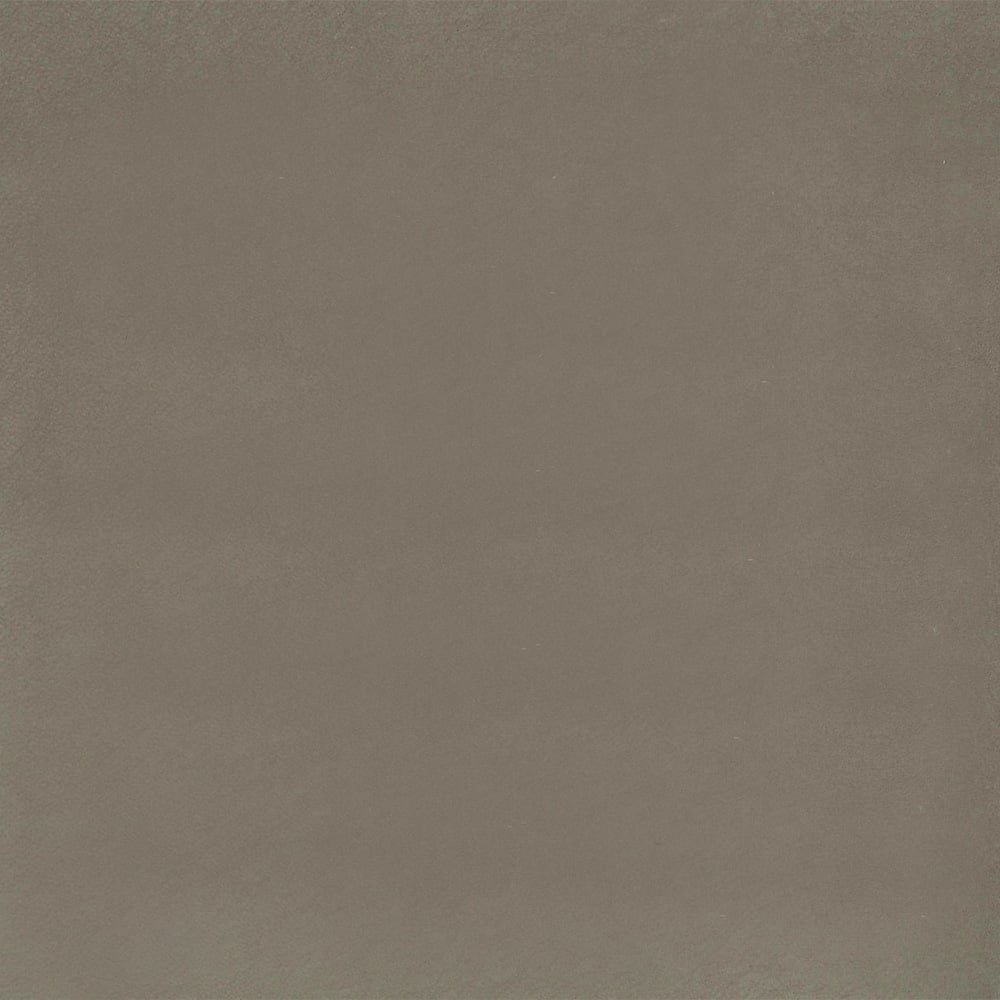
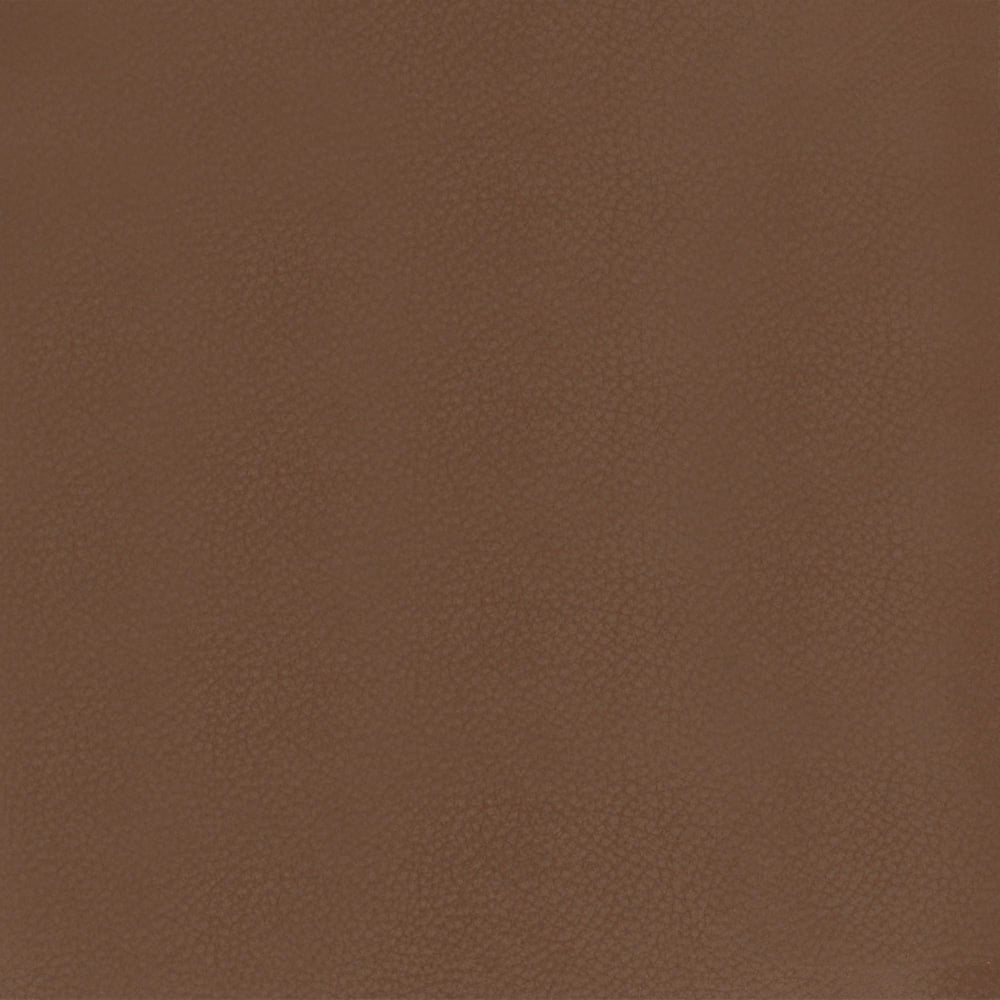
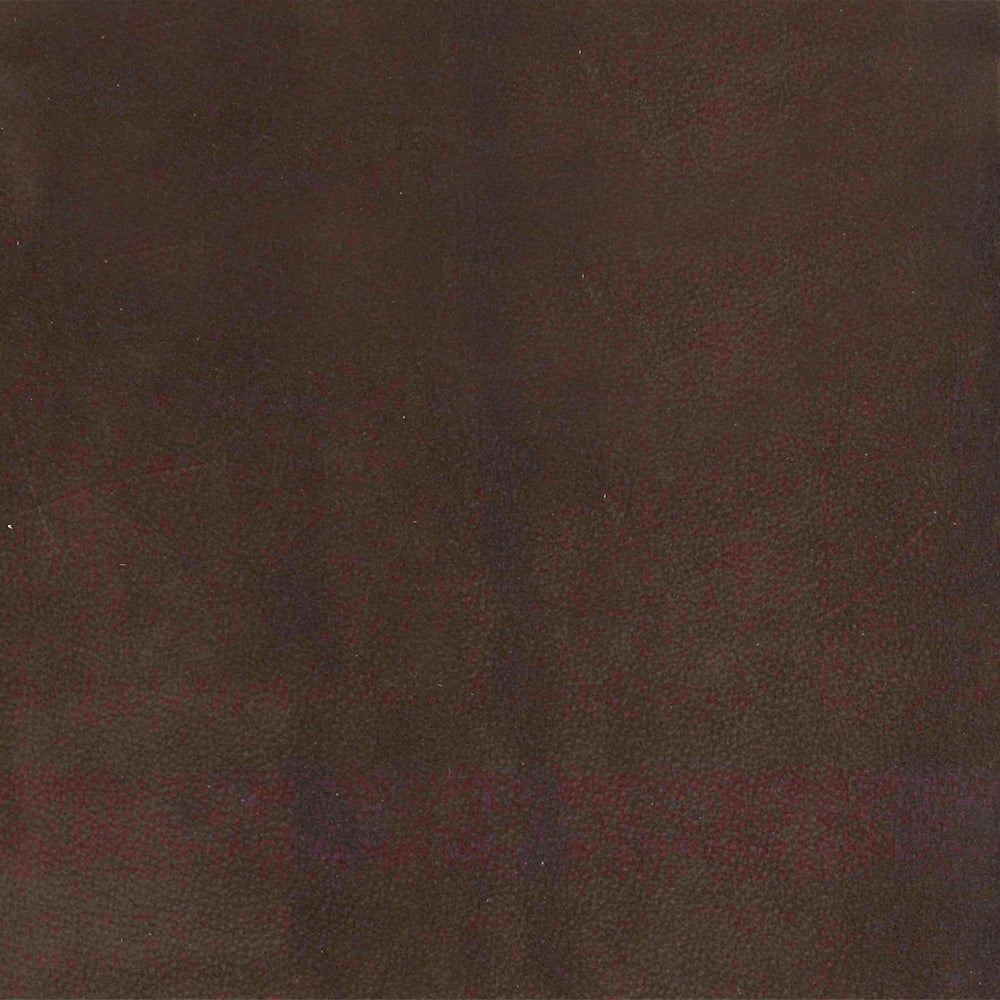
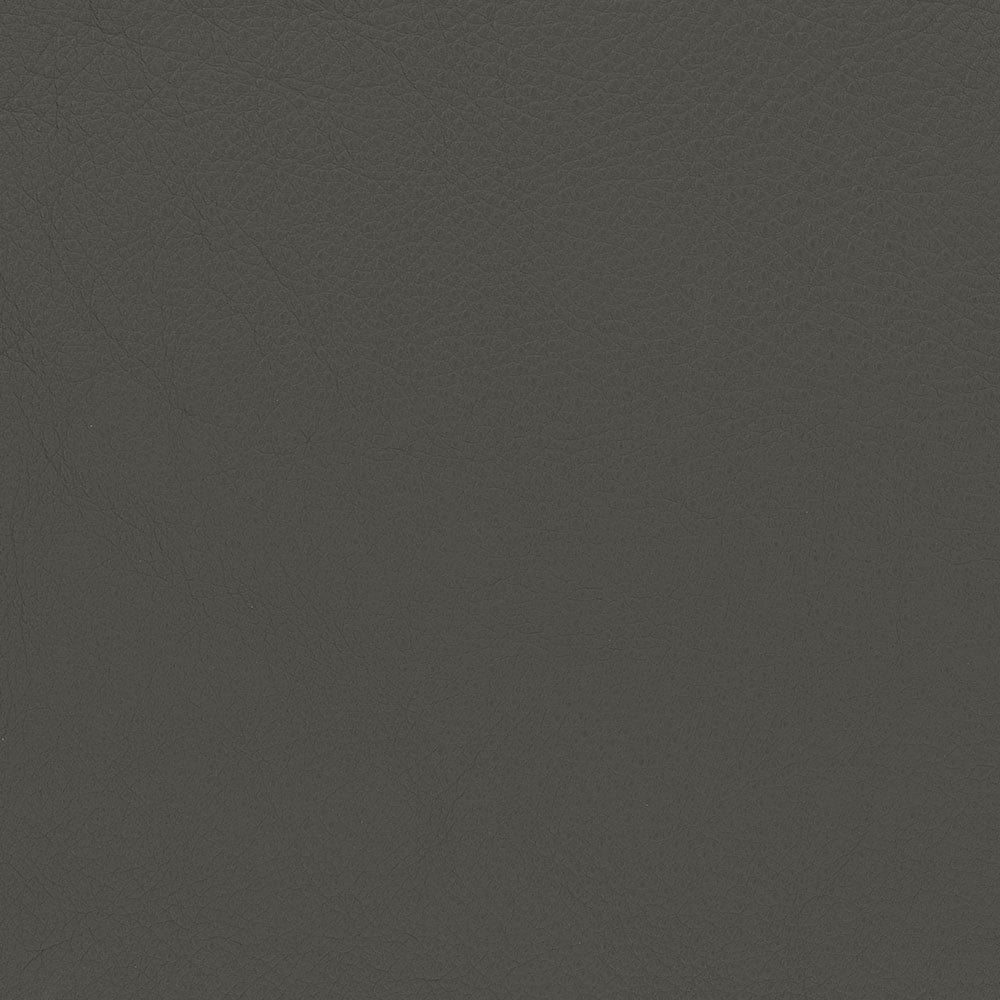
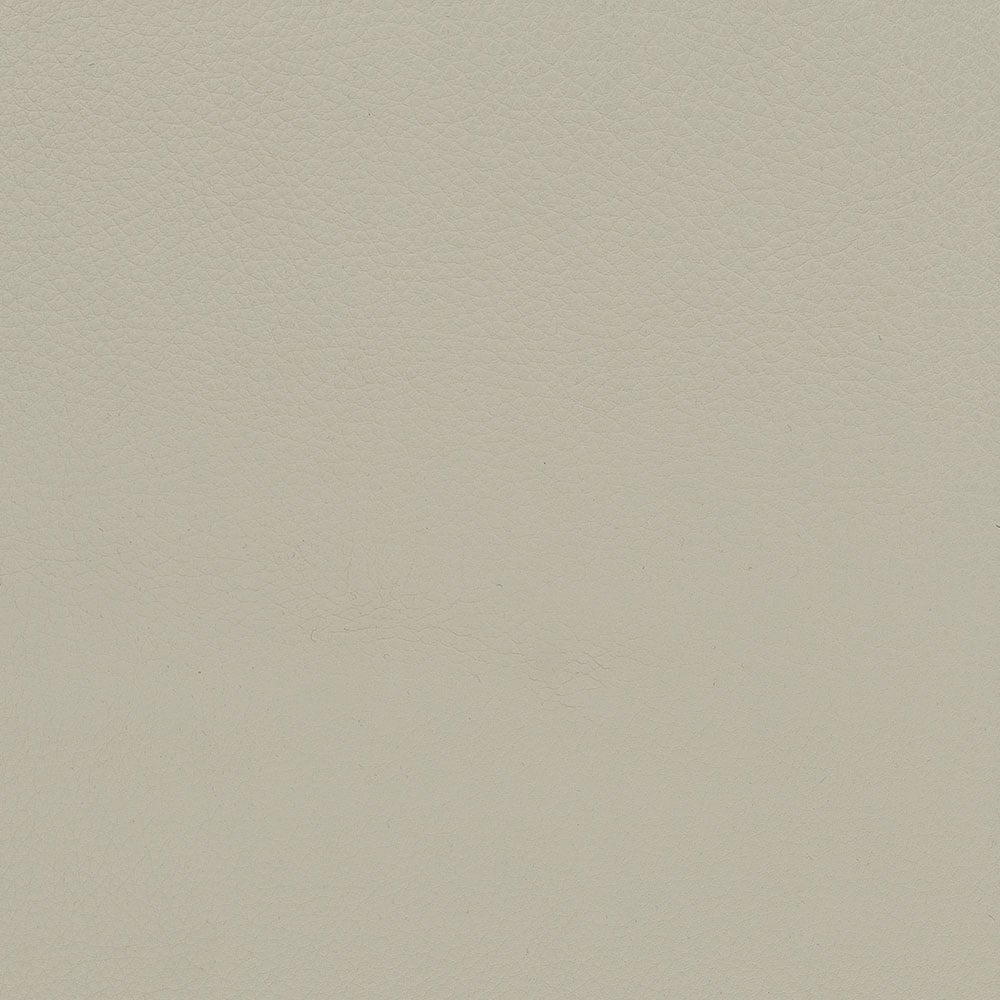
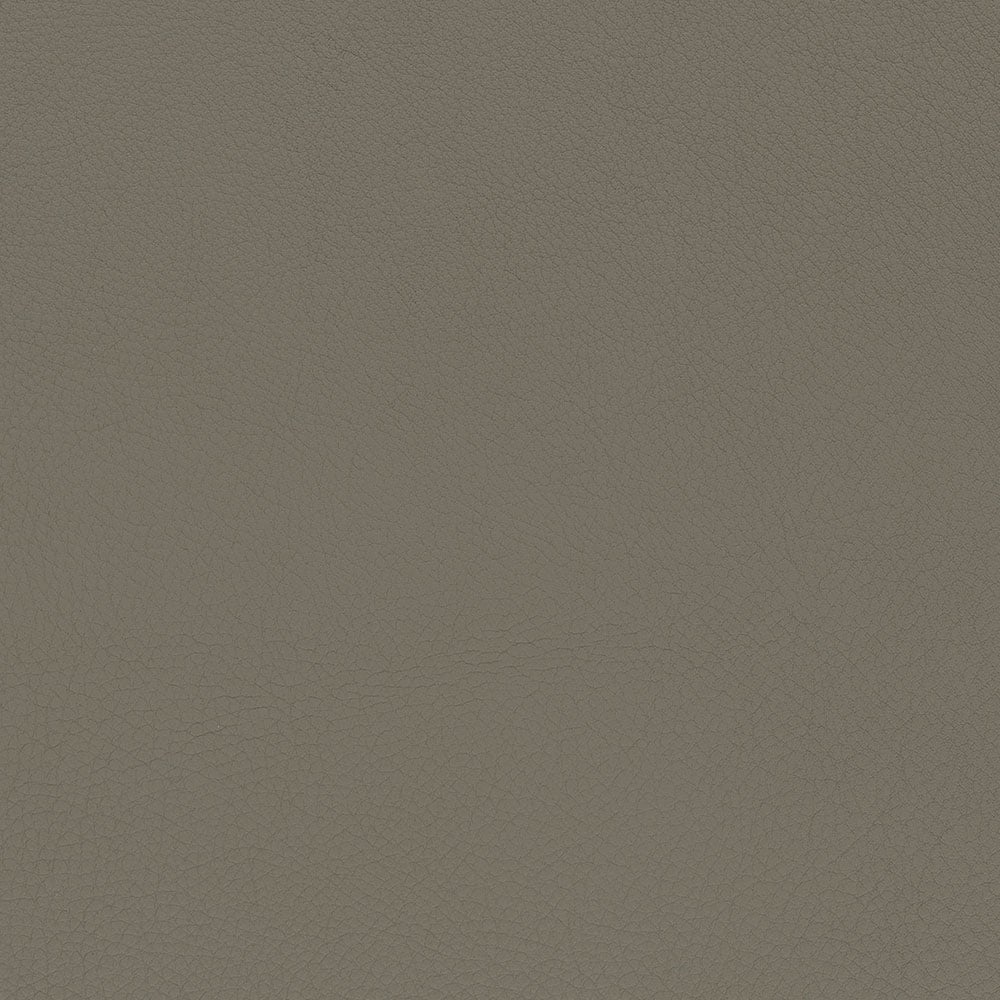
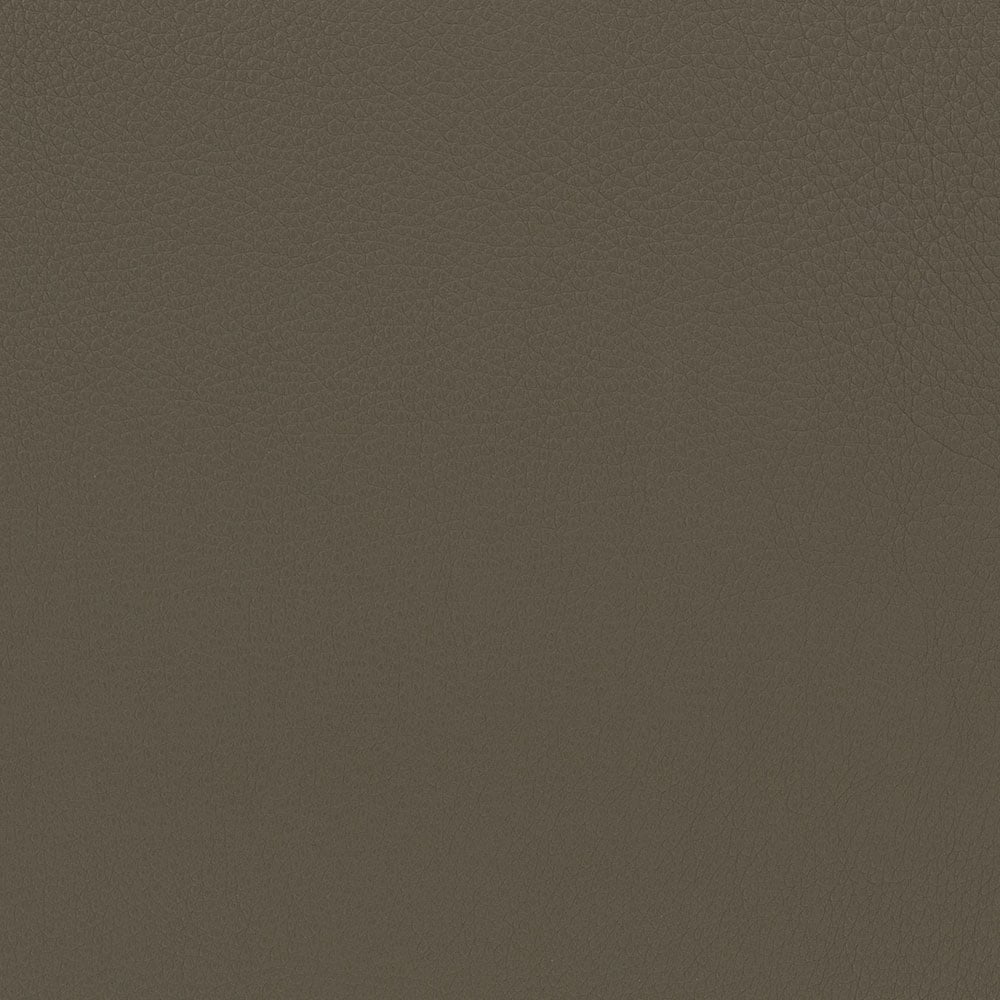
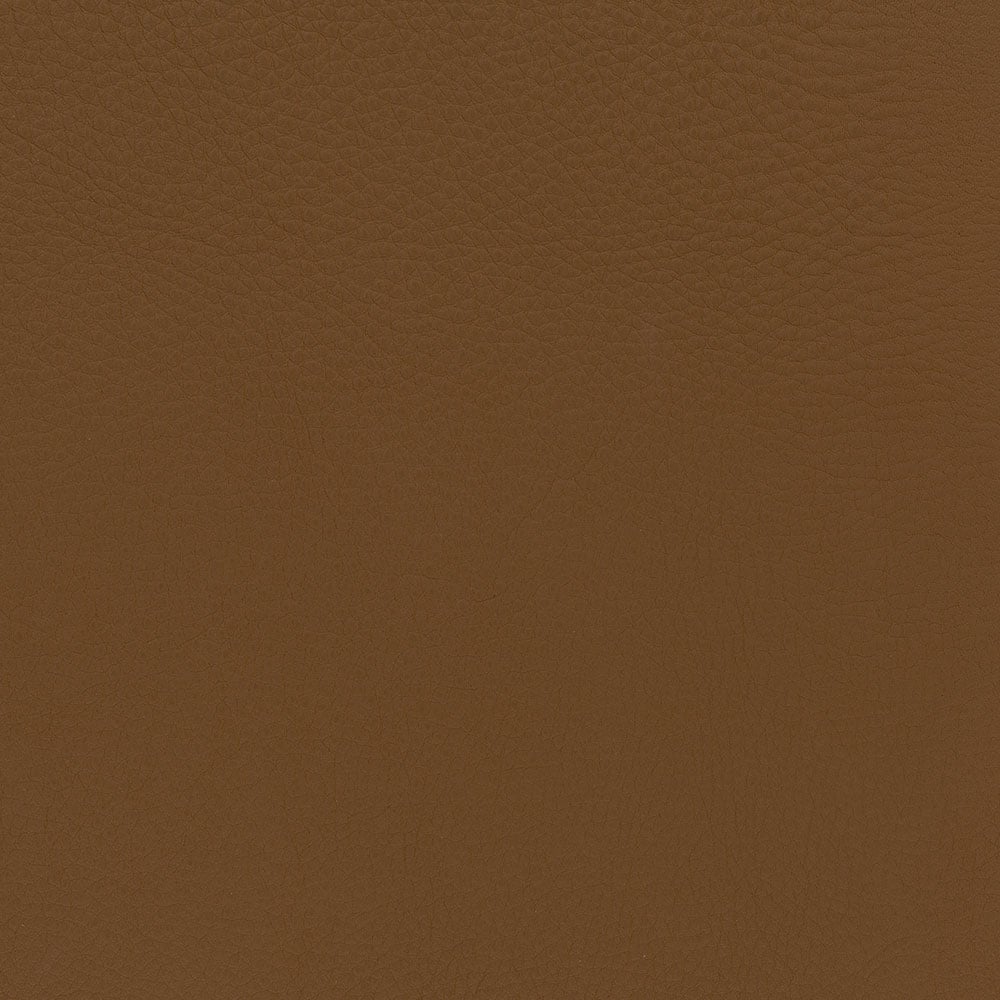
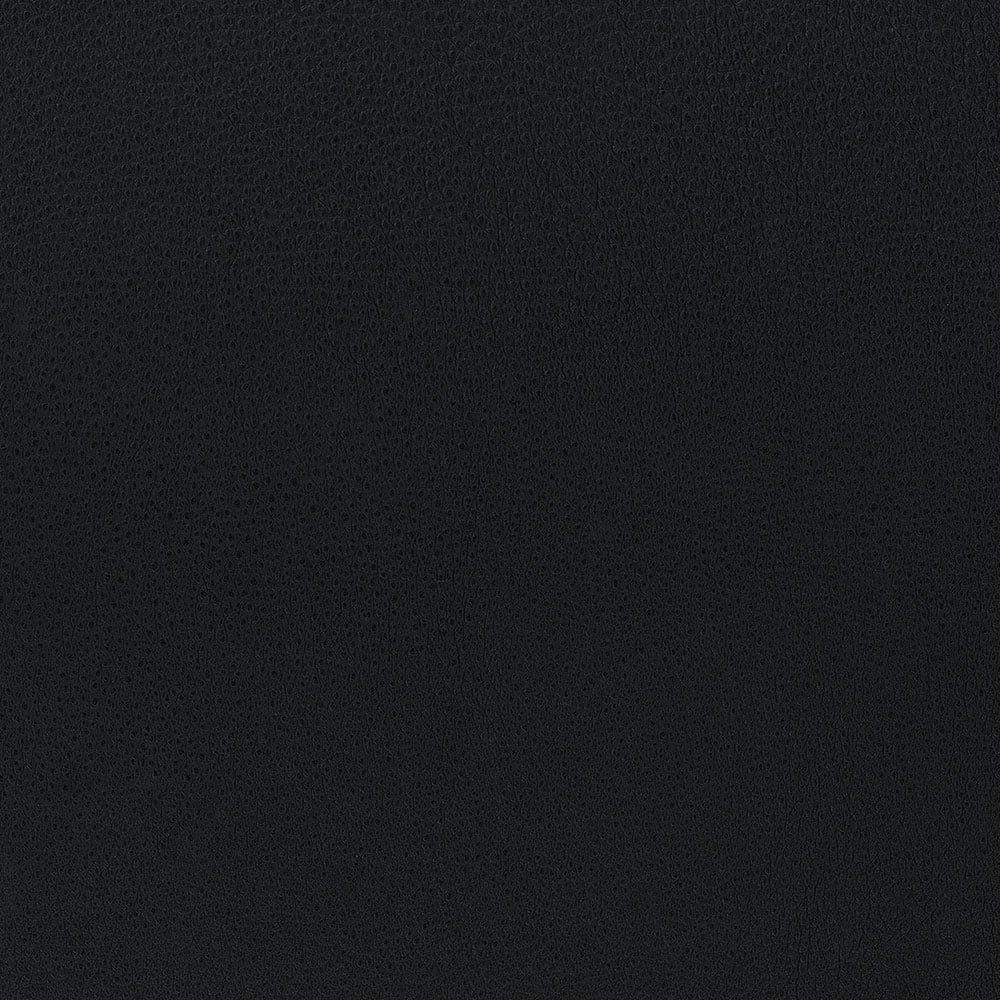
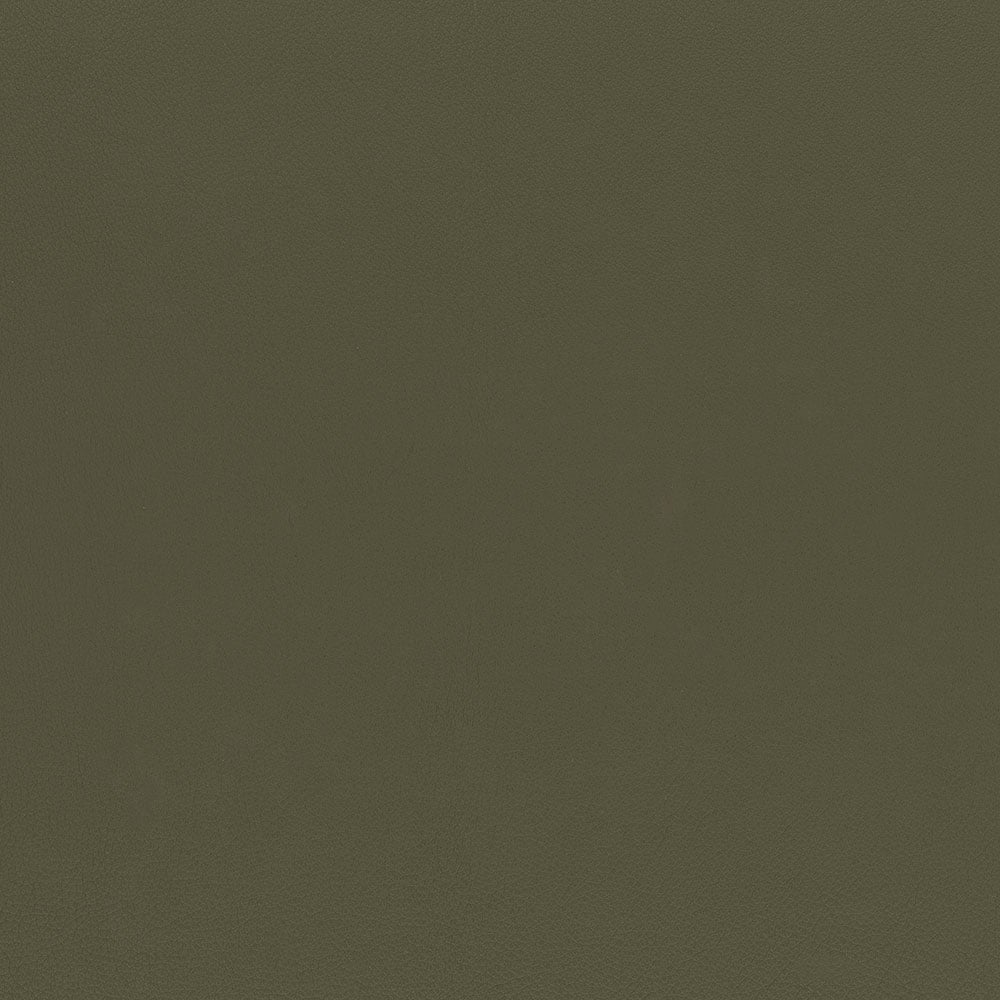
Leather Spring category P
European origin, Bovine leather, With chromium salts, Through dyeing, Vacuum drying, Pressed grain, Grinded, Finished with polyurethane resin, Thickness 1,0/1,2 mm, Average size 4,5/5,0 sqm
-
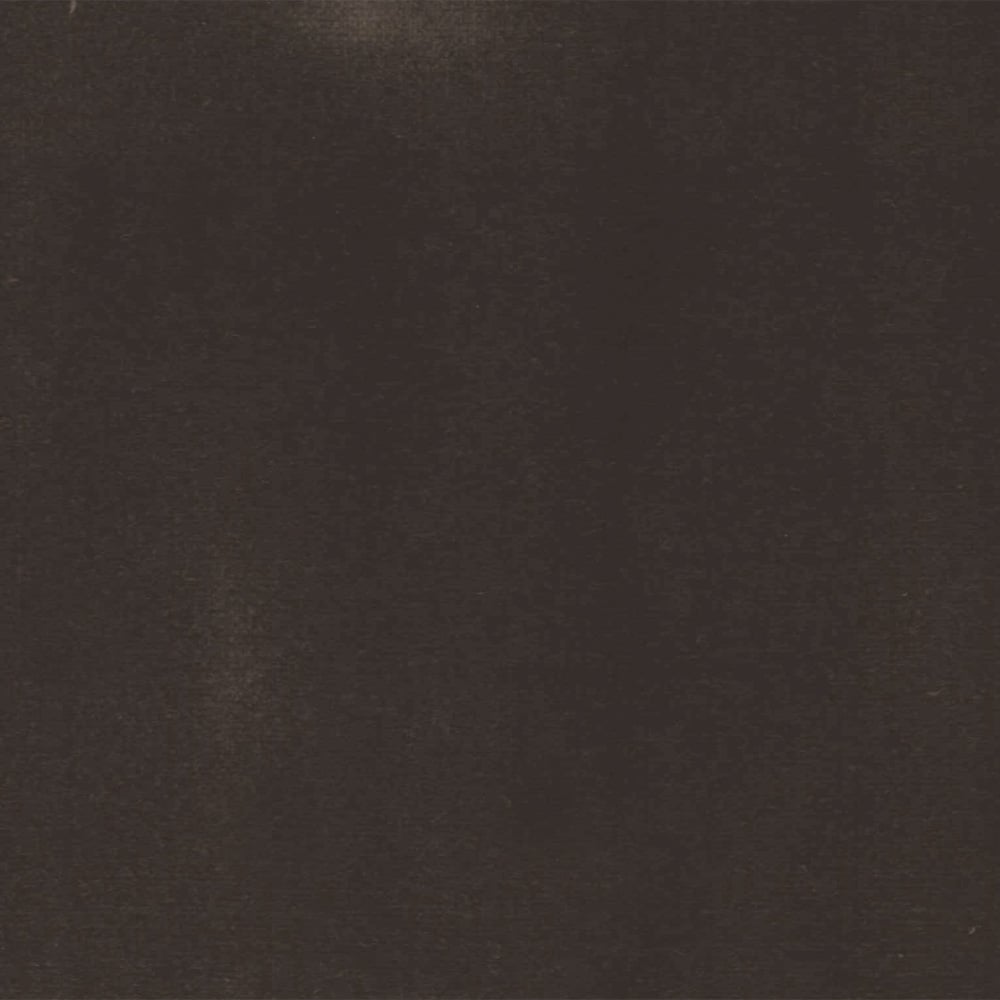
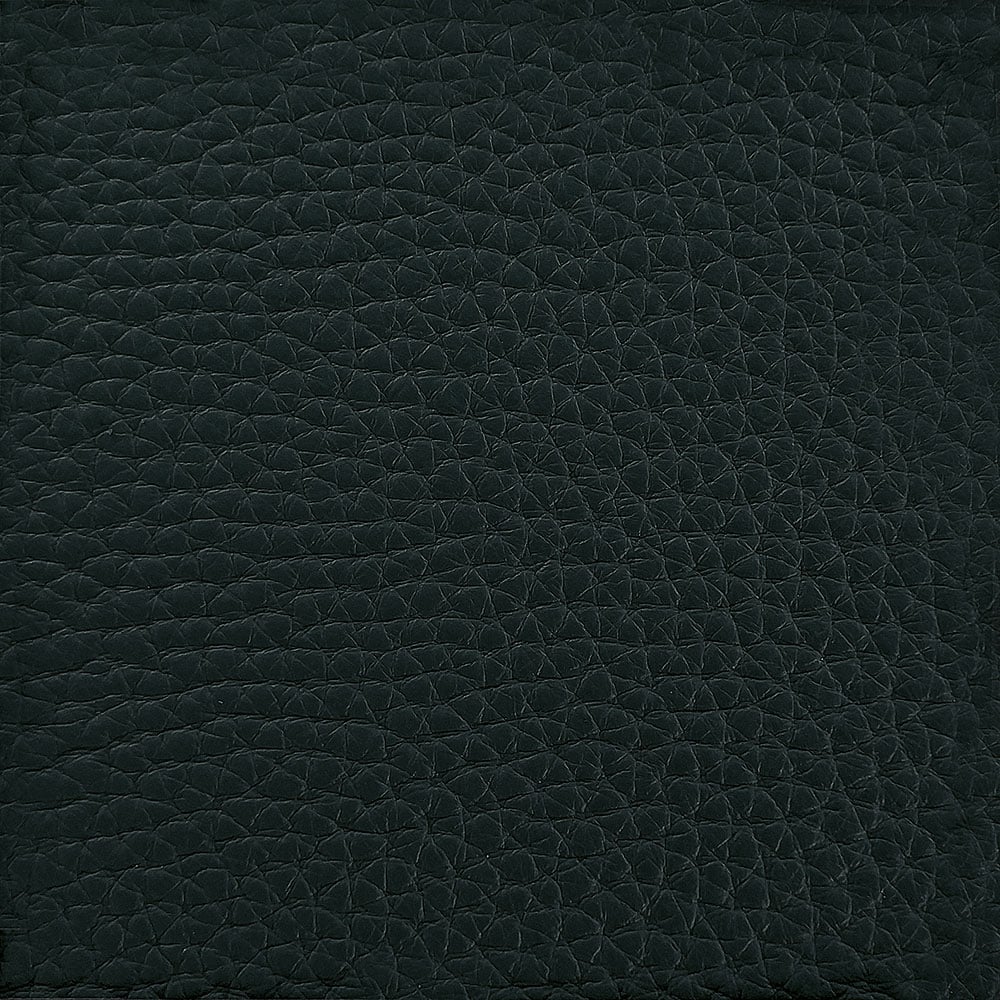
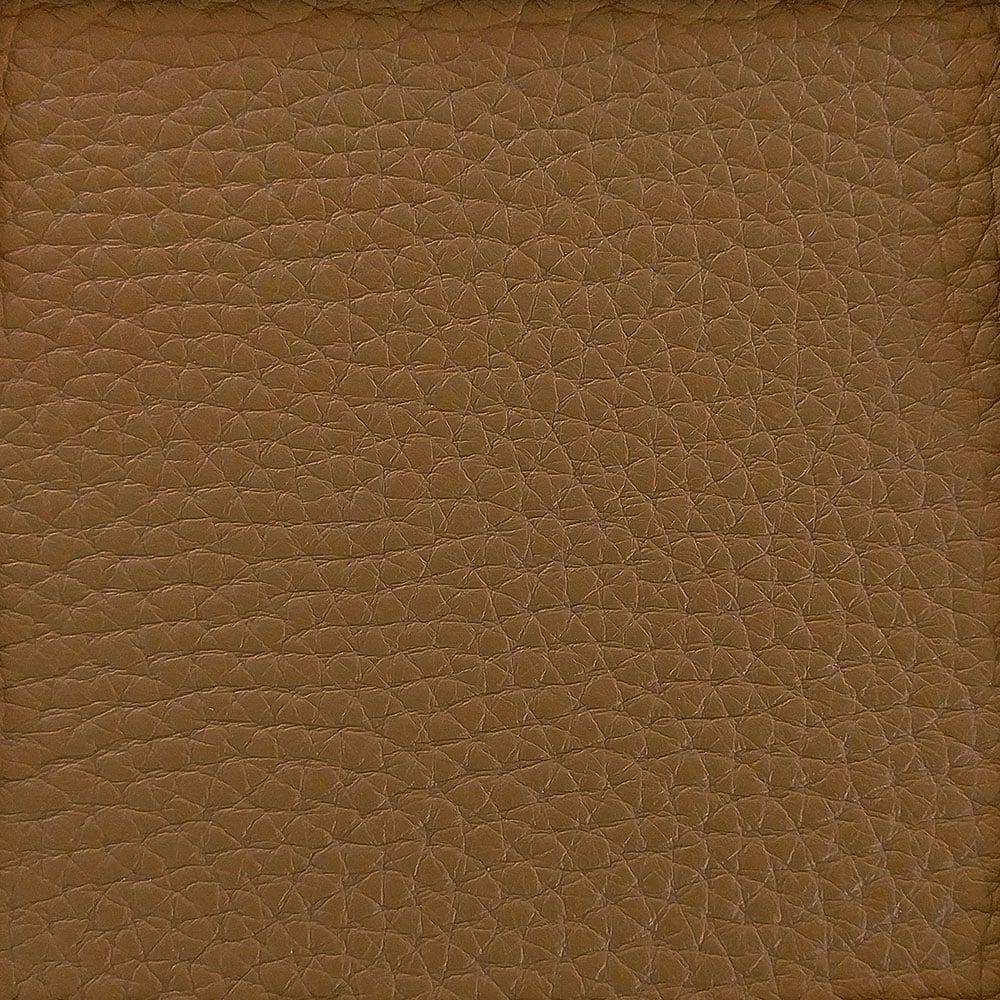
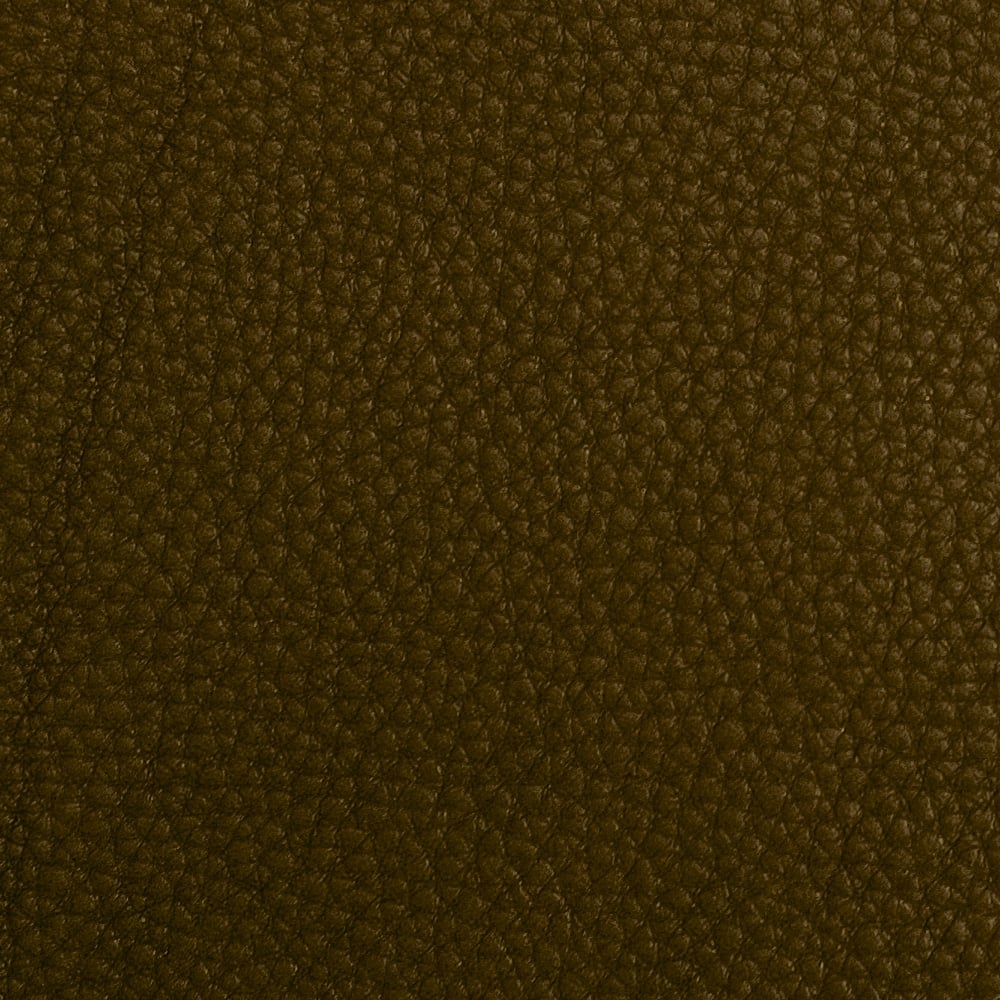
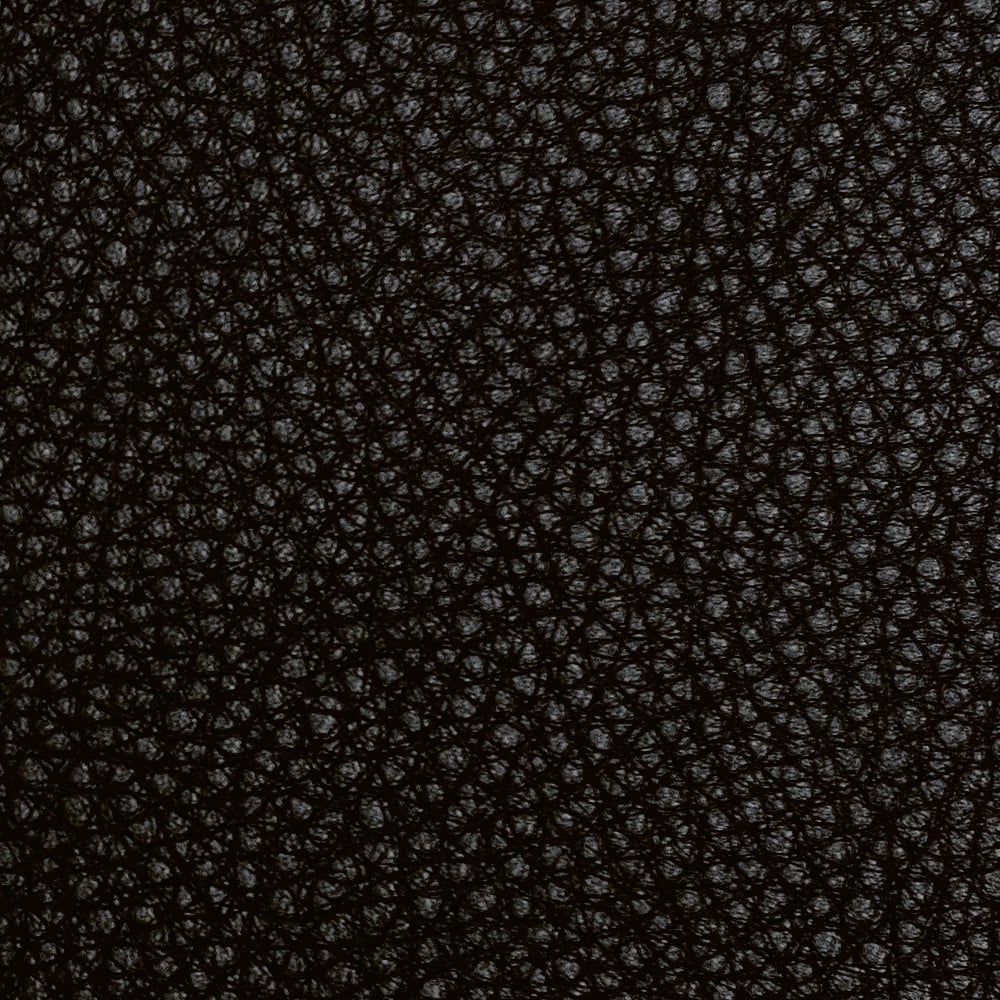
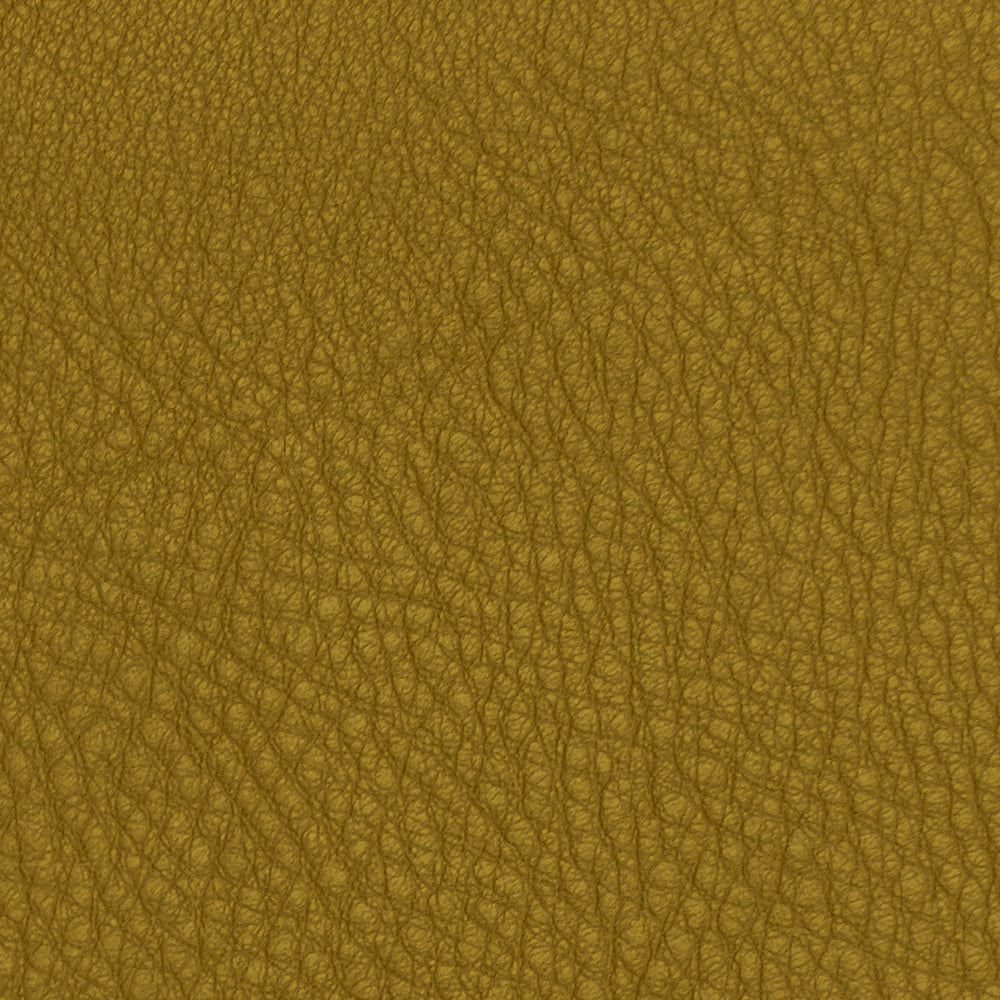
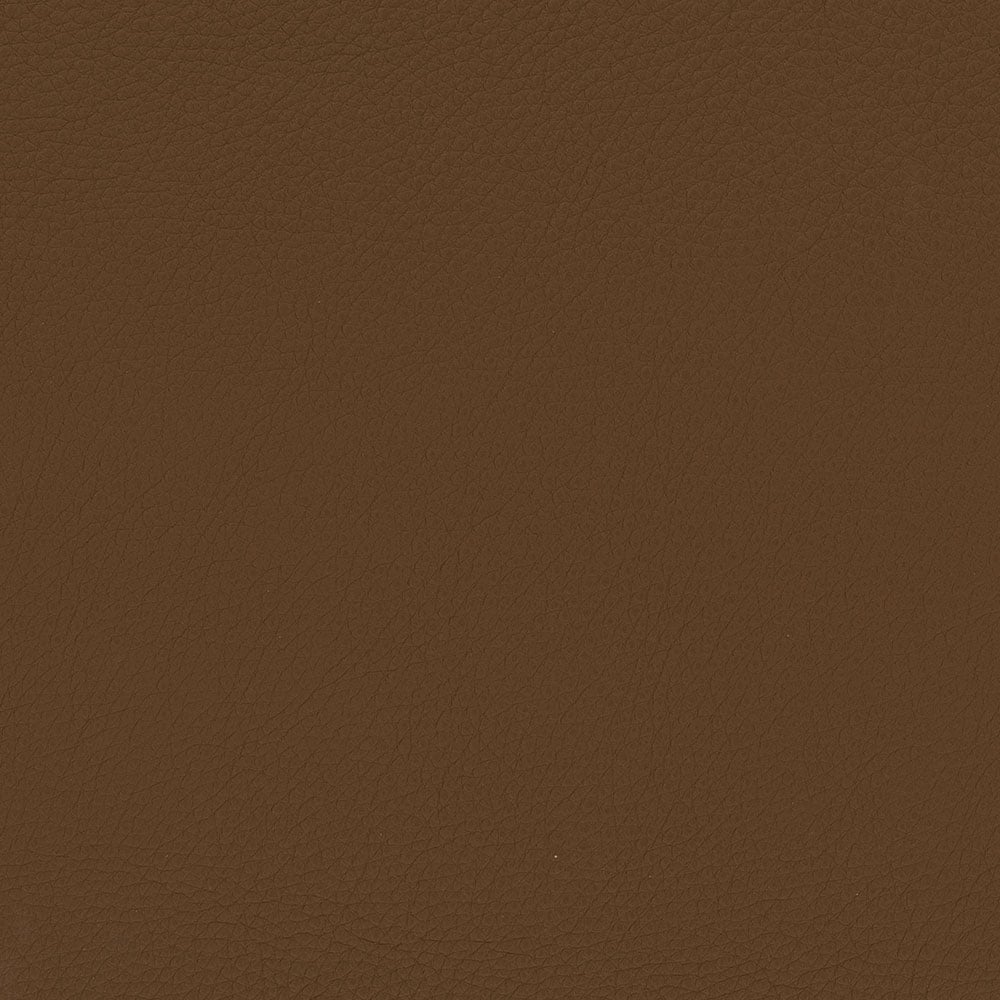
Leather Special category X
European origin, Bovine leather, With chromium salts, Through dyeing, Natural thin grain, Slightly corrected, Pigmented finish, Thickness 1,3/1,5 mm, Average size 5,00/5,50 sqm
-
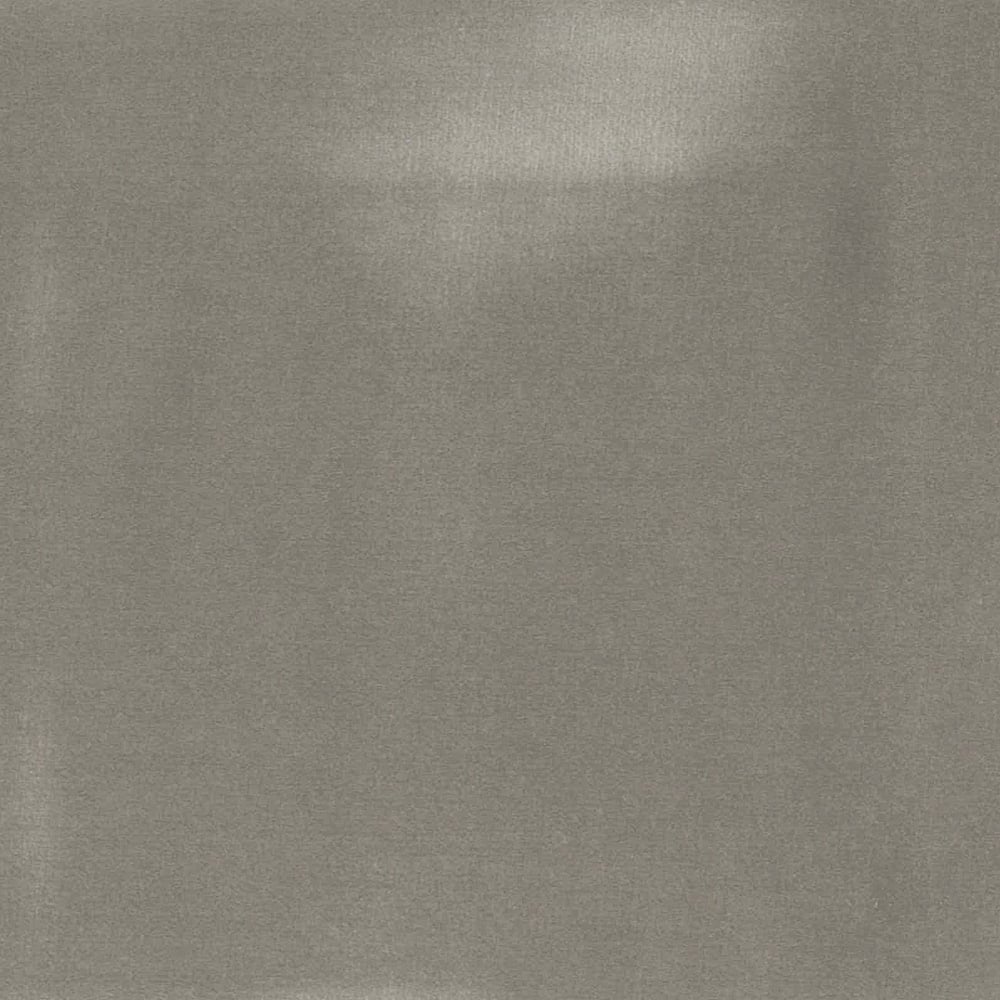
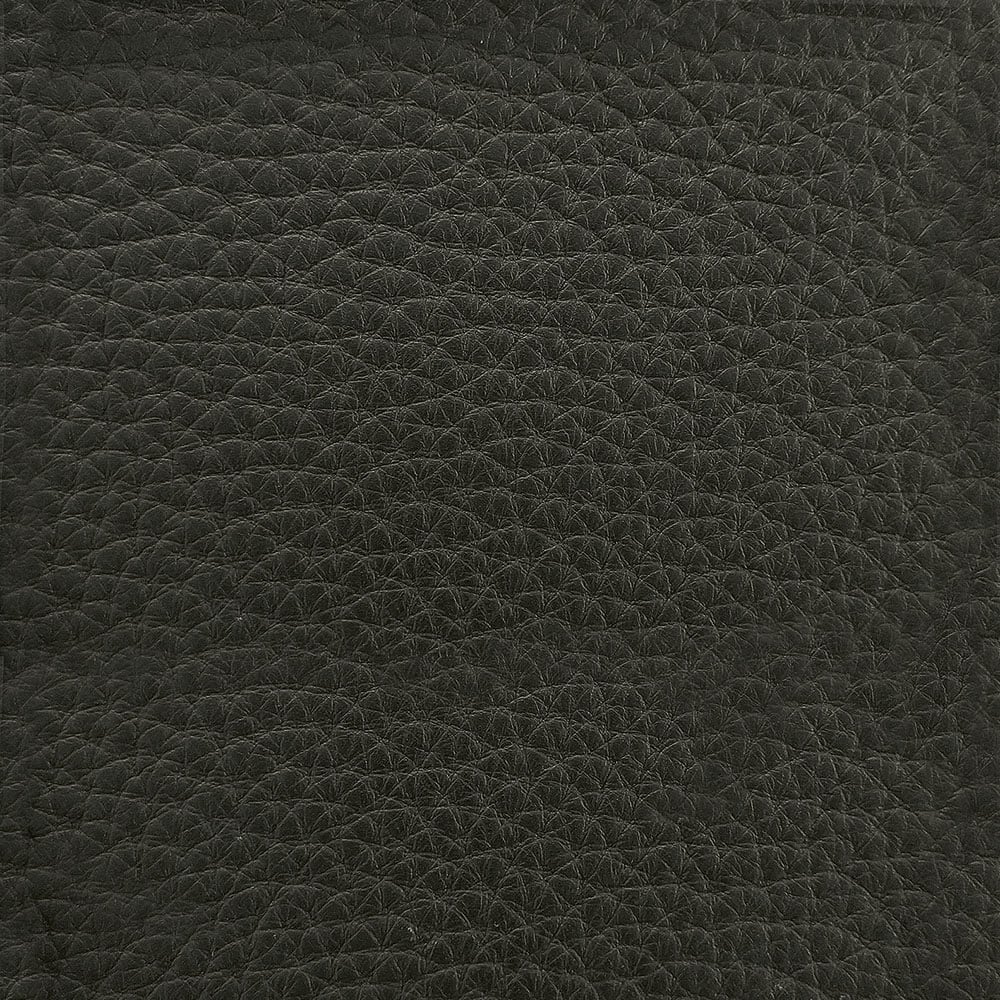
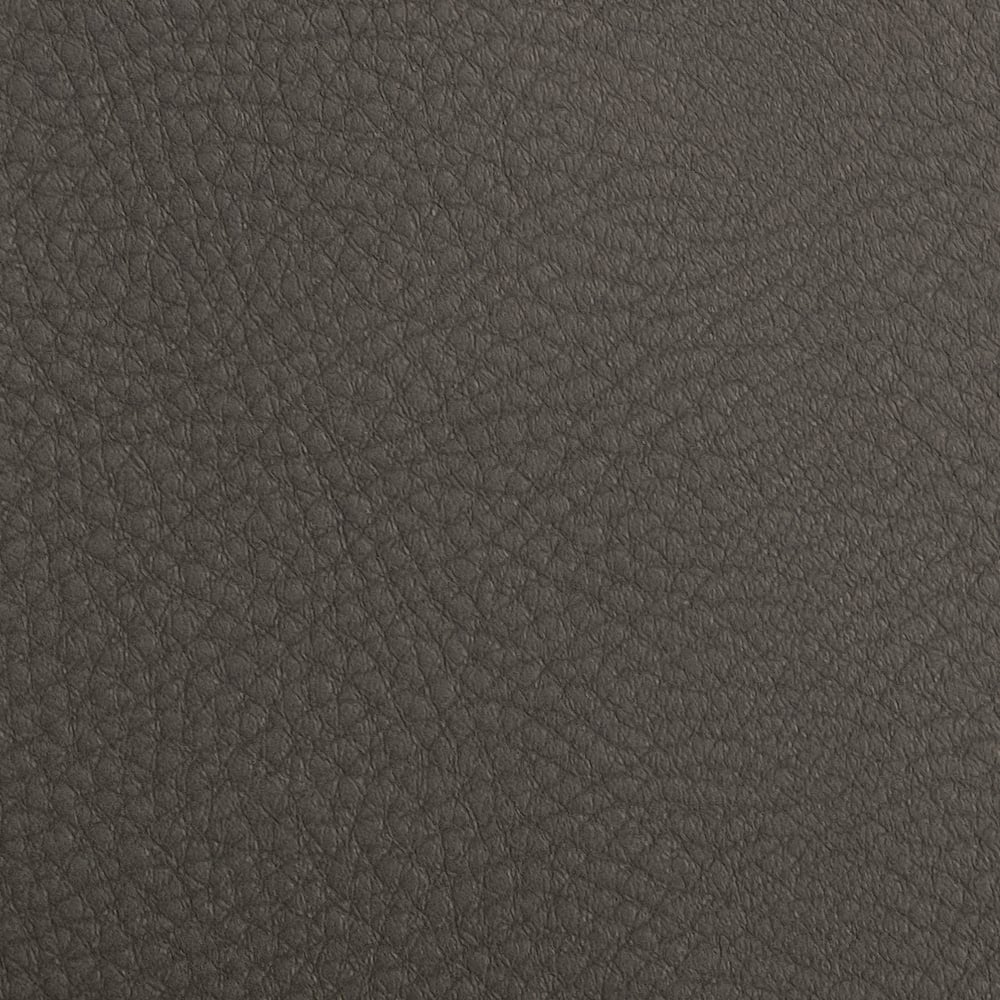
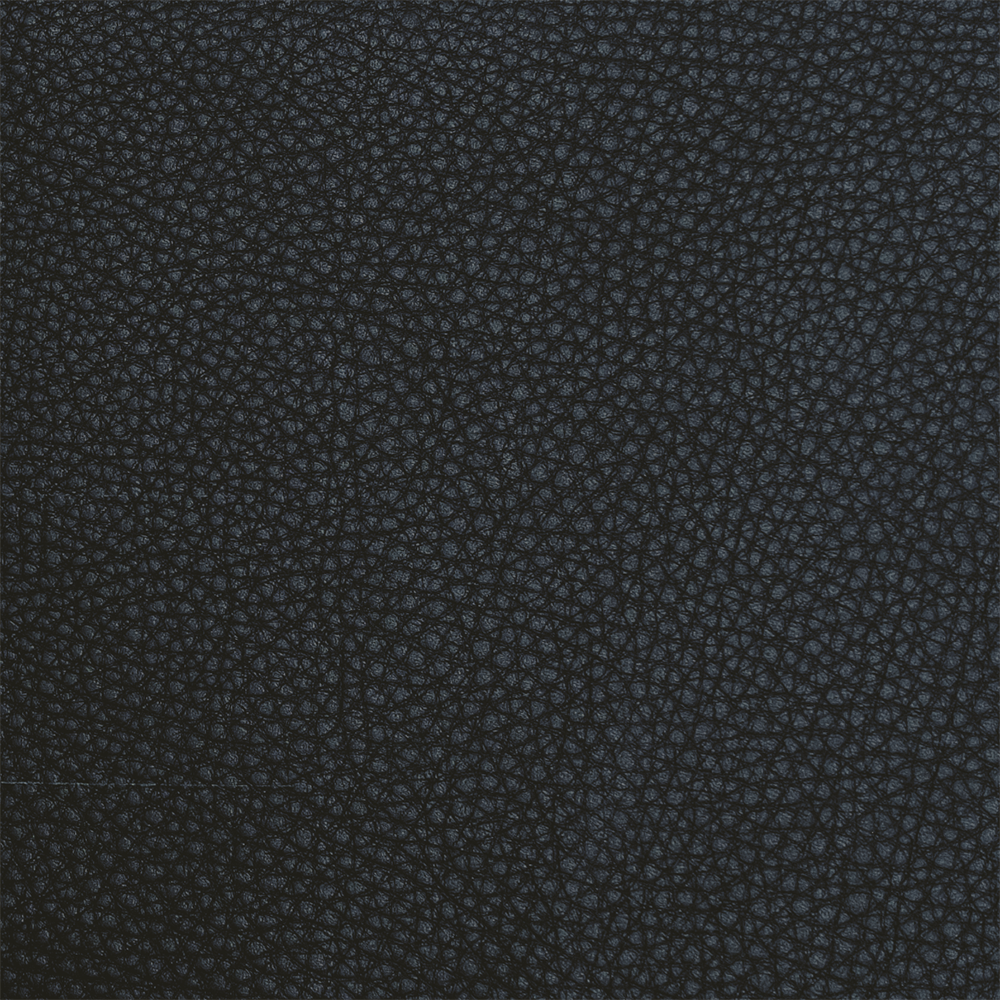
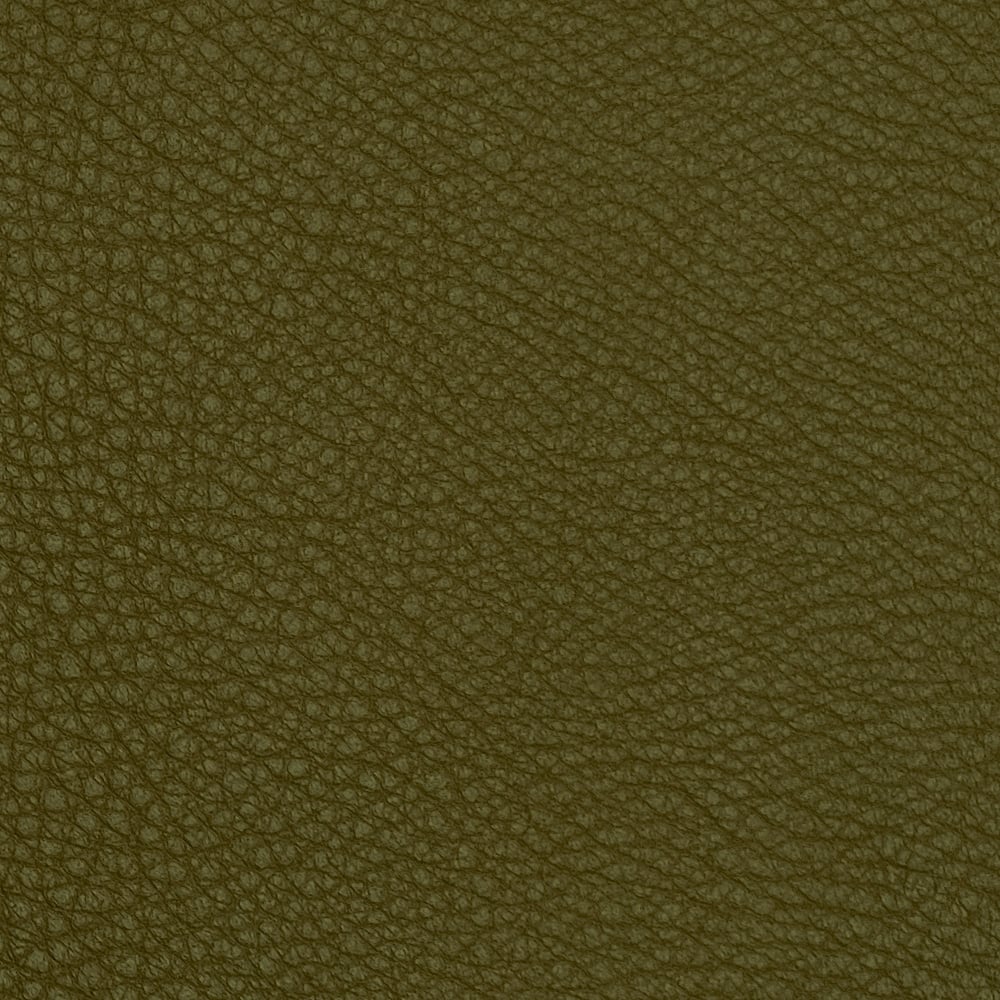
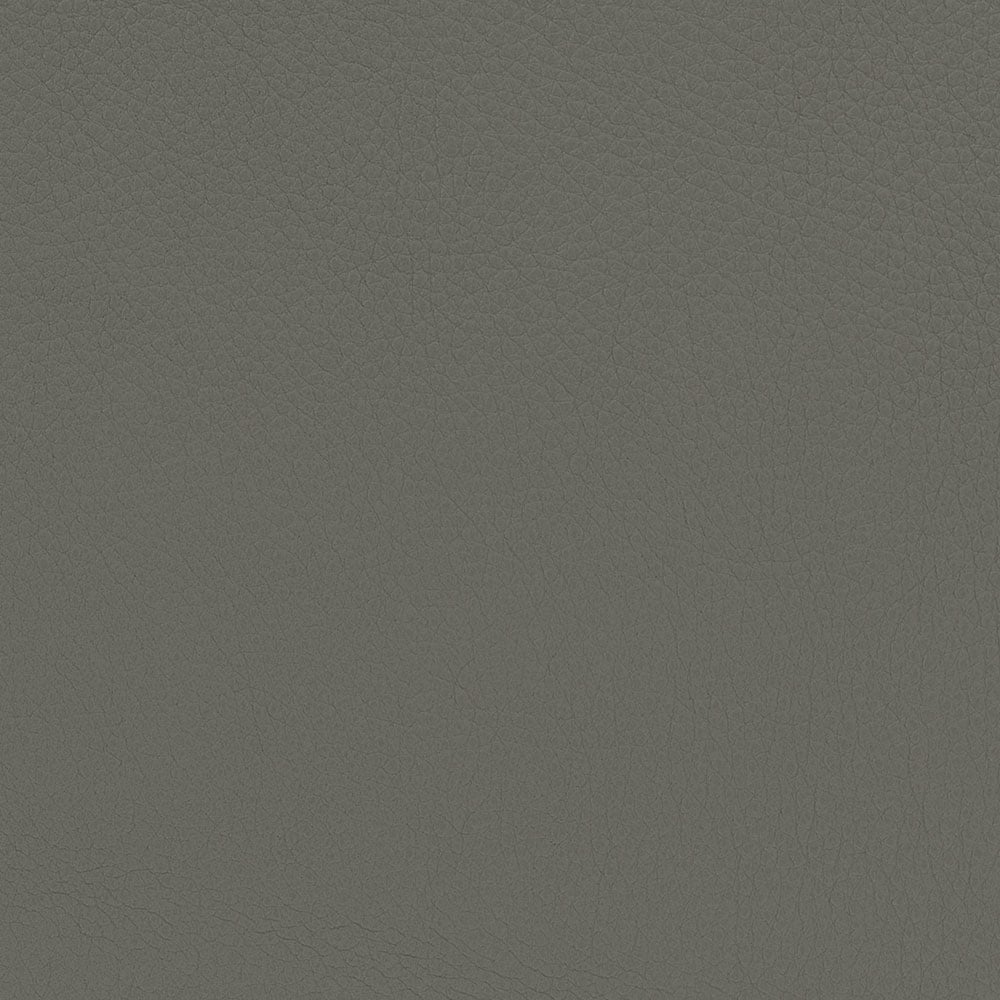
Leather Deep category X
European origin, Adult bovin leathers, With chromium salts, Aniline drum dyeing, Frame drying, Pre-moulded natural grain, Finishing with fine pigment dispersions and waxes, Thickness 1,8/2,0 mm, Average size c.a. 5,00/5,50 sqm
-
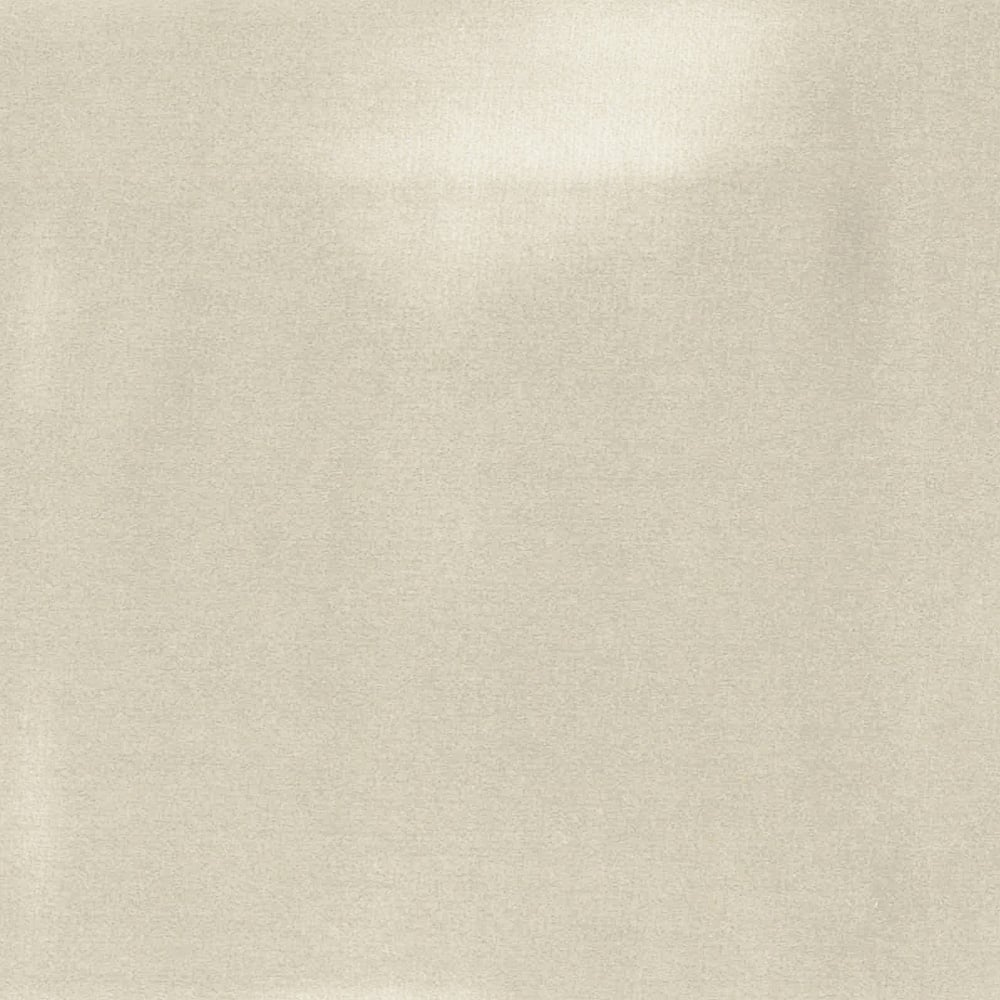
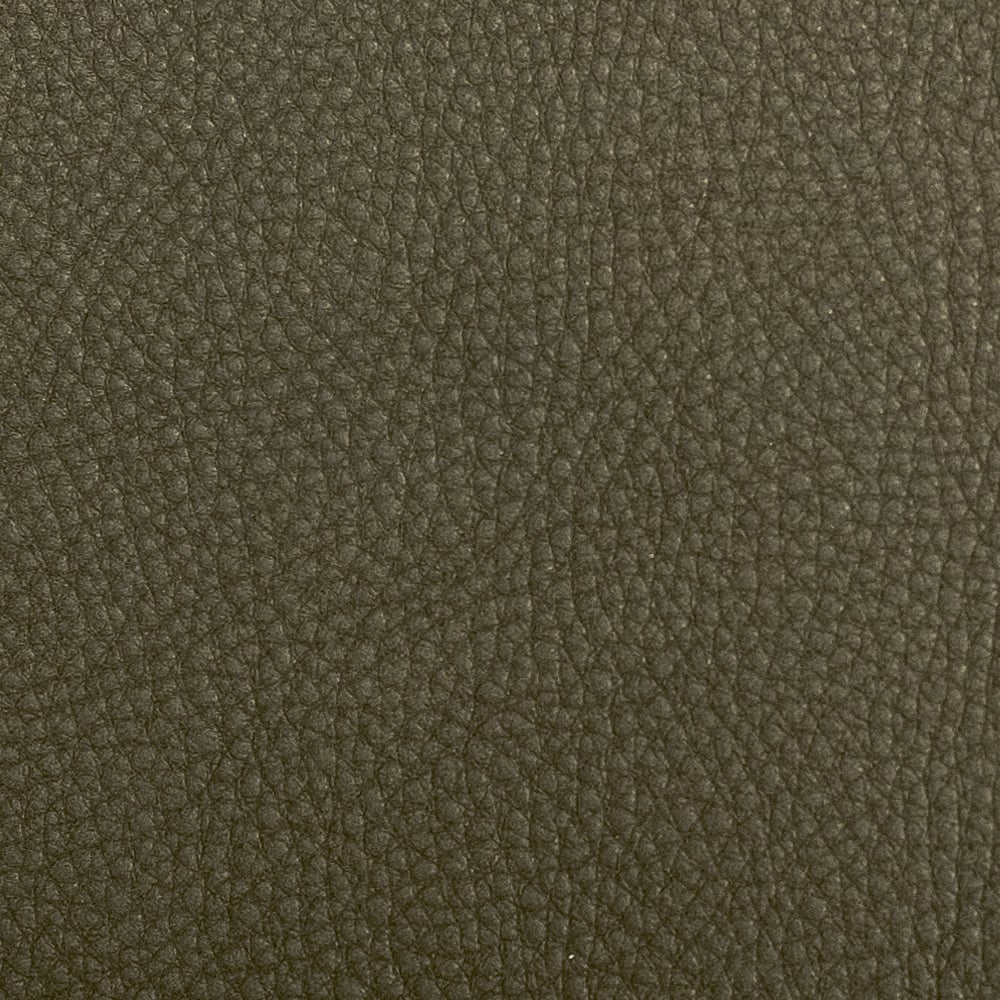
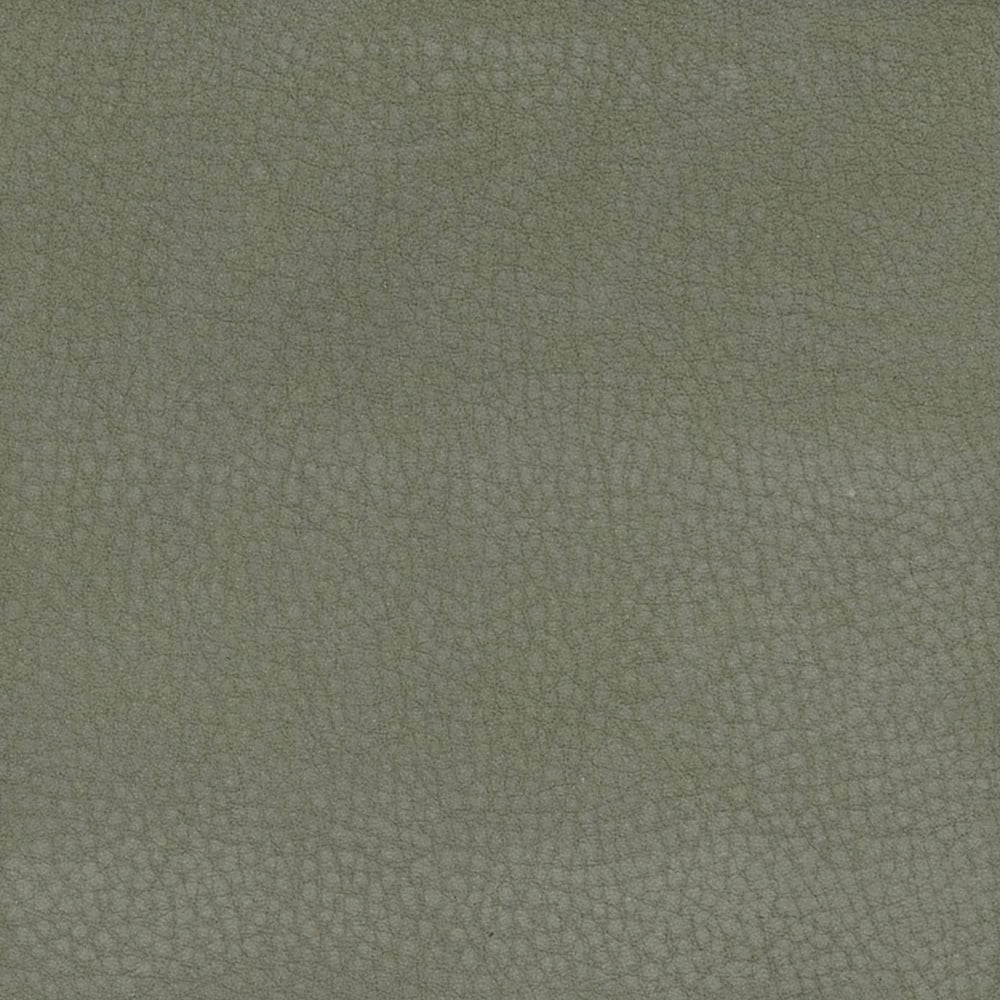
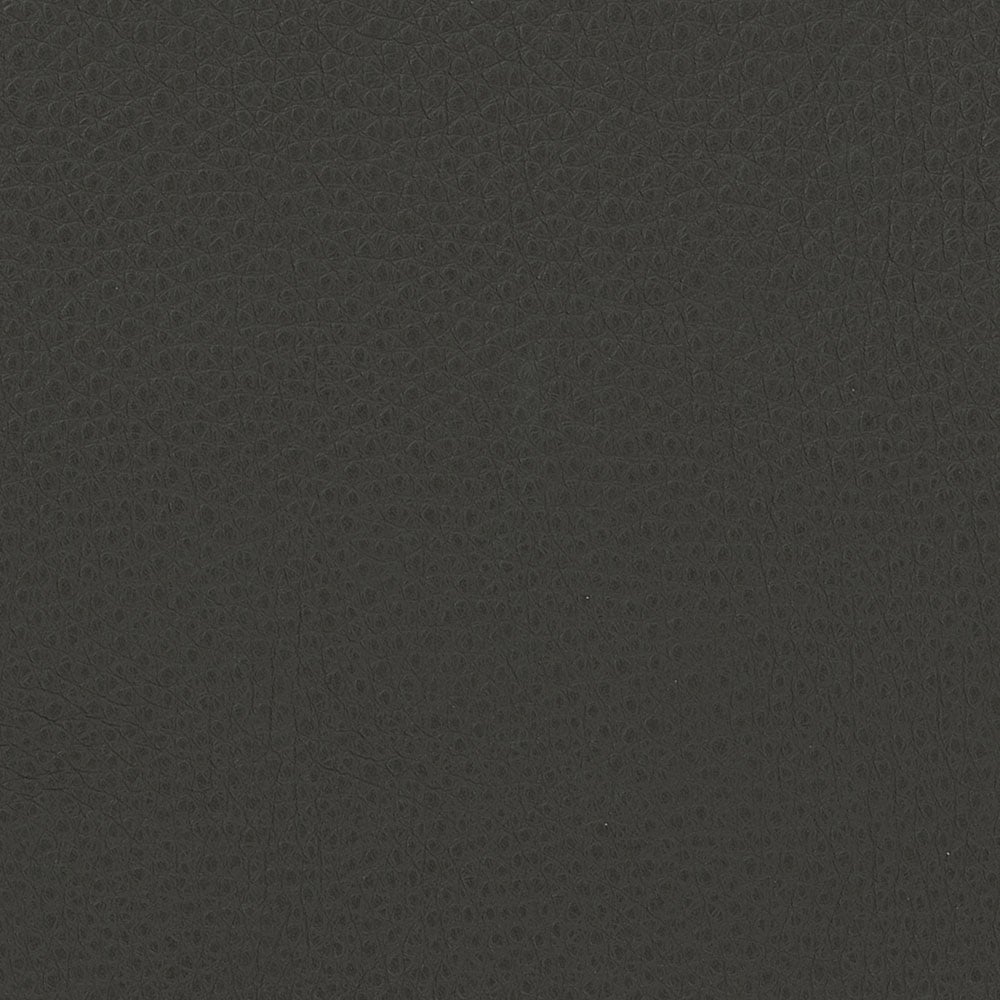
Leather Suede category X
European origin, Adult bovin leathers, With chromium salts, Aniline drum dyeing and refinishing for colour correction only, Thickness 1,2/1,4 mm, Average size c.a. 1,80 sqm.
-
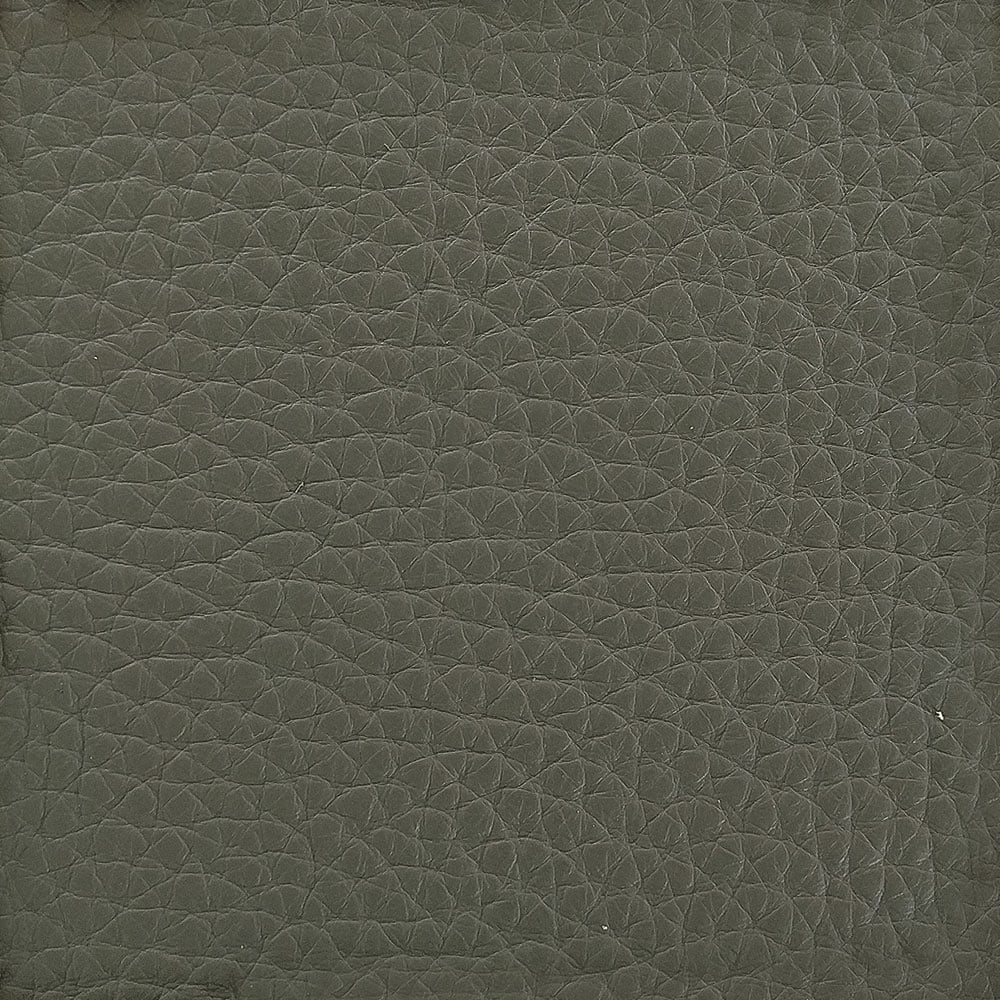
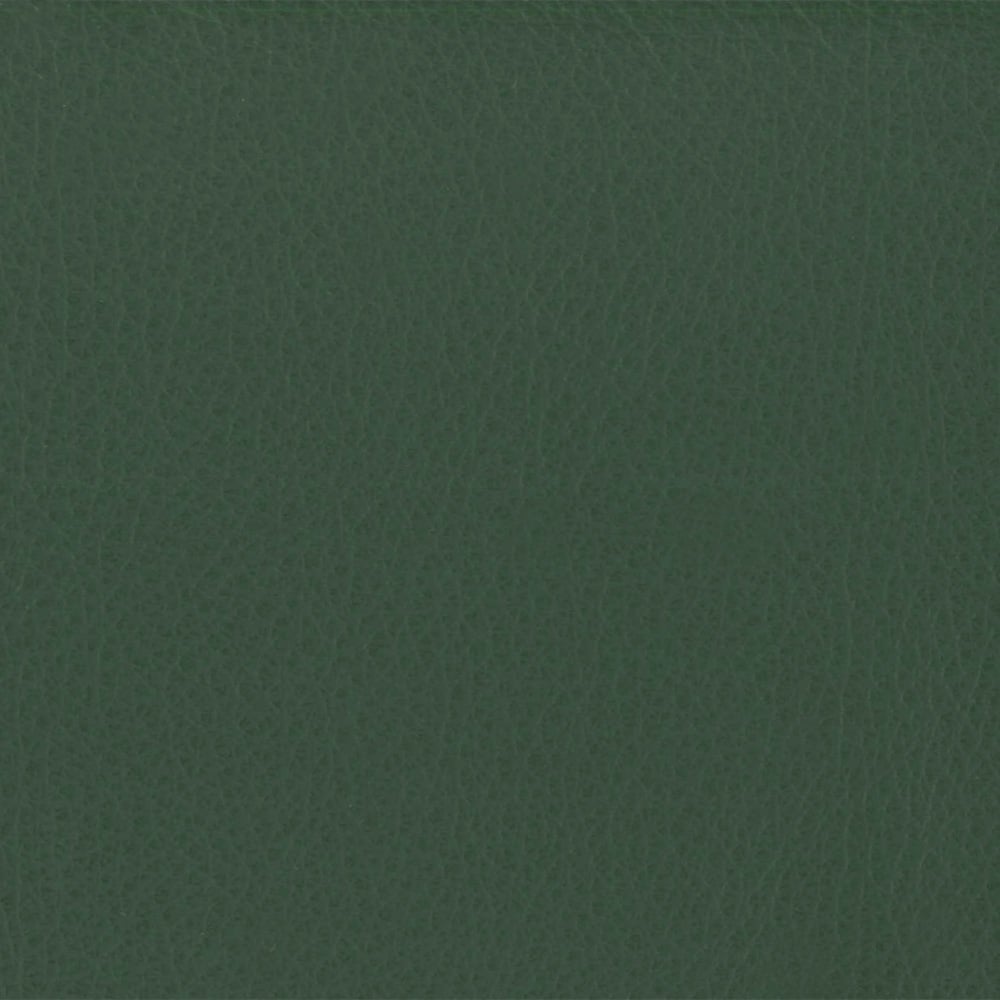
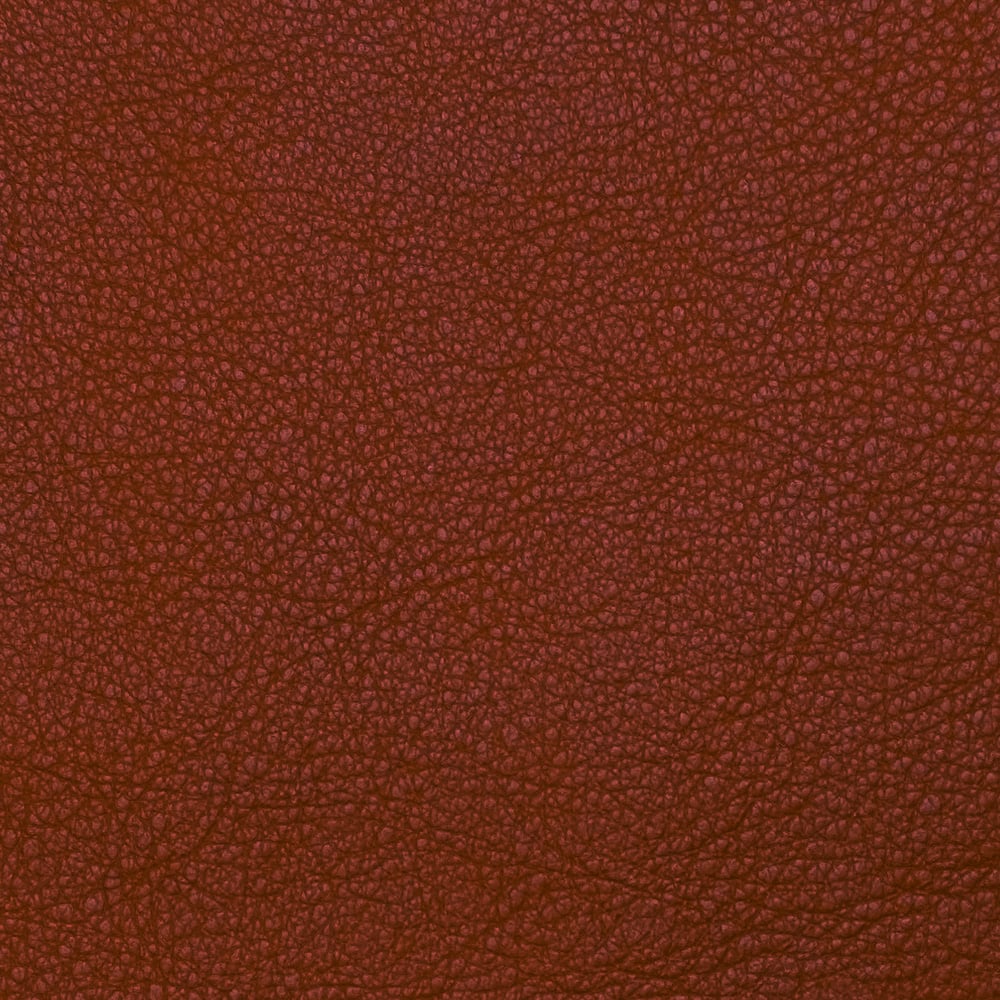
Leather Colors category S
European origin, Bovine leather, With chromium salts, Through dyeing, Natural thin grain, Not grinded, Finished with polyurethane resin, Thickness 1,0/1,2 mm, Average size 5,00 sqm
-
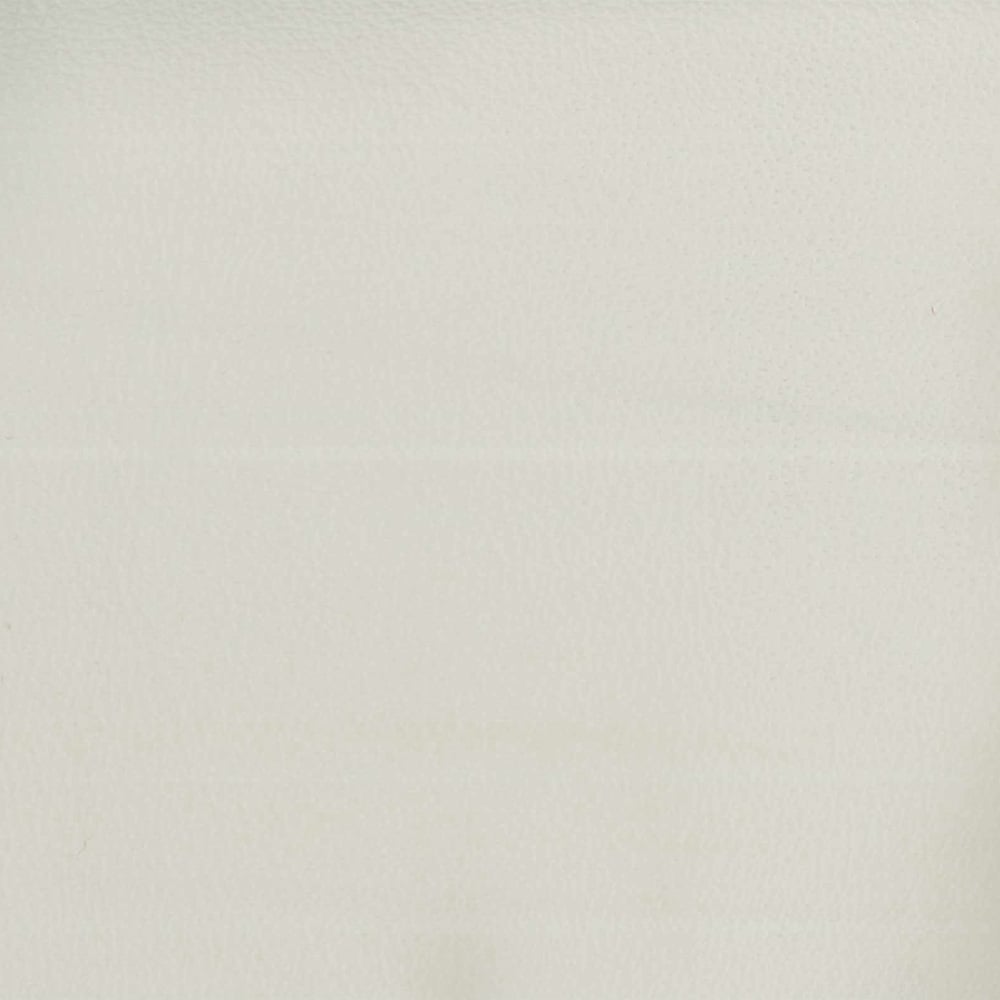
Leather Silk category S
European origin, Adult bovin leathers, With chromium salts, Through dyeing, Frame drying, Natural/full grain, Light water-based finish, Thickness 1,3/1,5 mm, Average size c.a. 5,00 sqm
-
Leather Nabuk category Y
European origin, Bovine leather, With chromium salts, Aniline drum dyeing, Natural drying, Natural grain, Grinded, 3M Scotchgard, Thickness 1,1/1,3 mm, Average size 5,00/5,50 sqm
-
Leather Soft category Y
European origin, Bovine leather, With chromium salts, Aniline drum dyeing, Frame drying, Natural/full grain, Natural/full grain, Thickness 1,5/1,7 mm, Average size c.a. 5,00 sqm
-
Leather Natural category Y
European origin, Bovine leather, With chromium salts, Aniline drum dyeing, Frame drying, Smooth finish, Finish in aniline and wax, Thickness 1,1/1,3 mm, Average size c.a. 5,00 sqm
-
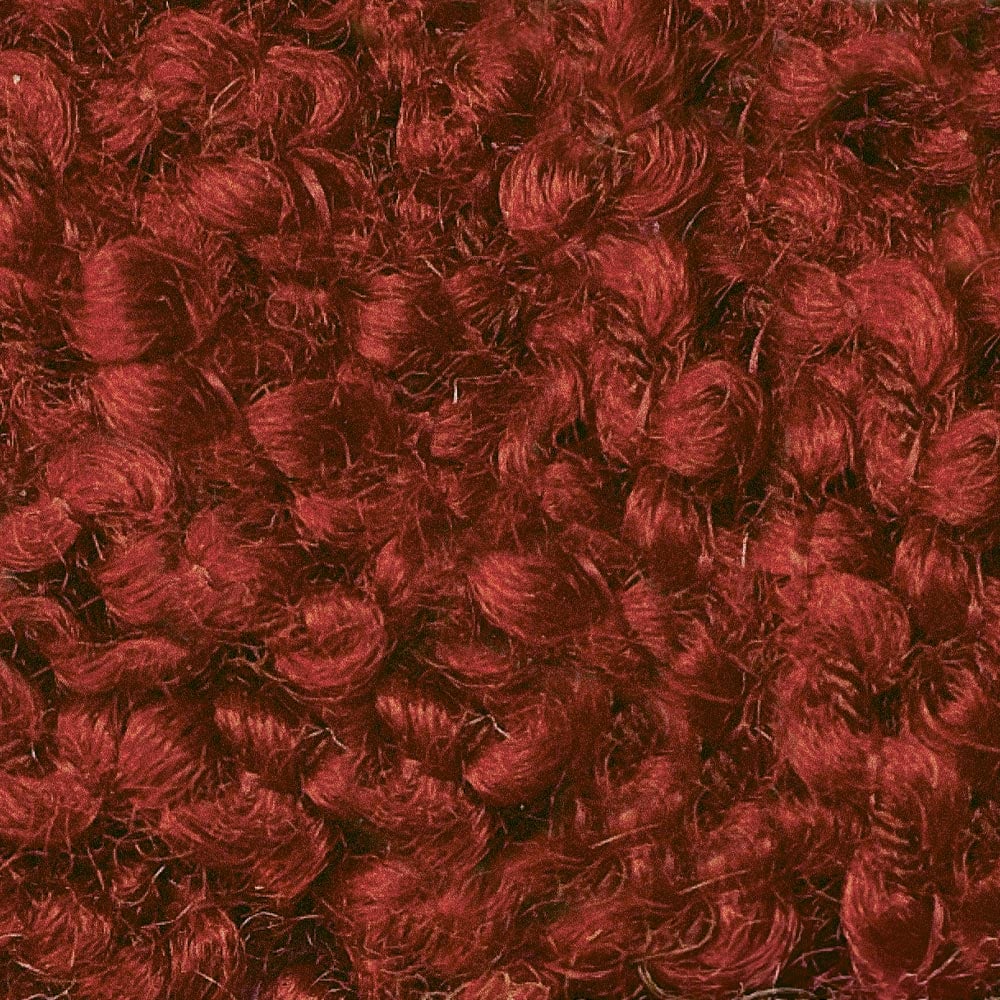
Leather Hairy
European origin, Bovine leathers with hair, With chromium salts, Drum dyed, Thickness 1,4/1,5 mm, Average size 1,6 – 2,00 sqm
-
Leather Ermitage category W
European origin, Bovine leather, With chromium salts, Aniline drum dyeing, Frame drying, Smooth finish, Finish in aniline, Thickness 1,4/1,5 mm, Average size c.a. 4,40 sqm
-
Tecnocover
It is a composite material, consisting of 20% leather offcuts, 55% polyurethane and 25% cotton.
The offcuts from natural leather production are finely shredded and mixed with rubber, latex and other synthetic binders.
Sheets of regenerated leather can undergo various finishing processes designed to make them as similar as possible to the corresponding natural version.
Of particular importance is the embossing process, in which the material is stamped using a specific pattern that mimics the grain of natural leather.