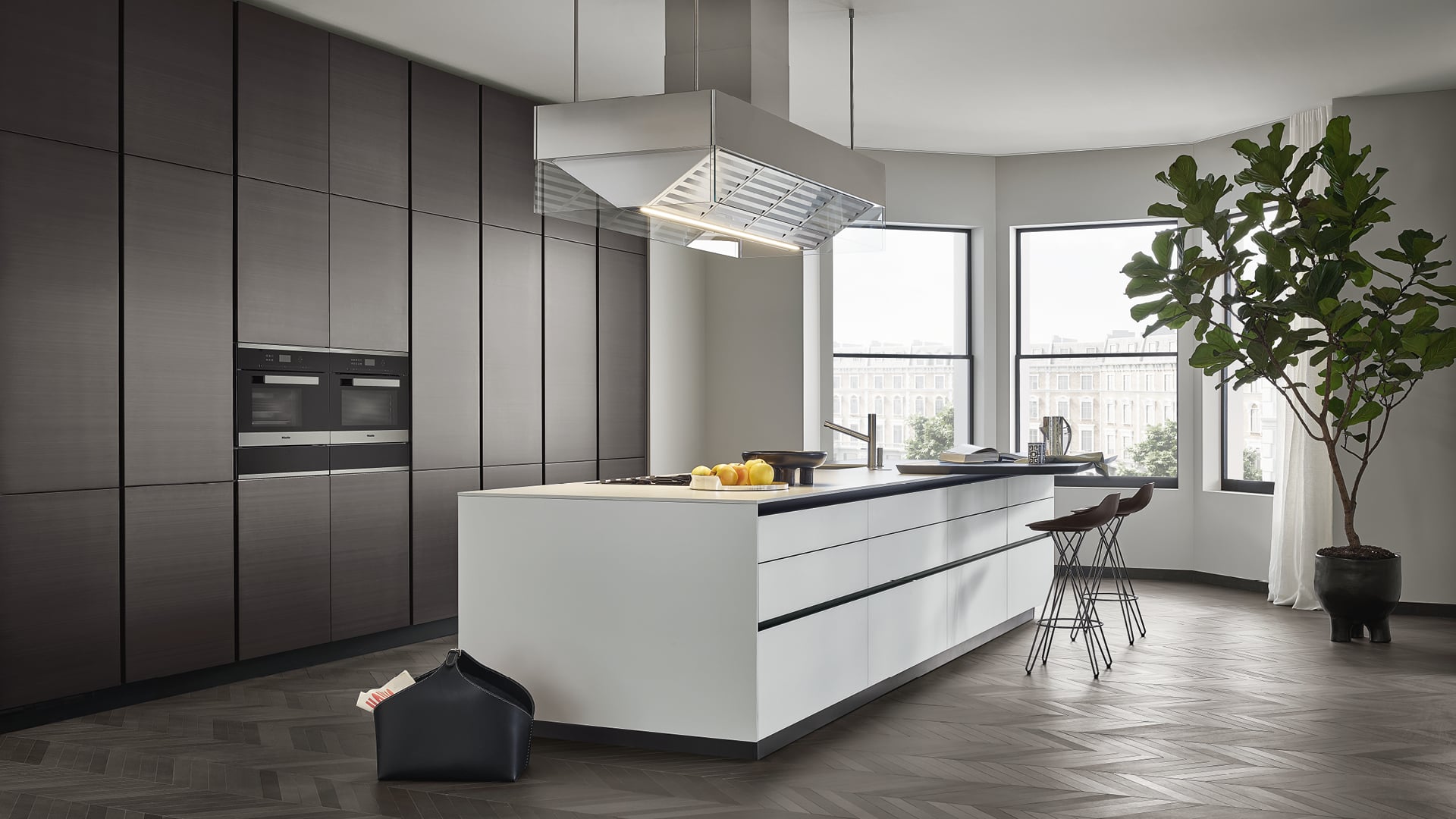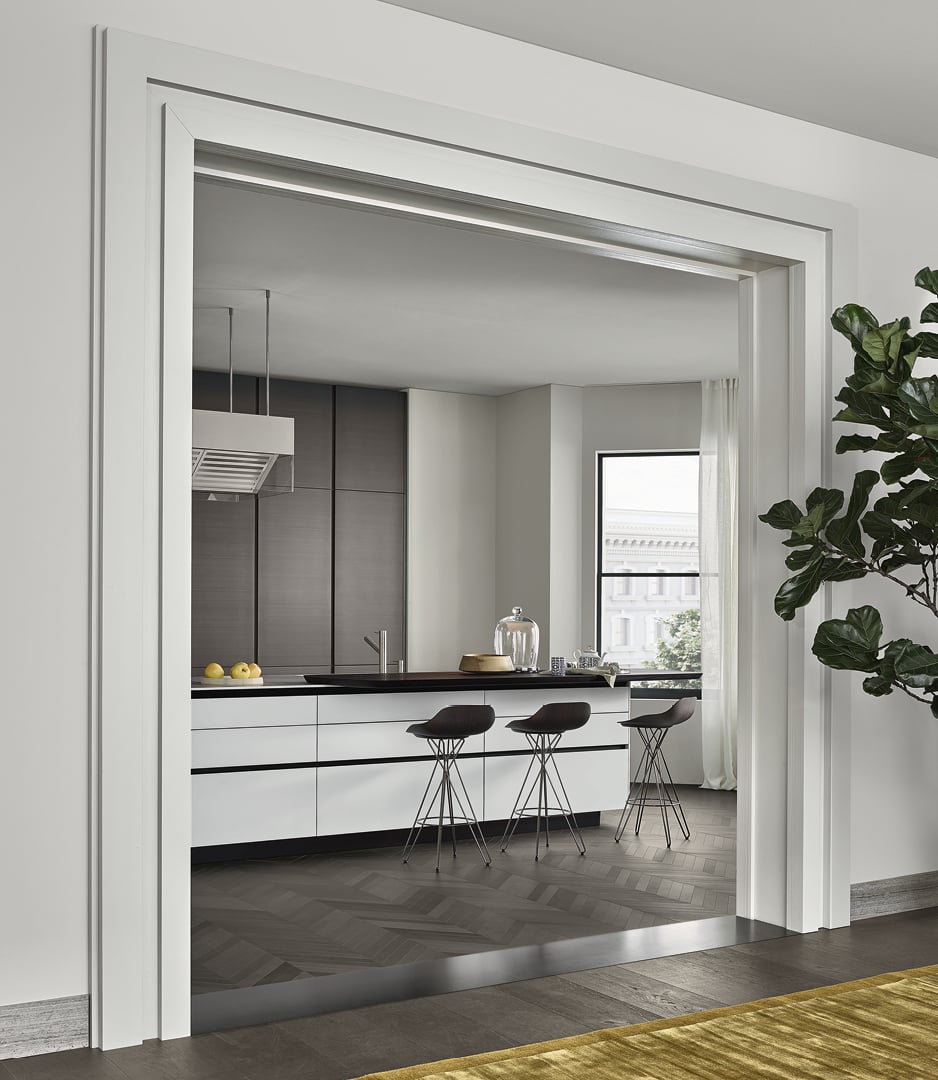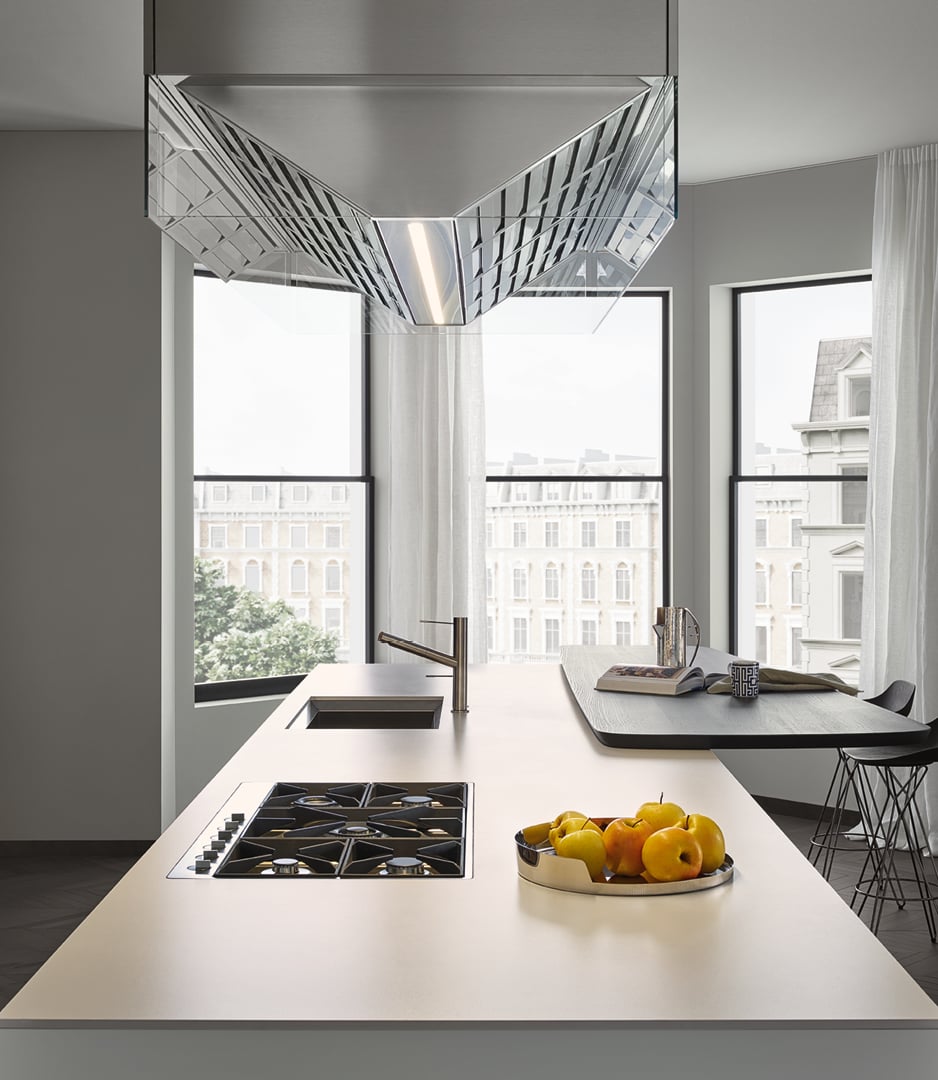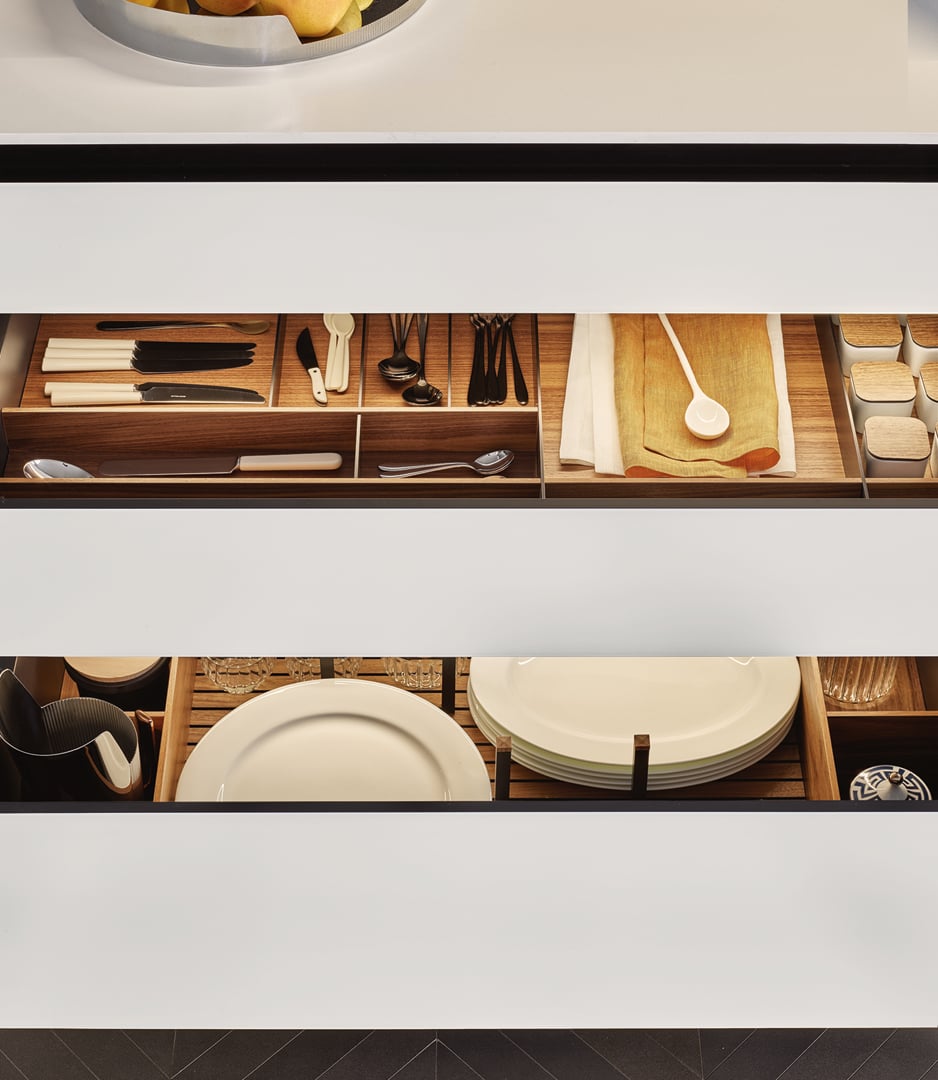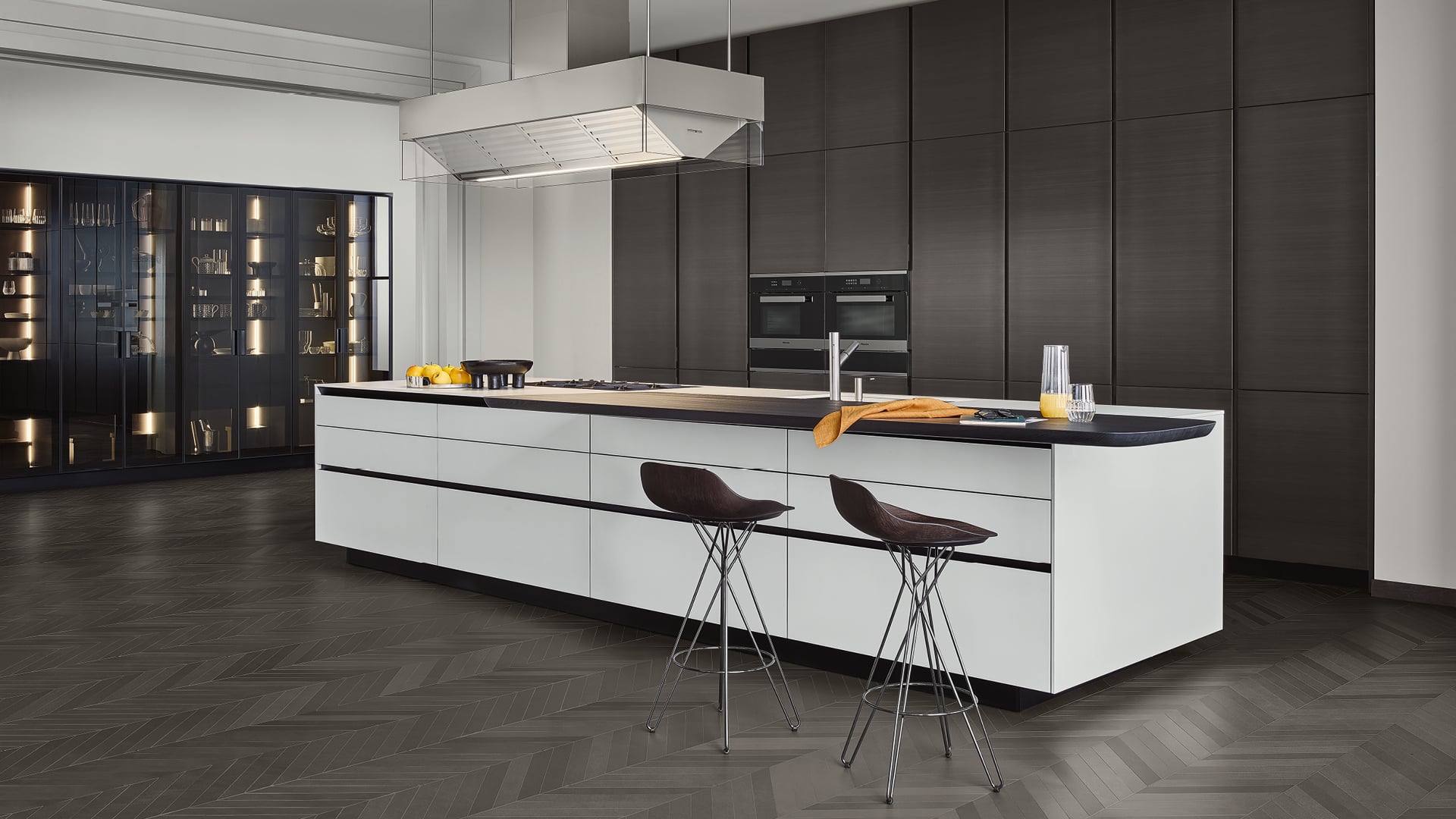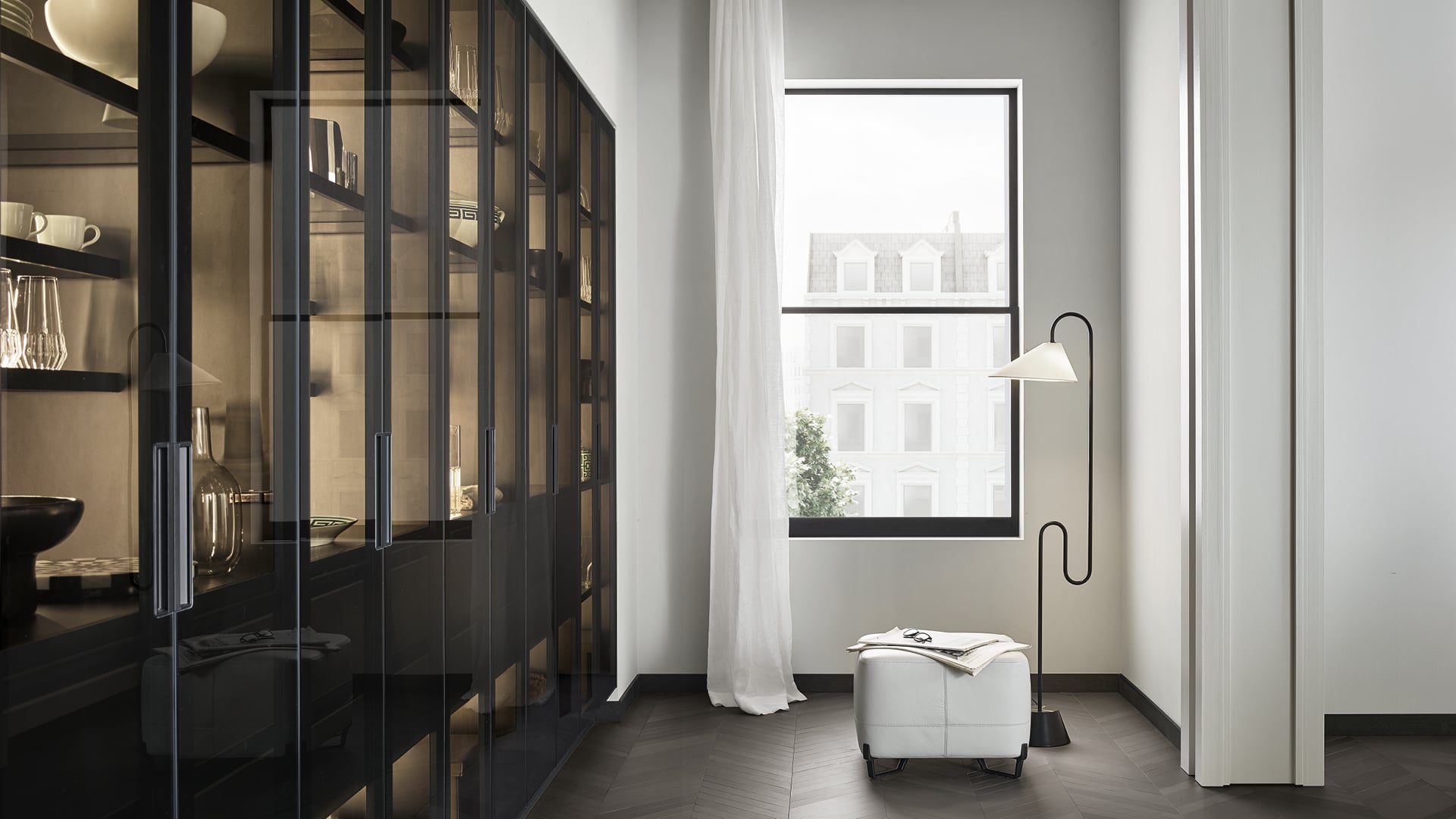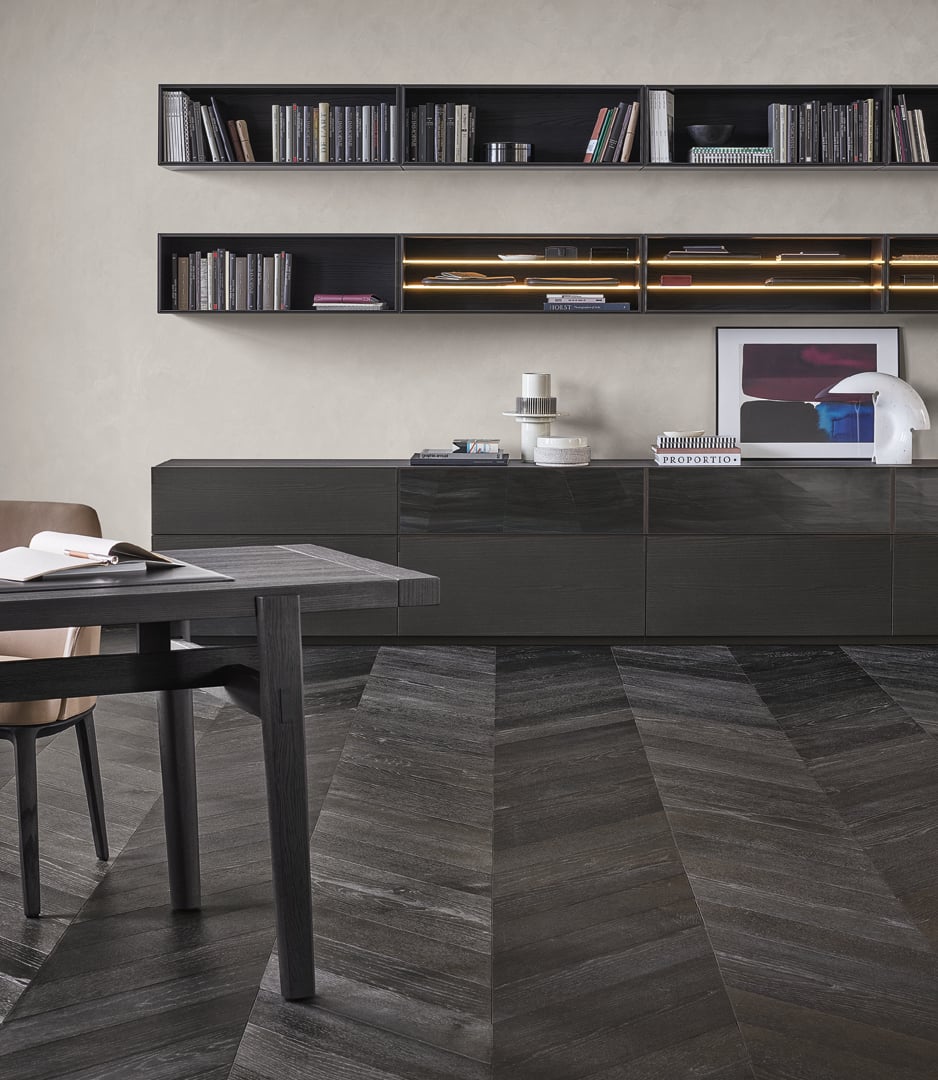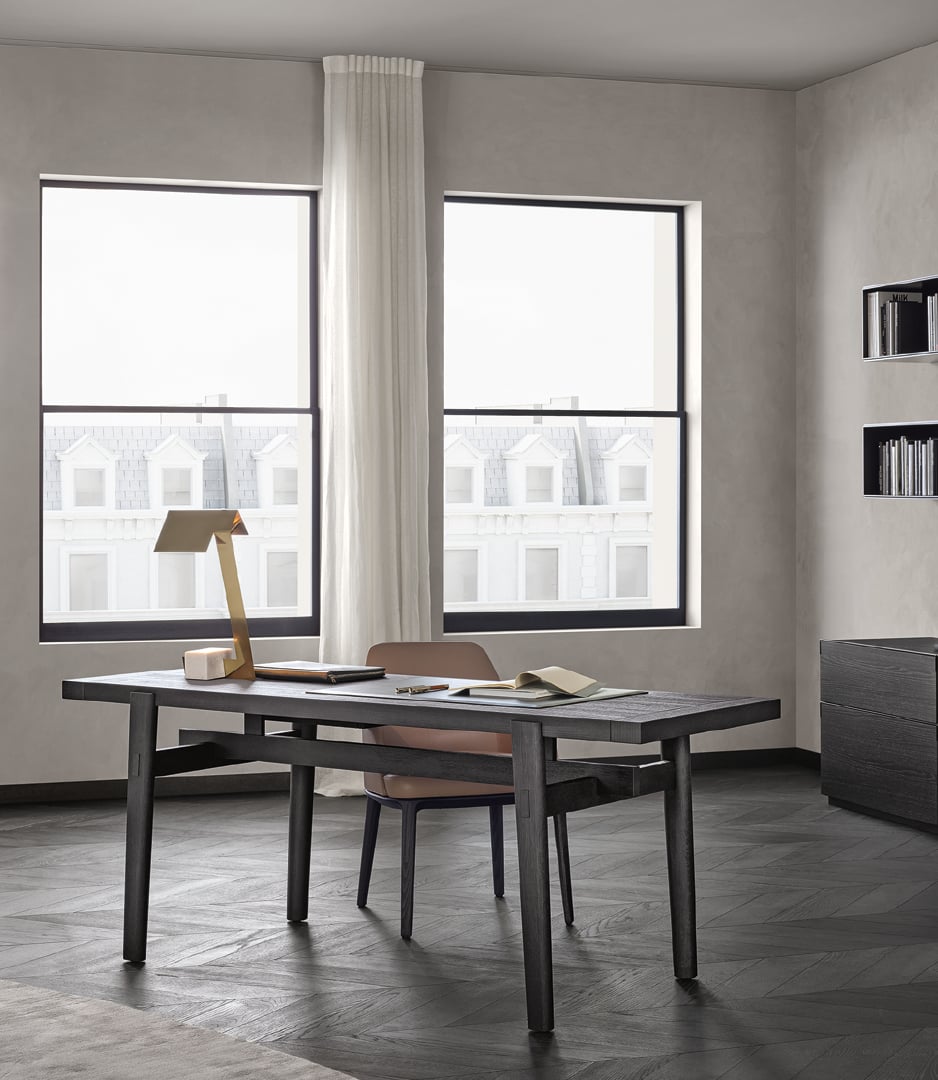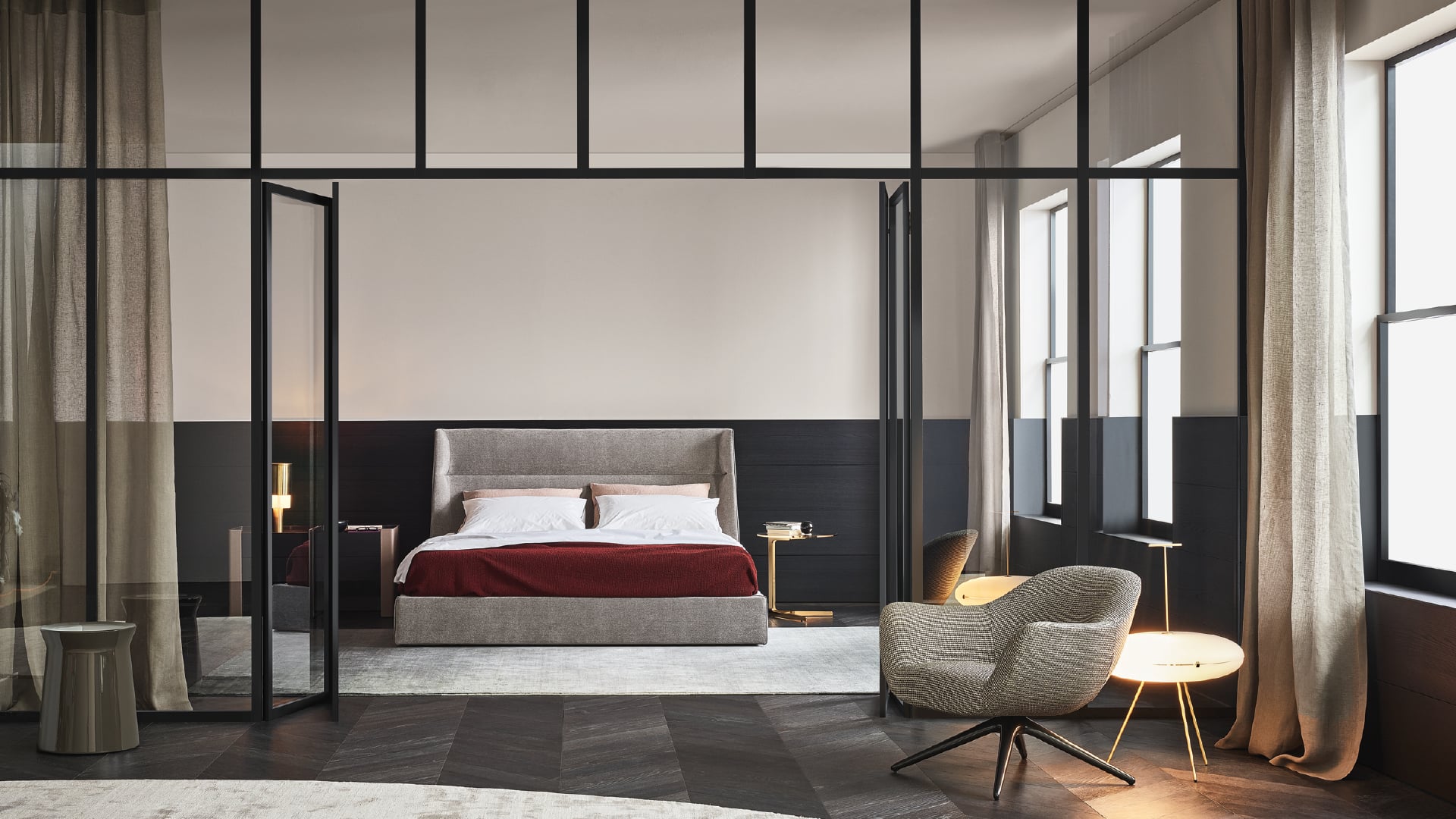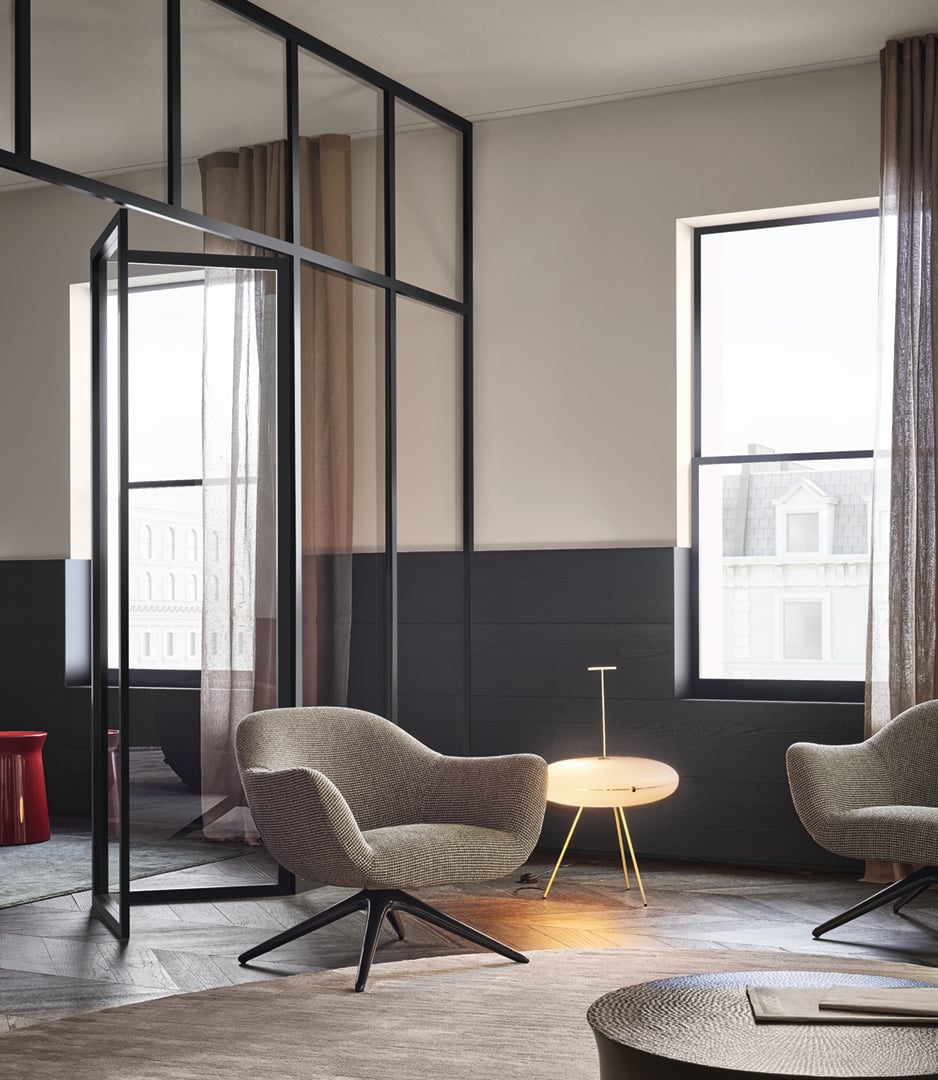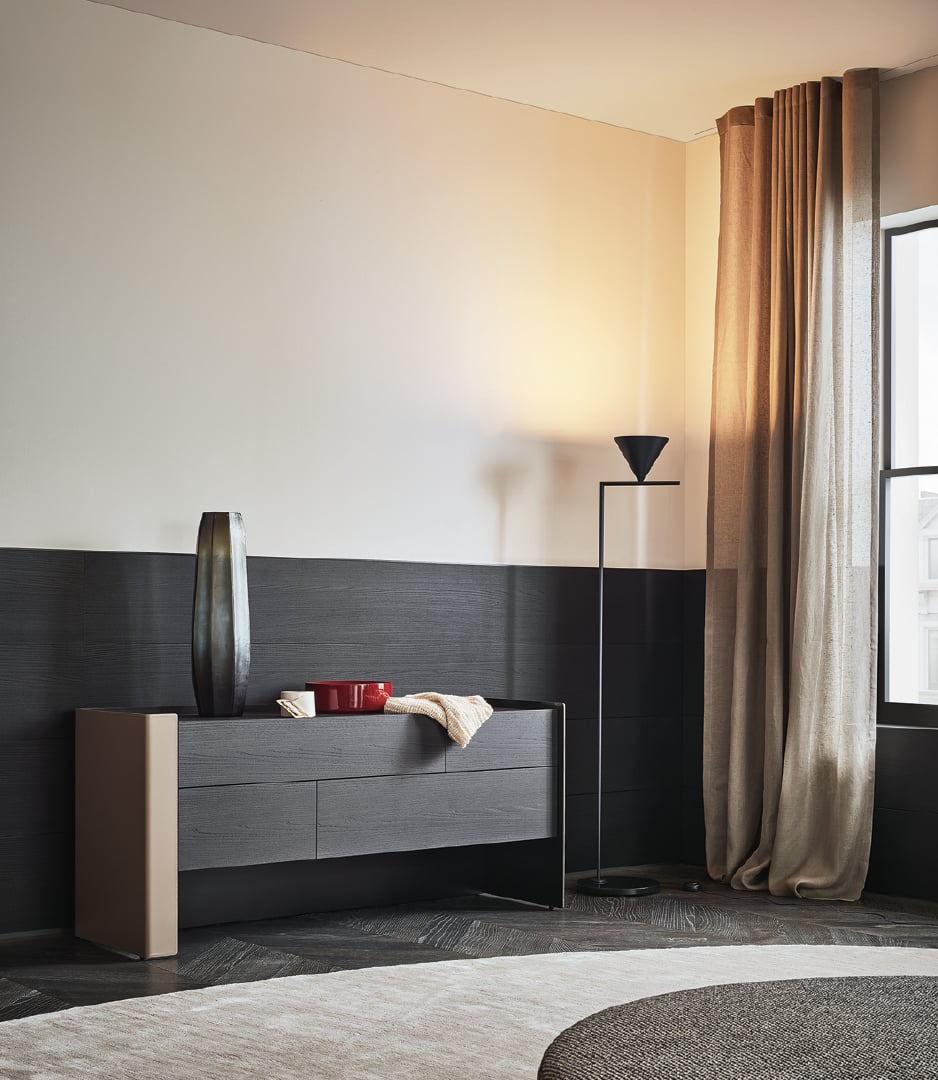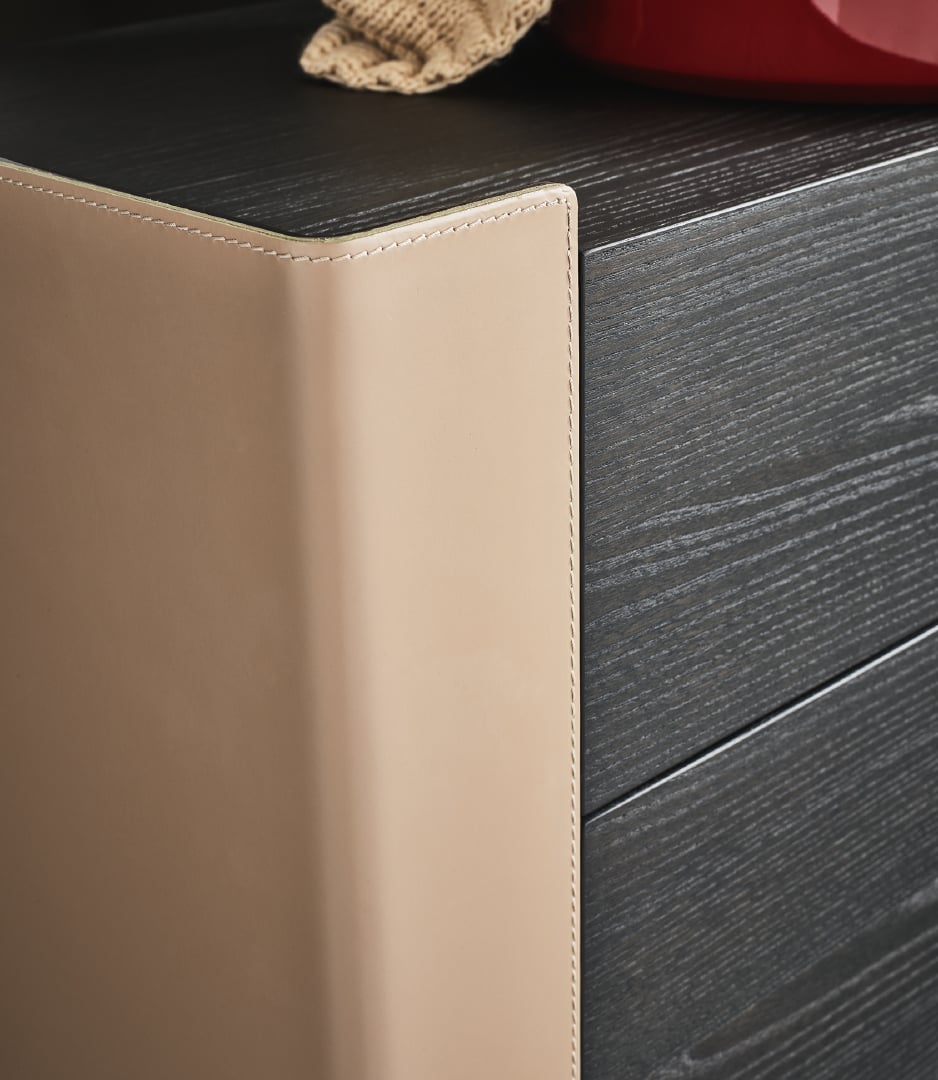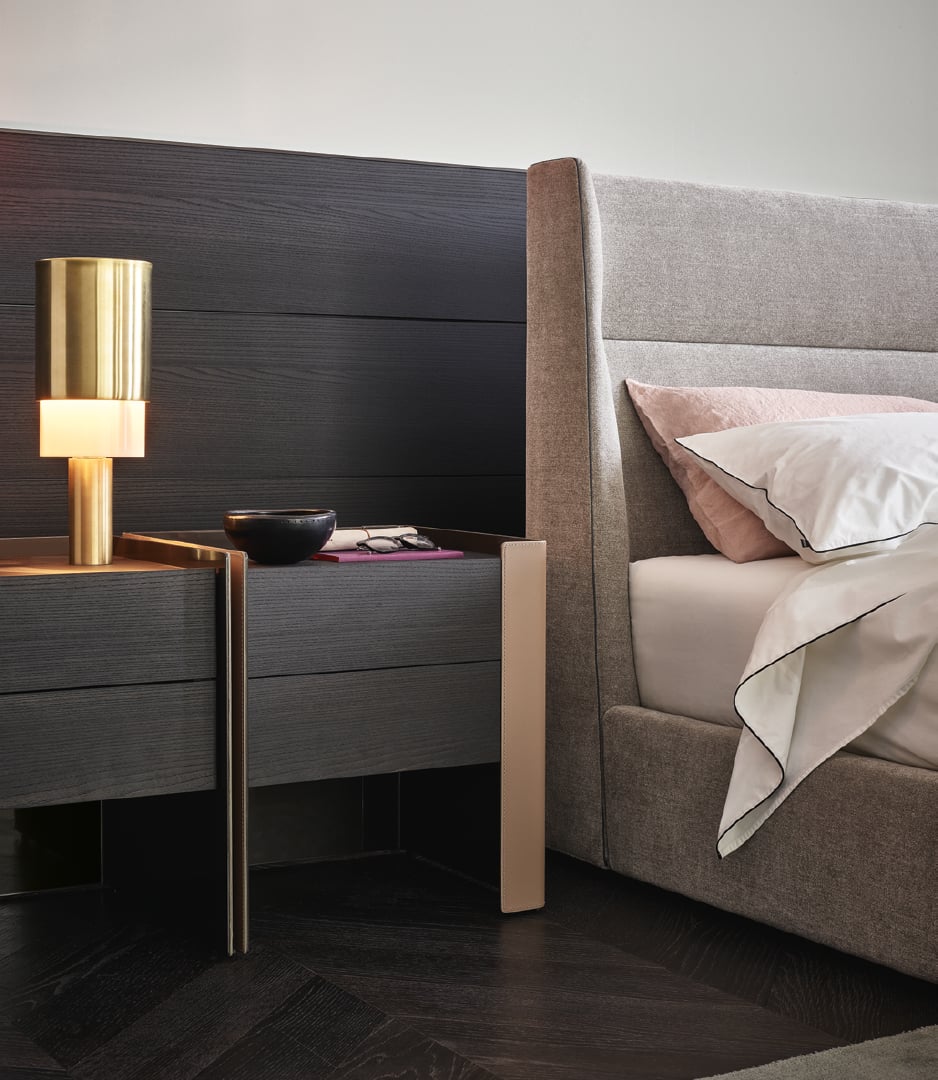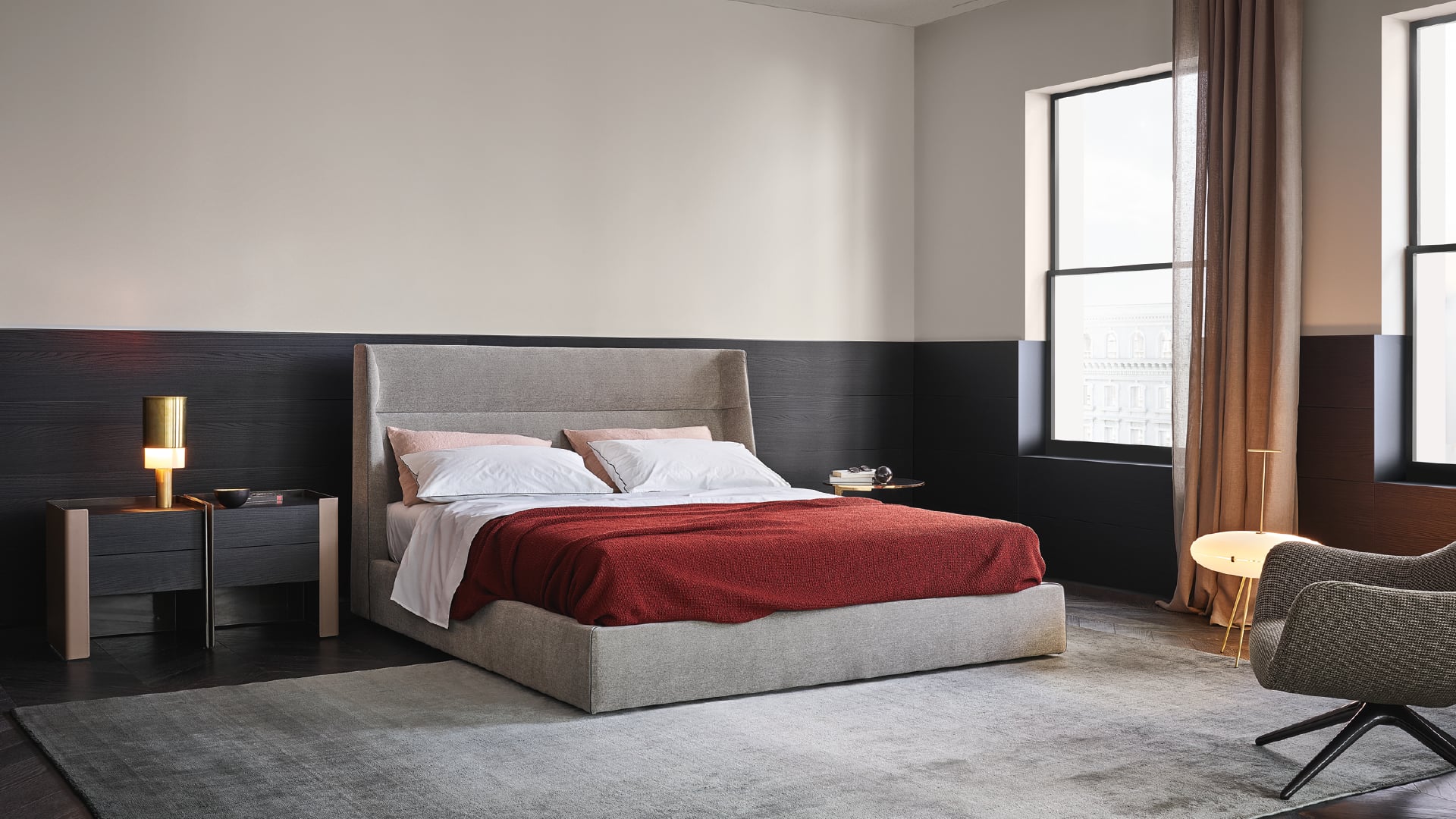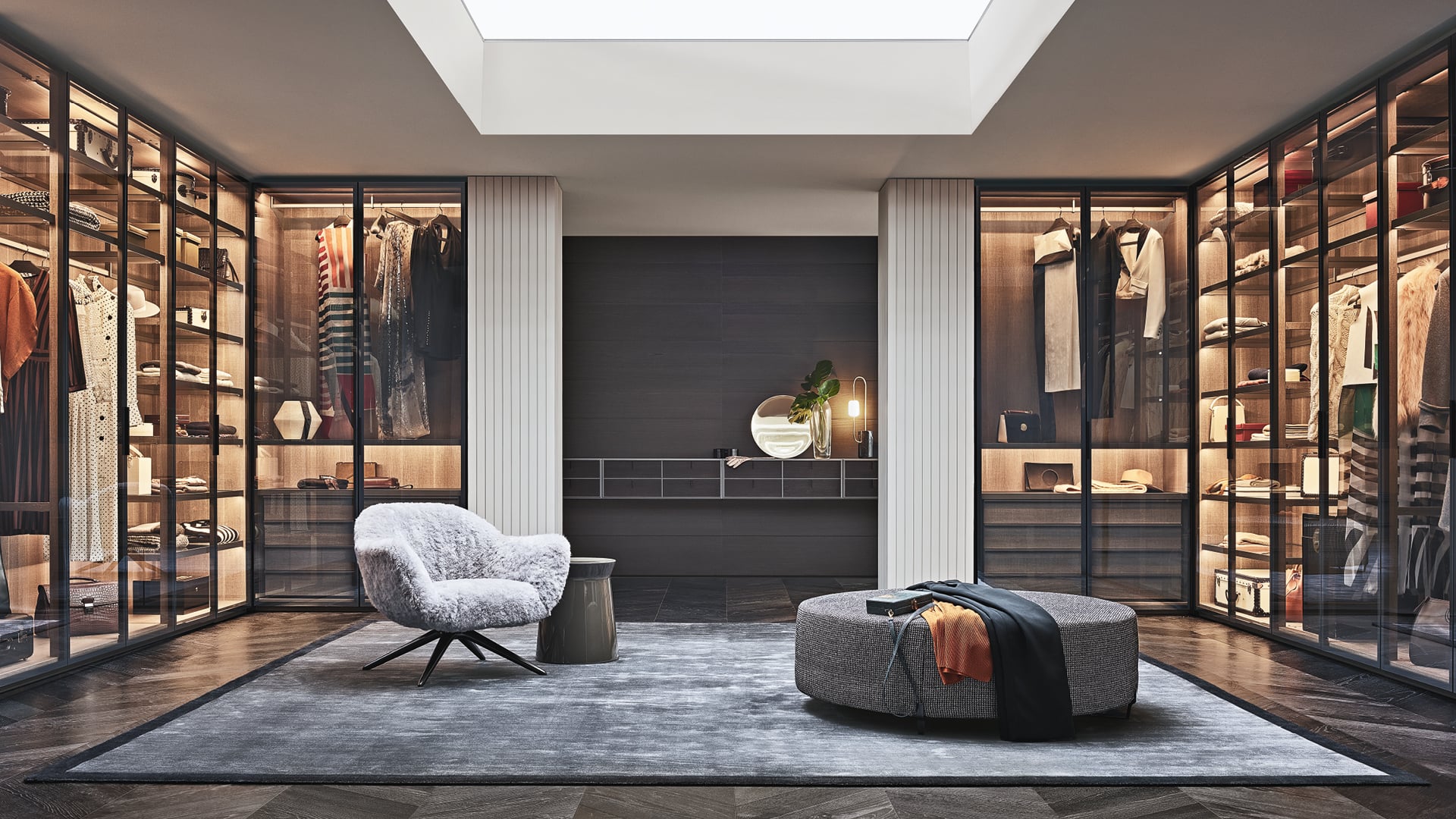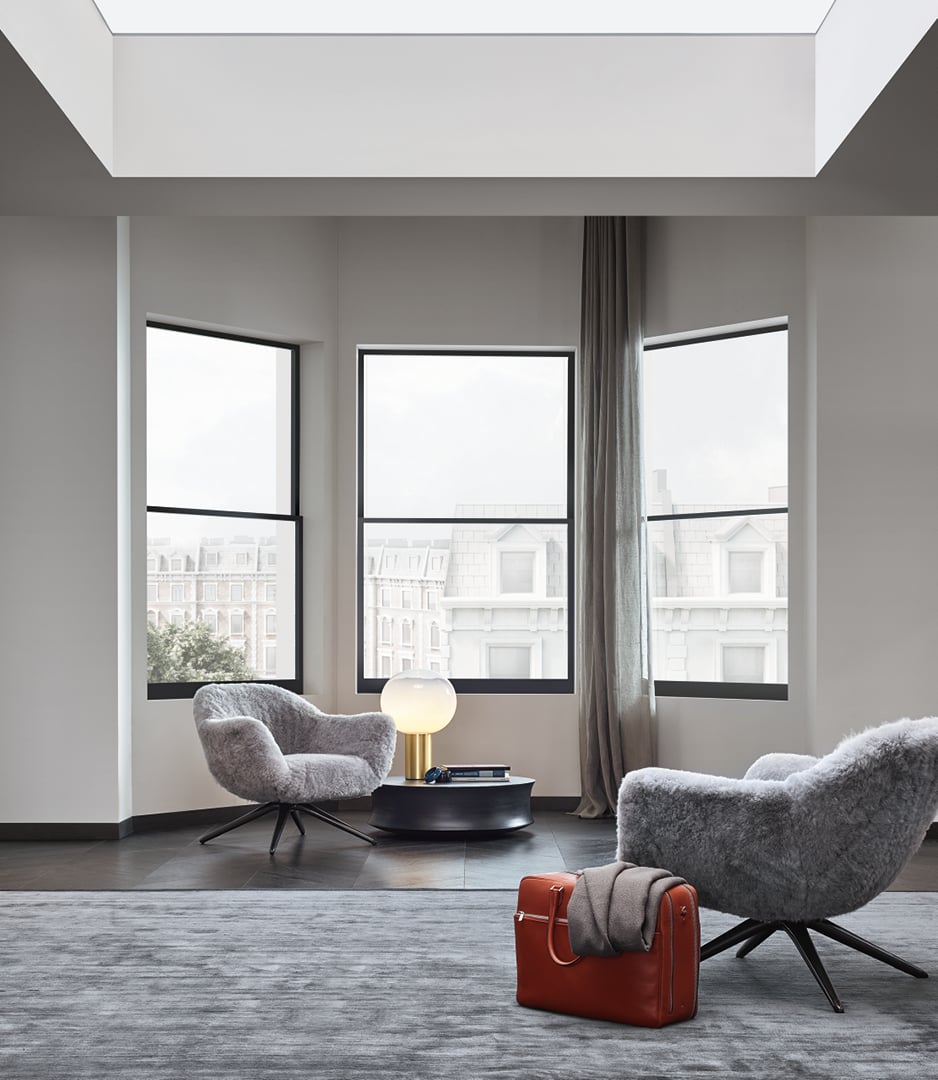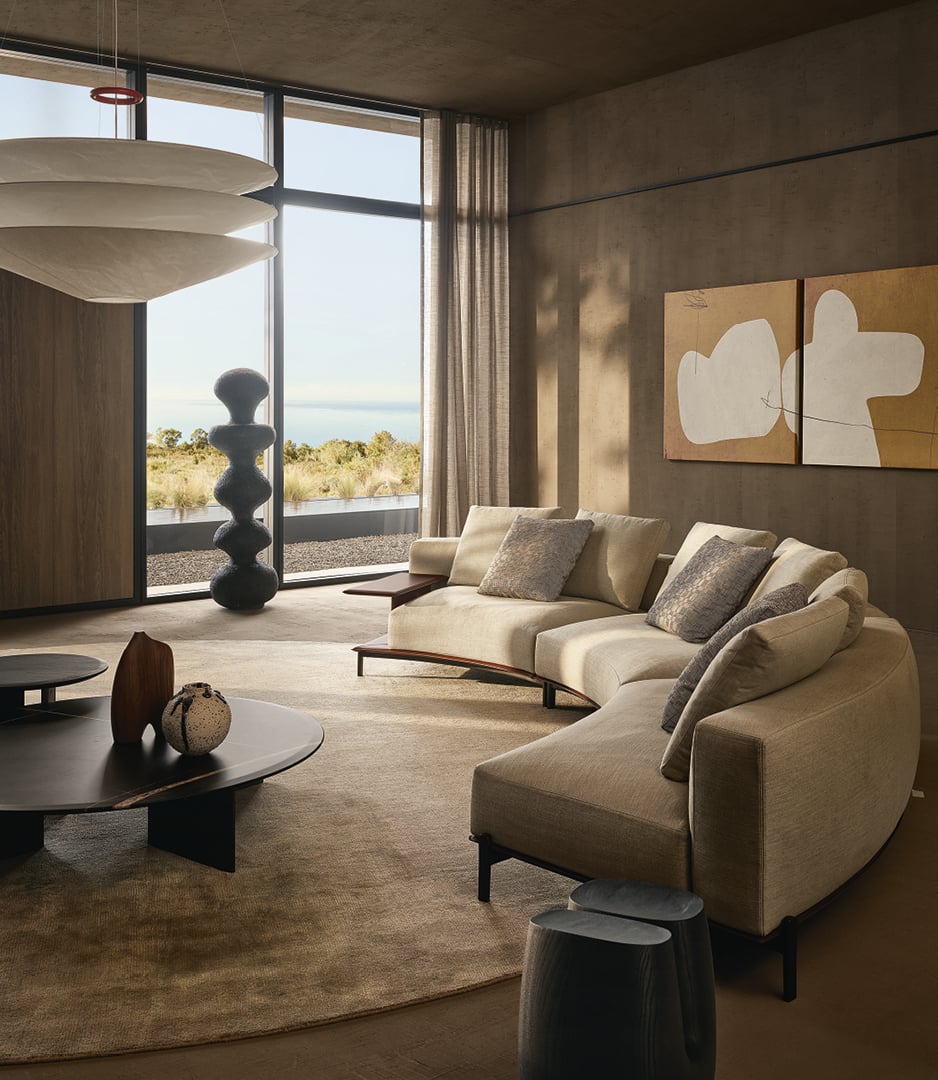
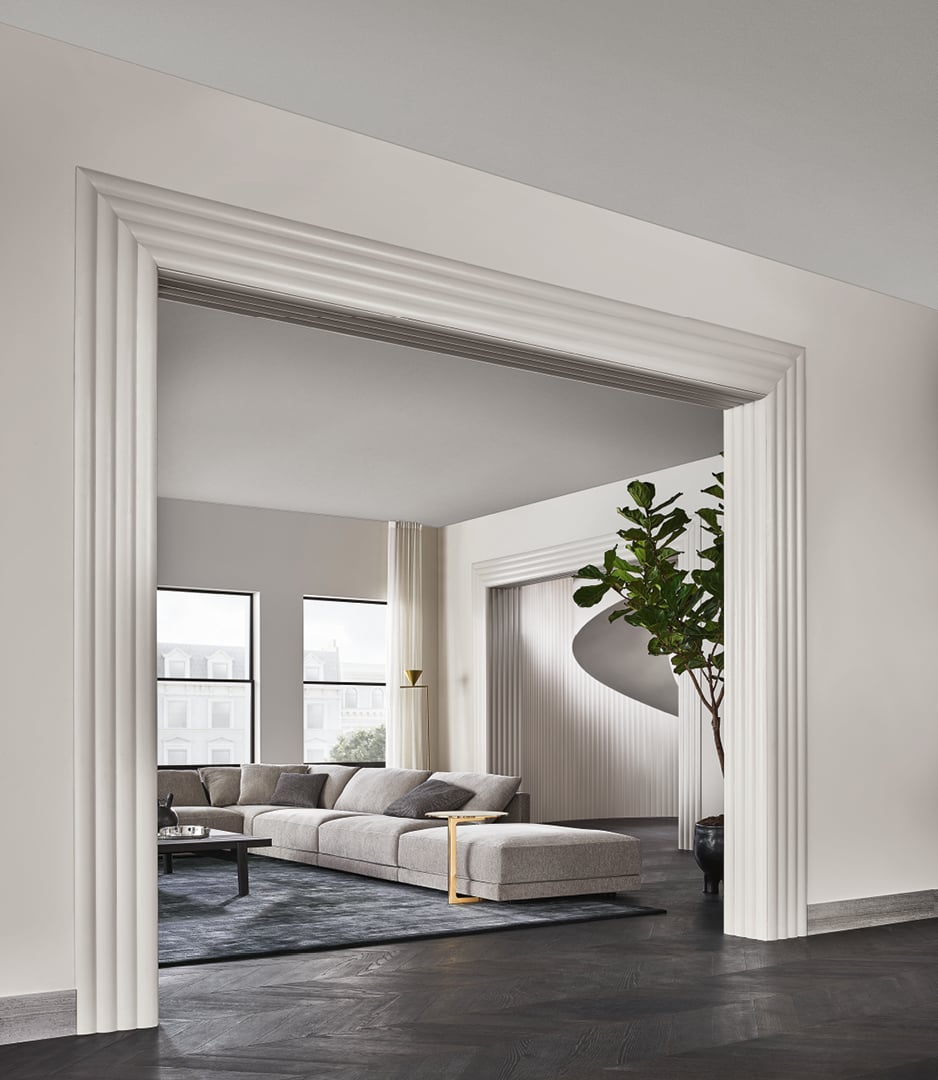
Elegance in the classical sense, beyond time and space. In this city apartment, the neutral palette is brightened by touches of colour, light shades interact with dark shades, and an aesthetic of the essential infuses minimalism with new meaning.
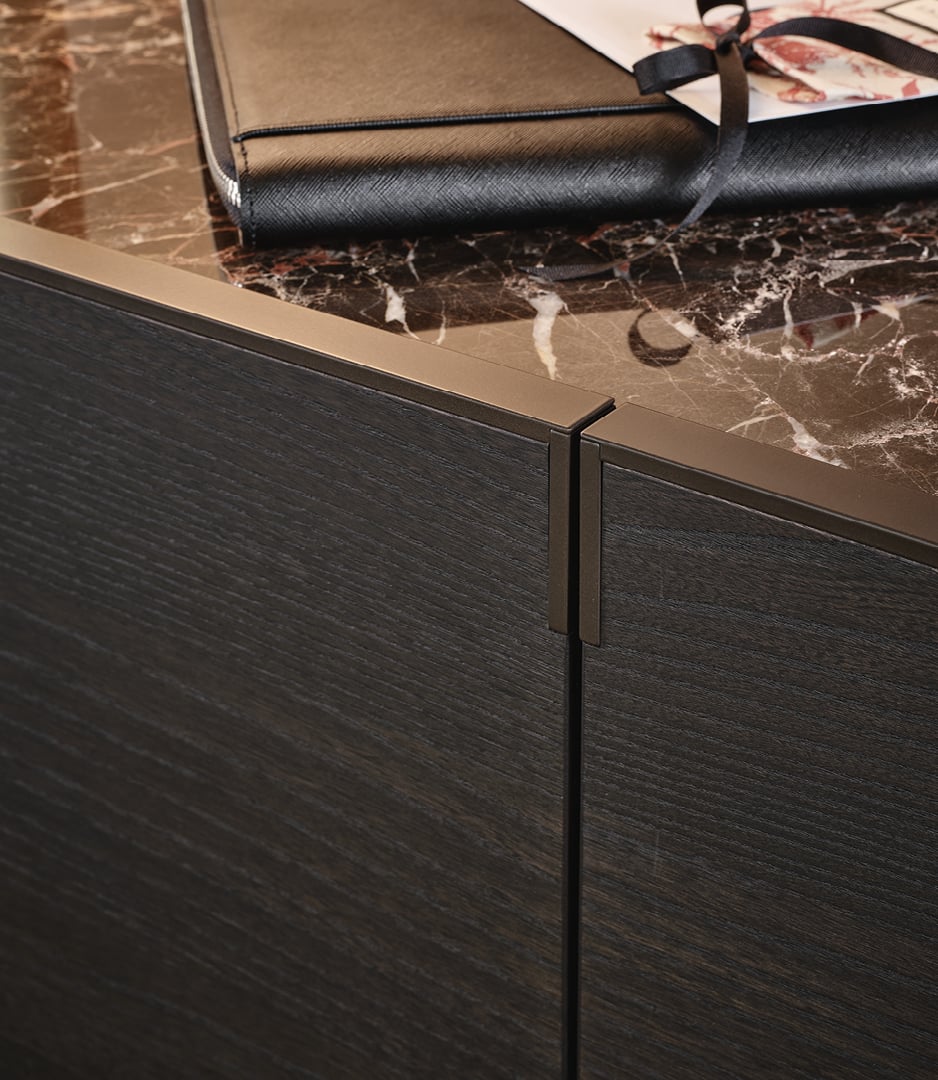
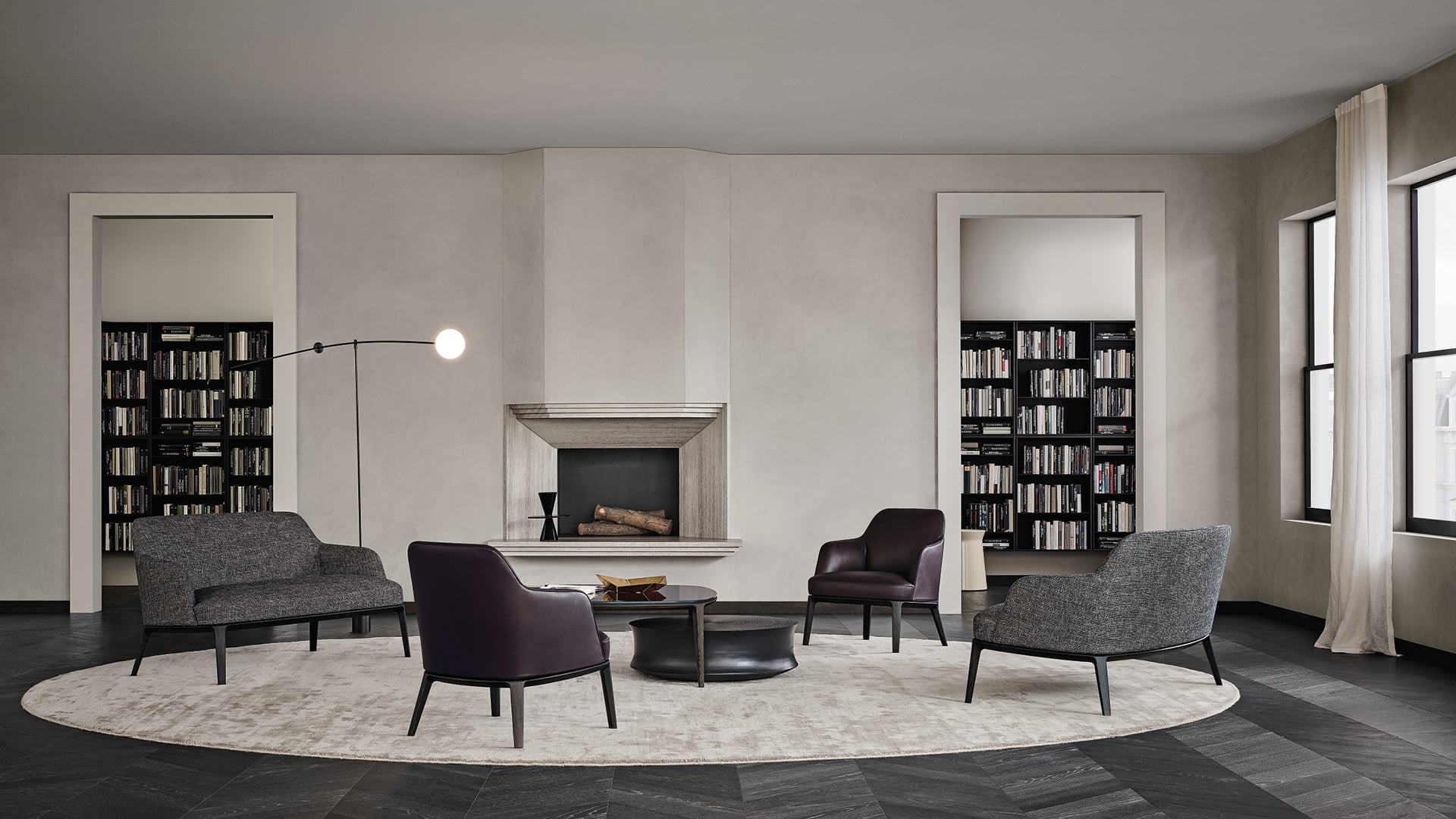
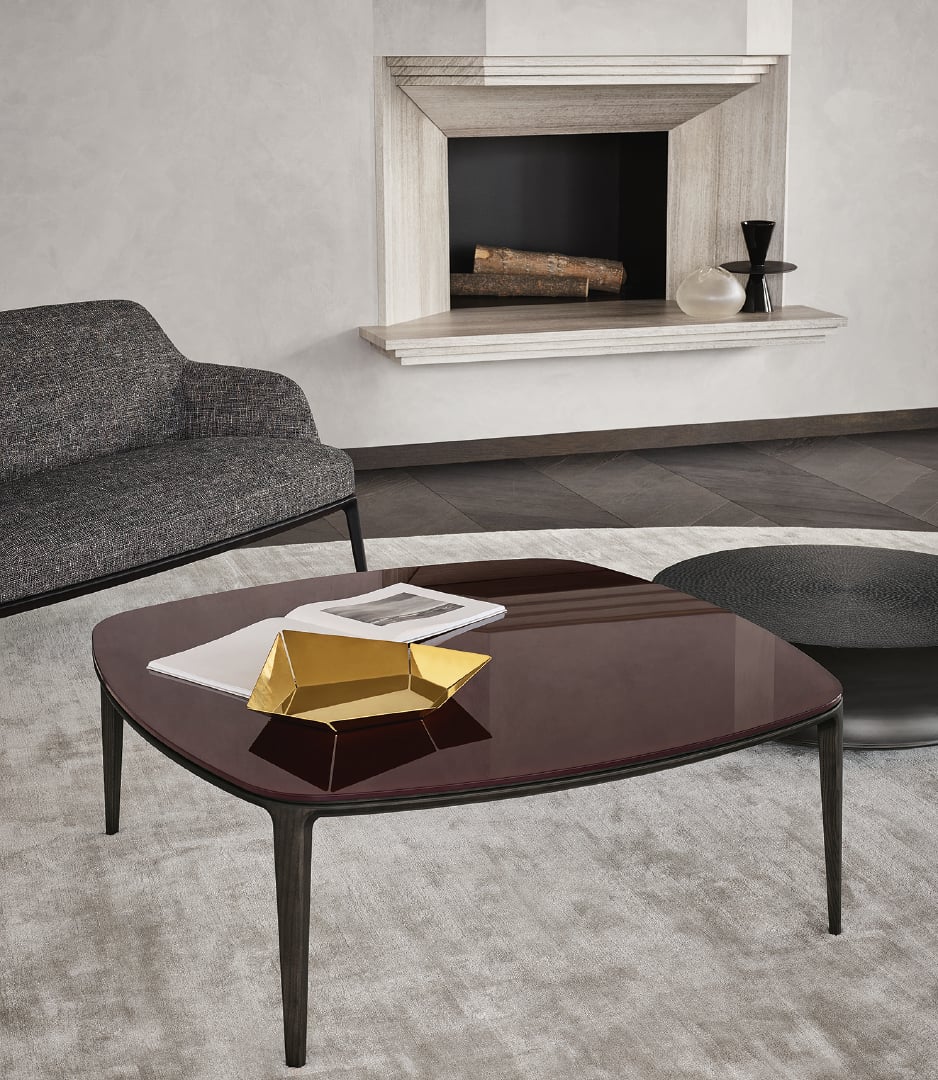
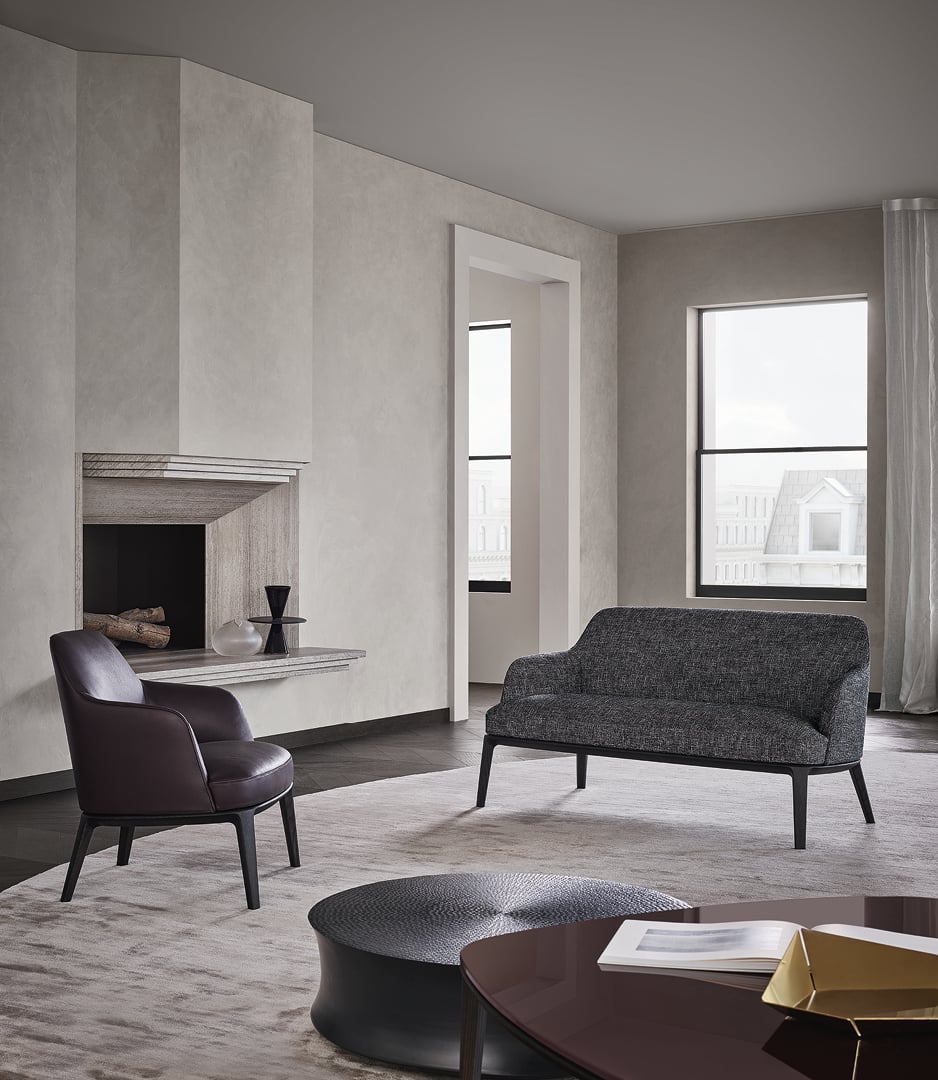
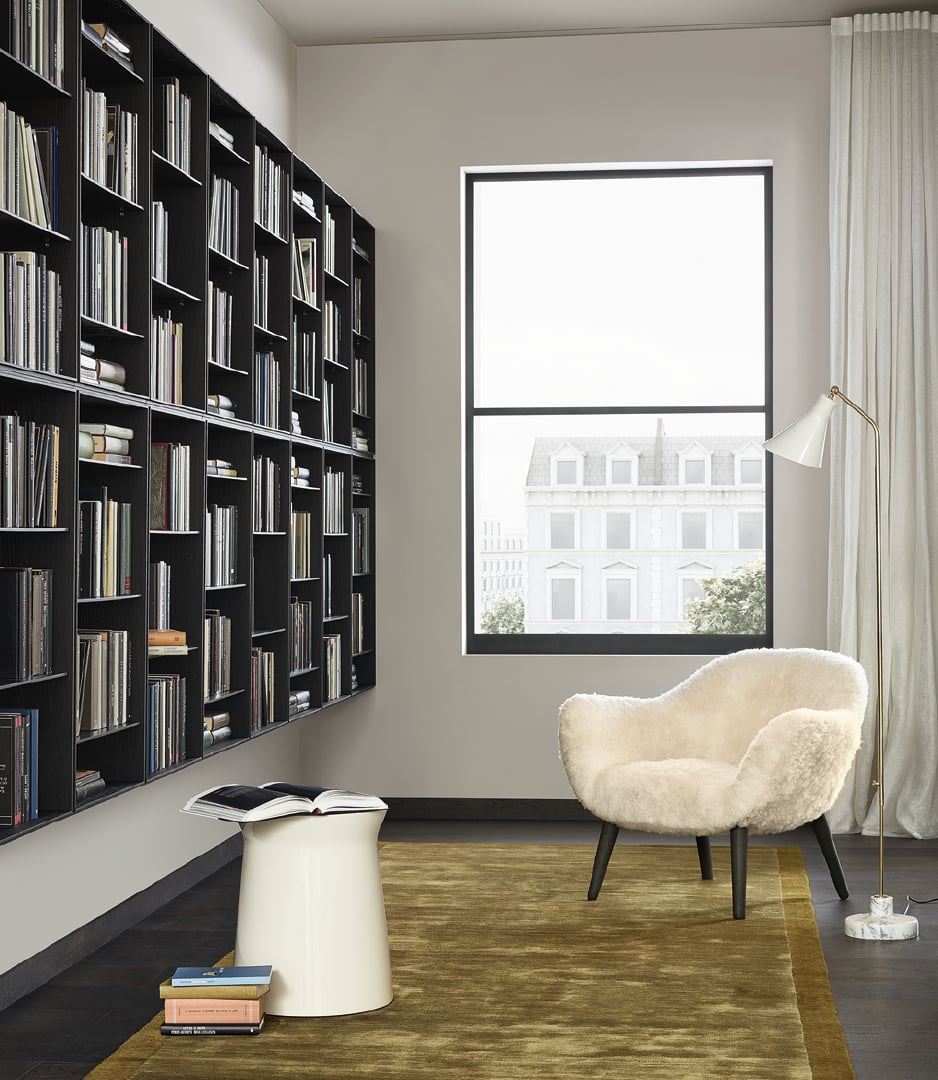
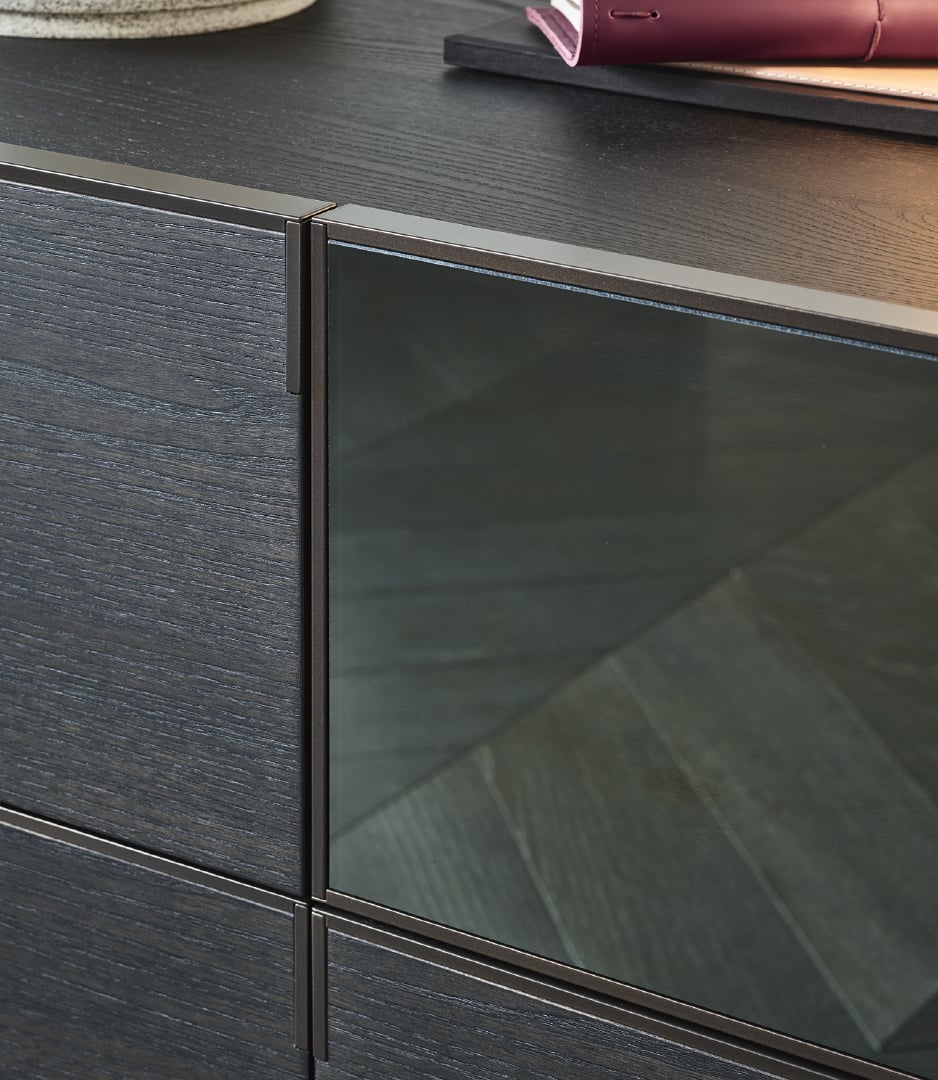
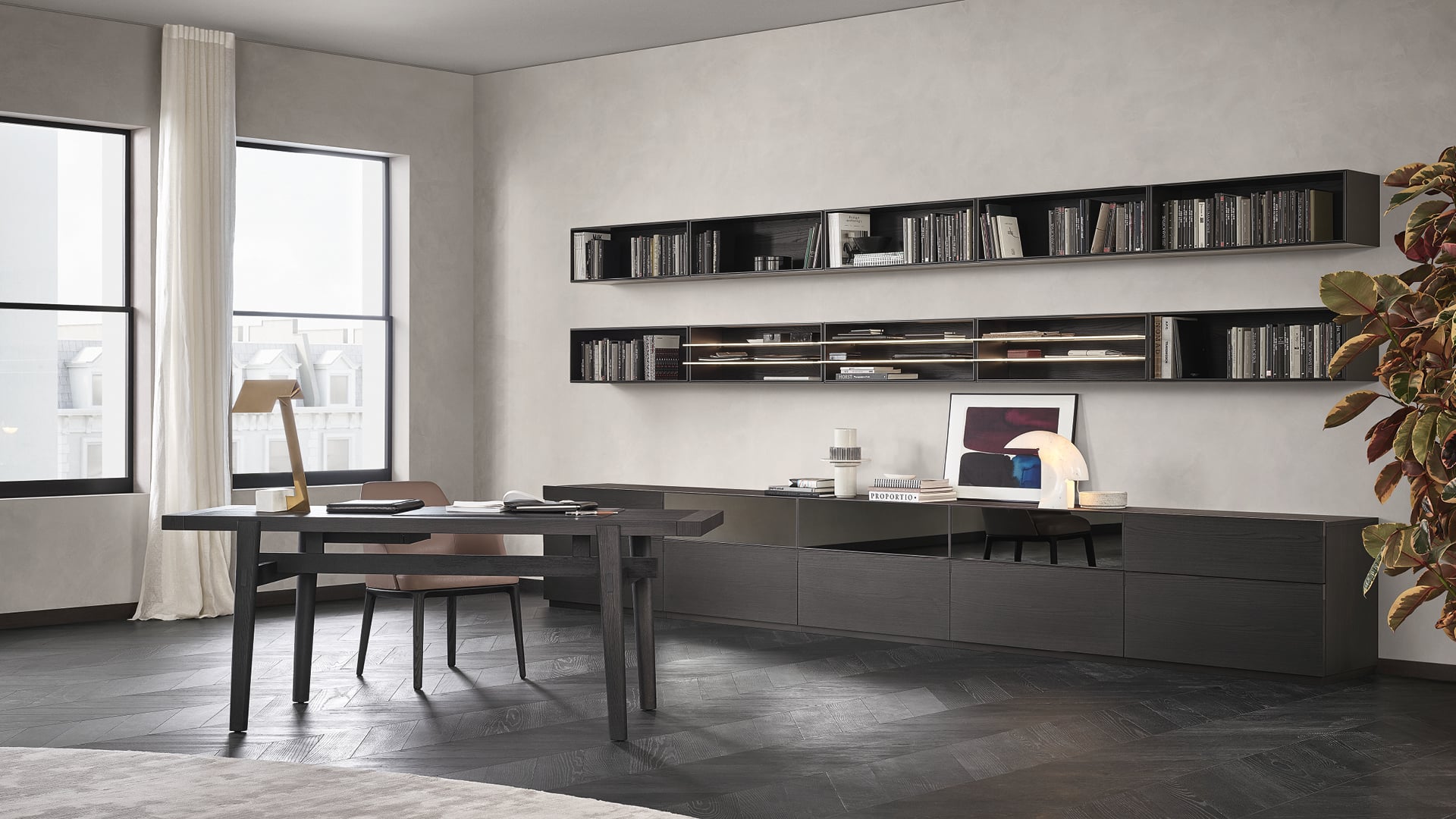
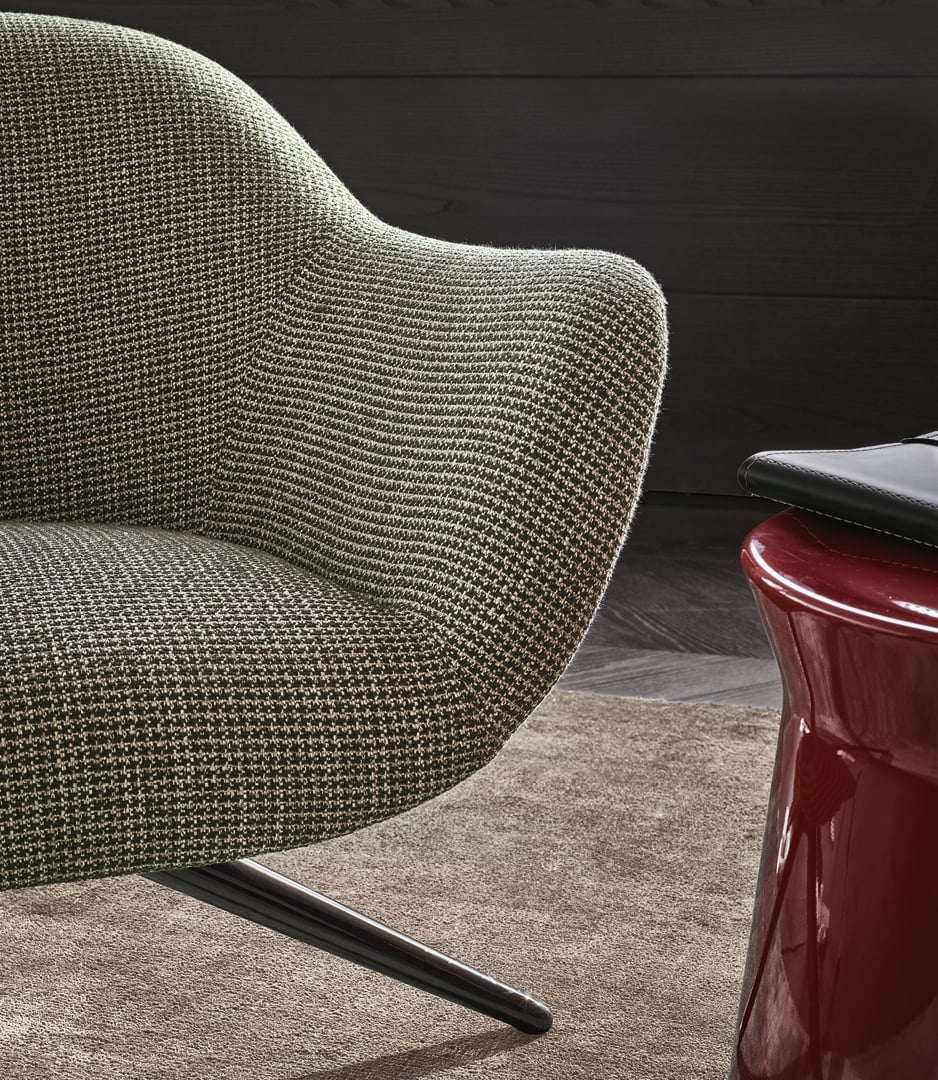
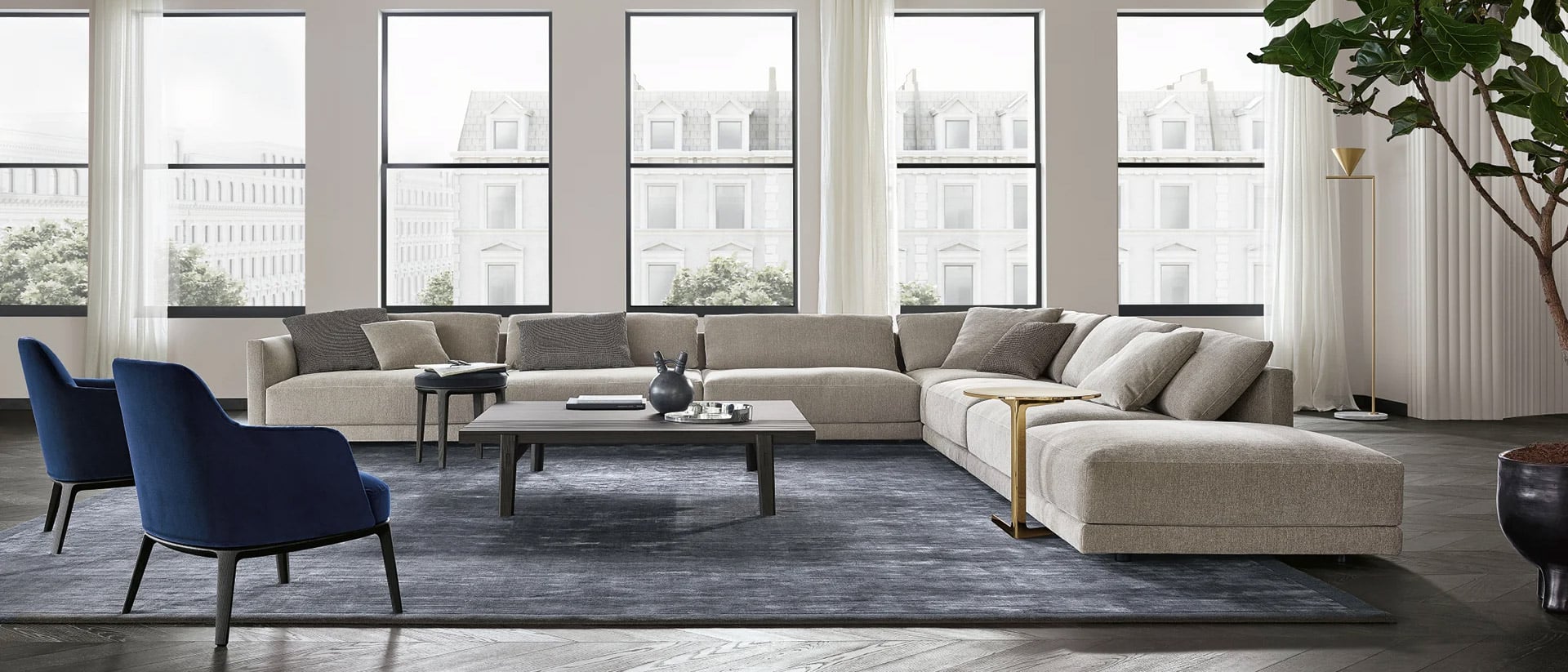
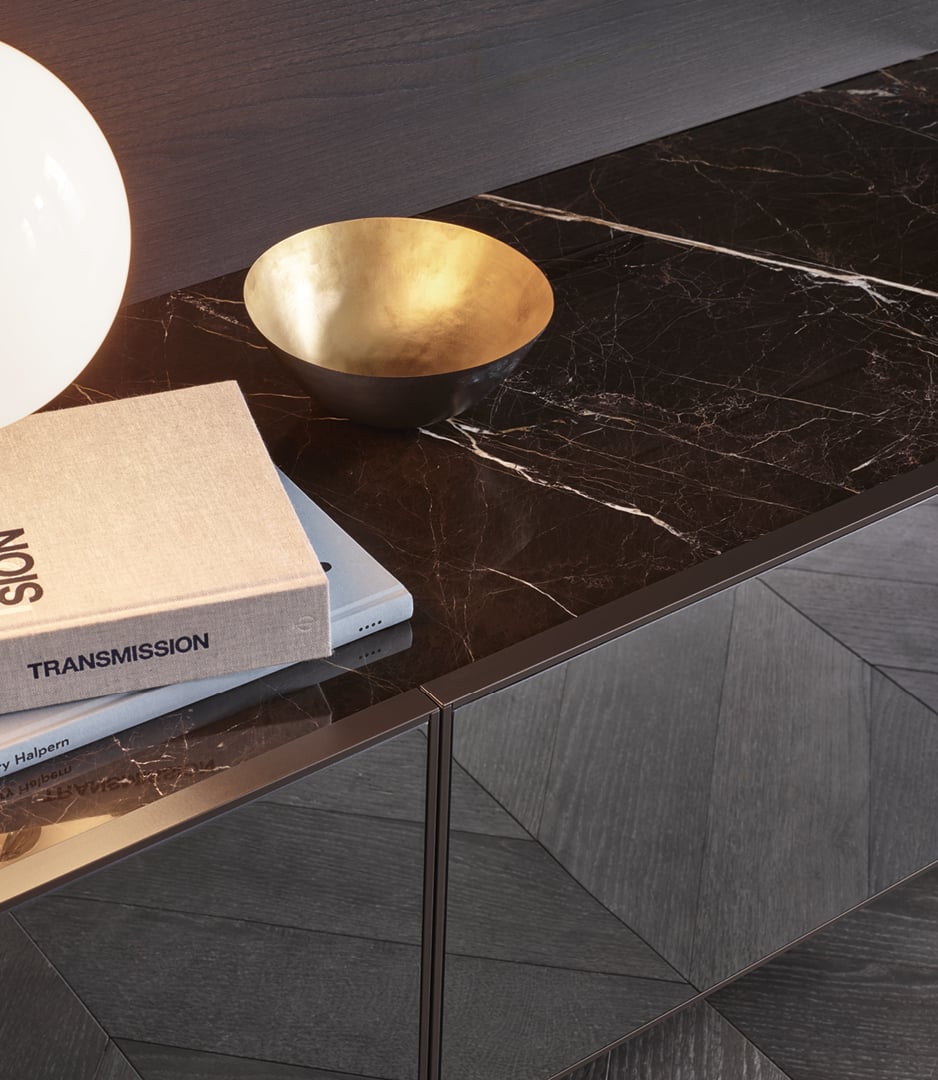
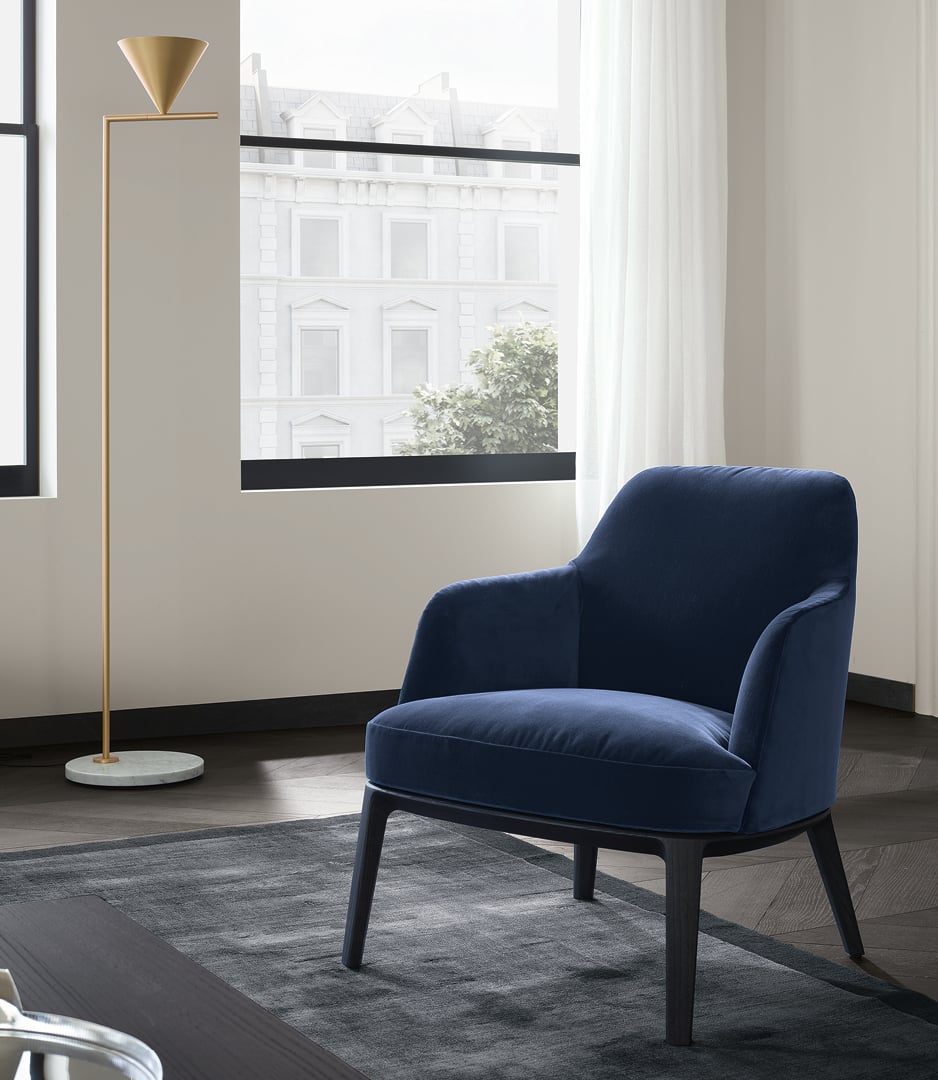
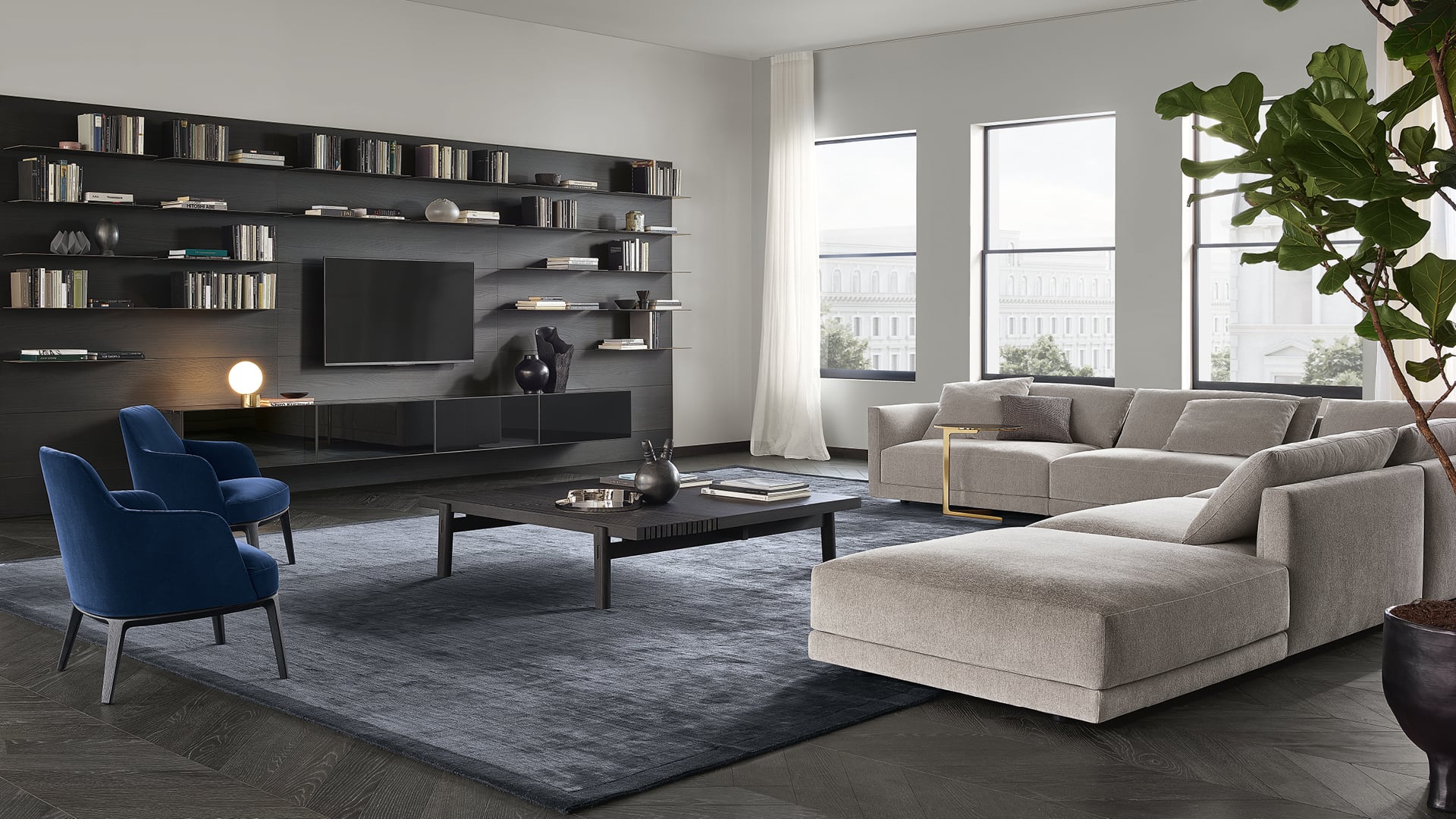
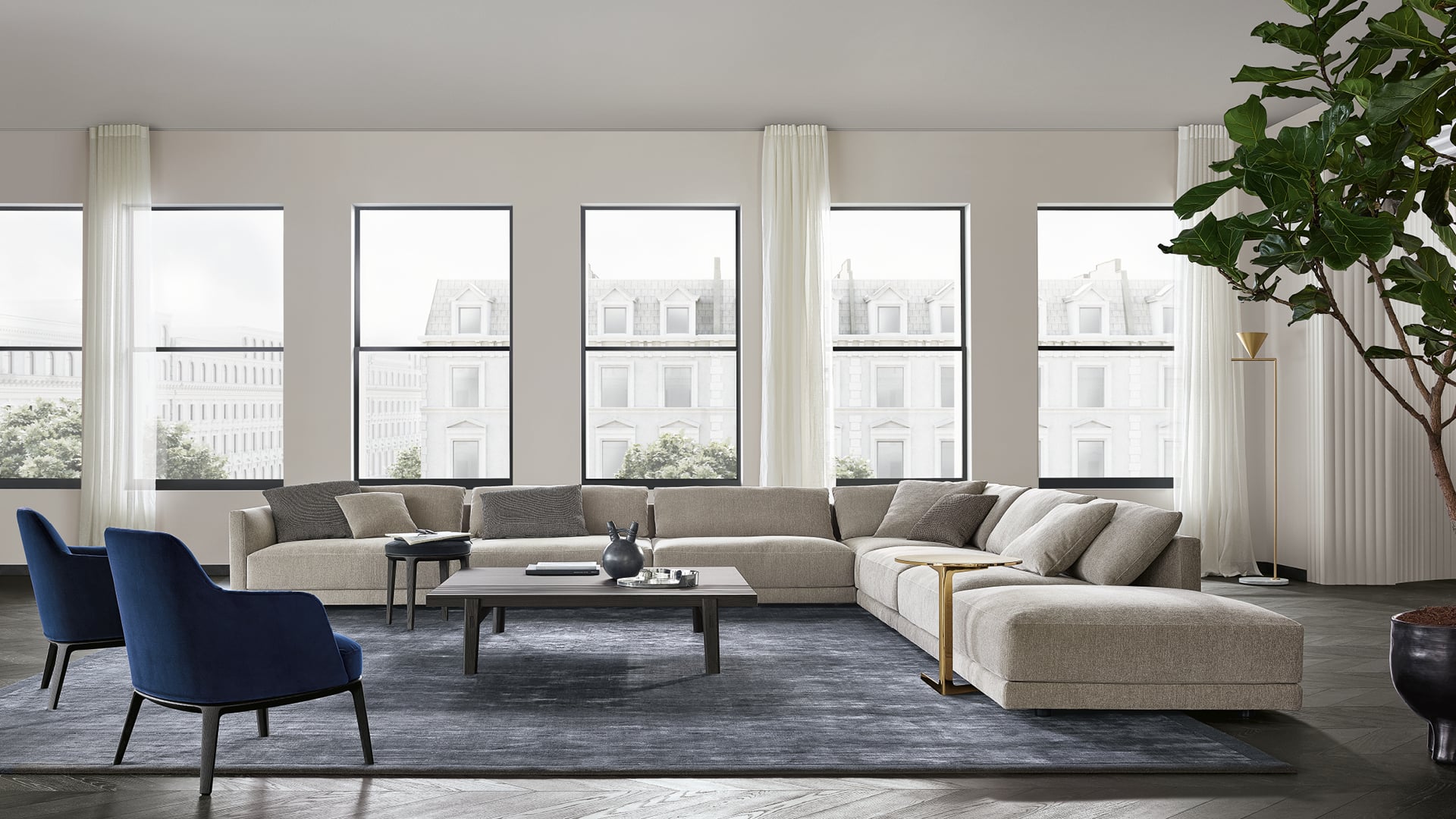
In the living room, the elegant palette of greys that characterises the architectural elements, furnishings and works of art is reminiscent of the city’s buildings, framed by the windows. Precious metallic details add sparkle, while soft textures, sophisticated blue velvet upholstery on the armchairs and an elegant black elm wall unit create a warm atmosphere.
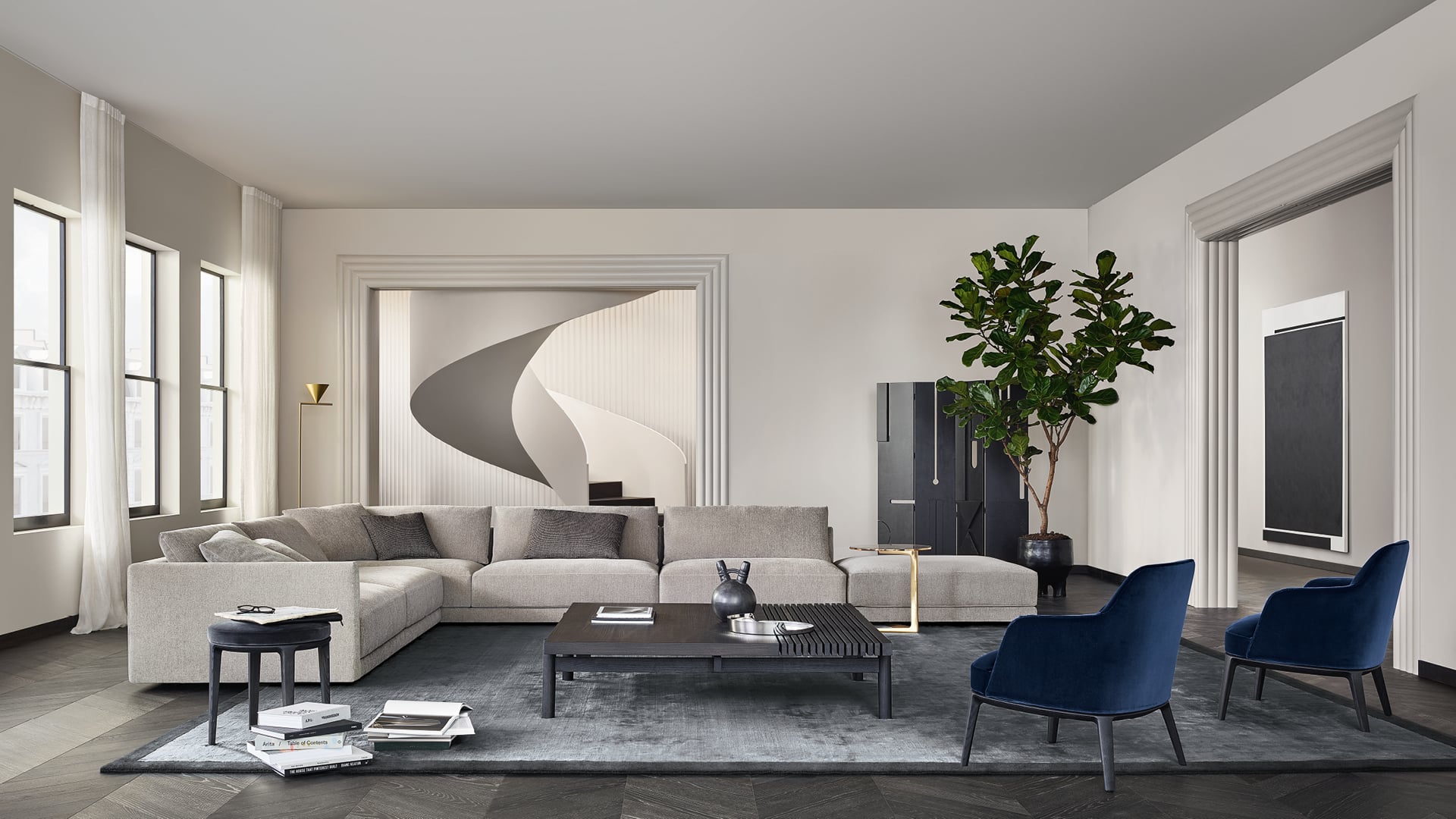
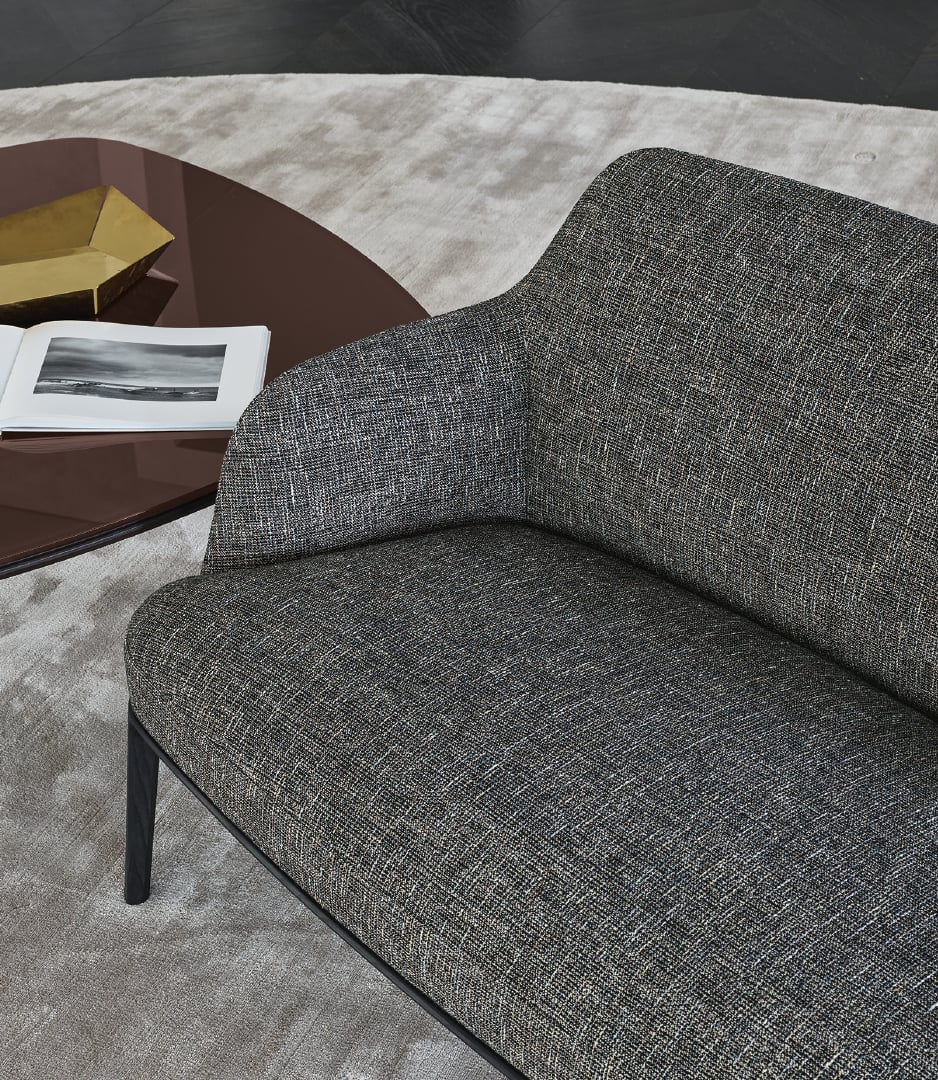
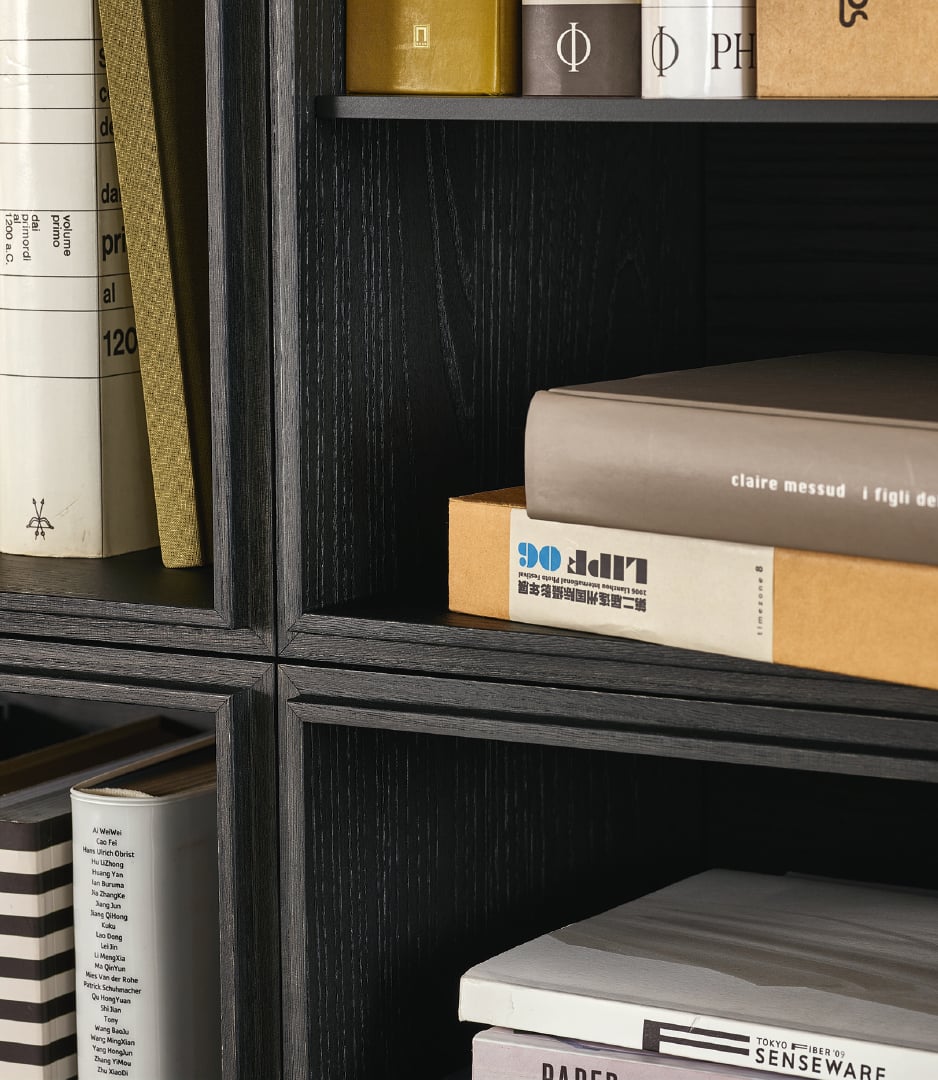
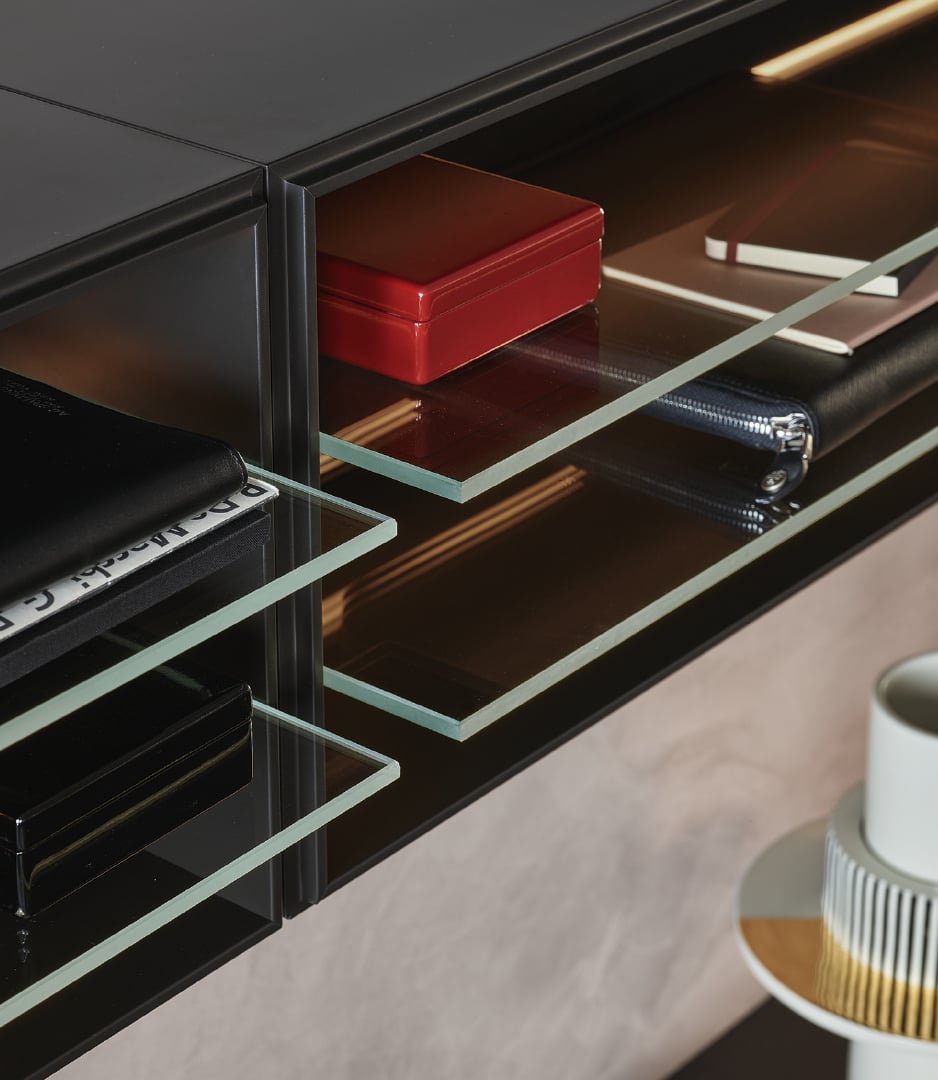
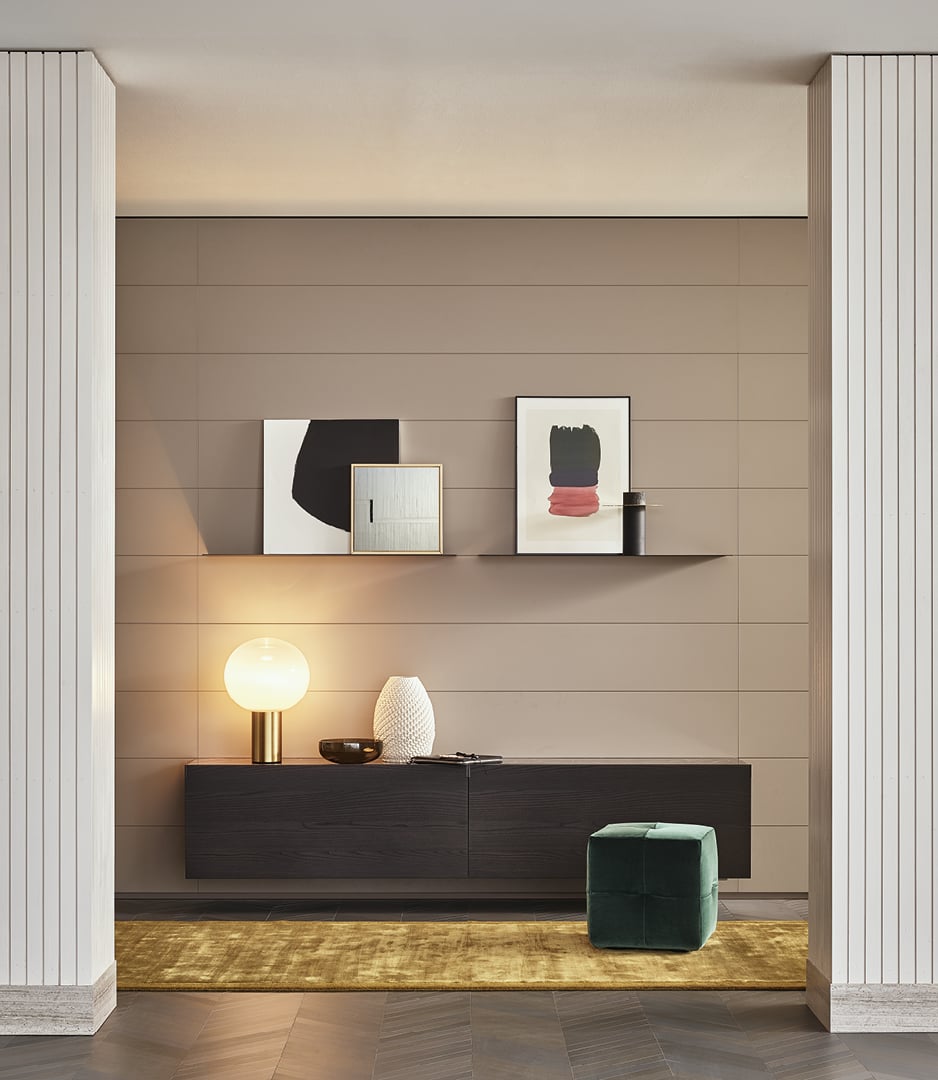
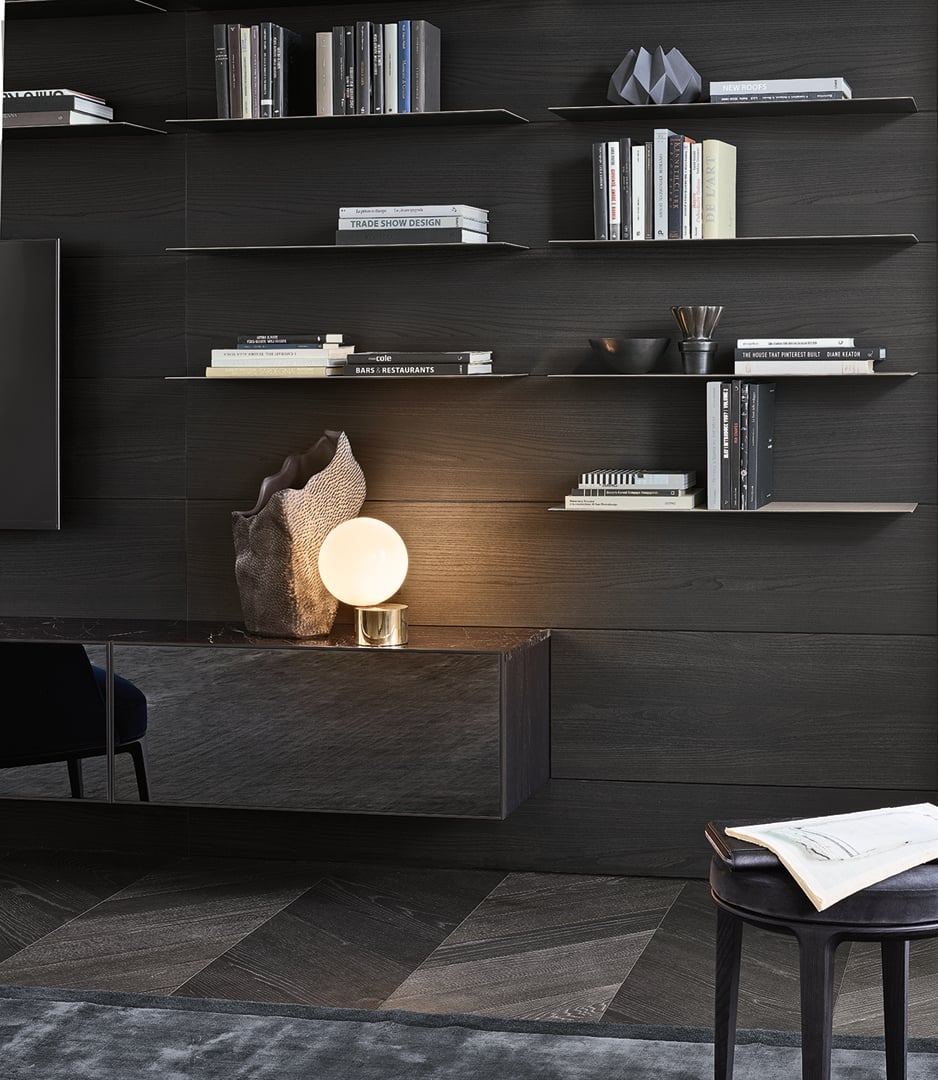
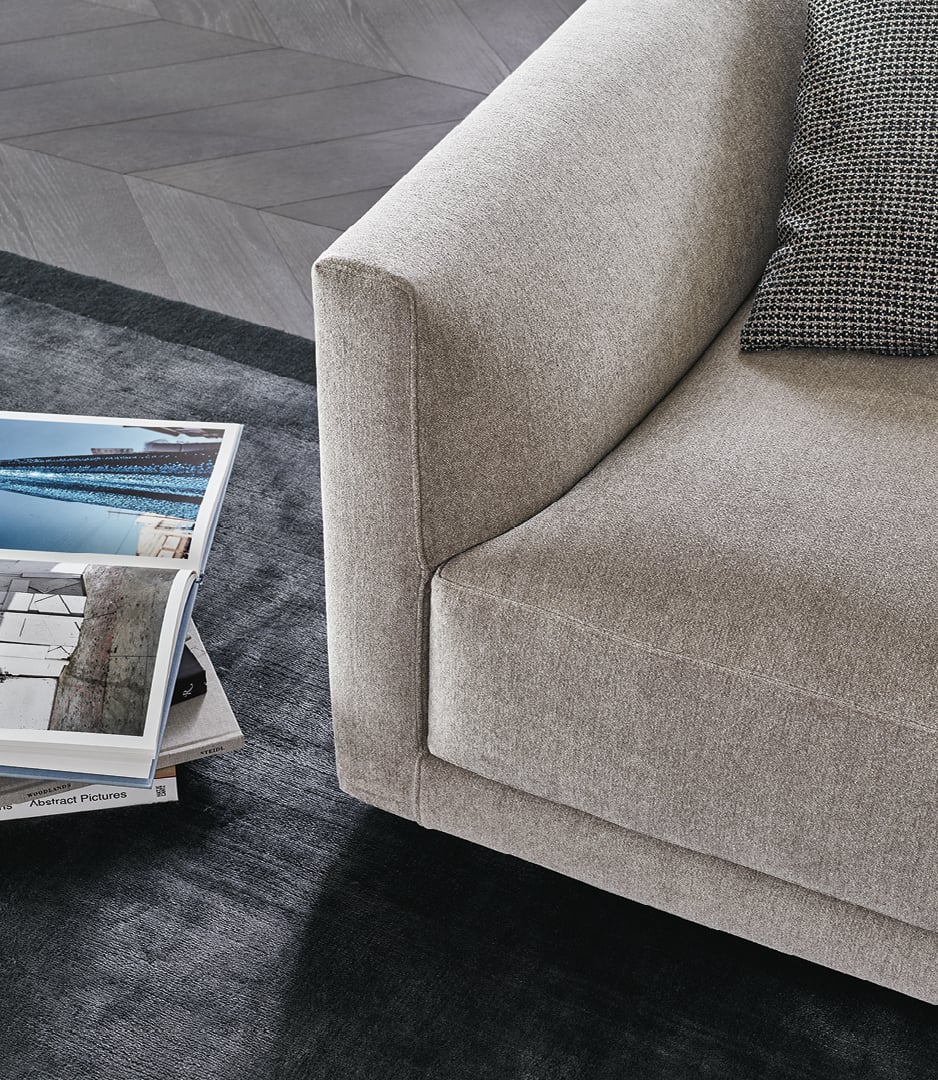
Sofas, armchairs and living room accessories reflect a classic style, reinterpreted in a contemporary key. Timeless elegance characterises the Bristol sofa, Jane armchairs and Baba coffee table, which, with its polished brass frame and marble top, becomes a stylish detail. The Wall System living room furniture is also light and elegant, equipped with slim shelves.
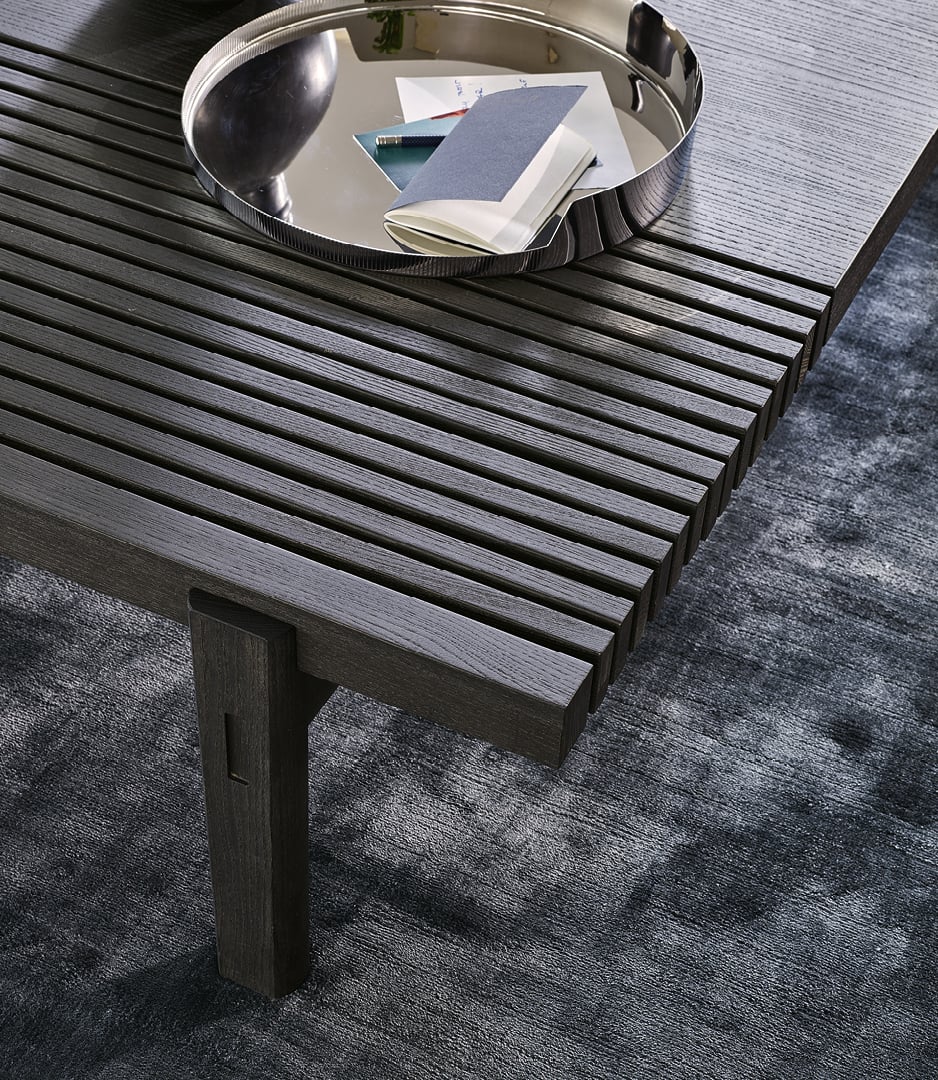
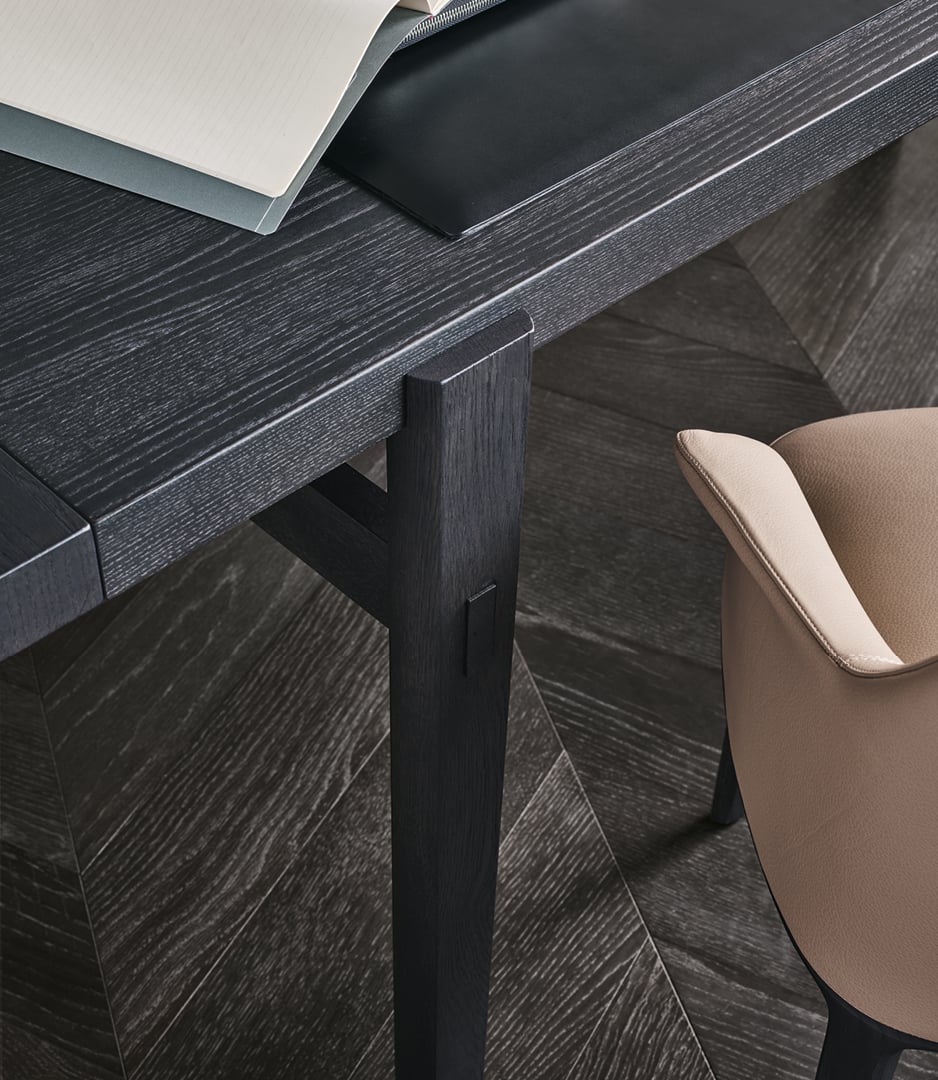
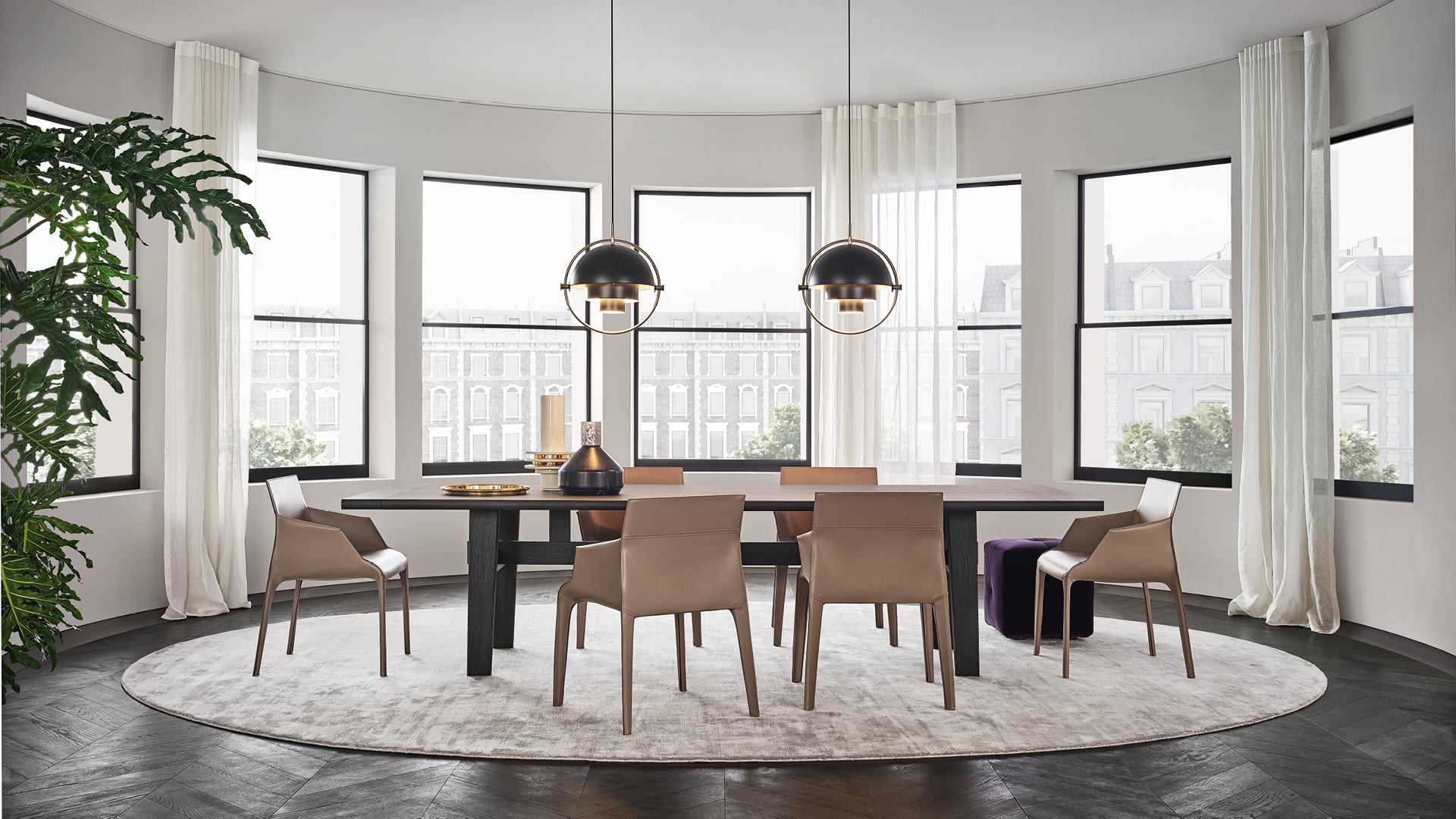
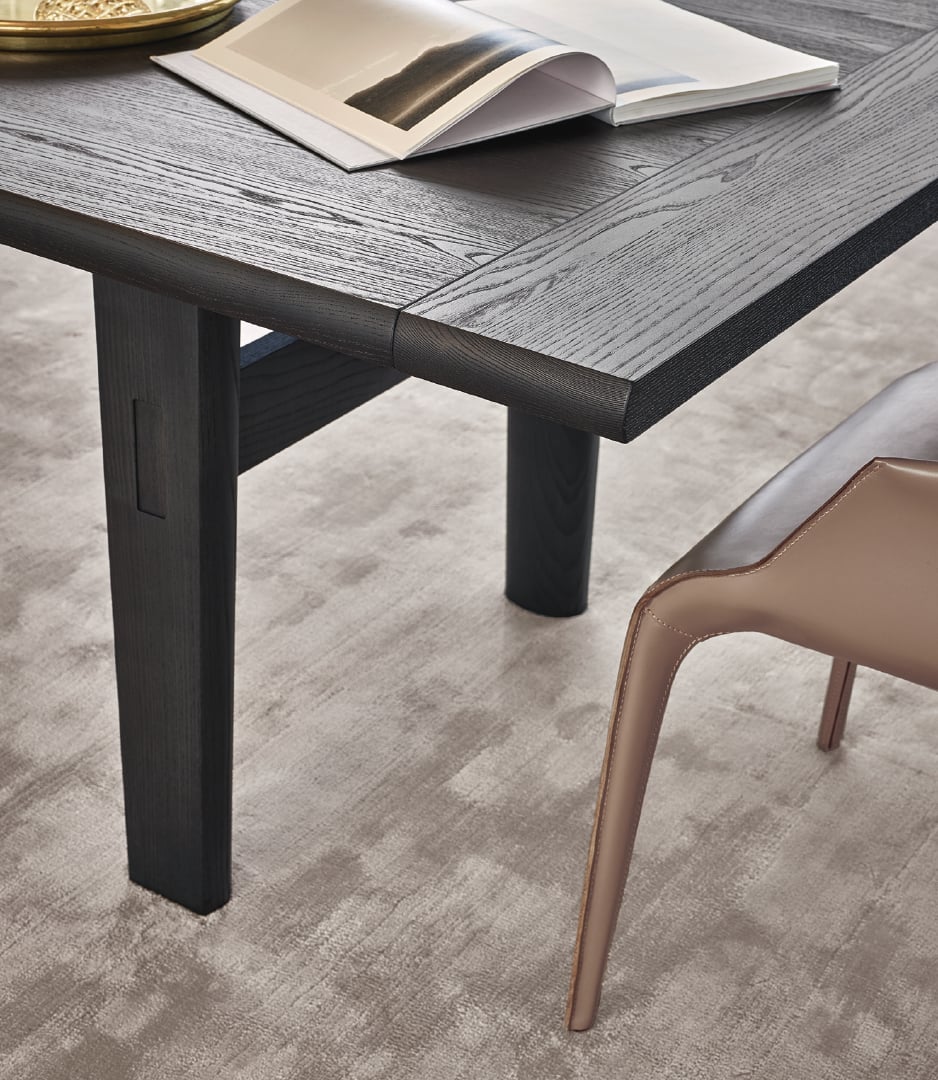
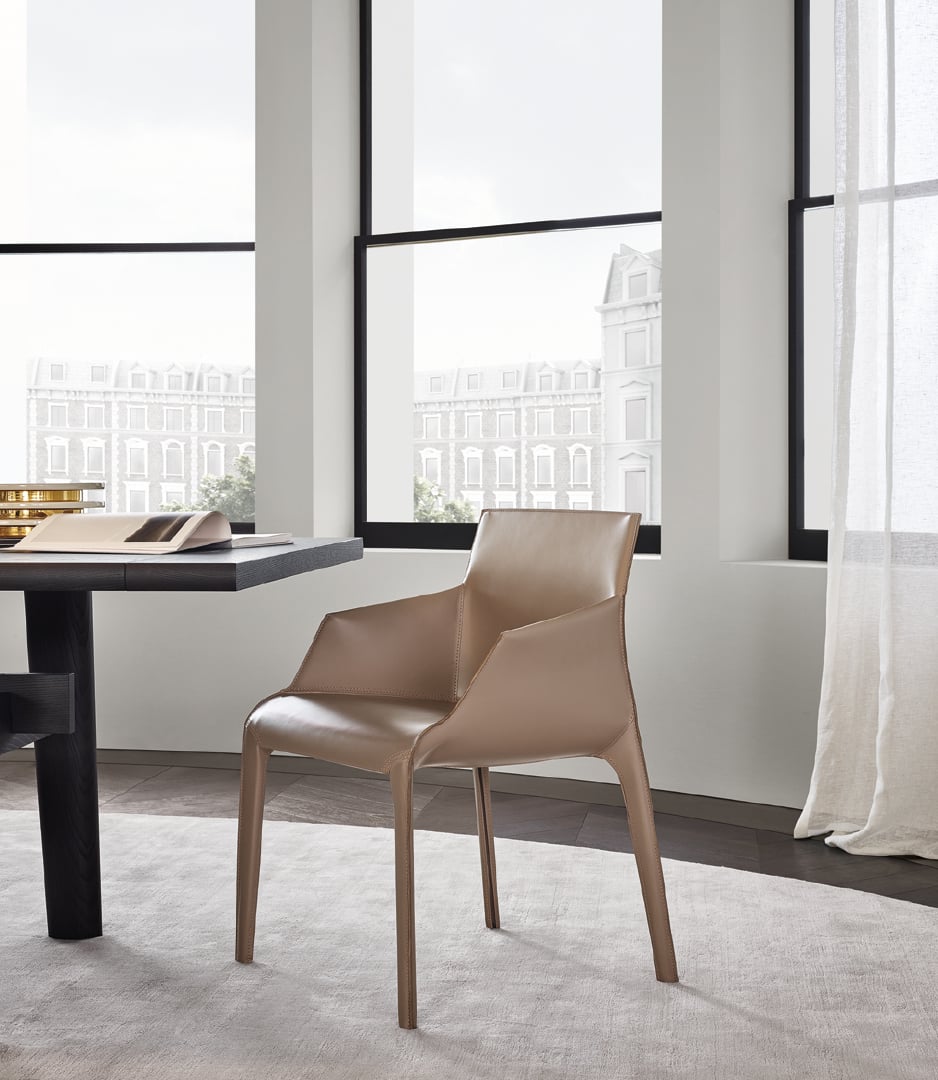
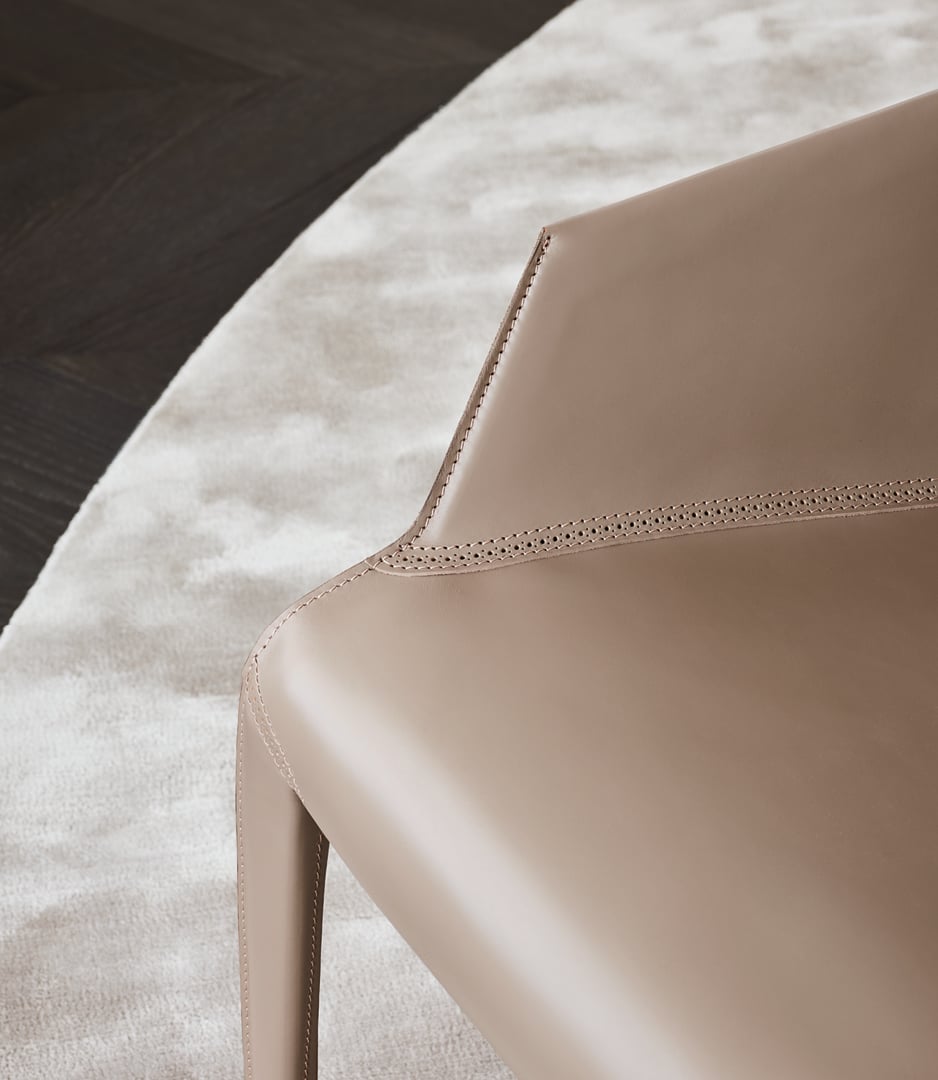
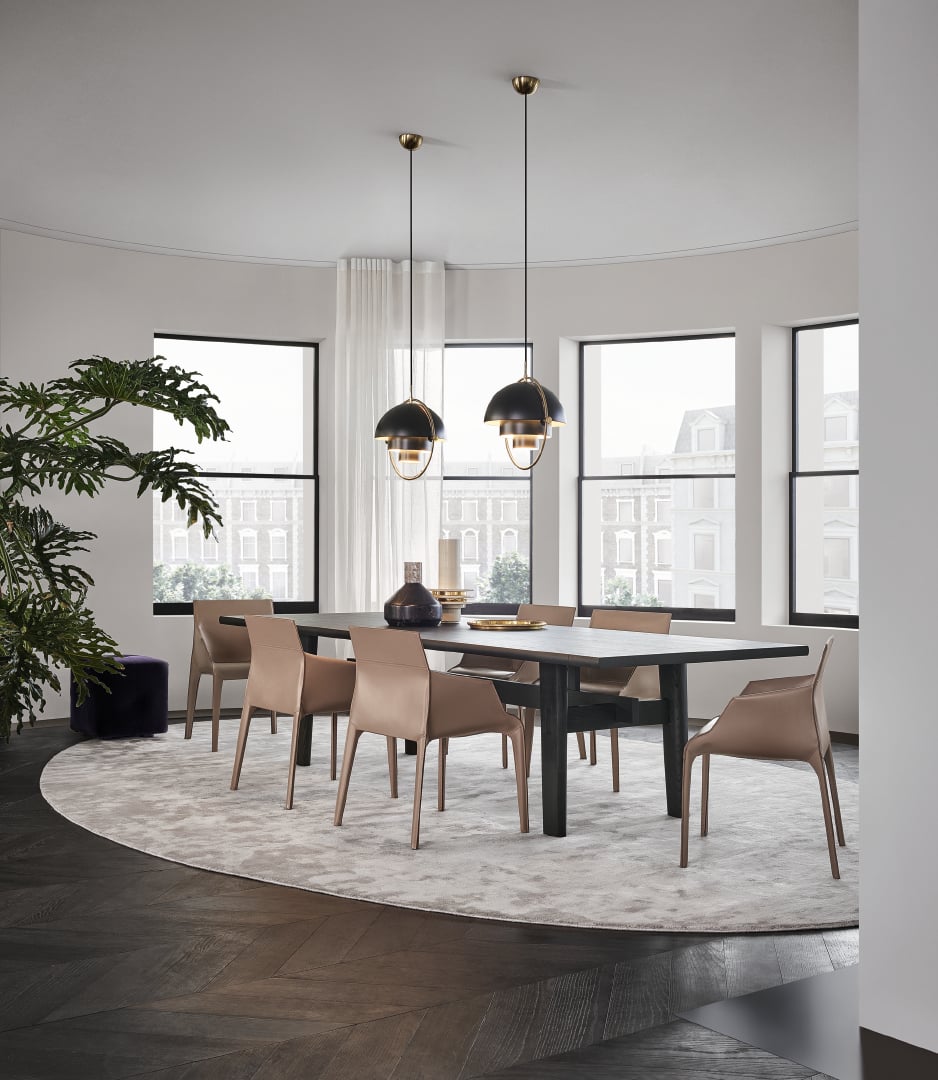
Contrasting materials and minimalist shapes characterise the dining area. The focus here is on details such as the tabletop, inspired by cabinet-making, and the broguing stitching on the chairs, which are completely covered in leather. The iridescent rug and velvet-covered footstool add a tactile touch to a space that stimulates the five senses.
Jiaxi Yang and Zhe Zhu are two photographers and set designers from New York City. With their still-life, closer to the figurative art than to photography, they create a dreamy and metaphysical atmosphere of poignant beauty, portraying the most diverse objects: flowers, small sculptures, objects created by them. The inspiration is everywhere, in the art of Agnes Martin and Sol LeWitt as well as in the little ceramic works of Ron Nagle, neat, bizarre, very colourful: three adjectives that describe very well the research work of Jiaxi & Zhe. The physical presence of objects and the transfiguring effect that the photographic medium has on them is the theme they explored in the series of still-life, Shape. Small abstract works of art depicting sculptures that existed in the space and time of a shot, experiments of controlled stratification of natural materials, industrial objects, and objet trouvé. “Still-life photography is a game of patience,” they say. “Understanding how materials, colours, and shapes manage to create something that is not too complicated yet surprising takes time and attention.”